- Location: Rooms 62–63, British Museum
- Focus: Egyptian death and afterlife beliefs, mummification, and burial practices
- Key highlights: Human mummies, animal mummies, coffins, funerary artefacts, Book of the Dead material
- Visit duration: 20–40 minutes
- Entry: Free with general museum admission
- Best time to visit: Early morning or late afternoon for quieter galleries and better viewing conditions
Explore ancient Egyptian treasures and mummies at the British Museum
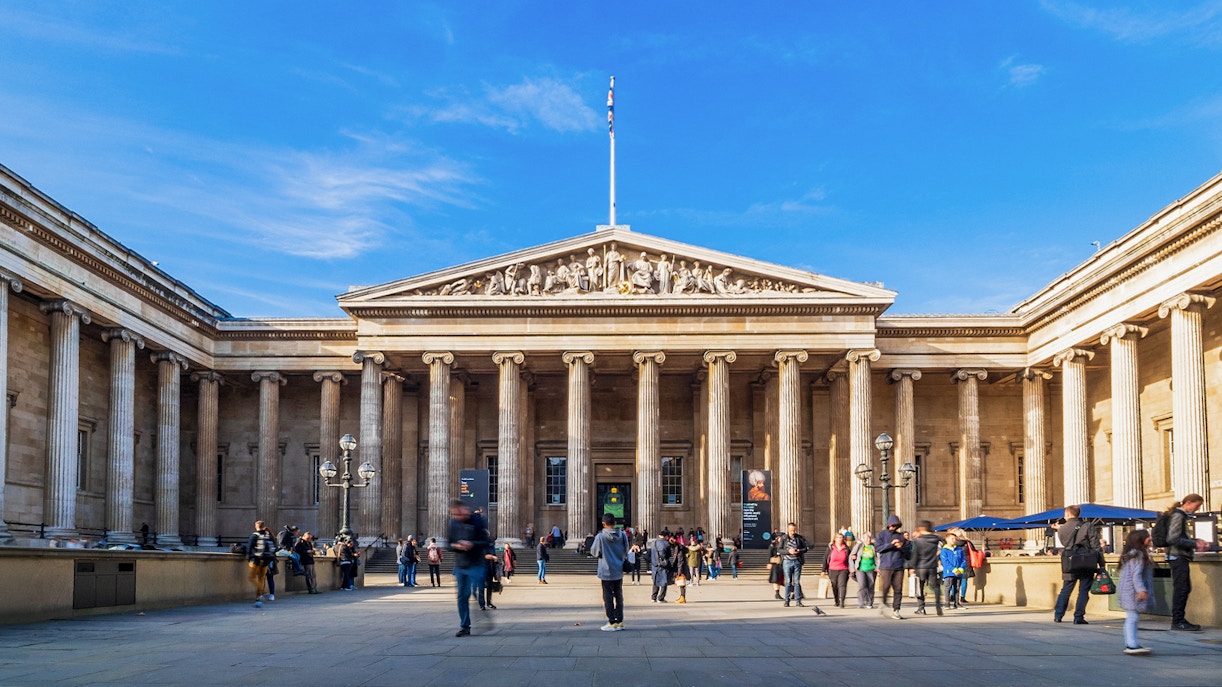
The Egyptian mummies at the British Museum offer one of the most direct encounters with ancient burial culture in London. Located in Rooms 62–63 within the Egyptian Death and Afterlife galleries, the display brings together human and animal mummies, decorated coffins, and funerary objects that reveal how ancient Egyptians prepared for life beyond death.
The gallery functions as both an archaeological record and a scientific study, combining preserved remains with modern imaging techniques that uncover details about ancient health, ritual practice, and burial traditions without disturbing the artefacts.
Mummies at the British Museum: Overview
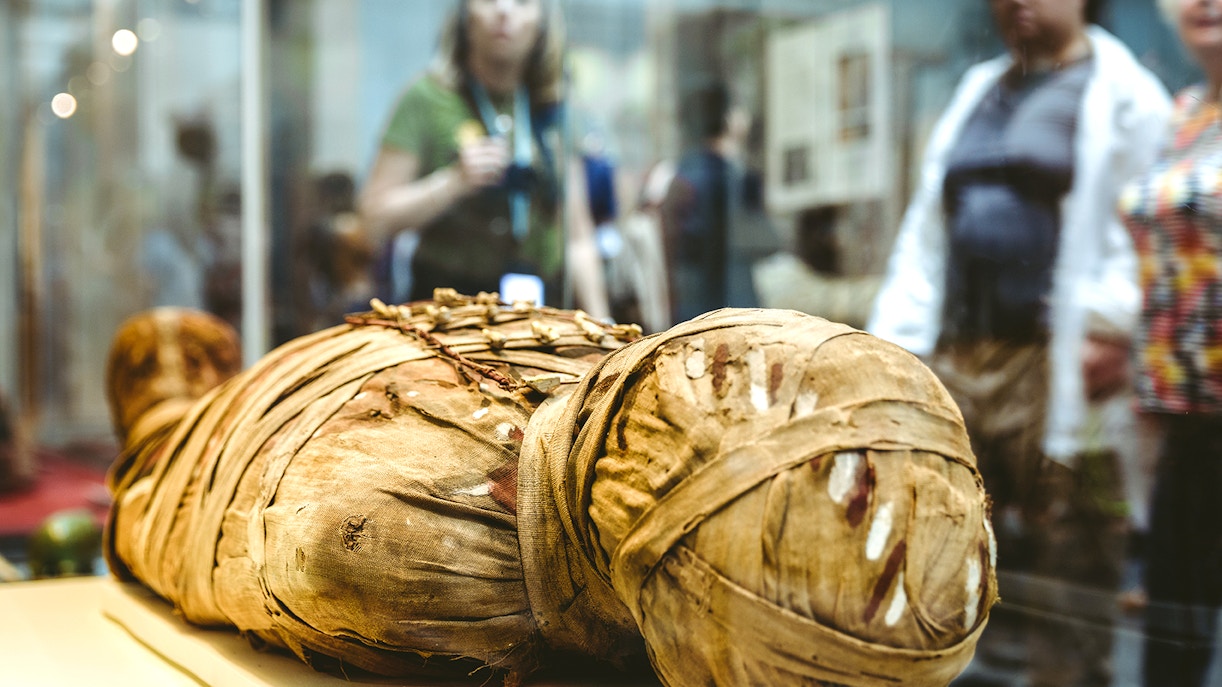
What to expect at the British Museum mummy galleries
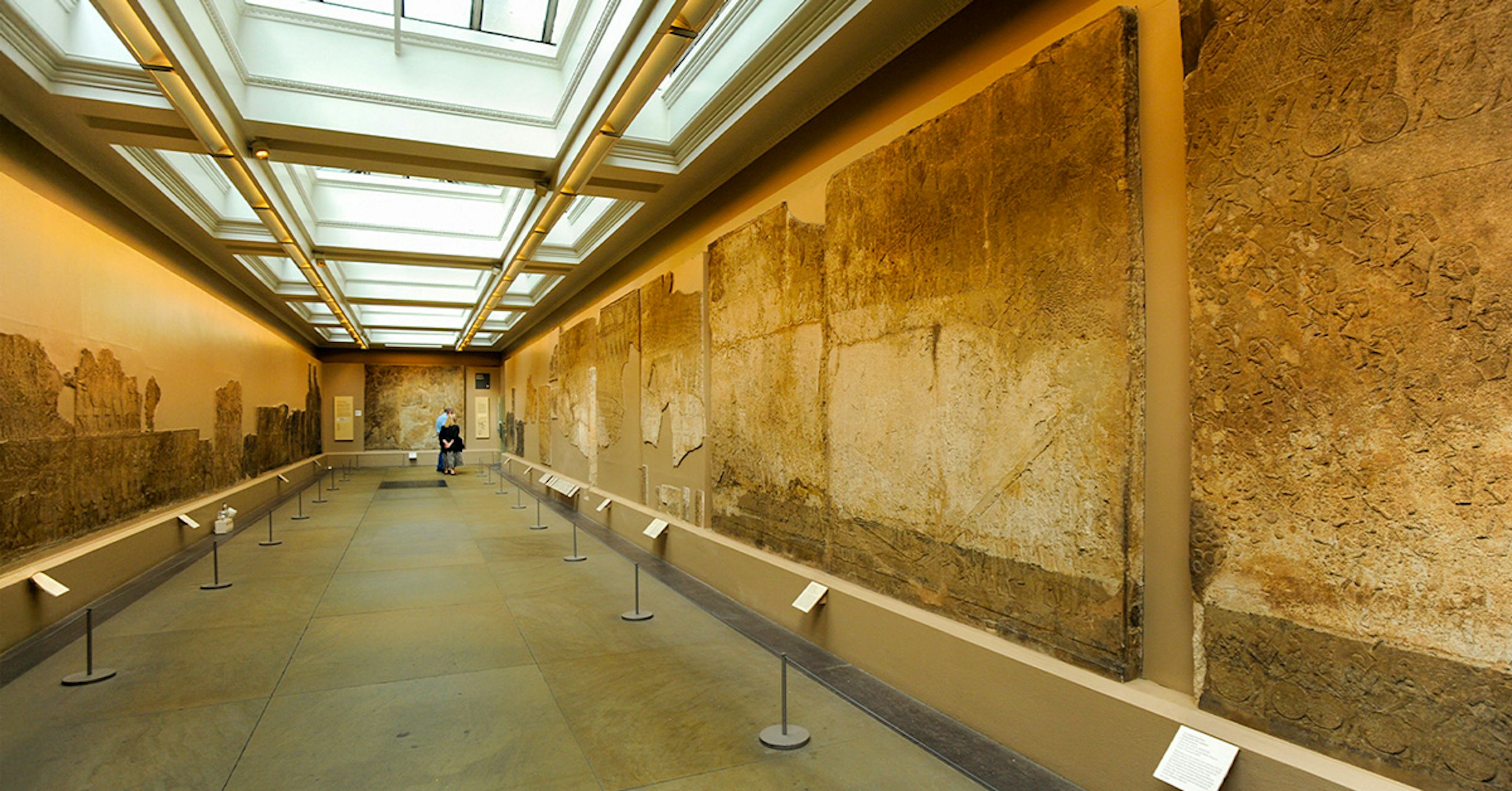
1/6
Explore ancient Egyptian beliefs about death
Step into Rooms 62–63 and begin a journey through ancient Egyptian beliefs about death, preservation, and the afterlife. The gallery immediately sets a reflective tone, with displays that bring together human history, ritual practice, and archaeological discovery.
Encounter real mummies up close
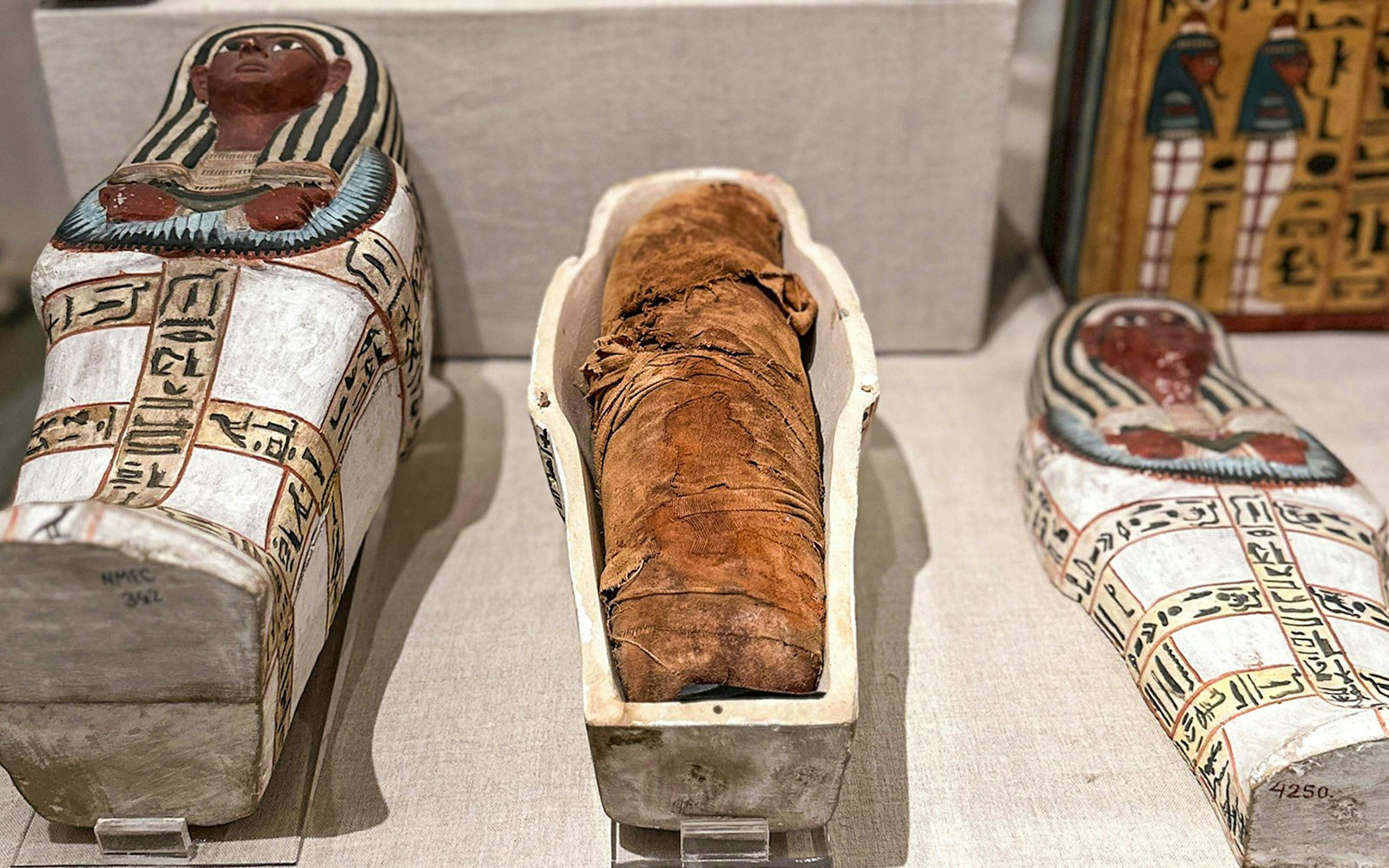
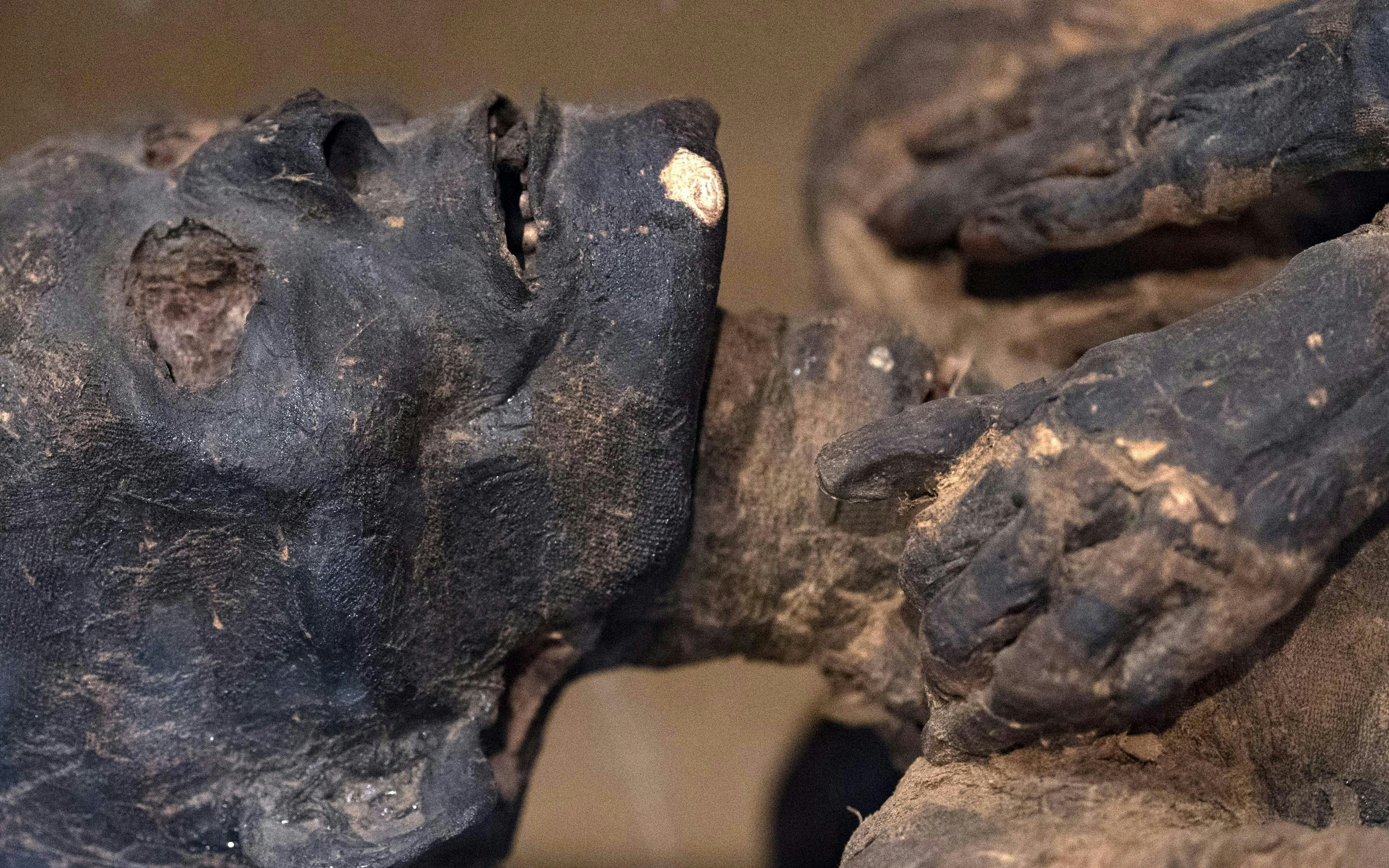
Move through carefully arranged displays of human and animal mummies, shown alongside decorated coffins. Painted surfaces, inscriptions, and burial coverings reveal how the body was prepared and protected for its journey into the afterlife.
Discover burial objects and ritual offerings
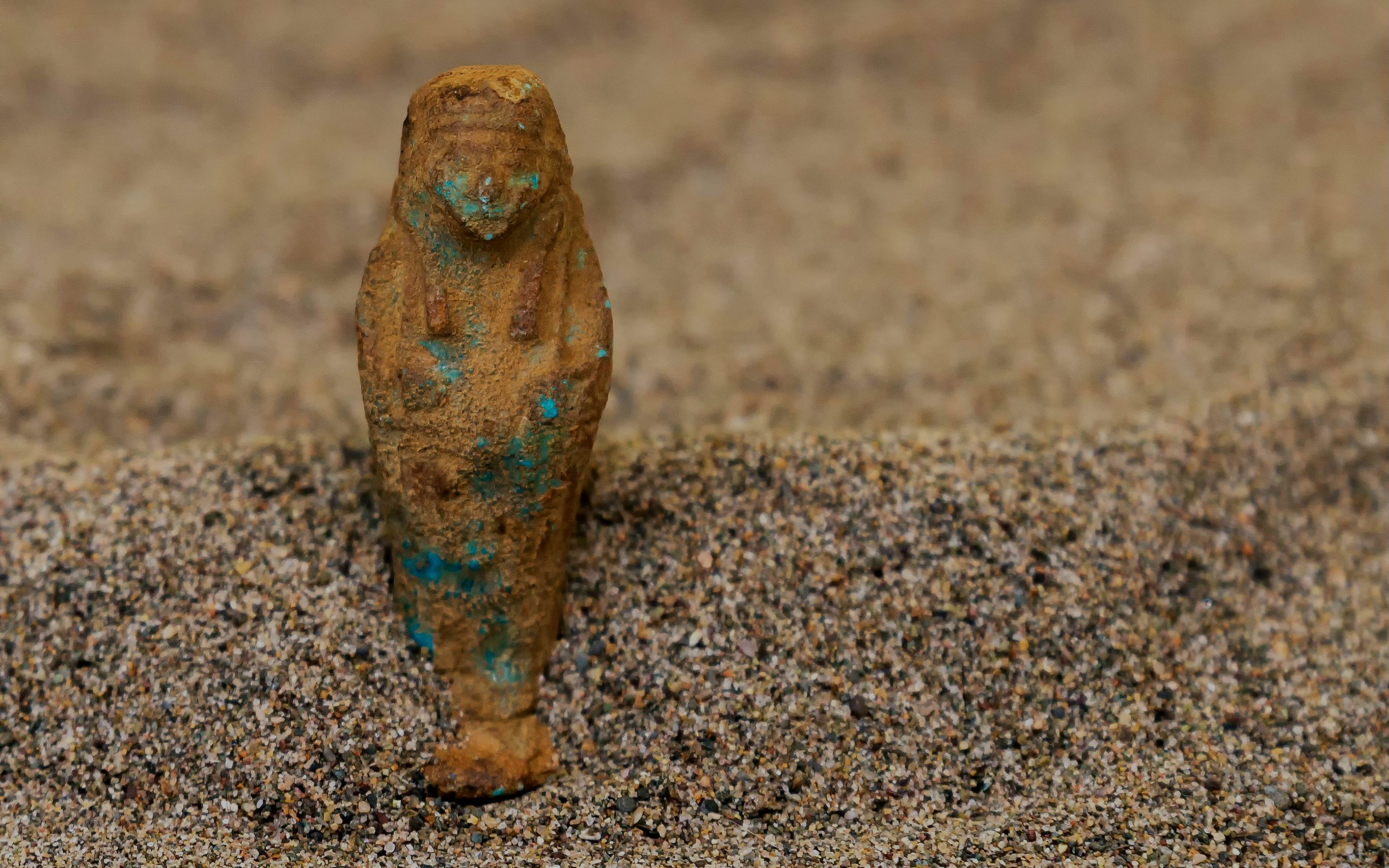
As you continue, the focus shifts to objects placed inside tombs. Amulets, shabti figures, and ritual items explain how ancient Egyptians believed the dead would be supported in the next world, forming a complete picture of funerary practice.
Observe decorated coffins and symbolic detail
Elaborately decorated coffins become a central visual highlight of the experience. Their painted imagery, religious symbols, and protective texts reflect beliefs about rebirth and the journey beyond death.
See science reveal ancient lives
Modern conservation techniques add a contemporary layer to the experience. CT scans and imaging displays reveal what lies beneath the wrappings, offering insight into health, age, and ancient mummification methods without disturbing the remains.
Continue into the wider Egyptian collection
Exit the mummy galleries into the broader Egyptian world of sculpture, artefacts, and historical displays. The experience naturally extends into surrounding rooms, helping place burial traditions within the wider context of ancient Egyptian civilisation.
Why visit the mummies at the British Museum?
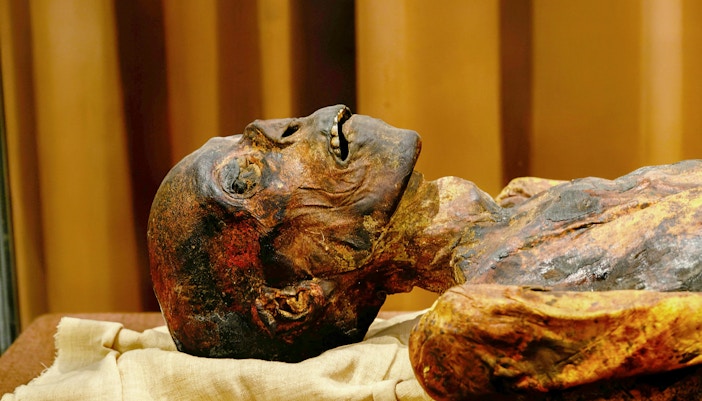
A direct encounter with ancient beliefs
Mummification was central to ancient Egyptian religion, based on the belief that the body needed to be preserved for the soul to continue its journey after death. The British Museum depicts this through its showcase of texts and burial practices that were designed to guide the deceased into the afterlife.
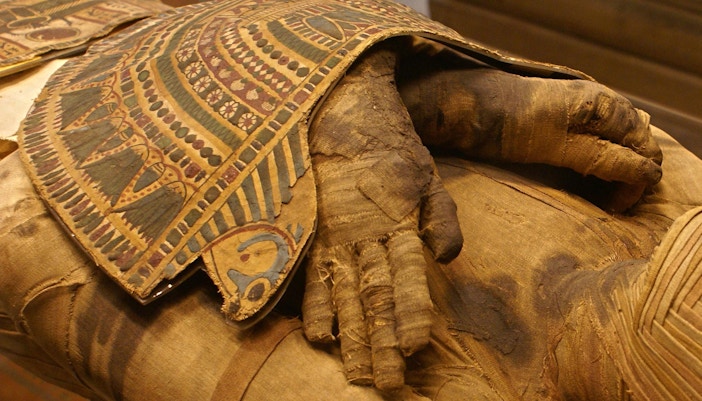
The mummification process
The mummification process involves embalming the body, removing internal organs, dehydrating it using natron, and wrapping it carefully in linen. These steps were often accompanied by amulets and inscriptions placed to ensure protection and rebirth in the afterlife.
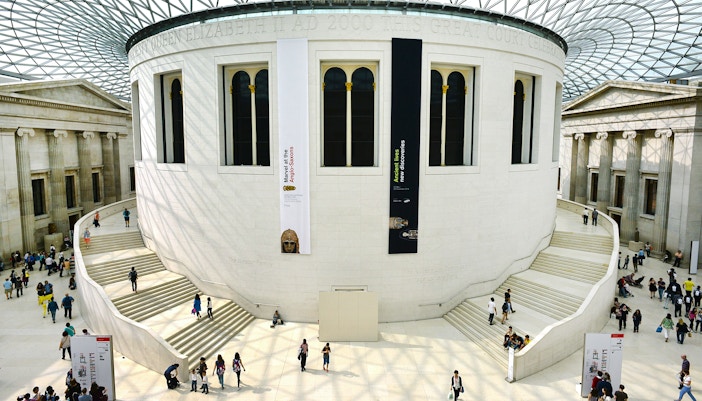
See science reveal ancient lives
The British Museum’s collection allows you to explore mummies through modern techniques such as CT scanning and imaging. These methods reveal hidden details about health, age, disease, and mummification practices without disturbing the remains.
Society, status, and identity
What’s interesting is that burial style and coffin decoration often reflected a person’s social position, wealth, and role in society. Across the galleries, differences in materials and tomb objects show how status shaped preparation for the afterlife.
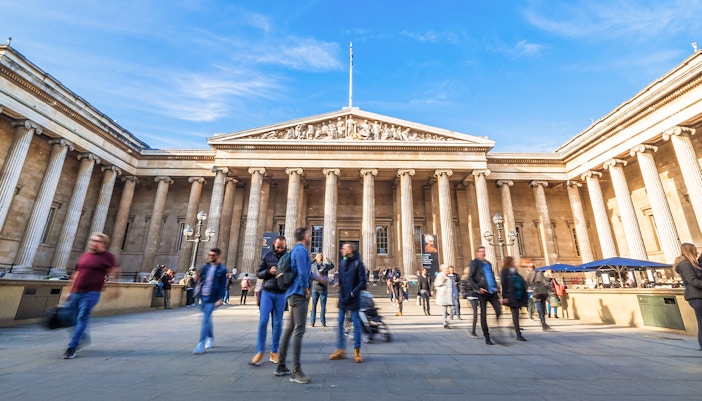
Ancient beliefs to modern science
Finally, the British Museum’s mummy collections help explain why these remains still matter today. Seeing them in person shows how archaeology, science, and preservation come together to reveal ancient lives in a way that written history alone cannot.
Top highlights inside the British Museum mummy galleries
Book of the Dead papyri fragments
Ancient funerary texts containing spells and illustrated scenes that were placed in tombs to guide the deceased through the afterlife, including the judgment before Osiris.
Other insights to explore at the mummy galleries
Science behind mummification techniques
Modern research uses CT scanning and imaging technology to study mummies without unwrapping them. These methods show internal structures and embalming techniques, offering insight into ancient Egyptian medicine and preservation science.
What this reveals:
- How advanced non-invasive research methods preserve fragile remains
- Differences in preservation quality across individuals and time periods
- How science is reconstructing ancient health patterns
Animal mummies and sacred symbolism
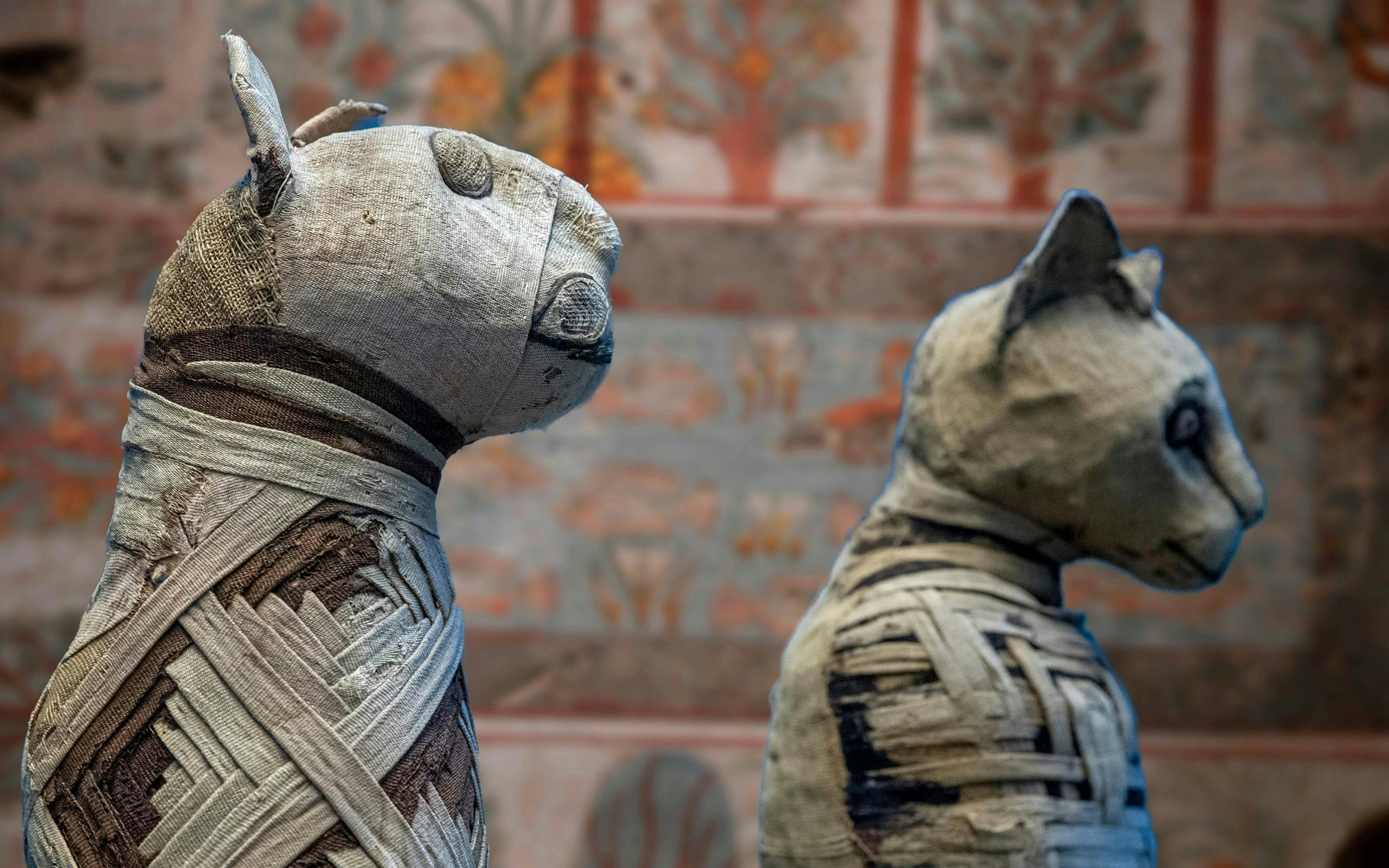
Animals such as cats, crocodiles, and birds were mummified as part of religious practice. They were linked to specific deities and used as offerings or symbolic companions in the afterlife journey.
What this reveals:
- Animals played a direct role in religious worship, not just burial
- Different species carried distinct spiritual meanings
- Ritual practice extended beyond humans into sacred animal offerings
Egyptian beliefs about the afterlife journey
Ancient Egyptians believed the soul passed through judgment before entering the afterlife. Texts such as the Book of the Dead describe spells and rituals meant to guide and protect the deceased.
What this reveals:
- Burial practices were driven by moral and spiritual judgment beliefs
- Funerary texts acted as “instructions” for the afterlife
- Objects and rituals were designed for spiritual protection
Who created the mummies at the British Museum?
The mummies were created by ancient Egyptian embalmers, skilled specialists who used organ removal, natron dehydration, and linen wrapping as part of a carefully controlled preservation process. These practices were deeply tied to religious belief and the importance of preparing the body for the afterlife.
Visitor tips to see the British Museum mummy galleries at their best
- Visit early in the day: Visit early in the day to avoid peak crowds, especially in the Egyptian rooms, where footfall is highest around midday. Starting earlier also helps you experience a calmer, more reflective atmosphere.
- Use signage or the museum map: Use the museum map or follow clear signage to reach Rooms 62–63 efficiently, as the Egyptian galleries are spread across a large museum layout and can take time to navigate.
- Allow enough time: Allow at least 30–40 minutes for the mummy galleries alone, and plan extra time if you want to explore nearby Egyptian collections such as coffins, sculptures, and ritual artefacts for added context.
- Explore the wider Egyptian route first: Explore surrounding Egyptian galleries before entering Rooms 62–63, so you understand the broader context of artefacts leading into burial practices.
- Take your time: A slower, unhurried visit enhances understanding of how objects connect to Egyptian beliefs about death, preservation, and identity.
Frequently asked questions about the British Museum mummies
Yes, the collection includes genuine human and animal mummies from ancient Egypt.
They are displayed in Rooms 62–63 within the Egyptian Death and Afterlife galleries.
Yes, access to the mummy galleries is included with standard British Museum admission.
Yes, photography is generally allowed, but flash is discouraged to protect the exhibits.
Yes, but parental guidance is recommended, as human remains are on display.
Most visitors spend around 30–40 minutes exploring the mummy displays and related artefacts.
Early morning or late afternoon is best for a quieter and more comfortable experience.


