






A brilliant experience, interactive for all ages and great for toddlers too! Well worth the money! Definitely would come again
Y
Yasser G
United StatesFamily
5/5
3 weeks ago
We had a great time, the tea was great and the sweets were delicious, we had some champagne and after the tea a walk on the dek to enjoy the view.
A
Angelo P
Couple
5/5
3 weeks ago
+3 more
No problems getting in, and a spectacular tour of the tower overlooking the river and the bridge—seeing it from above, the machine room, the historical narrative, and the video were all great. The only downside is that, unfortunately, too many people linger on the glass walkway, taking photos and selfies nonstop for far too long, getting in the way of those who just want to snap a photo or two and move on. We really need a staff member to limit how long people can stay there.
B
Betelihem G
United KingdomGroup
5/5
3 weeks ago
+2 more
We booked 2 hours before and glad to find available tickets enjoyed the visit on Tower Bridge even though a bit scary walking on the glass bridge for me I enjoyed it my friends enjoyed it as well they came all the way from Italy and learn about the bridge of great history totally recommend it and I will definitely go back again. Thank you very much
F
Flordeliza H
United KingdomCouple
5/5
3 weeks ago
The Guide Lady, called Christina, if we were right was absolutely excellent. From her A - Z history knowledge was so impressive. Every detail was explained with precision. Thank you @ Christina 11:00 Guided Tour slot 5th May 2026 .
V
Veronique P
BelgiumCouple
5/5
3 weeks ago
+1 more
It was a really fun and interesting tour, but unfortunately we couldn't see everything because we had a ticket for London Bridge afterward, so we'll be back to see the rest
N
Nadir C
United KingdomFamily
5/5
3 weeks ago
+1 more
Tour guides along the Thames were fantastic and the ride was amazing as you saw parts of London you can't get to see at once. Greenwich had plenty of history and the walk to the observatory gave you great views of London. Kids had a great day out full of memories.
A
Anna K
PolandCouple
5/5
3 weeks ago
+5 more
The time allocated to the attractions was very well planned - we didn't feel rushed and saw everything we wanted to. The guide was very friendly and spoke clearly, which made us feel comfortable and cared for. We highly recommend this tour.
A museum staff member or trained volunteer guide adds the missing context behind the British Museum’s biggest objects. Instead of simply stopping at the Rosetta Stone or Parthenon Sculptures, you’ll understand why they changed scholarship, politics, and public debate.
✔ Use your time intelligently
The British Museum is vast, and first-time visitors can lose a lot of time deciding where to go next. A structured route helps you cover Room 4, Room 18, and the mummy galleries without zigzagging across the building or burning energy too early.
✔ Beat the worst bottlenecks
A guide can’t remove the security check, but they can help you move through the museum with purpose once you’re inside. That matters most around the Rosetta Stone and central corridors, where mid-morning and midday crowds can slow independent visits.
✔ Ask questions that matter to you
Live tours turn the museum from a visual checklist into a conversation. If you want to know why the Parthenon Sculptures are controversial, how mummification worked, or what makes Sutton Hoo important to British history, you can ask on the spot.
What to expect on a guided tour of the British Museum
1/5
Enter through the main entrance and clear security
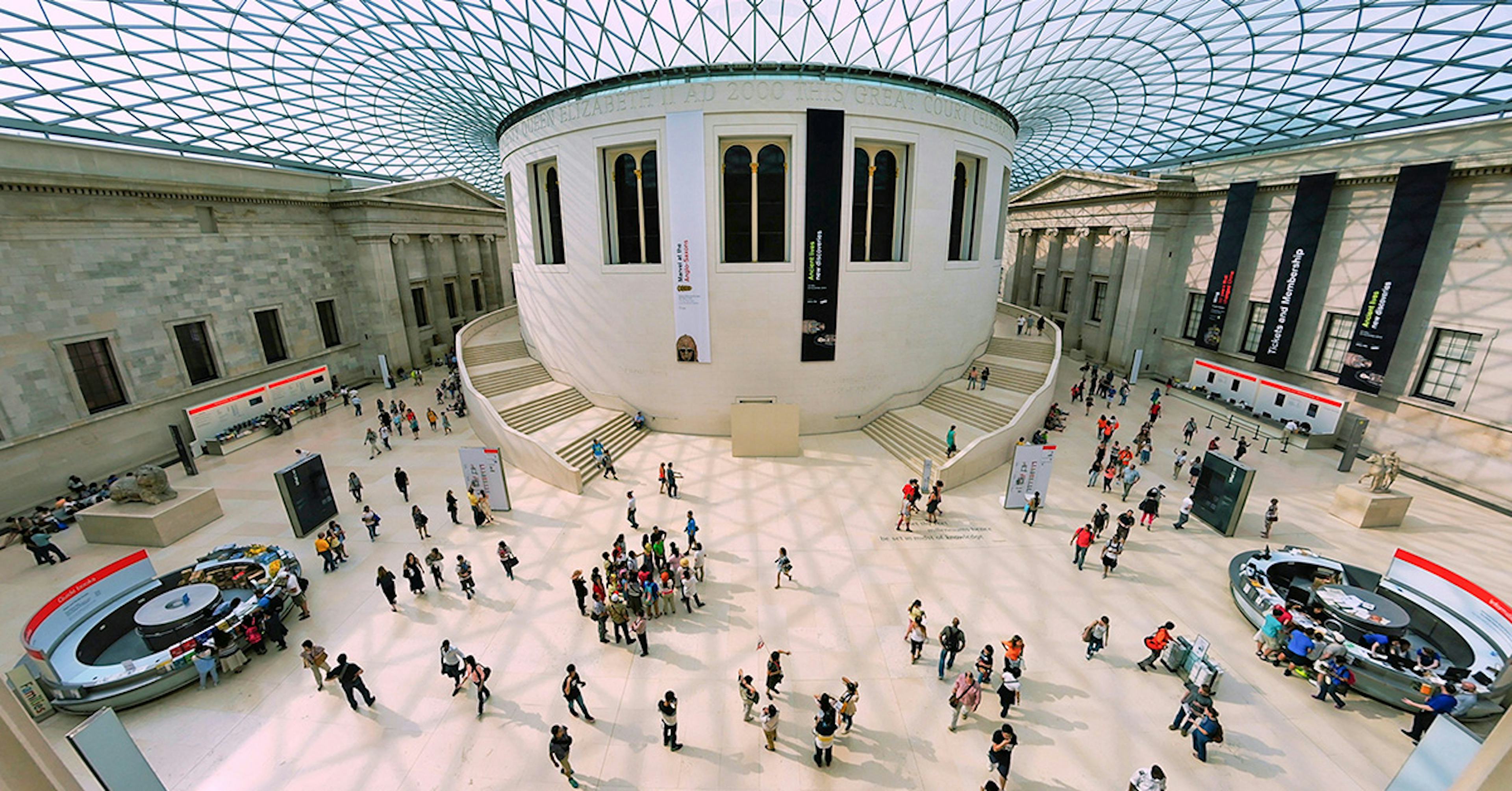
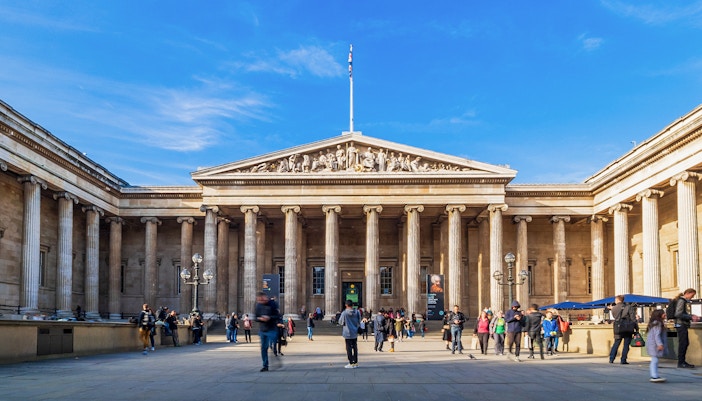
Most visits begin at the Great Russell Street entrance with your free timed-entry reservation ready to scan. After a bag check, you step into the Queen Elizabeth II Great Court, the museum’s central hub. If you’re doing a longer route, expect around 1.5–2km (0.9–1.2 miles) of walking across multiple galleries.
Start strong with the Rosetta Stone
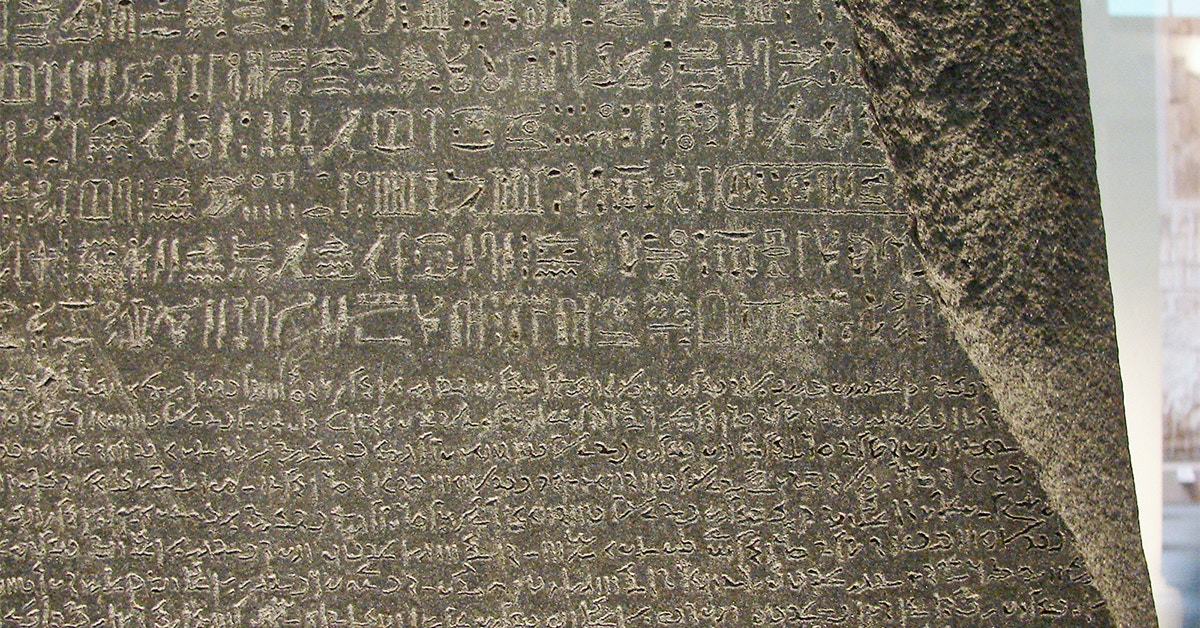
A highlights route usually heads early to Room 4, the Egyptian Sculpture Gallery, before the area becomes shoulder-to-shoulder. This is where the Rosetta Stone sits behind glass, drawing some of the museum’s heaviest crowds. A guided explanation helps you move past the photo stop and understand why this inscription transformed the study of ancient Egypt.
Move into Classical Greece in the Duveen Gallery
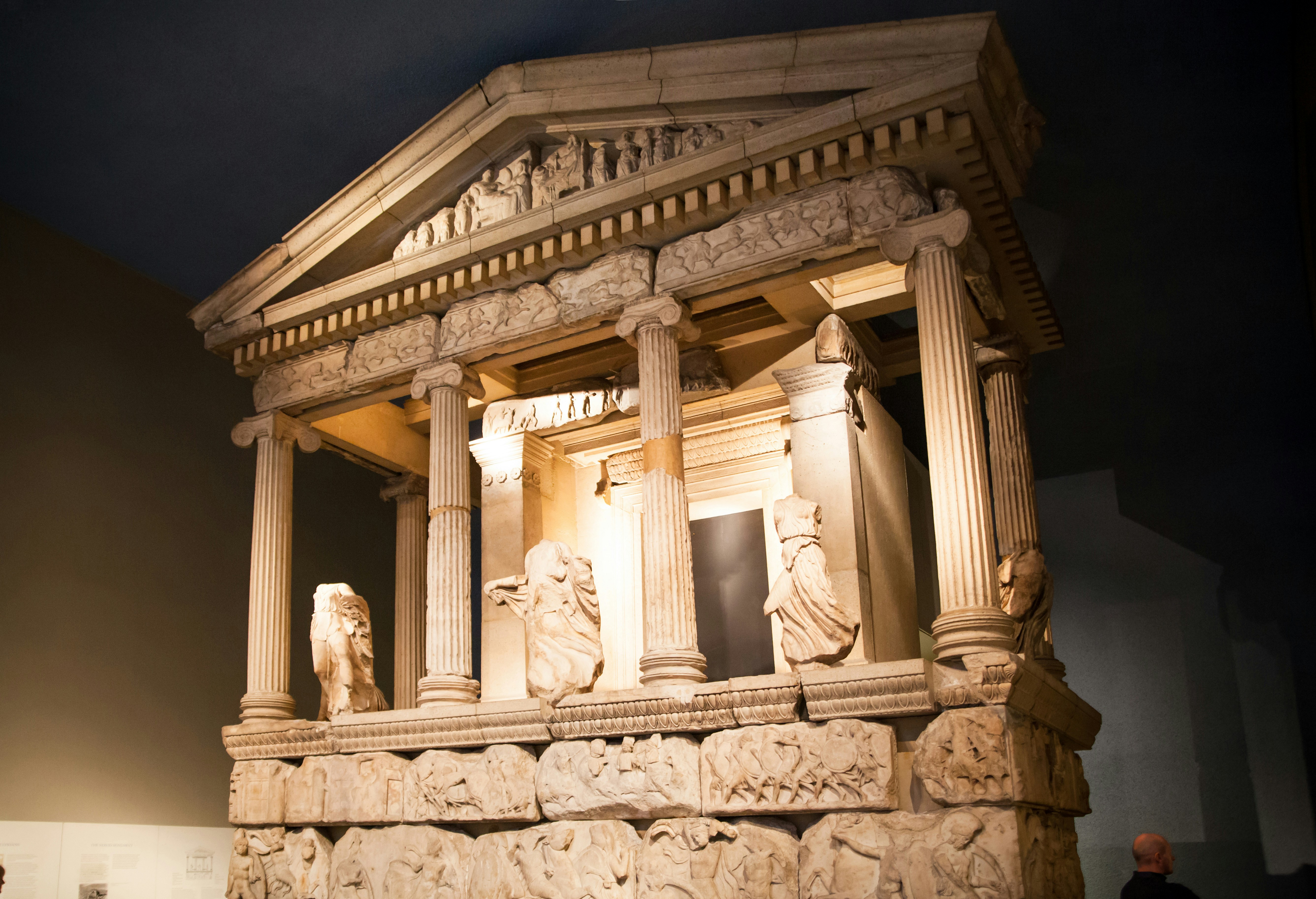
From Egypt, many tours continue to Room 18 for the Parthenon Sculptures. The long Duveen Gallery gives the visit a different rhythm: fewer cases, bigger sightlines, and time to study marble friezes, gods, horses, and battle scenes. This is usually where the museum’s wider questions about collecting, empire, and ownership become more visible.
Continue to the mummy galleries and deeper cultural context
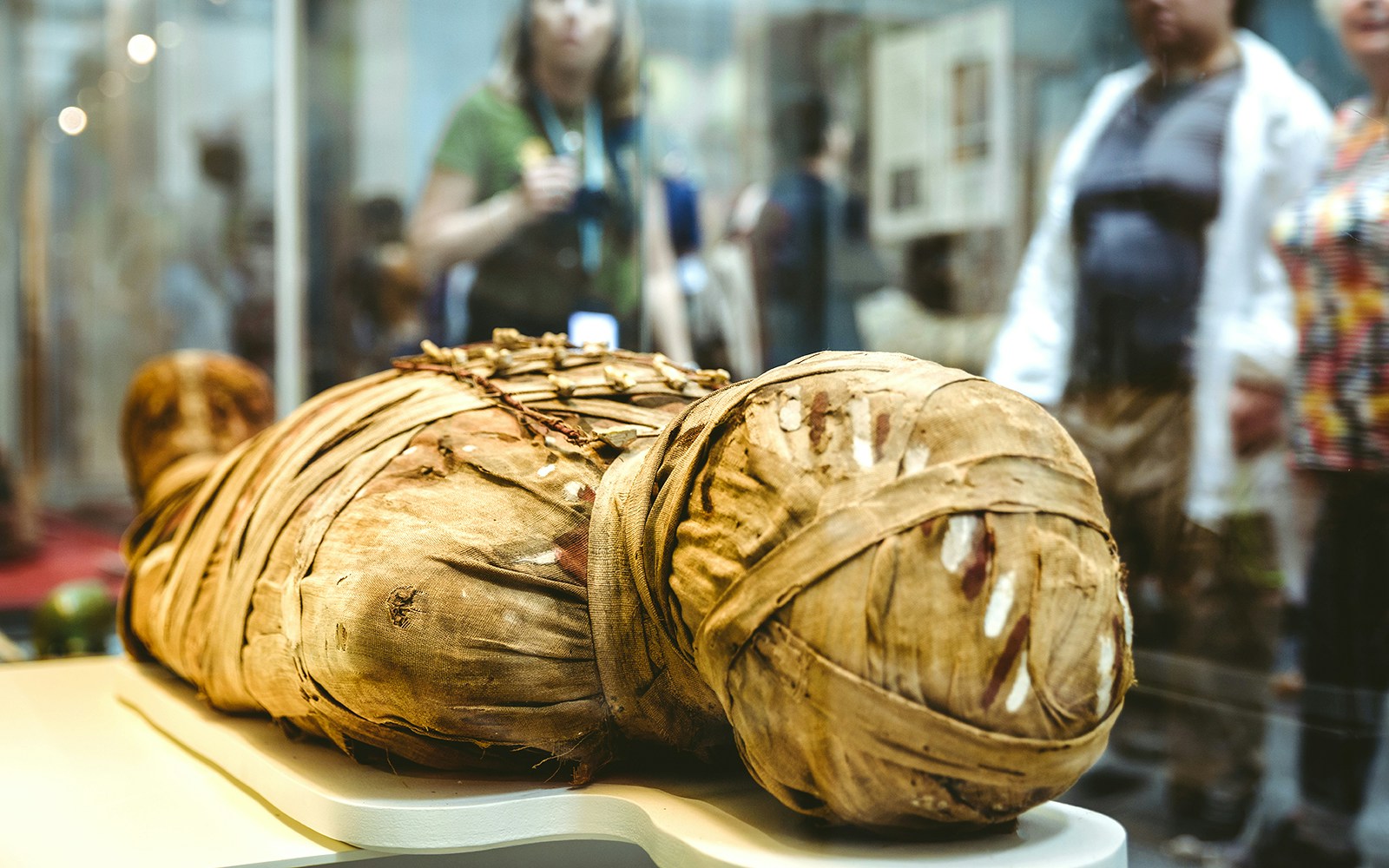
Rooms 62–63 shift the visit from public monuments to private beliefs about death, burial, and the afterlife. Coffins, masks, and preserved bodies make this part especially memorable for families and first-time visitors. Depending on the format you choose, the route may then branch into Ancient Britain, African heritage, or architecture-focused storytelling.
Finish in the Great Court, then stay if you want
Many shorter tours end back near the Great Court, which makes it easy to pause for coffee, browse the shop, or head back into quieter galleries. If something caught your interest earlier, you can continue on your own after the guided portion and spend more time in rooms that felt rushed the first time through.
Which guided tour is best for you
Official highlights tour
Duration: 90 min Group Size: Up to 20 people Languages: English
This is the clearest fit for first-time visitors who want the British Museum’s biggest objects without spending half a day navigating. The route is built around the museum’s best-known rooms, including the Rosetta Stone, Parthenon Sculptures, and Egyptian galleries. Because the tour is short and structured, it works well if the museum is one stop in a bigger London day. It’s also the easiest format if you want context, but don’t need a deep academic dive into every gallery.
Free themed tours
Duration: 60–70 min Languages: English
These tours suit visitors who already know the blockbuster objects and want a tighter theme instead. The museum’s LGBTQ and African heritage tours focus less on ‘top 10’ highlights and more on interpretation, identity, and overlooked connections across the collection. Choose this format if you’ve been before, care about a specific subject, or want a route that feels more focused than a general highlights circuit.
Great Court and Reading Room spotlights
Duration: 20–40 min Languages: English
This is the best fit if architecture interests you as much as artifacts, or if a full 90-minute walk feels too long. These shorter tours focus on the history of the museum building itself, especially the Great Court and former Reading Room. They work well for visitors with limited time, anyone pairing the museum with another Bloomsbury stop, or travelers who want a lighter introduction before exploring independently.
Self-guided audio visit
Duration: 1.5–3 hr Group Size: 1 person Languages: English
If flexibility matters more than live discussion, the audio guide is the better choice. You can move at your own pace, linger in the Egyptian galleries, skip areas that don’t interest you, and build a route around your own priorities. This format works especially well for repeat visitors, independent travelers, and anyone who prefers a quieter museum experience without matching a group’s pace.
Highlights covered on the tour
1. Rosetta Stone
Location: Room 4, Egyptian Sculpture Gallery
This inscribed granodiorite stele unlocked the reading of Egyptian hieroglyphs. It’s the museum’s biggest crowd magnet, so early viewing matters.
Things to keep in mind when you go on a tour
Great Court café: In the Great Court; useful for coffee, light meals, and a mid-visit break between major galleries.
Lockers: Small coin-operated lockers are available for compact bags; there is no staffed cloakroom for large luggage.
Restrooms: Available in the museum, but lines can build quickly during peak hours.
Wi-Fi: Free Wi-Fi is available, which helps if you’re using the museum’s digital tools or audio guide.
Timed-entry reservation: General admission is free, but a prebooked slot helps during busy periods and speeds up entry.
Phone and headphones: Useful if you’re using the museum’s paid audio guide instead of joining a live tour.
Light layer: Ventilation can feel uneven, especially when the building is crowded.
Comfortable shoes: A highlights route can still mean 1.5–2km (0.9–1.2 miles) of walking across multiple galleries.
Small bag only: Large luggage is a poor fit here because storage is limited to small lockers.
Bag checks are mandatory: Every visitor passes through security before entering the museum.
Photography is allowed for personal use: Flash is not permitted on sensitive objects.
Do not touch artifacts or display cases: This protects fragile materials across the collection.
Keep phones on silent: Sound carries easily in the busier central galleries.
Stay aware of barriers and room flow: Crowding is common around Room 4 and other headline objects.
Go to Room 4 early: The Rosetta Stone is easiest to view right after opening or later in the day.
Use a highlights route first: It’s the smartest way to avoid decision fatigue in a museum this large.
Pair busy rooms with quieter ones: After Egypt and Greece, head to Room 33 or the Ancient Britain galleries to reset.
Late openings can help: Late-day visits are often calmer for the Parthenon Sculptures than midday slots.
Families should borrow a backpack: The museum’s activity backpacks help children stay engaged for around 1.5 hours.
Wheelchair access: The museum is wheelchair-accessible, with ramps and lifts across public areas.
Wheelchair loan: Free wheelchairs are available with advance booking.
British Sign Language support: BSL tours and related support are available on request.
Shorter tour choice: The 20–40 minute spotlight formats are easier than a full 90-minute route if standing time is a concern.
Crowd planning matters: Room 4 and central corridors are the hardest areas to navigate comfortably at peak times.
Frequently asked questions about British Museum guided tours
A guided tour is better if you want structure, live questions, and a clear route through the museum’s most important rooms. The audio guide is better if you want to control your pace, spend longer in certain galleries, or skip sections without keeping up with a group.
The museum offers a paid 90-minute highlights tour, free themed tours such as LGBTQ and African heritage routes, and shorter Great Court or Reading Room spotlights. There’s also a paid audio guide for visitors who want commentary without joining a live group.
You don’t pay for general admission, but a free timed-entry reservation is still recommended. It helps manage crowds and makes entry smoother, especially in summer, on weekends, and during school-holiday periods when the museum feels noticeably busier.
Not in the way travelers usually mean it. You may avoid some waiting by reserving a timed entry in advance, but everyone still goes through security. The main time-saving benefit of a guided tour is the route inside the museum, not bypassing all entry procedures.
Late arrival is risky because the museum still has bag checks and the guide won’t usually hold the group. Aim to reach the entrance at least 15–20 minutes before your tour starts so security, orientation, and finding the meeting area don’t eat into your booked time.
Expect about 1.5–2km (0.9–1.2 miles) of walking on a standard highlights visit, plus long stretches of standing. Even a short route covers major galleries that are spread out, so the British Museum usually feels more physically demanding than a small single-floor museum.
Yes, if you choose the right format. A 60–90 minute highlights route works better for older children than a long self-directed visit, and the museum’s family backpacks help keep younger visitors engaged. Very young children may do better with a shorter spotlight or a flexible self-guided visit.
It can be, especially if you pick a shorter tour. The museum is wheelchair-accessible and has lifts, but the building is large and crowding around headline objects can slow movement. If 90 minutes sounds long, the shorter architecture spotlights are the easier option.
Official tours are led by museum staff members or trained volunteer guides. That means the commentary is grounded in the museum’s collection and designed around interpretation, history, and context rather than a generic city-tour script.
The 90-minute highlights tour is broad rather than exhaustive. It gives you strong context for major objects like the Rosetta Stone, Parthenon Sculptures, and Egyptian mummies, while themed tours go deeper into one subject. The audio guide sits somewhere in between, depending on how long you spend listening.
Yes. That’s one of the strongest reasons to choose a live tour over an audio guide. If you want more detail on mummification, the Sutton Hoo burial, or the debate around the Parthenon Sculptures, a live guide can respond in real time.
Yes. Once the guided portion ends, you can continue through the museum independently for as long as you like during opening hours. That’s a smart way to revisit rooms that felt crowded earlier or spend extra time in quieter galleries such as the Asian collections.
Usually not. General admission covers the permanent collection, but major temporary exhibitions are separately ticketed. If a special show matters to you, treat it as an additional booking rather than assuming it comes with a highlights tour or timed-entry reservation.
More reads
Not applicable
Getting to the British Museum
Plan your route, nearest stations, and best arrival options before your visit.
British Museum visitor information
Read opening hours, entry details, and practical tips for a smoother museum visit.
Top things to see at the British Museum
Explore the museum’s must-know objects, rooms, and collection highlights before you go.
British Museum Guided Tours
Crafted by Headout, a global experiences brand offering curated tours, tickets & experiences. Discover with ease, book with peace.
4.6/5
157 travellers from around the world love this
City Cards
Headout Pass London: Save up to 40% at All Top Attractions
London’s top attractions are popular and can sell out quickly, so booking the attractions early is highly recommended.
You can visit each attraction only once.
Opening hours and terms for some attractions may change occasionally, so it’s a good idea to check the attraction’s website before your visit.
Headout AI-powered audio guide is compatible only with iPhone & is available only in English.
See all attractions included in your Headout Pass London and their availability here.
Free cancellation: You can get a 100% refund if you cancel your pass before reserving your first attraction.
Free cancellation anytime before the start of your experience
Free cancellation
Explore at your pace
Audio guide
Guided tour
Transfers available
Guided tour vs. audio guide
Both are valid ways to visit the British Museum, and the better choice depends on how you like to move through a museum. An audio guide gives you control — you can spend 20 minutes with the Rosetta Stone, skip ahead to Room 33, or pause whenever you want. A guided tour adds a fixed route, real-time questions, and a museum staff member or trained volunteer guide who connects Room 4, Room 18, and the mummy galleries into one coherent visit. For first-time visitors, that structure usually helps.
Private vs. small-group comparison
Not applicable
London’s top attractions are popular and can sell out quickly, so booking the attractions early is highly recommended.
You can visit each attraction only once.
Opening hours and terms for some attractions may change occasionally, so it’s a good idea to check the attraction’s website before your visit.
Headout AI-powered audio guide is compatible only with iPhone & is available only in English.
See all attractions included in your Headout Pass London and their availability here.
Free cancellation: You can get a 100% refund if you cancel your pass before reserving your first attraction.
Inclusions
#
Access to 2/3/4/5/6/7 attractions (as per option selected)
Choose from:
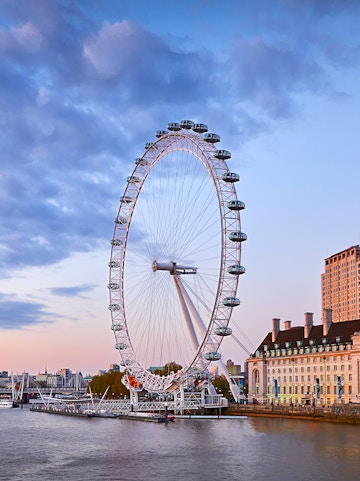
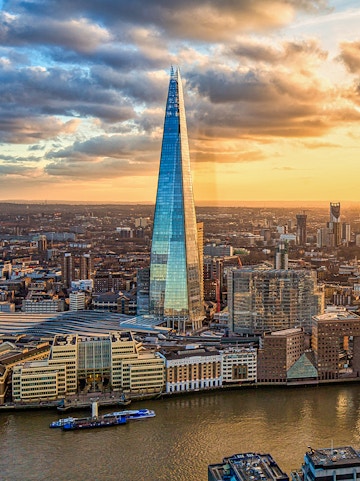
Top hits: London Eye, The Shard
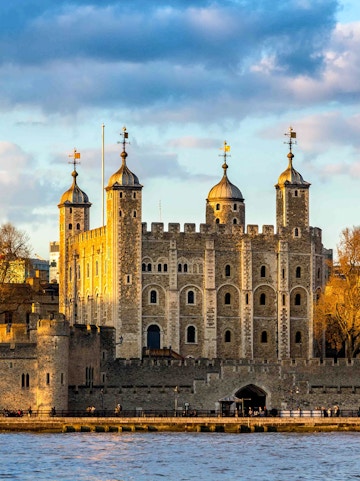
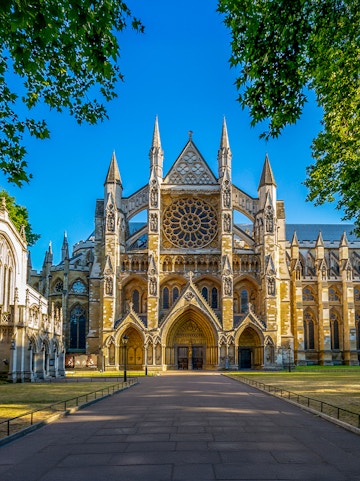
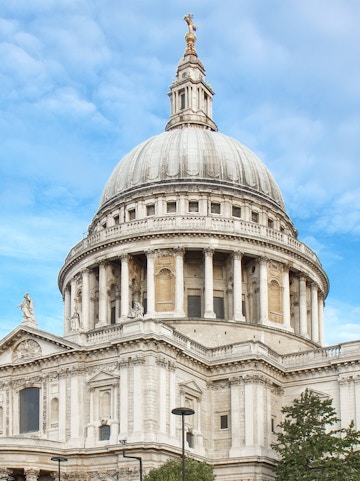
Landmarks & palaces: Westminster Abbey & Tower of London tour with Headout's AI-powered audioguide, St Paul’s Cathedral, Kensington Palace
Museums: Tate Modern, Moco Museum, The National Gallery & more
Zoos & aquariums: SEA LIFE London Aquarium, London Zoo
Bus tours & cruises: Hop-on-Hop-off with optional Thames cruise & more
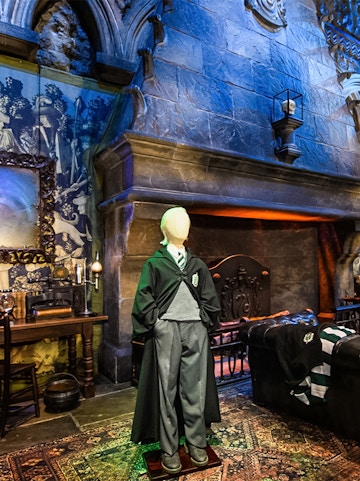
Guided tours: Harry Potter Walking Tour, Walking Tour of Westminster & Churchill's War Rooms
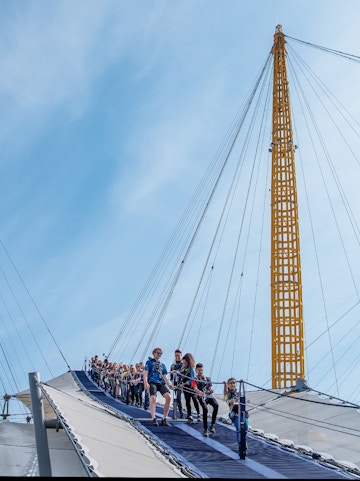
Unique experiences & activities: Up at The O2 Climb, Frameless London, Afternoon Tea at the British Museum