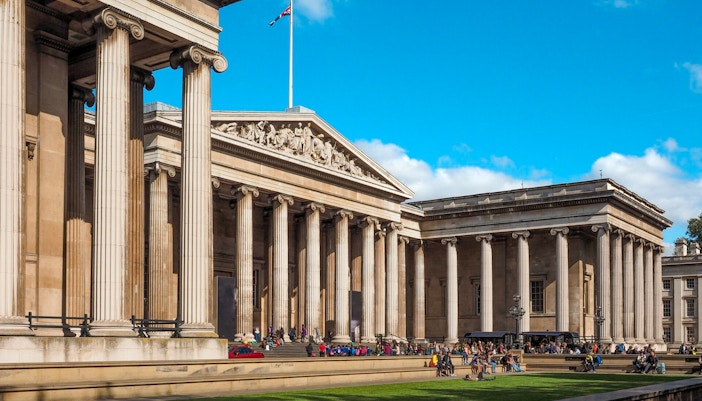
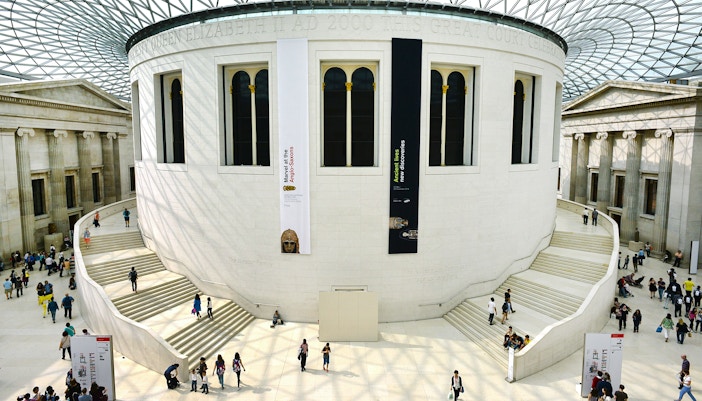
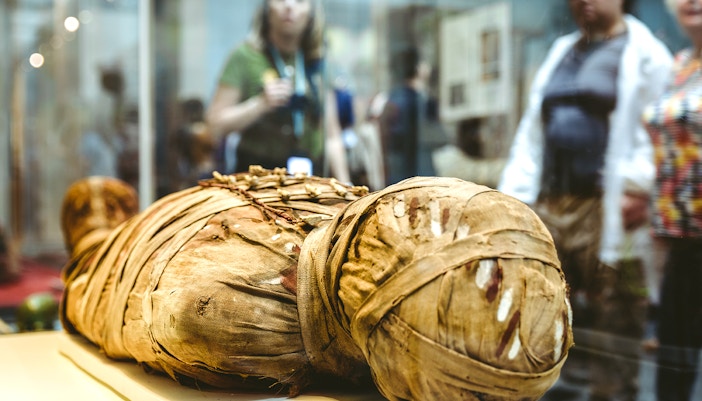
A guided tour or audio guide helps explain the significance of the inscriptions in detail, making it easier to understand how the same decree appears across three scripts. This adds important context on how scholars eventually used the stone to decode Egyptian hieroglyphs.
Witness the famous Rosetta Stone at the British Museum
The Rosetta Stone is a granodiorite slab created in 196 BC during the reign of Ptolemy V in the Ptolemaic Kingdom of Egypt, measuring around 112.3 cm in height and 75.7 cm in width. Originally intended for a temple setting in Egypt, it was rediscovered in 1799 and later brought to the British Museum, where it became the key to deciphering Egyptian hieroglyphs and transforming understanding of ancient history.
At the museum, it is displayed in Room 4, with access included in standard admission tickets. Undoubtedly, the most important and famous artefact in the collection, the Rosetta Stone, today stands as one of the most significant objects in linguistic and archaeological history, offering a direct link to the moment an ancient language was finally unlocked.
How to best visit the Rosetta Stone?
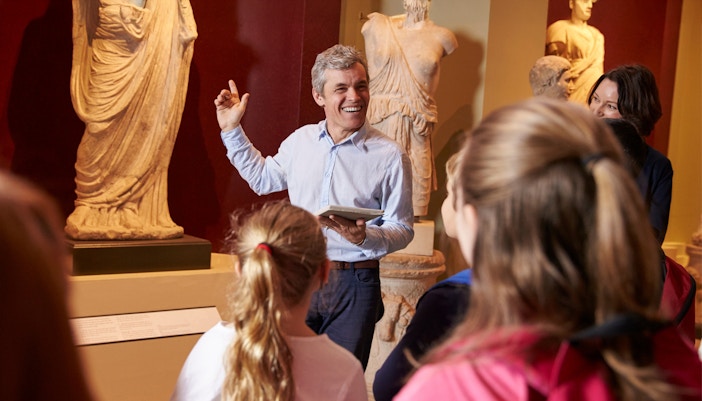
Enhance your visit with a guided experience
Best viewing angle and position
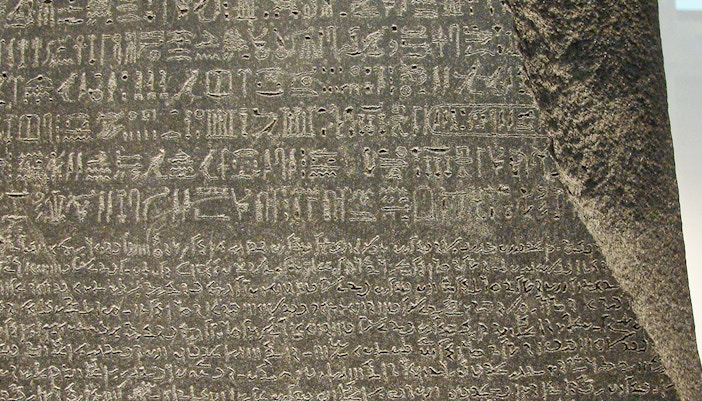
Stand directly in front of the Rosetta Stone to clearly view all three inscription bands. Moving slightly to either side helps reduce reflections on the protective glass and improves readability of the carved text.

What to observe closely
Look carefully at the differences between hieroglyphic, Demotic, and Ancient Greek scripts. The variation in carving style and spacing becomes more noticeable when viewed up close, revealing how the same message was adapted for different audiences.

Lighting, display, and atmosphere
The stone is displayed behind a protective glass case with controlled lighting to preserve the surface. While this limits natural reflections, slight angle shifts help reduce glare and make the inscriptions easier to read.
Best time to visit
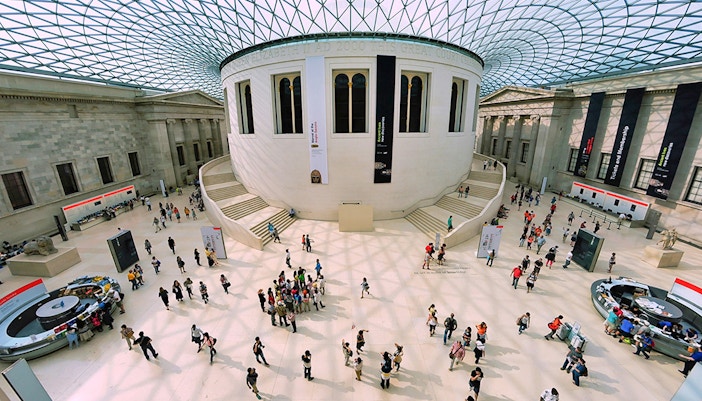
The gallery is typically busiest during midday when tour groups arrive. Early mornings or later in the afternoon offer a quieter experience with more space to view the stone comfortably.

Photography and additional tips
Photography is allowed without flash. Taking a few steps back helps capture the full slab in frame, while close viewing is better for reading inscriptions. Spending around 10–20 minutes is usually enough to appreciate the artifact without rushing.
Did you know?
The Rosetta Stone was discovered in 1799 by French soldiers during Napoleon’s Egyptian campaign. The stone dates back to 196 BC, during the reign of Ptolemy V in the Ptolemaic Kingdom of Egypt.
It is made of granodiorite and is a surviving fragment of a larger inscribed stela. The text is carved in three scripts—hieroglyphic, Demotic, and Ancient Greek—all expressing the same decree.
The inscription is a priestly decree issued at Memphis honouring King Ptolemy V, confirming his royal authority and granting tax exemptions, temple privileges, and religious honours to strengthen his rule.
The Ancient Greek text played a crucial role because it was already understood by scholars, helping them decode Egyptian hieroglyphs. Early progress was made by Thomas Young, who identified phonetic elements. Jean-François Champollion completed the breakthrough in 1822 using comparisons with Coptic.
The Rosetta Stone was originally part of a much larger slab, most of which has been lost over time. It was not the only copy of the decree; multiple similar stelae were likely erected across Egypt in temples.
The stone is not unique for its content but for being the key that allowed modern understanding of hieroglyphic writing.
Story behind the Rosetta Stone
Origin of the Rosetta Stone
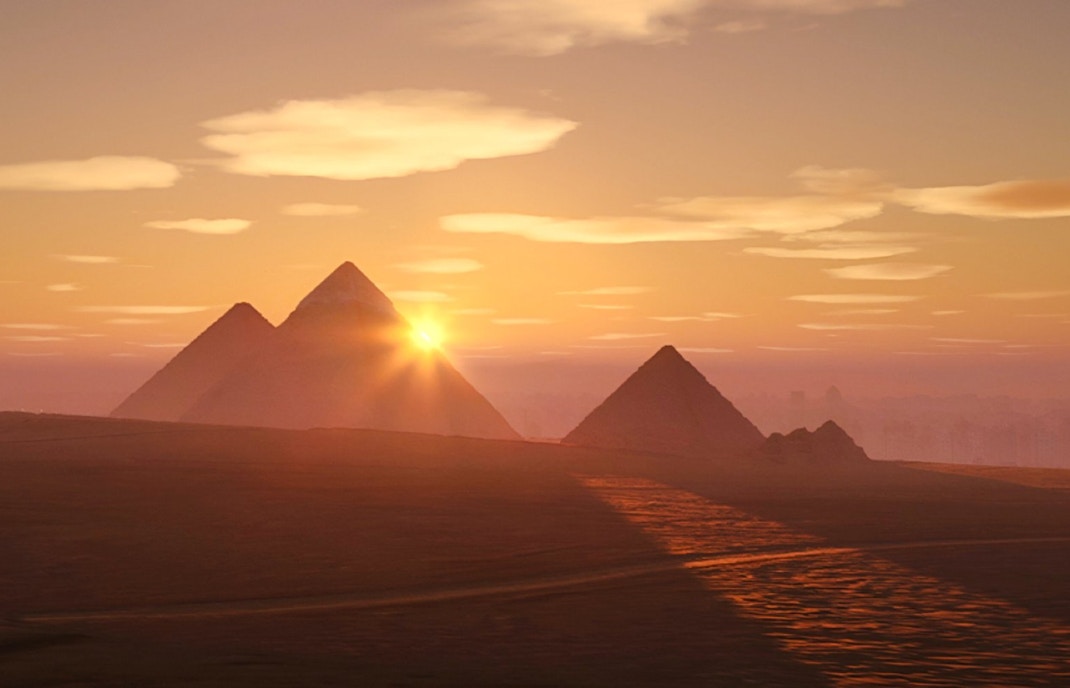
The Rosetta Stone was created in 196 BC during the reign of Ptolemy V Epiphanes in the Ptolemaic Kingdom of Egypt. It was issued as a priestly decree from a synod of Egyptian priests in Memphis, celebrating the king’s rule and reinforcing his authority. The inscription reflects the political and religious system where rulers were legitimised through temple support.
Creation and inscription process
The text was carved by Egyptian scribes rather than a single artist, following official temple practice. It was inscribed in three scripts—hieroglyphic, Demotic, and Ancient Greek—to ensure the decree could be understood by both elites and administrative authorities. The work was not artistic in intent but functional, focusing on clarity and authority rather than decoration.
Key events and rediscovery
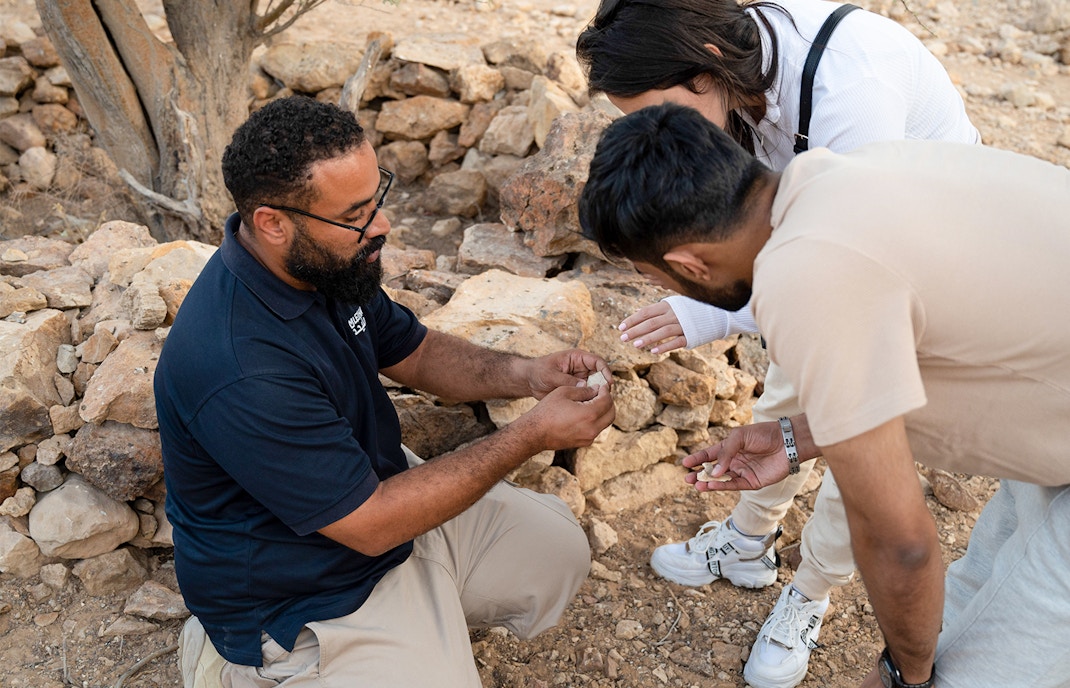
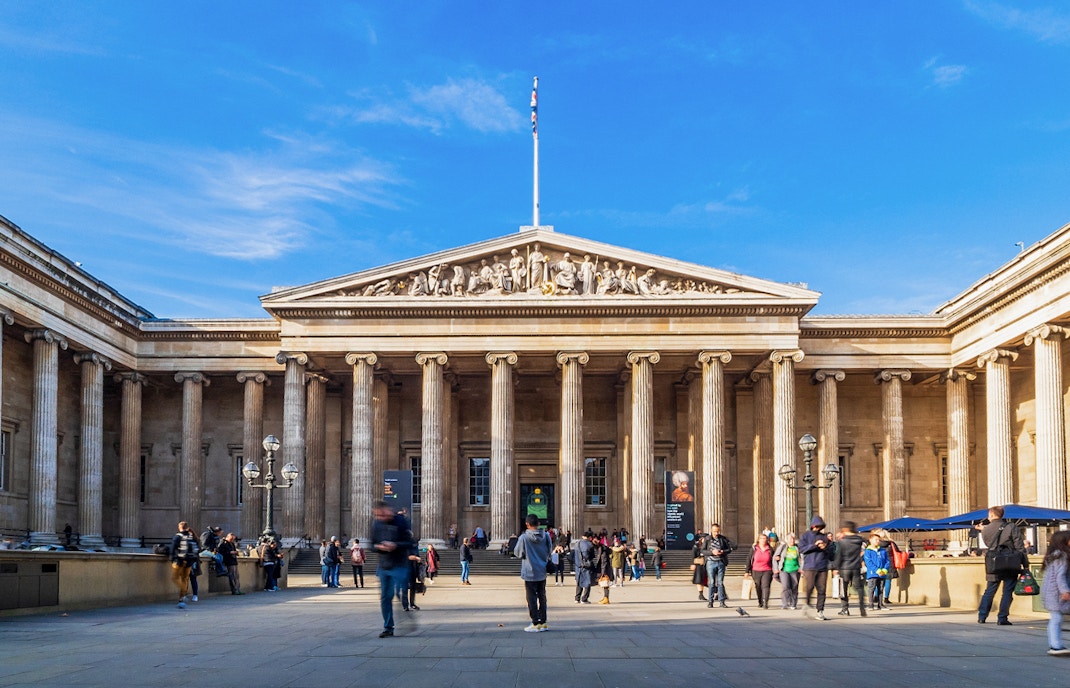
The stone originally formed part of a larger stela displayed in a temple setting in Egypt. Over time, it broke into fragments, with only part surviving. It was rediscovered in 1799 by French soldiers during Napoleon’s campaign in Egypt at Fort Julien near Rosetta (Rashid). After the French defeat, it came under British control in 1801 and was transported to London.
Impact and legacy
Although created as a political decree, the Rosetta Stone became one of the most important discoveries in linguistic history. Its Greek text allowed scholars to eventually decipher Egyptian hieroglyphs in the early 19th century. Today, it remains one of the British Museum’s most significant artefacts and a defining symbol of Egyptology and language decoding.
Who created the Rosetta Stone?
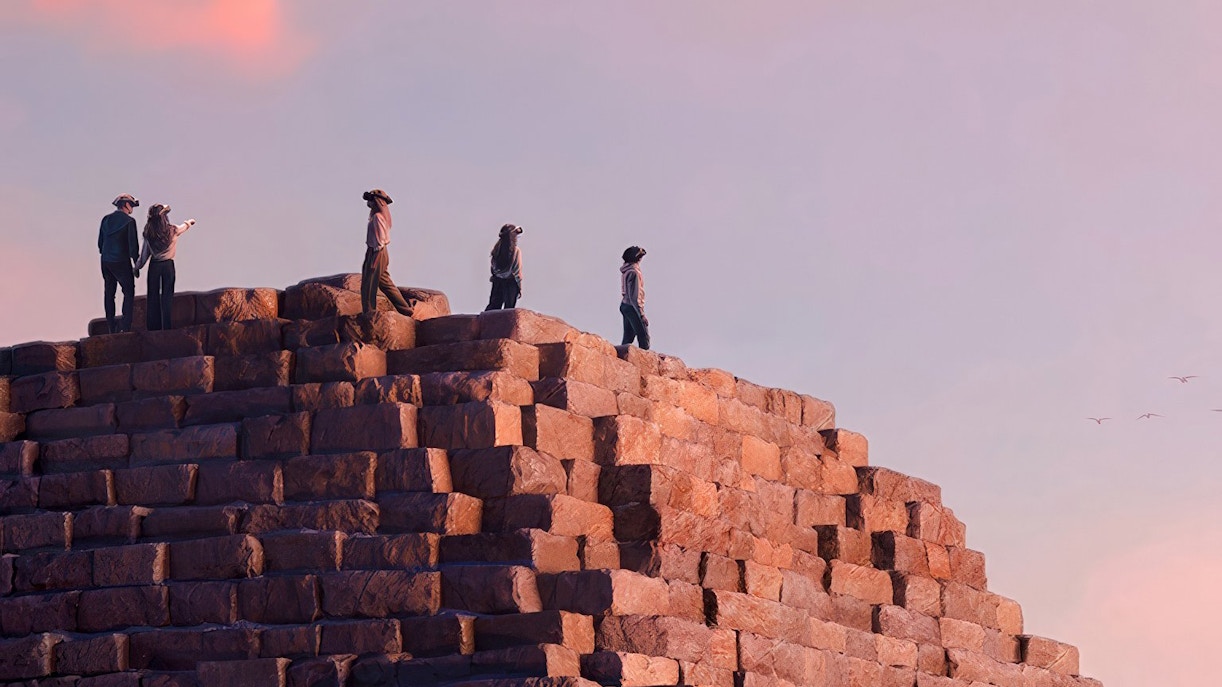
The Rosetta Stone was created by Egyptian scribes during the reign of King Ptolemy V Epiphanes in the Ptolemaic period of ancient Egypt. It was not the work of a single artist but was produced by temple scribes responsible for recording official decrees.
The inscription presents the same text in three scripts—hieroglyphic, Demotic, and Ancient Greek—allowing it to be understood across different literate groups in Egypt. Its purpose was administrative and political, reinforcing royal authority and temple relations rather than serving an artistic function. The scribes’ work was essential in producing this multilingual record, which later became key to deciphering Egyptian hieroglyphs.
Today, the Rosetta Stone is recognised not for artistic value but for its historical importance in understanding ancient Egyptian language and writing systems.
What makes the Rosetta Stone a masterpiece? See for yourself
1/9
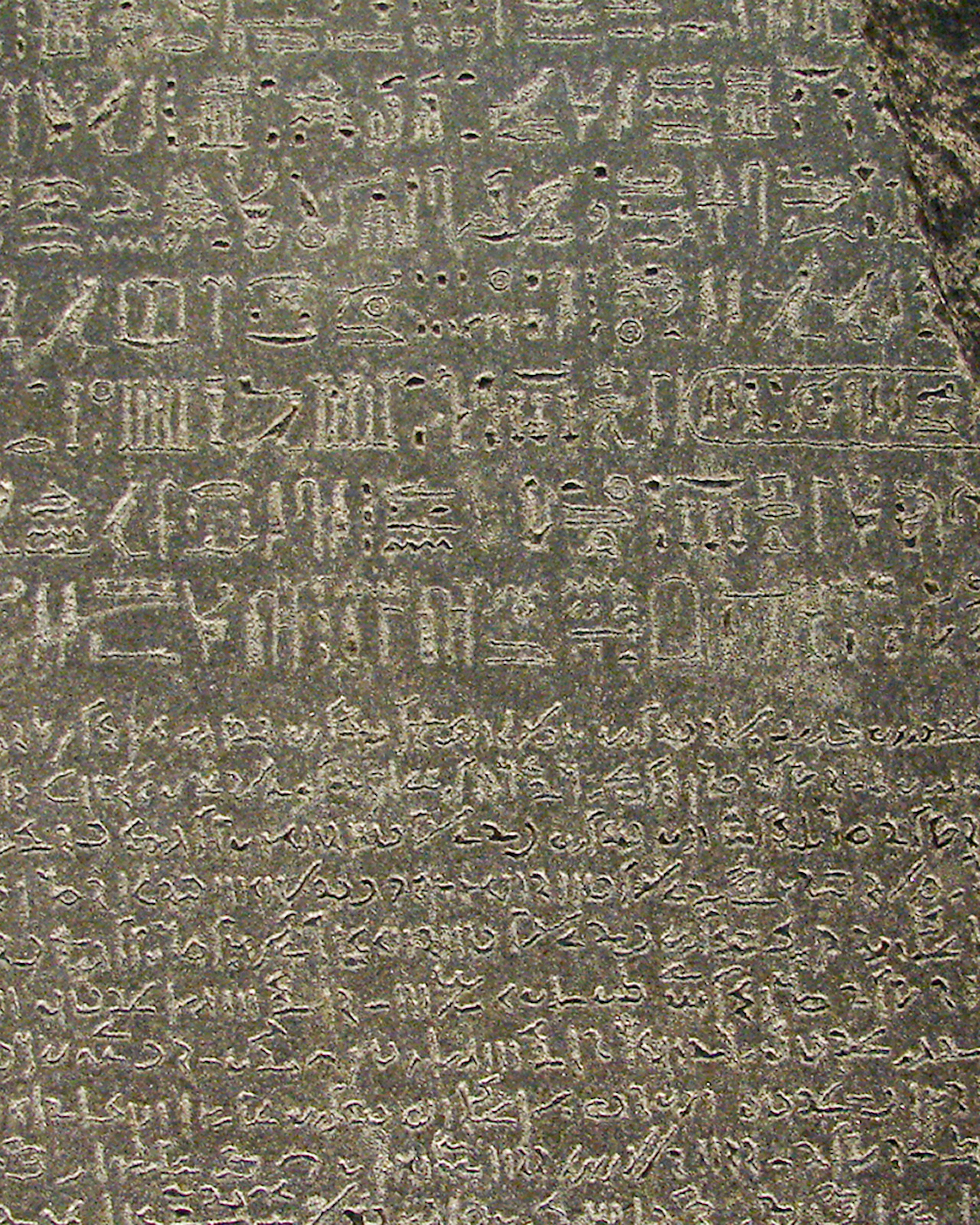
Tri-script inscription
The Rosetta Stone presents the same decree in hieroglyphic, Demotic, and Ancient Greek, offering a rare multilingual snapshot of ancient Egyptian administration and communication.
Key to decipherment
Its true importance lies in the Ancient Greek text, which was already understood and served as the reference point that enabled scholars to decode Egyptian hieroglyphs for the first time.
Epigraphic precision
The inscriptions were carved by trained temple scribes following strict official conventions, reflecting the formal structure of royal decrees rather than artistic expression.
Decipherment logic
Scholars used the known Greek text as an anchor to systematically compare repeated names and patterns across the unknown scripts, which eventually led to breakthrough discoveries in reading hieroglyphs.
Historical transformation tool
The stone fundamentally changed archaeology and linguistics by opening up the study of ancient Egyptian writing systems that had been unreadable for centuries.
Material endurance
Carved from granodiorite, the surviving fragment has preserved its inscriptions for over 2,000 years, despite damage and loss of large portions of the original stela.
Accidental discovery
It was uncovered in 1799 by French soldiers during Napoleon’s Egyptian campaign at Fort Julien near Rosetta, rather than through a planned archaeological excavation.
Not the only “Rosetta Stone”
The stone is part of a wider group of Ptolemaic decree-stelae—around 29 have been found across Egypt, including several near-identical copies of the same royal decree, which helped scholars better reconstruct and understand sections of the original text.
Global scholarly impact
Beyond Egyptology, the Rosetta Stone became a foundational reference point in the development of modern linguistics, translation studies, and the study of writing systems.
Frequently asked questions about the Rosetta Stone
No, it is included in standard British Museum admission.
It is displayed in Room 4 of the British Museum in London.
Yes, it is part of the Ancient Egypt and Sudan collection.
Yes, guided tours and audio guides provide detailed explanations of its inscriptions and historical importance.
Yes, photography is allowed, but flash is not permitted.
It enabled scholars to decode Egyptian hieroglyphs by comparing the Greek text with Egyptian scripts.
It features the same decree in hieroglyphic, Demotic, and Ancient Greek.
Thomas Young made early progress, and Jean-François Champollion completed the breakthrough in 1822 using Coptic comparisons.
It was found in 1799 by French soldiers during Napoleon’s Egyptian campaign near Rosetta (modern Rashid).
No, it is a fragment of a larger stela, with parts missing from the original object.
Most visitors spend around 20–30 minutes, depending on interest in reading the inscriptions and nearby displays.
Early morning after opening or later in the afternoon on weekdays is usually quieter, as midday tends to be busiest with tour groups.
It is the same official decree issued in Memphis, written in three scripts for different audiences in ancient Egypt.