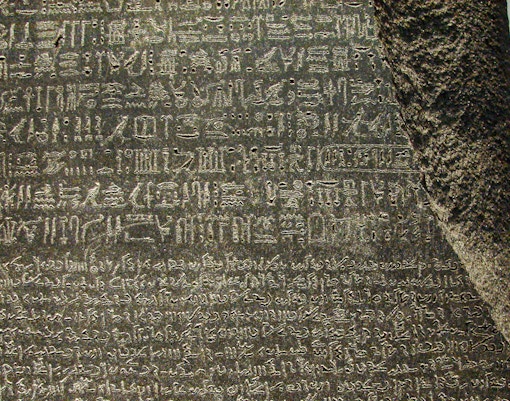
- Rosetta Stone: One of the museum’s most iconic objects and the key to deciphering ancient Egyptian hieroglyphs.
- Monumental sculptures: Colossal statues of pharaohs, temple carvings, and stone sarcophagi reveal the scale and power of ancient Egypt.
- Ancient writing & religion: Early inscriptions, funerary objects, and ceremonial artefacts explore how Egyptians understood kingship, death, and the afterlife.
A detailed look at what's inside the British Museum
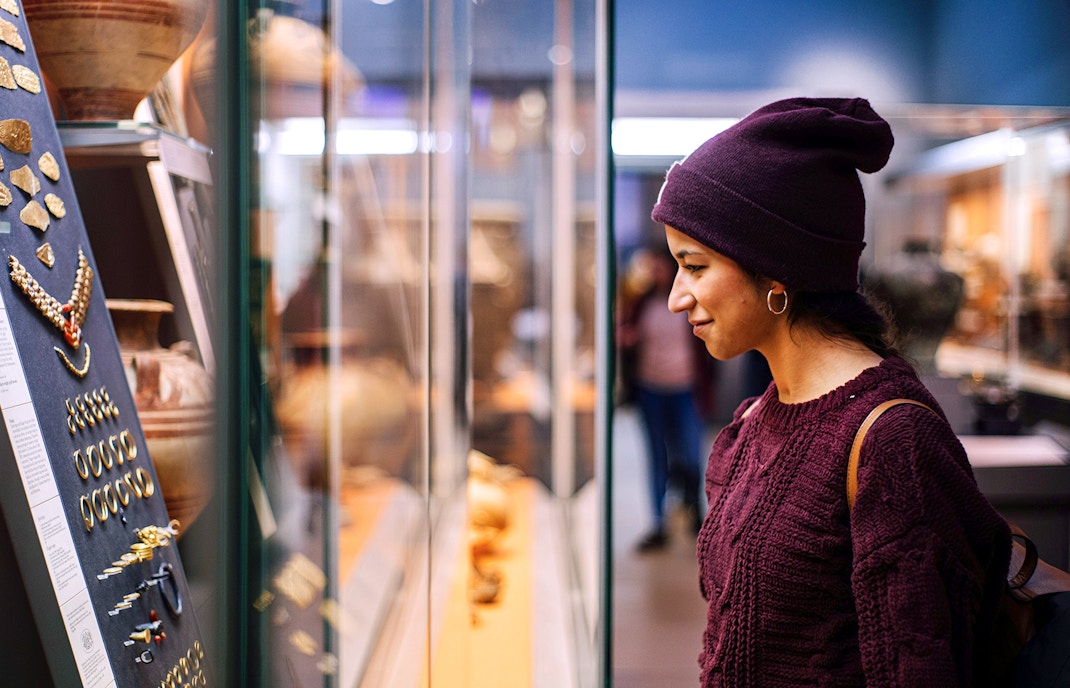
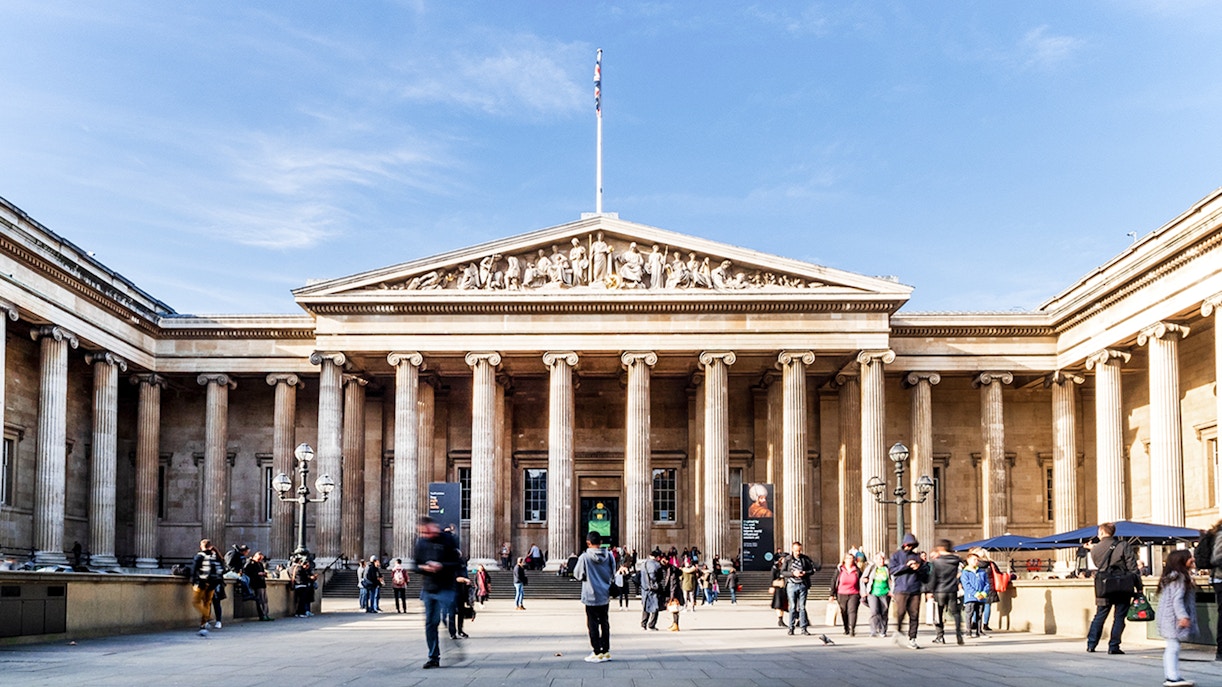
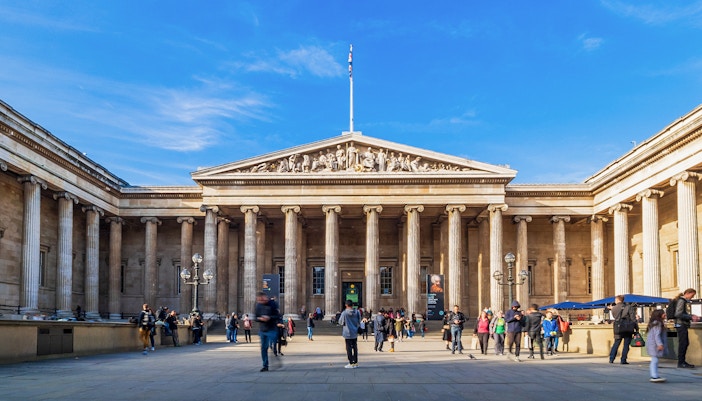
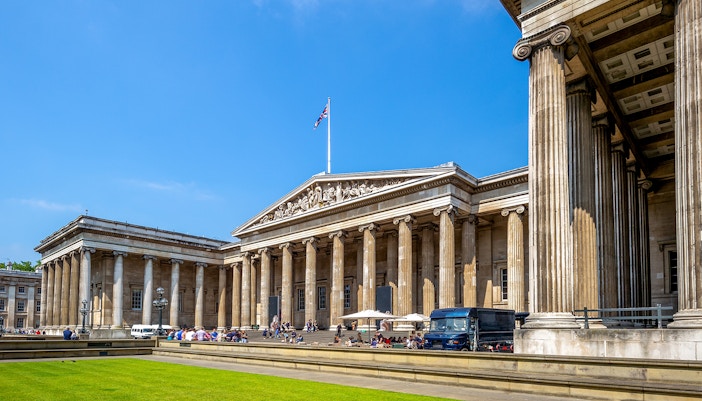
The British Museum is one of the world’s most remarkable cultural institutions, bringing together over two million years of human history through artefacts from major civilisations. Inside, each gallery reveals a different chapter of history, from ancient empires to lost worlds, under one extraordinary roof.
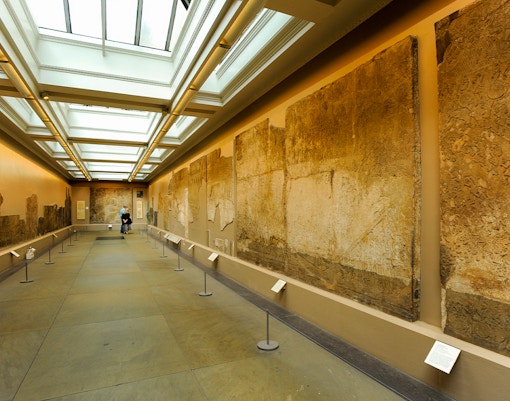
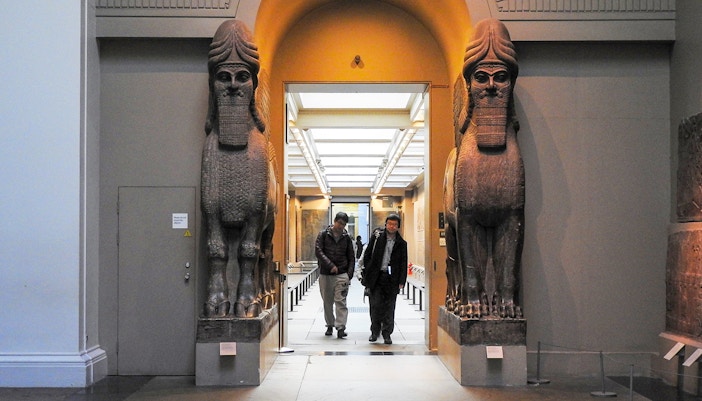
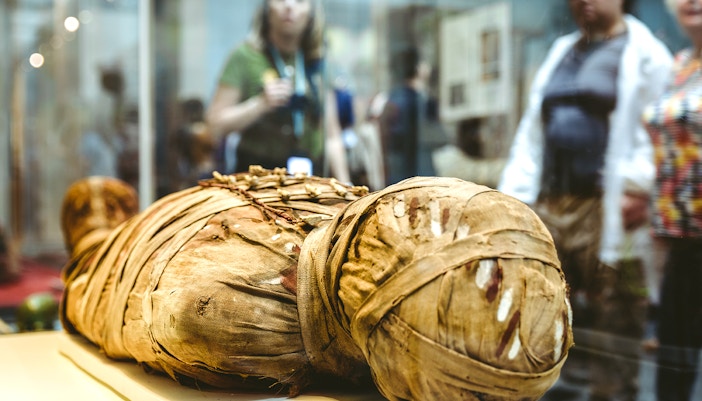
- Must-sees: Rosetta Stone, Egyptian mummies, and Assyrian reliefs that reveal some of the earliest written histories and powerful ancient empires
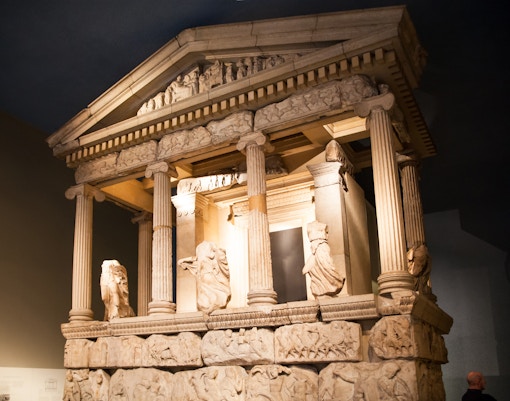
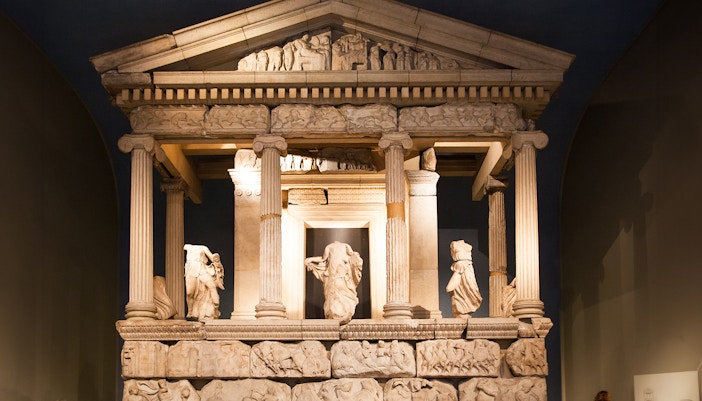
- Hidden gems: Greek sculptures, Mesopotamian treasures, and detailed Asian collections tucked away in quieter, less-crowded galleries
- Pro-tip: The museum spans vast timelines and floors, so it’s best to plan a focused route and arrive right at opening on weekdays to make the most of your visit.
Know more about: Galleries & Collections | History | Mummies
What to expect inside the British Museum?
More than just a museum visit, the British Museum is a story that journeys through over two million years of human history. Step inside, and you move from ancient empires to global civilisations in a single walk—where stone, sculpture, and artefacts quietly tell stories of power, belief, and everyday life across the world.
Navigate the British Museum floor by floor
Ground floor
.jpg?auto=compress%2Cformat&w=1814.3999999999999&q=90&crop=faces&fit=crop)
Lower floor
.jpg?auto=compress%2Cformat&w=1814.3999999999999&q=90&crop=faces&fit=crop)
Upper floor
.jpg?auto=compress%2Cformat&w=1814.3999999999999&q=90&crop=faces&fit=crop)
Inside the British Museum
Ground floor
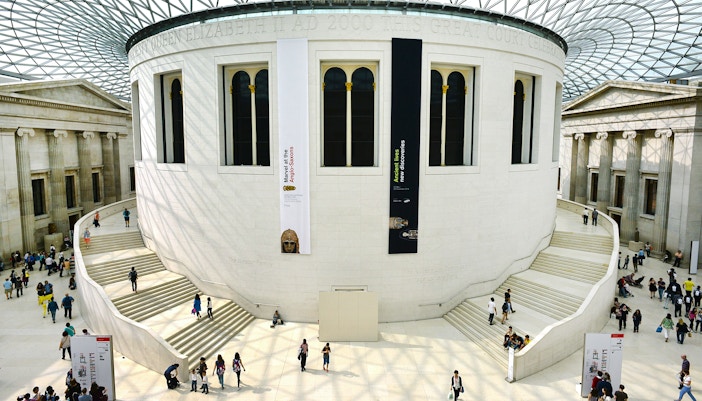
The ground floor contains many of the museum’s most famous galleries and is usually the busiest level. It’s the best starting point for first-time visits, with major collections arranged around the Great Court.
Upper floors
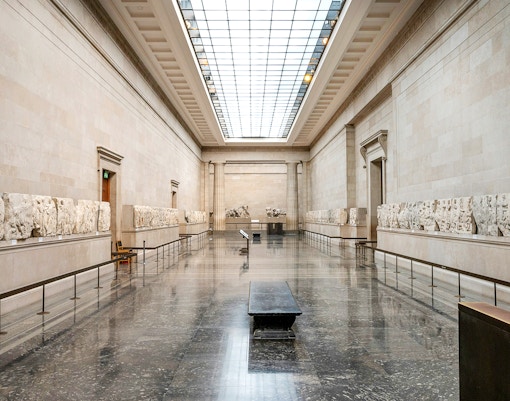
The upper levels focus on ancient Greece, Rome, Asia, medieval Europe, and Egyptian burial culture. These galleries are quieter and better suited for slower exploration beyond the major highlights downstairs.
Lower floor
The lower floor is quieter and less crowded, with galleries focusing on global cultures and temporary exhibitions.
How to explore the British Museum
Visitor tips
- See Egypt first: Head straight to Room 4 early in the day if the Rosetta Stone is a priority—the space becomes dramatically busier later in the morning.
- Travel light: Smaller bags move through security faster and make navigating the museum’s long gallery routes far more comfortable.
- Take breaks strategically: The museum is much larger and more tiring than many first-time visitors expect, so pause around the Great Court before moving into upper-floor galleries.
- Avoid museum fatigue: Don’t try to see everything in one visit. Focus on Egypt, Assyria, Greece, and one quieter collection for a more rewarding experience.
- Use the Great Court wisely: It’s the best place to regroup, grab refreshments, and orient yourself before continuing into another section of the museum.
Frequently asked questions about what’s inside the British Museum
Yes. Entry to the British Museum’s permanent collection is free, though some temporary exhibitions require a paid ticket. Booking a timed-entry slot online is recommended during busy periods.
The Rosetta Stone, Egyptian mummies, Parthenon sculptures, Assyrian reliefs, Sutton Hoo treasures, and Lewis Chessmen are among the museum’s most famous highlights.
A highlights visit usually takes around 2–3 hours, while a more detailed exploration of multiple galleries can easily take half a day or longer.
Photography is allowed in most permanent galleries for personal use. Flash, tripods, selfie sticks, and professional equipment are restricted, while some temporary exhibitions may prohibit photography completely.
Yes. The Rosetta Stone is displayed in Room 4 within the Egyptian galleries and is one of the museum’s most visited artefacts.
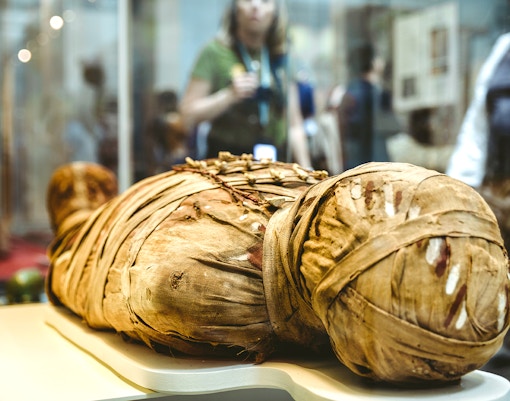
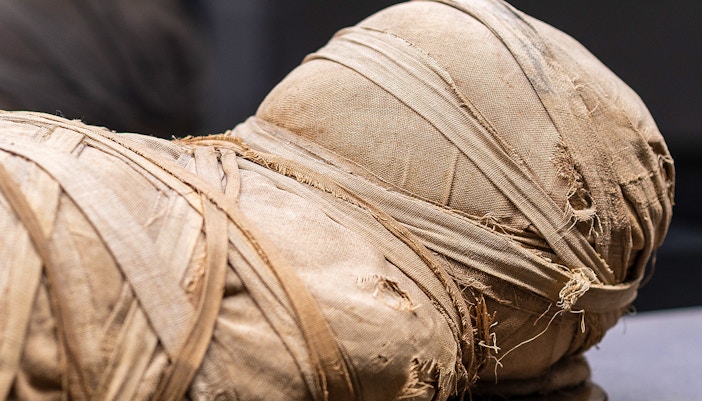
Yes. The museum displays several real ancient Egyptian mummies alongside coffins, burial masks, and funerary objects that explore beliefs about death and the afterlife.
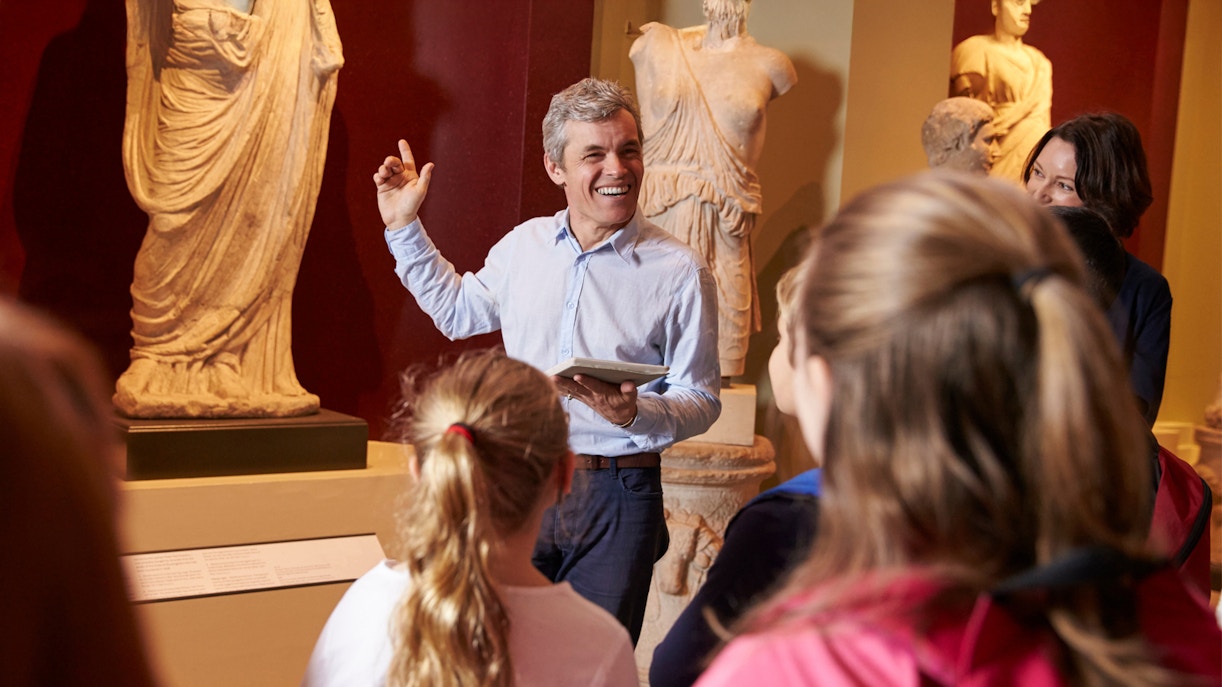
No, but guided tours can make the experience much easier to navigate. They help connect the museum’s major collections and provide historical context that’s easy to miss when exploring independently.
The British Museum houses more than eight million objects spanning over two million years of human history, though only a fraction are on public display at any given time.
Yes. The museum has cafés, seating areas, gift shops, and restrooms located throughout the building, particularly around the Great Court.
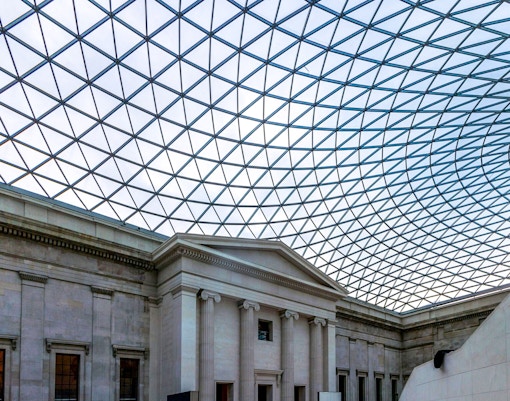
The Great Court is the museum’s central public space, covered by a vast glass-and-steel roof designed by Foster + Partners. It connects many of the museum’s main galleries and facilities.
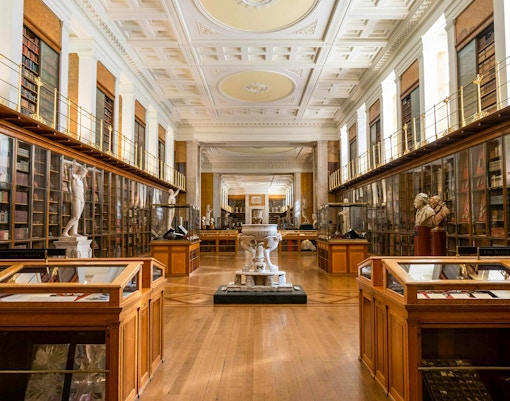
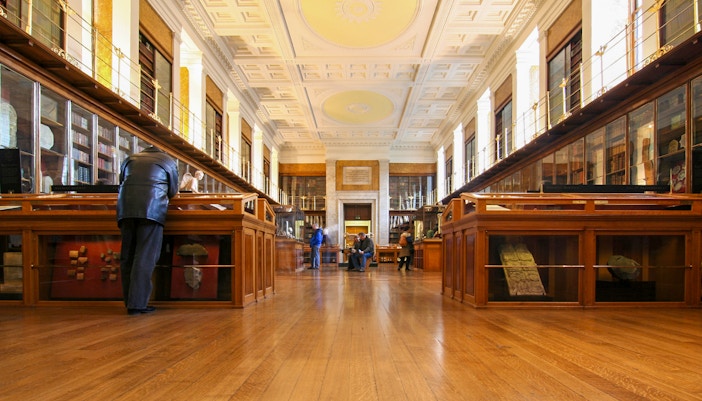
The Enlightenment Gallery, Asian collections, and some upper-floor rooms are usually calmer than the Egypt and Greece galleries, especially later in the day.
Most major galleries are wheelchair accessible, with lifts, step-free routes, accessible restrooms, and free wheelchair loans available throughout the museum.