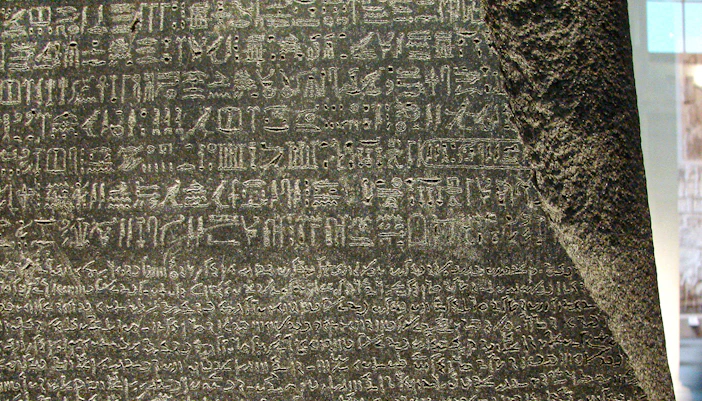
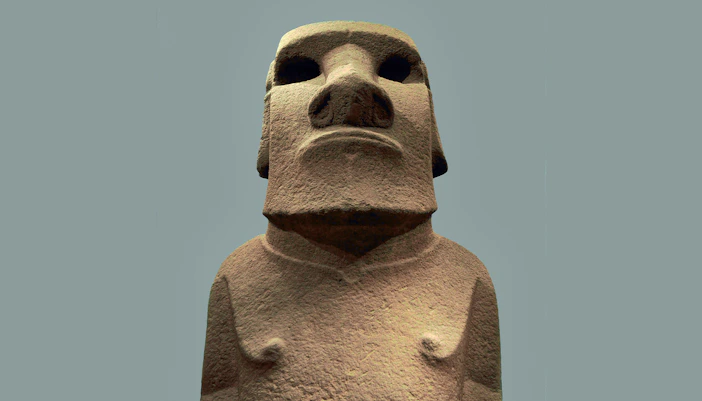
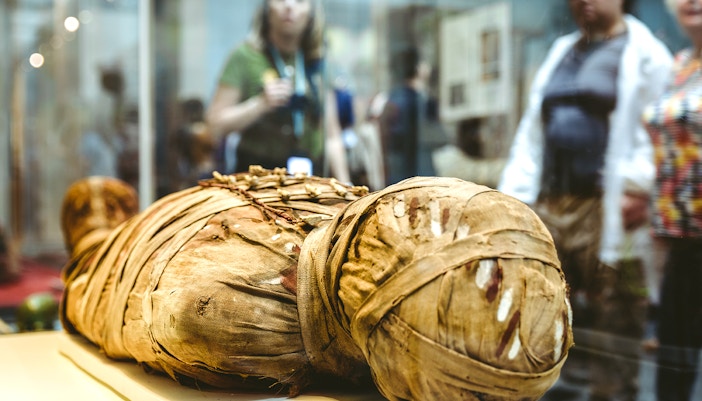
The Parthenon Sculptures make the most sense when understood as parts of a single architectural program. Audio guides or museum commentary help explain how they once formed the exterior decoration of the Parthenon in Athens, tied to religious and civic life in Classical Greece.
Witness the Greek Parthenon Sculptures at the British Museum
The Parthenon Sculptures, created in the 5th century BC under the supervision of the sculptor Phidias during the height of Classical Athens, once formed part of the Parthenon temple on the Acropolis. Originally designed as architectural decoration for the Parthenon, parts of the sculptures were later removed and brought to the British Museum in the early 19th century, where they are now displayed in Room 18 in London. Today, they can be viewed there with no separate entry charges required, offering a chance to stand in front of masterpieces of Greek artistry brought to life in extraordinary detail.
How to view it best?
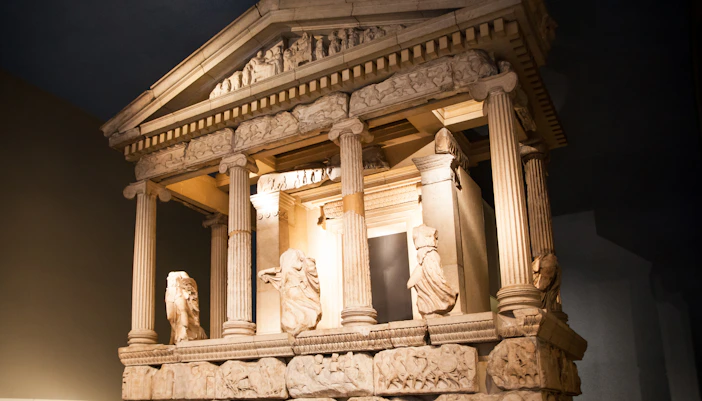
Enhance your experience with context

Best viewing approach
Step back first to take in each long frieze section as a continuous narrative, then move closer to study individual figures. The procession scenes become clearer when seen as a flowing sequence rather than isolated panels.
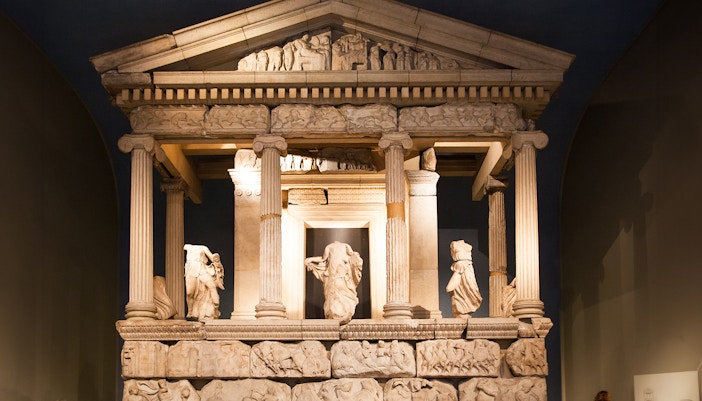
Observe scale and perspective
These sculptures were originally placed high on the temple, so viewing them at eye level changes their impact. Details like drapery folds and anatomical precision become more visible than they would have been in their original position.
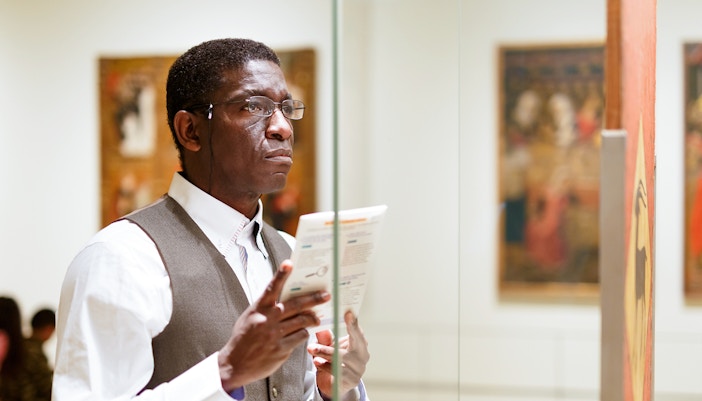
Notice contrast in preservation
Some sections are sharply detailed, while others are worn or incomplete. This contrast highlights both the skill of the original carving and the effects of time, damage, and removal from the temple.
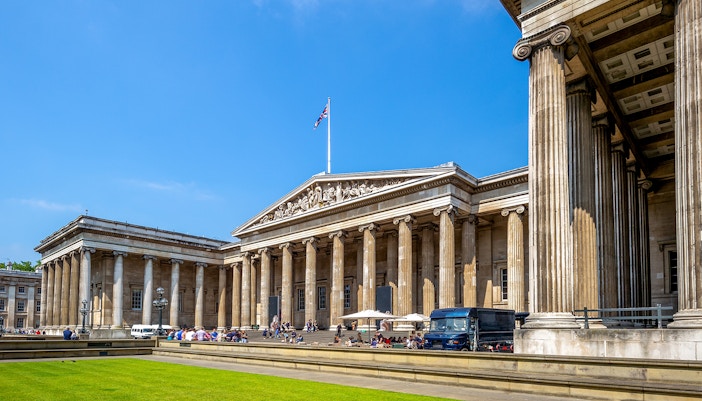
Best time to visit
The gallery is busiest during midday when tour groups peak. Early morning or later afternoon offers a calmer experience, making it easier to follow the narrative across the frieze.

How much time to allocate
Around 20–30 minutes allows enough time to walk the length of the display, absorb the overall story, and return to key sections for closer detail without feeling rushed.
Did you know?
The Parthenon Sculptures were created in the 5th century BC during Athens’ Golden Age, when democracy, philosophy, and monumental art were all flourishing together.
They originally formed part of the Parthenon temple on the Acropolis, dedicated to the goddess Athena, protector of the city.
The famous frieze depicts the Panathenaic procession, a major religious festival where Athenians carried offerings and honoured Athena.
Many sections were removed in the early 19th century by Lord Elgin and later transferred to the British Museum, where they remain today. Some panels remain remarkably detailed, while others are heavily worn, showing the effects of time, weather, and historical damage.
The sculptures were designed to be seen high on the temple, meaning their proportions and details were carefully adjusted for distance viewing.
The collection includes gods, horses, and human figures, all carved to show movement, rhythm, and idealised Classical Greek anatomy.
The surviving fragments are only part of the original decorative scheme, with significant portions still missing or held in other collections worldwide.
Story behind the Parthenon Sculptures
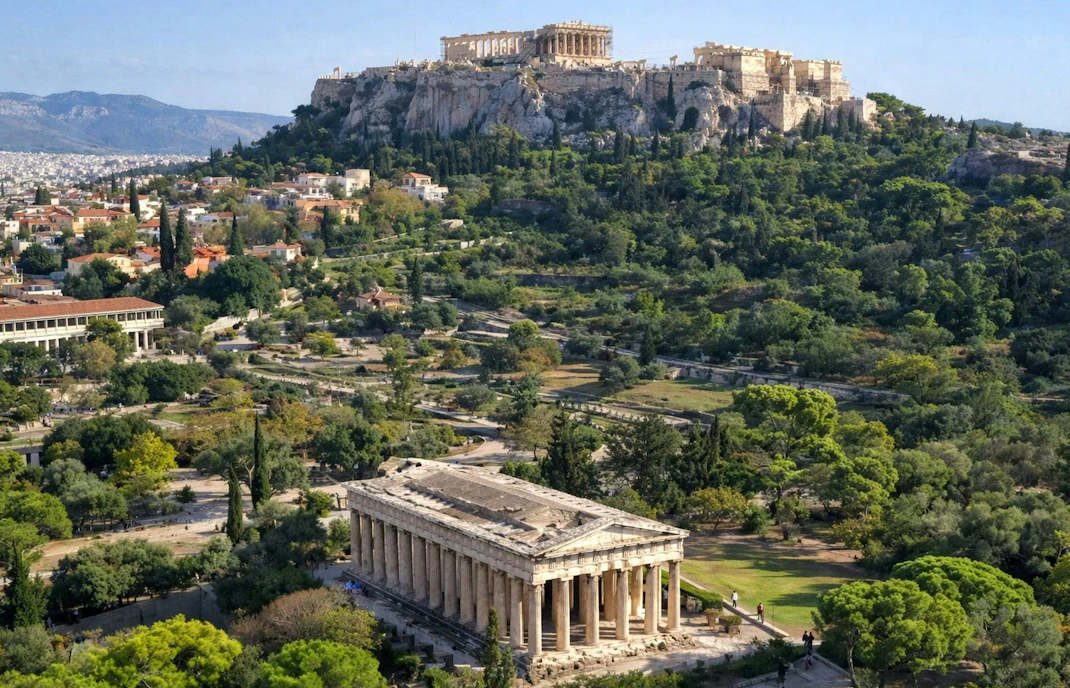
Origin of the Parthenon Sculptures
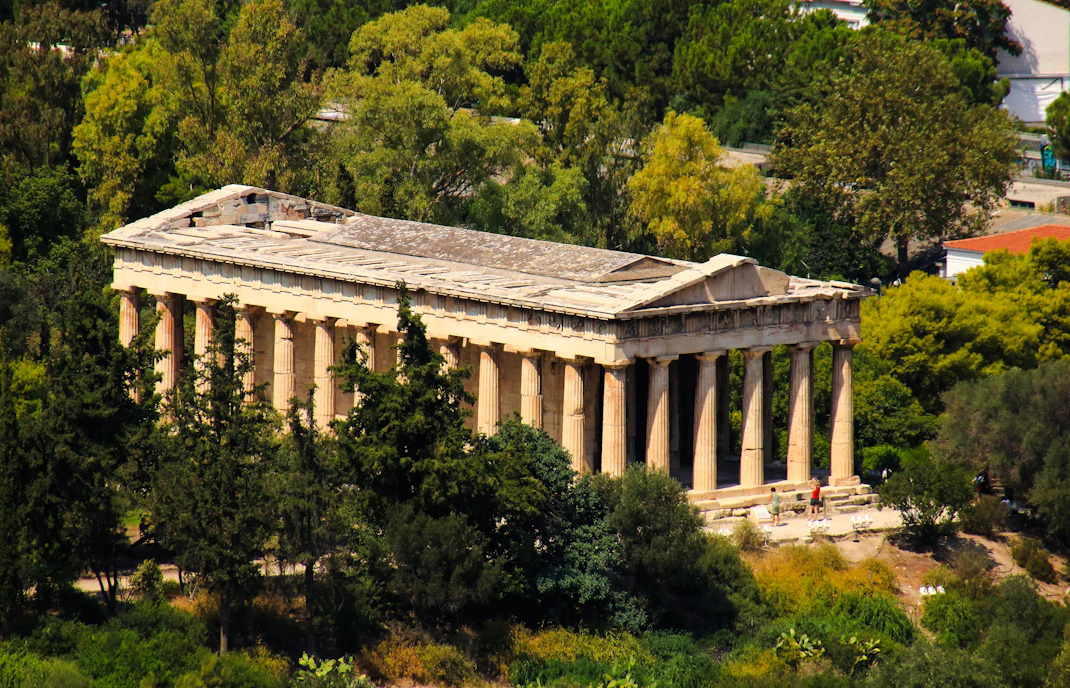
The Parthenon Sculptures were created in the 5th century BC as part of the construction of the Parthenon on the Acropolis in Athens. They were designed for a temple dedicated to Athena, reflecting Athens’ religious life, civic pride, and cultural power during its Golden Age.
Creation and artistic programme
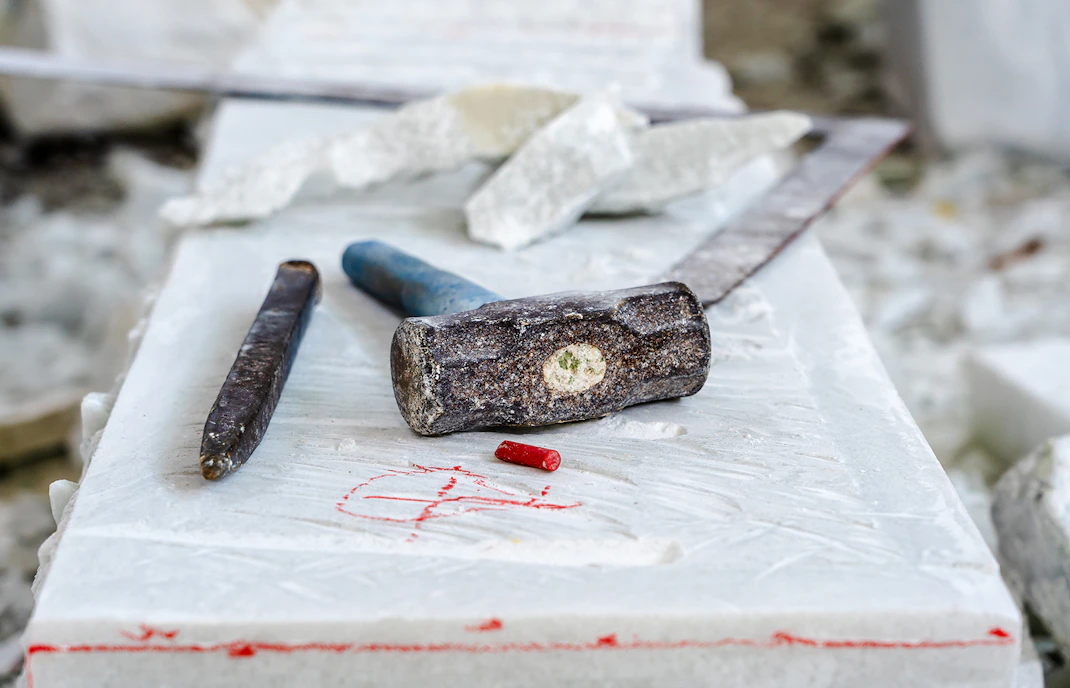
The sculptures are associated with the sculptor Phidias and his workshop and were carved in marble as part of a larger architectural scheme. This included metopes, the Ionic frieze, and pedimental figures. The frieze is especially known for its continuous depiction of the Panathenaic procession, showing movement, ritual, and everyday civic life in a finely detailed Classical style.
Key events and removal
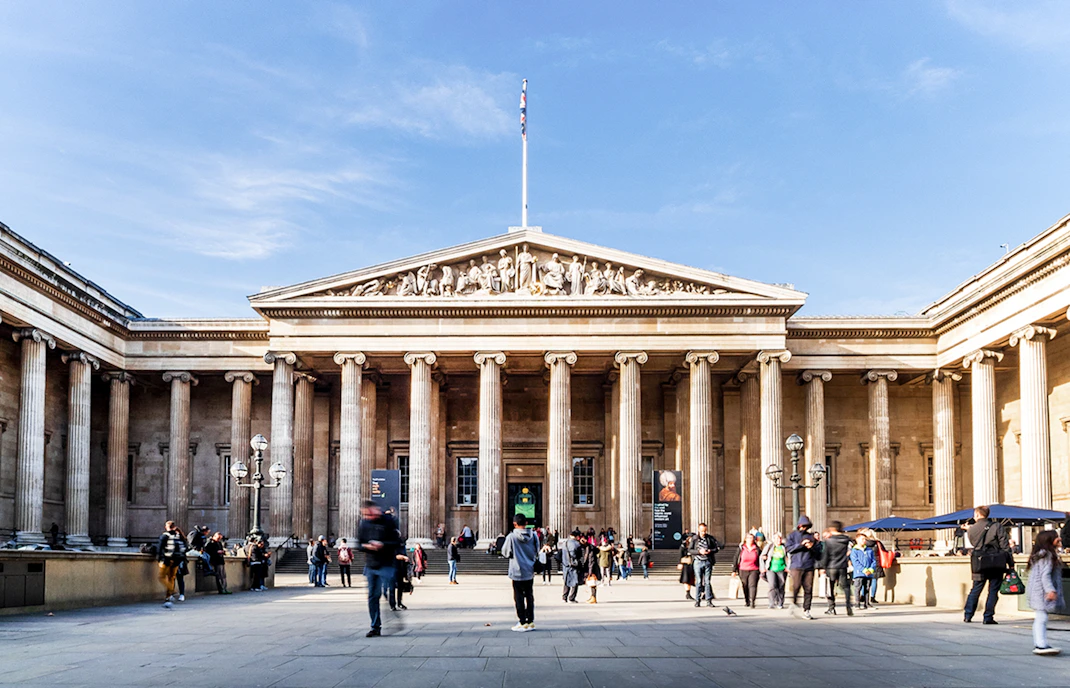
The sculptures remained on the Parthenon for centuries, though the structure suffered damage over time, including during conflict in the 17th century. Between 1801 and 1812, a significant portion of the surviving sculptures was removed under the direction of Thomas Bruce, 7th Earl of Elgin, while Athens was under Ottoman rule. They were later transported to Britain and became part of the British Museum collection.
Impact and legacy
Today, the Parthenon Sculptures are among the most important surviving works of Classical Greek art. Their fragmented state reflects both their original architectural context and their long history. They remain central to the study of ancient Greek sculpture, storytelling, and religious expression and continue to shape global discussions around cultural heritage and museum collections.
Who created the Parthenon Sculptures?
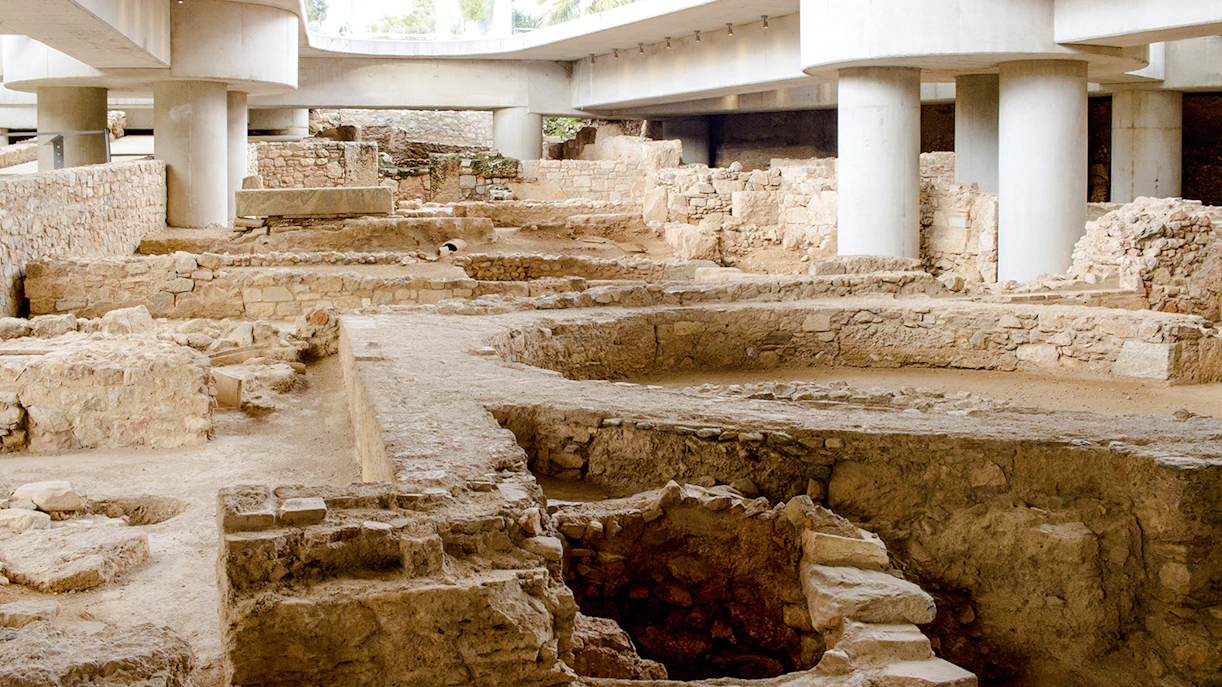
The Parthenon Sculptures were created by a team of Athenian sculptors working in the 5th century BC during the Classical period of ancient Greece. They were produced under the broader artistic supervision associated with the sculptor Phidias, one of the most prominent artists of the era, known for his role in shaping large-scale temple sculpture in Athens.
Rather than being the work of a single individual, the sculptures were the result of a coordinated workshop system. Each section followed a unified artistic vision, combining idealised human anatomy, fluid movement, and narrative composition to reflect religious and civic themes tied to the goddess Athena.
Phidias is also associated with other major works of Classical Greek art, including the statue of Athena Parthenos that once stood inside the Parthenon. The sculptural program of the Parthenon is often seen as a defining achievement of his workshop and a landmark in Classical Greek artistic development.
Why are the Parthenon Sculptures important?
The Parthenon Sculptures are a key surviving element of the Parthenon temple, originally created in the 5th century BC in Athens as part of a unified architectural and sculptural programme dedicated to the goddess Athena. They reflect how religion, politics, and civic identity were closely connected in Classical Athens, with the temple functioning as both a sacred space and a symbol of Athenian power.
What makes the sculptures significant is the way they combine architecture and narrative in a single visual system. The frieze, metopes, and pedimental figures work together to depict mythological battles, presenting a layered story of divine order and civic celebration. Unlike standalone works of art, they were designed as part of an integrated temple experience, meant to be understood in relation to structure, movement, and ritual.
Beyond their ancient context, the Parthenon Sculptures have also served as a lasting source of inspiration for artists and writers across centuries. Figures such as John Keats and Henry Moore drew on their classical form and emotional presence, while the sculptor Auguste Rodin deeply admired Phidias, seeing him as a major artistic influence. This continued creative legacy adds another layer to their cultural importance.
What makes the Parthenon Sculptures a masterpiece? See for yourself
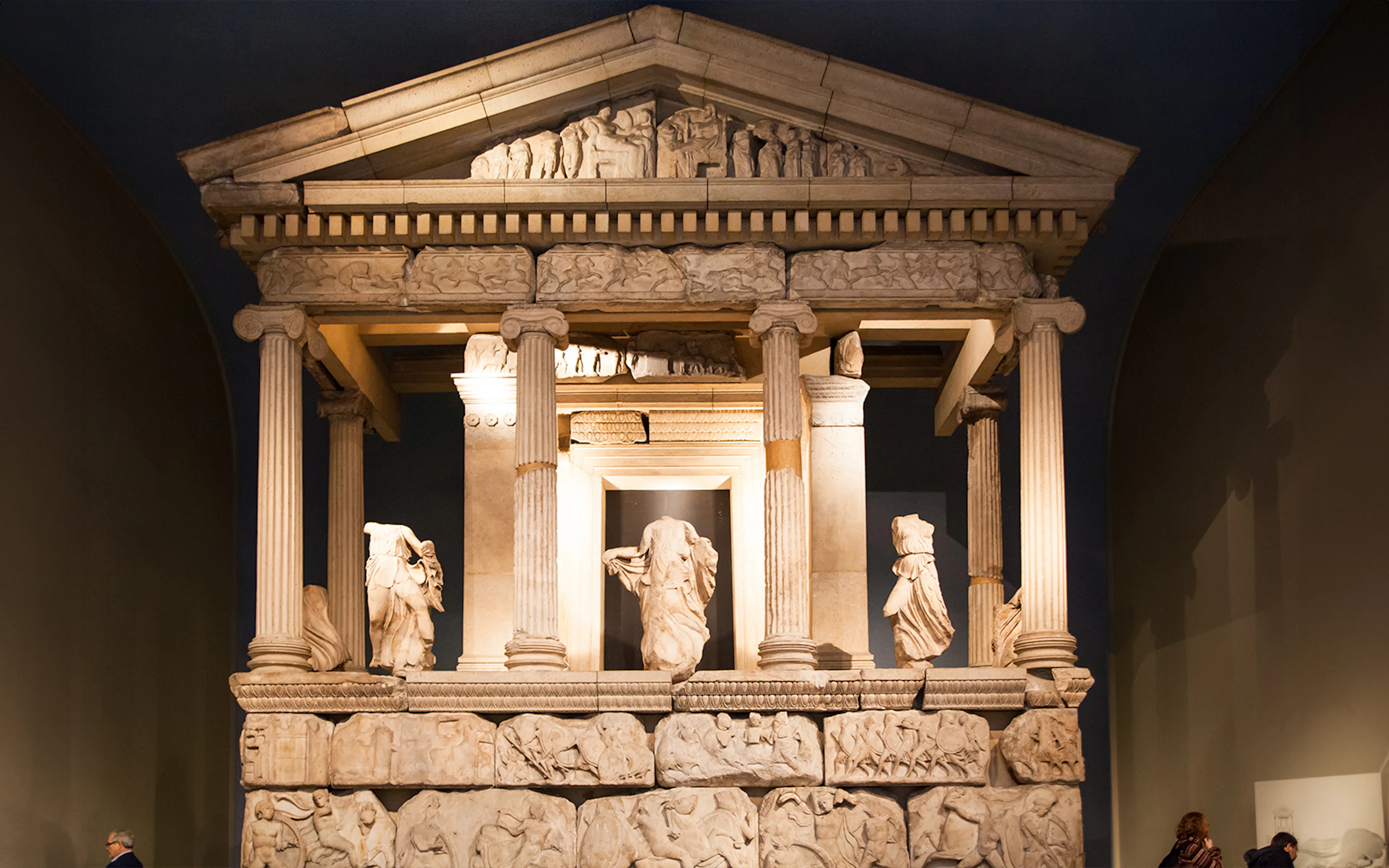
1/7
Architectural integration
The sculptures were designed as part of the Parthenon itself, not as standalone works, creating a unified relationship between structure, sculpture, and sacred space on the Acropolis.
Narrative in motion
The Ionic frieze presents the Panathenaic procession as a continuous flow of riders, citizens, and offerings, capturing movement and civic ritual rather than isolated scenes.
Mastery of Classical form
Figures are carved with idealised proportions, balanced posture, and naturalistic anatomy, reflecting the Classical Greek pursuit of harmony between realism and ideal beauty.
Drapery and surface detail
Flowing garments are carved to follow body movement, creating rhythm and depth in stone and demonstrating advanced control over marble carving techniques.
Spatial design for height
The sculptures were originally placed high on the temple, meaning proportions, depth, and visibility were engineered to read clearly from below.
Myth and civic identity
The combination of gods, mortals, and ritual processions reflects both religious devotion to Athena and the civic identity of Athens during its peak power.
Enduring cultural influence
As one of the most studied examples of Classical Greek sculpture, they continue to shape understanding of ancient art, architecture, and public storytelling in Western art history.
Frequently asked questions about the Parthenon Sculptures
No, access is included with standard British Museum admission, and advance booking is recommended during peak seasons.
They are exhibited in Room 18 at the British Museum, also known as the Duveen Gallery.
Yes, they are often included in broader Greek antiquities tours and can also be explored using the museum’s audio guide.
Photography is generally allowed without flash, but restrictions may apply during special exhibitions or conservation work.
Most visitors spend around 20–40 minutes, depending on their interest in detail and reading the interpretive displays.
Early mornings or late afternoons on weekdays are usually quieter, offering a more comfortable viewing experience.
Over time, the Parthenon suffered damage from war, weather, and explosions, leaving only fragments of the original decorative programme.
They depict scenes from Greek mythology and the Panathenaic procession, reflecting both religious devotion and Athenian civic identity.