Dover Castle spreads across a large hilltop site with tunnels, towers, walls, churches, and underground passages connected by steep pathways. Budget at least 3 hours for the main highlights and closer to 5 hours if you want to properly explore the tunnel systems.
Dover Castle guide: What makes it unique & what to see
Is Dover Castle worth visiting?
Dover Castle feels less like a single monument and more like layers of English history stacked on a windswept hill above the sea. One moment you are walking through thick medieval stone corridors built for kings and sieges; the next, you are deep underground in wartime tunnels filled with maps, telephones, and echoing radio announcements.
Dover Castle was built to control one of England’s most important coastal gateways. Whoever held this clifftop stronghold controlled the narrowest crossing between England and continental Europe, and you can feel that strategic importance everywhere you look.
The atmosphere shifts constantly across the site. The Great Tower feels ceremonial and royal, the battlements feel exposed and dramatic, and the wartime tunnels feel tense and claustrophobic in a way museums rarely achieve.
The emotional payoff is the sense that this place was never frozen in one period. Roman, medieval, Napoleonic, and wartime history all overlap here in ways that feel tangible rather than distant.
Skip it if you have under two hours or strongly dislike steep walks and large historic sites spread across multiple levels.
How to explore Dover Castle
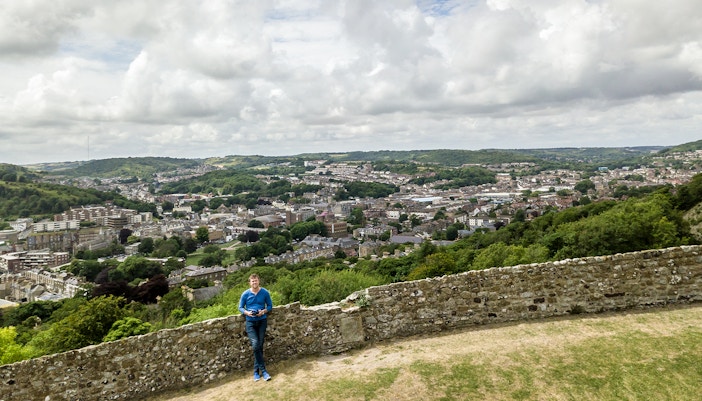
Plan enough time
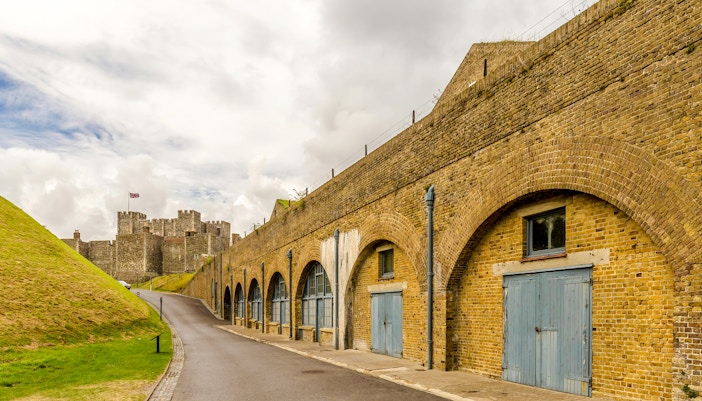
Suggested route
Start at the Great Tower early, when interiors are quieter and easier to explore at your own pace. Continue along the battlements toward St Mary in Castro and the Roman lighthouse, then save the Secret Wartime Tunnels for later afternoon.
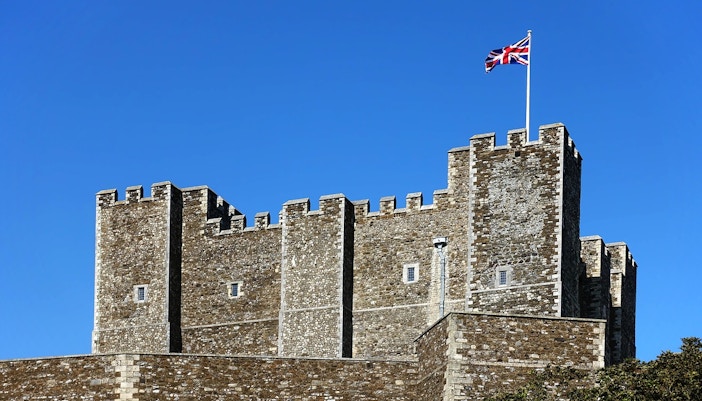
Must-see highlights
The Great Tower and Secret Wartime Tunnels are the defining experiences at Dover Castle. The clifftop viewpoints along the walls are equally memorable, especially when ferries move across the Channel and the coastline stretches into the distance.
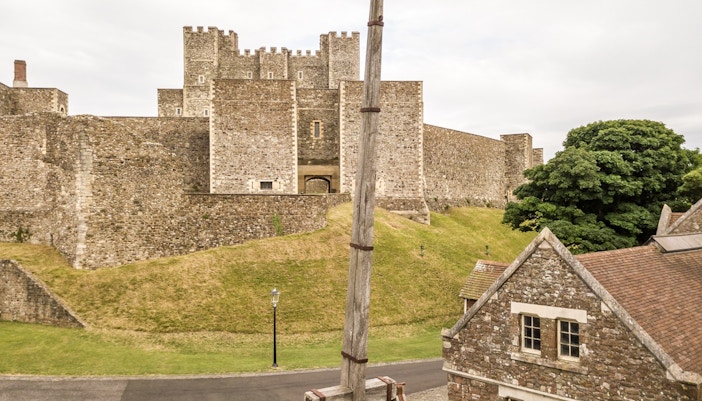
Optional areas
If you have extra time, head toward the Napoleonic defences and the Port War Signal Station. These sections feel quieter than the central castle grounds and offer excellent views for photography and a deeper military history perspective.
Guided vs self-paced visits
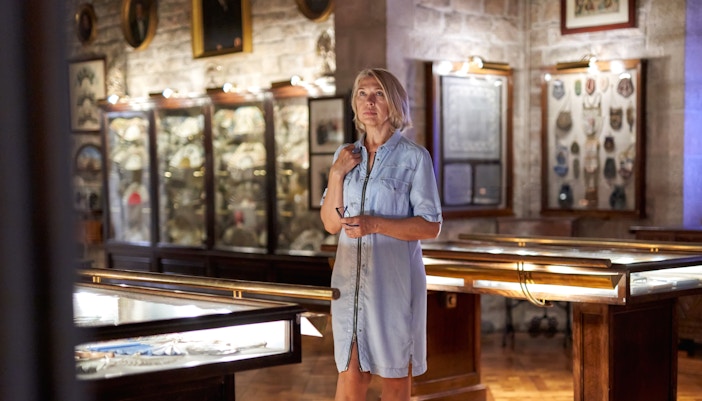
A guided tour helps connect the different historical layers of Dover Castle in a way that signs alone often cannot. Roman remains, medieval fortifications, and wartime command tunnels make far more sense once their stories are linked together.
Brief history of Dover Castle
The site of Dover Castle has been important for nearly 2,000 years due to its position overlooking the shortest sea crossing between England and mainland Europe.
- 1st century AD: The Romans build a lighthouse beside the future castle site, parts of which still survive today.
- 11th century: After the Norman Conquest, William the Conqueror strengthens Dover’s defences because of its importance as a gateway into England.
- 1180s: King Henry II transforms Dover Castle into a major royal fortress, adding the Great Tower and massive defensive walls.
- 1216: The castle survives a major siege during the First Barons’ War, reinforcing its reputation as the “Key to England.”
- 18th to 19th centuries: Extensive tunnels and barracks are added during the Napoleonic Wars amid fears of a French invasion.
- 1940: The underground tunnels become a command centre during World War II and help coordinate the Dunkirk evacuation.
- Today: Dover Castle is managed by English Heritage and remains one of Britain’s most visited historic fortresses.
Architecture of Dover Castle
- Layered design: Dover Castle combines Norman fortifications, royal medieval spaces, and later military engineering, creating a hilltop complex shaped continuously by changing warfare needs.
- The Great Tower: Built for Henry II, the Great Tower uses thick Kentish stone walls, elevated positioning, and narrow windows to project royal authority visibly.
- Medieval interiors: Inside the Great Tower, recreated royal chambers use colourful fabrics, painted walls, and decorative furnishings to soften the fortress-like stone surroundings.
- Underground engineering: Beneath Dover Castle, chalk-carved tunnels reveal practical military engineering designed for hidden troop movement, wartime coordination, and protected underground operations.
- Coastal positioning: The battlements overlook sweeping cliffs and sea routes, constantly reinforcing why Dover Castle remained strategically important across centuries of English history.
Who built Dover Castle?
The foundations of modern Dover Castle were developed after the Norman Conquest, but King Henry II transformed it into the massive fortress visitors see today during the 12th century. Henry wanted a castle that projected royal power to anyone arriving from continental Europe, combining strong military defences with lavish royal spaces.
Frequently asked questions about Dover Castle
Yes. Dover Castle combines medieval history, wartime tunnels, royal chambers, and coastal views in one site. Few castles in Britain cover so many historical periods so vividly. Pre-booked tickets also help avoid long entry queues during busy months.
Most visitors spend between 3 and 5 hours at Dover Castle. The Secret Wartime Tunnels alone can take over an hour once you include guided sections, exhibitions, and waiting times.
The Great Tower and Secret Wartime Tunnels are the highlights most visitors remember longest. The clifftop battlements are also worth slowing down for, especially on clear days overlooking the Channel.
Most standard Dover Castle tickets include access to the Secret Wartime Tunnels, though some guided sections may operate on timed entry during busy periods. It is worth checking availability before arriving.
Yes. Families usually enjoy the tunnel experiences, open grounds, and interactive exhibits. Some underground sections are dimly lit and enclosed, but the site overall works well for children interested in castles and military history.
Yes. The castle grounds, battlements, church, Roman lighthouse, and many outdoor viewpoints can be explored without spending much time underground, making it flexible for different travel styles.
Weekday mornings are usually the quietest. Arriving early also gives you more space inside the Great Tower before larger tour groups arrive later in the day.
Advance booking is strongly recommended, especially during summer weekends and school holidays. Timed entry experiences inside the tunnels can become busy even when the outdoor grounds feel relatively open.
Some sections can feel enclosed because of the low ceilings, narrow corridors, and dim lighting. However, the tunnels are well maintained, and guided routes move steadily without feeling rushed.
The site includes steep inclines, uneven stone paths, and long walking distances between sections. Comfortable footwear makes a noticeable difference, particularly if you plan to explore the outer defences and battlements.
On clear days, parts of the French coastline are sometimes visible across the English Channel from the battlements and higher viewpoints around Dover Castle.
Absolutely. Dover Castle covers Roman Britain, medieval England, Napoleonic defences, and World War II history within one site, making it one of the country’s richest multi-period historical attractions.


