Long before stone walls rose above the cliffs, the hilltop served as a fortified settlement for Iron Age communities. Its commanding position above the English Channel made it a natural lookout point and defensive site against approaching threats from the sea.
Dover Castle History | From Iron Age stronghold to wartime fortress
Tracing nearly two thousand years of invasions, royal rivalries, wartime strategy, and coastal defense, Dover Castle History reveals how one fortress evolved alongside England itself. From Roman watchtowers and medieval sieges to secret World War II tunnels, this page follows the major events, rulers, and transformations that shaped Britain’s most strategically important castle.
Dover Castle timeline
- Iron Age (before 43 AD): Early defensive settlement was established. The hilltop was already valued as a strategic lookout long before the Romans arrived.
- 1st century AD: Romans built the Pharos lighthouse, which is one of Britain’s oldest surviving Roman structures, and was constructed beside the harbor route.
- 11th century: Norman conquest reshapes the fortress. William the Conqueror strengthened Dover’s defenses after 1066 to secure England’s gateway.
- 1180s: Henry II rebuilds the castle and most of the great medieval fortress seen today was created during Henry II’s reign.
- 1216: Prince Louis of France attacks during the First Barons’ War, but the fortress holds firm.
- 13th century: Defensive underground passages and military systems expand beneath the castle grounds.
- 16th century: Gunpowder warfare leads to stronger artillery positions and coastal fortifications.
- 1803–1815: Massive tunnel systems are enlarged to house troops preparing against French invasion.
- 1940: Wartime command center is activated! The tunnels become headquarters for Operation Dynamo, coordinating the Dunkirk evacuation.
- 1984: Secret Wartime Tunnels are open publicly and the visitors gain access to the hidden underground wartime operations center.
Dover Castle History explained
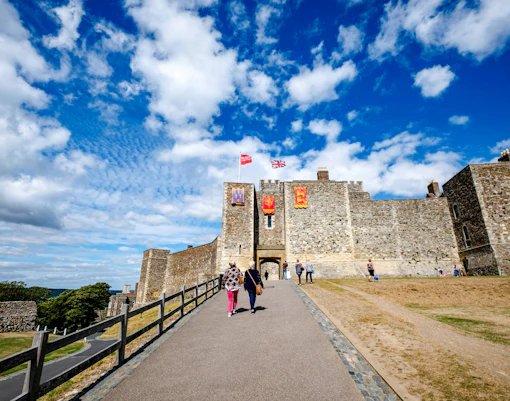
Iron Age settlement and early defenses (before 43 AD)
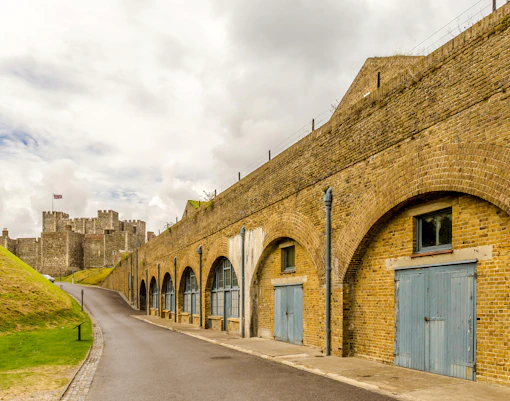
Roman Dover and the Pharos lighthouse (1st–5th century)
After invading Britain, the Romans transformed Dover into a key military and trading port. They built the famous Pharos lighthouse and nearby fortifications, helping guide ships across the Channel while strengthening links between Roman Britain and continental Europe.
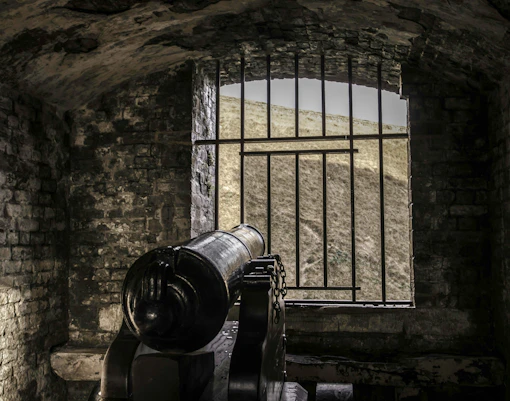
Anglo-Saxon Dover and Norman takeover (5th–11th century)
Following the Roman withdrawal, Dover remained strategically important under Anglo-Saxon rule. After 1066, William the Conqueror quickly secured the site and ordered defensive upgrades, recognizing Dover as England’s most vulnerable and valuable coastal gateway.
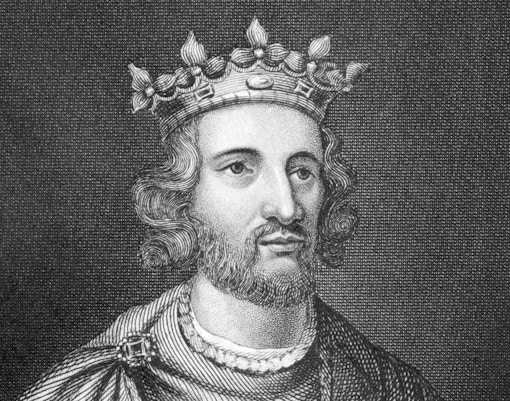
Henry II’s great medieval rebuild (12th century)
Much of the present castle dates to Henry II’s enormous rebuilding campaign in the 1180s. Massive curtain walls, fortified gates, and the imposing Great Tower transformed Dover into one of medieval Europe’s strongest and most sophisticated royal fortresses.
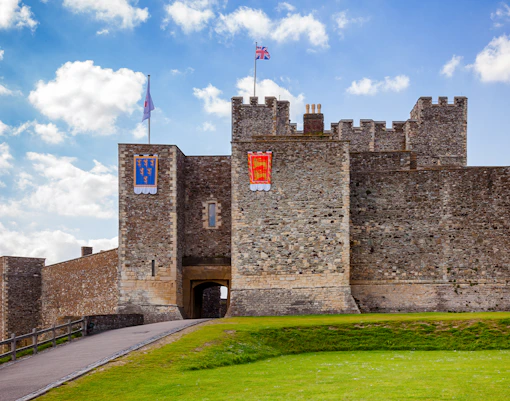
The Great Siege of Dover Castle (1216)
One of the most dramatic chapters in Dover Castle History unfolded during the First Barons’ War. Prince Louis of France attacked the fortress for months and even breached parts of the northern defenses, but the castle ultimately resisted capture.
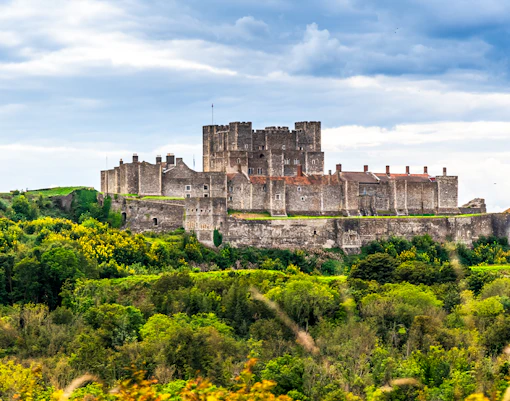
Medieval fortress and royal stronghold (13th–15th century)
For centuries, the castle functioned as both a royal residence and military headquarters. Kings strengthened tunnels, towers, and gates while Dover controlled one of the busiest and most politically important crossings between England and mainland Europe.
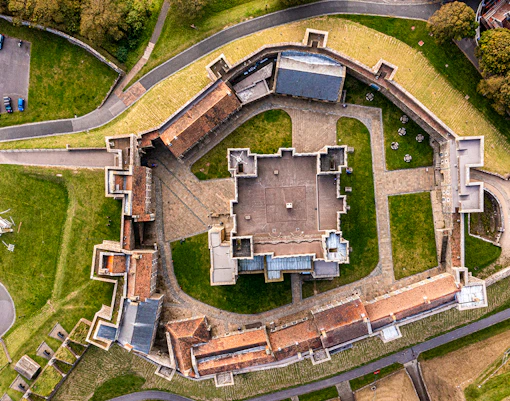
Tudor defenses and Napoleonic tunnel expansion (16th–19th century)
As artillery warfare developed, Dover Castle adapted with gun batteries and reinforced coastal defenses. During the Napoleonic Wars, enormous tunnel systems were carved into the chalk cliffs to house troops preparing for a feared French invasion.
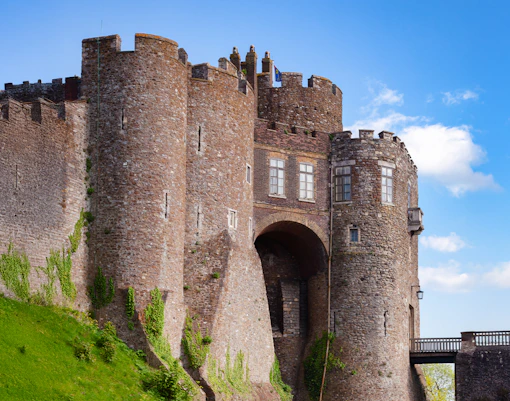
Dover Castle in World War II and beyond (1939–today)
The secret tunnels beneath the castle became a crucial wartime command center during World War II, including Operation Dynamo in 1940. Later restoration projects preserved these underground spaces alongside the medieval fortress, allowing visitors to explore centuries of Dover Castle History today.
Construction and architecture of Dover Castle
Much of the present fortress dates to Henry II’s rebuilding campaign in the late 12th century. Builders used locally quarried Kentish stone to create thick defensive walls, towers, and the massive Great Tower that dominates the site today.
The castle combines several architectural layers from different eras. Roman remains stand beside medieval battlements, while deep Napoleonic and wartime tunnels cut through the chalk cliffs below. Restorations have carefully preserved painted interiors, defensive gateways, and underground command rooms without removing their original military character.
Dover Castle today | Why it matters
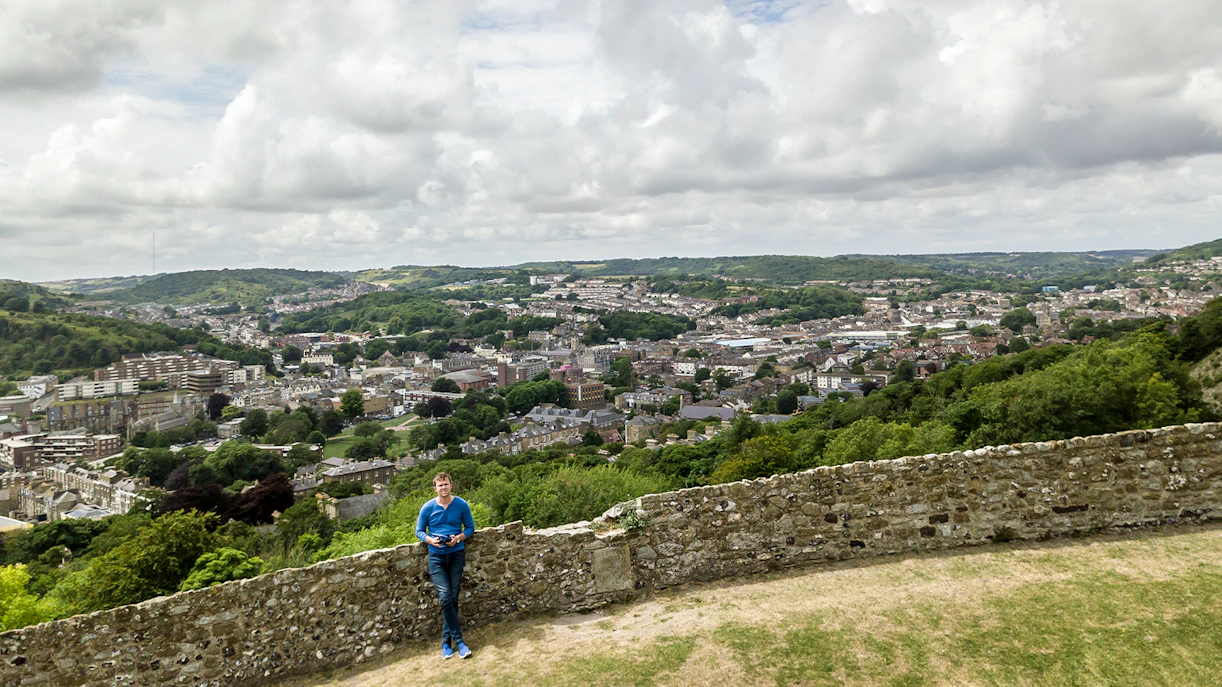
Today, English Heritage manages Dover Castle as one of England’s most important historic landmarks. Visitors can explore the Great Tower, Roman lighthouse, medieval battlements, Secret Wartime Tunnels, and sweeping views over the English Channel.
What makes Dover Castle History especially fascinating is how every era left visible traces behind. Few places in Britain connect Roman Britain, medieval kingship, Napoleonic defenses, and World War II strategy within one site.
Frequently asked questions about Dover Castle history
The earliest defenses date back to the Iron Age, but most of the present castle was constructed during Henry II’s rebuilding campaign in the 1180s.
Its position overlooking the English Channel made it England’s primary defensive gateway against invasions from mainland Europe for centuries.
The Roman Pharos lighthouse, built in the 1st century AD, is one of the oldest surviving Roman buildings in Britain.
The underground tunnels served as a military command center and played a major role in coordinating the Dunkirk evacuation during Operation Dynamo.
King Henry II commissioned the Great Tower in the 12th century as both a defensive structure and a symbol of royal authority.
No. Some tunnels began as medieval defensive passages before being expanded significantly during the Napoleonic Wars and later reused during World War II.
The fortress evolved continuously across Roman, medieval, Tudor, Napoleonic, and modern military periods, adapting to changing warfare and political needs.
No. The castle is now a protected historic attraction managed by English Heritage and open to the public.
Key highlights include the Great Tower, Roman lighthouse, medieval tunnels, wartime command center, and Napoleonic underground barracks.
Yes. Guided tours and multimedia experiences provide deeper insight into the castle’s military strategies, royal connections, and wartime significance.


