- Wartime stories brought vividly alive: Immersive projections, sound effects, and reconstructed rooms recreate tense wartime moments, making the Dover Castle wartime tunnels feel surprisingly personal and atmospheric.
- Real underground military headquarters: Unlike recreated museum spaces, many sections remain original wartime tunnels where military operations, communications, and strategic planning genuinely happened during conflict.
- Fascinating Operation Dynamo history: The tunnels played a central role during the Dunkirk evacuation, offering deeper insight into one of Britain’s most defining wartime rescue operations.
- A completely different castle experience: Beyond towers and battlements, the underground passages reveal Dover Castle as a functioning wartime fortress adapted for twentieth-century military needs.
- Remarkably preserved tunnel network: Narrow corridors, communication rooms, and command centres still retain authentic details that help visitors picture the intense underground wartime environment.
Dover Castle wartime tunnels
Hidden beneath the famous White Cliffs, the Dover Castle wartime tunnels reveal how this fortress transformed into a vital military headquarters during Britain’s darkest wartime moments. From secret command centres to dramatic evacuation stories, the Dover Castle wartime tunnels combine immersive exhibits, original passageways, and real wartime history into one of the castle’s most memorable experiences.
Why should you visit Dover Castle wartime tunnels?
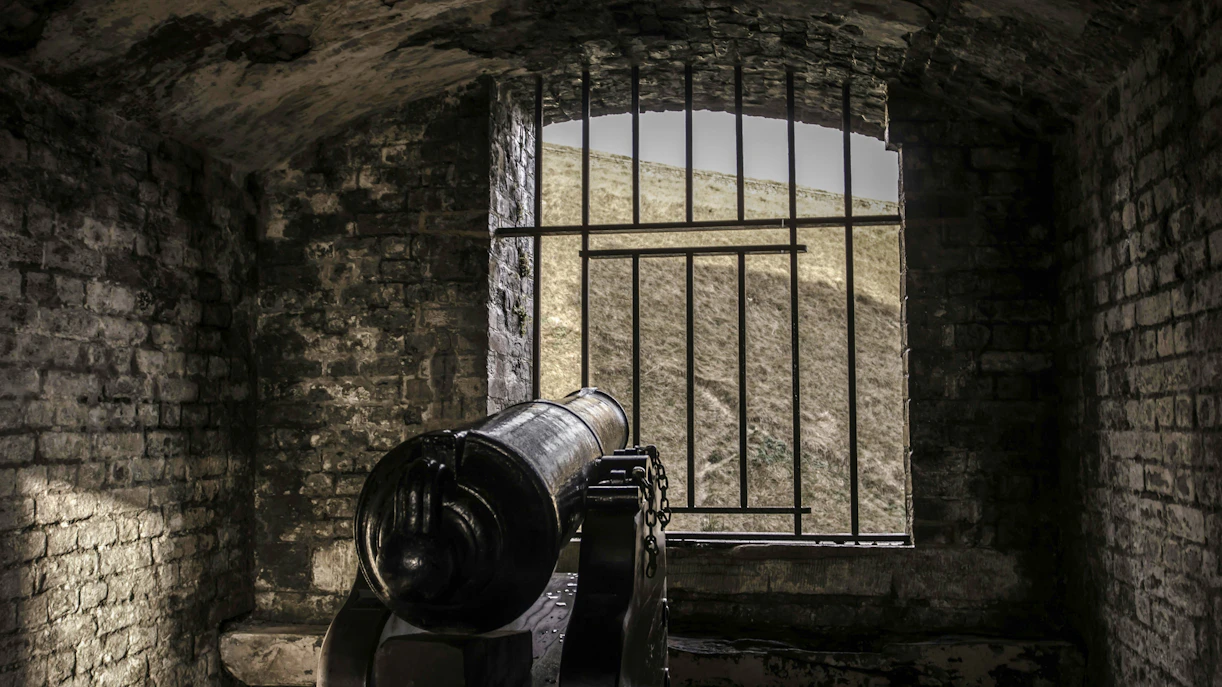
History of Dover Castle wartime tunnels
- Napoleonic-era tunnel origins: The earliest tunnels were excavated during the Napoleonic Wars to house troops defending Britain’s vulnerable southeastern coastline from potential invasion threats.
- Expansion during the Second World War: Existing underground passages were expanded and modernised before World War II, transforming Dover Castle into a strategically important military command centre.
- Operation Dynamo coordination hub: During 1940, military commanders directed the Dunkirk evacuation from these tunnels, coordinating naval rescue operations across the English Channel under immense pressure.
- Conversion into underground medical facilities: Later wartime developments adapted sections of the tunnel network into hospitals prepared for emergency treatment during expected bombing raids and invasions.
- Continued Cold War military relevance: After World War II, parts of the underground complex remained operational for military and civil defence purposes during early Cold War tensions.
- Preservation as a historic attraction: The tunnels eventually opened to visitors, allowing modern audiences to explore authentic wartime spaces while learning about Dover’s military significance across centuries.
Visitor tips for Dover Castle wartime tunnels
- Book earlier time slots: Morning tunnel entries are usually quieter, making guided sections feel less crowded and allowing more time to explore surrounding castle attractions afterward.
- Wear an extra light layer: Tunnel temperatures remain noticeably cooler than outdoor areas, even during summer, because of the underground chalk passage environment beneath the castle.
- Allow extra time between attractions: Walking distances across Dover Castle are larger than many visitors expect, especially when combining tunnels, towers, exhibitions, and cliffside viewpoints together.
- Prioritise the tunnel tour first: The Dover Castle wartime tunnels operate on scheduled entry times, so visiting early helps avoid rearranging the rest of the day around availability.
- Pay attention during introductions: The opening presentations provide useful historical context that makes later tunnel rooms, reconstructed spaces, and wartime communication areas much more meaningful.
- Combine with the Great Tower visit: Experiencing both medieval royal spaces and underground wartime headquarters highlights how Dover Castle evolved across entirely different historical periods and threats.
- Expect dim lighting in sections: Certain tunnel areas intentionally use darker lighting and sound effects to recreate wartime atmosphere, which can feel surprisingly immersive underground.
- Spend time in the exhibition areas: Many visitors rush through displays, but photographs, wartime maps, and personal accounts add important depth beyond the reconstructed tunnel environments themselves.
Frequently asked questions about Dover Castle wartime tunnels
The Dover Castle wartime tunnels are underground military passages used as command centres, hospitals, and operational headquarters during major twentieth-century conflicts.
Tunnel access is generally included with standard castle tickets, though timed-entry availability can vary during busy seasons and school holiday periods.
Most visitors spend around 45 minutes to one hour exploring the Dover Castle wartime tunnels, including presentations and guided sections.
Certain exhibition areas are self-guided, but parts of the Dover Castle wartime tunnels follow managed or guided visitor routes for safety reasons.
Yes, older children usually enjoy the immersive wartime storytelling, though darker lighting and sound effects may feel intense for younger visitors.
World War II history dominates the experience, particularly Operation Dynamo, though the tunnels originally date back to earlier military defence periods.
Accessibility within the tunnels is limited because of gradients, confined spaces, and historic underground layouts, though alternative provisions may sometimes exist.
Photography is generally permitted in most sections, though flash use may occasionally be restricted during presentations or audiovisual sequences.
Comfortable footwear and a light jacket are recommended because tunnel floors can be uneven and underground temperatures remain consistently cool year-round.
Absolutely. The Dover Castle wartime tunnels provide a dramatically different perspective, revealing the fortress’s crucial twentieth-century military role beneath the medieval structure.


