Hours, directions, entrances and the best time to arrive
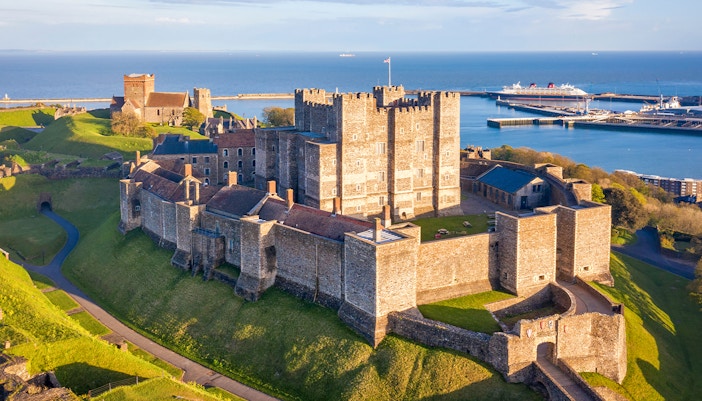
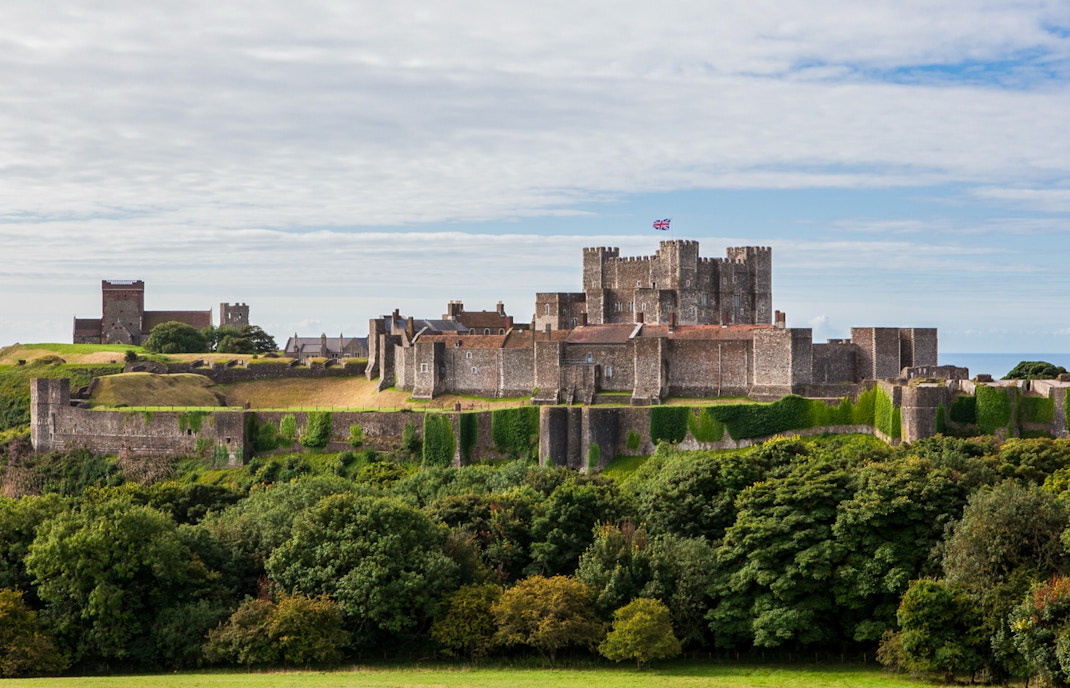
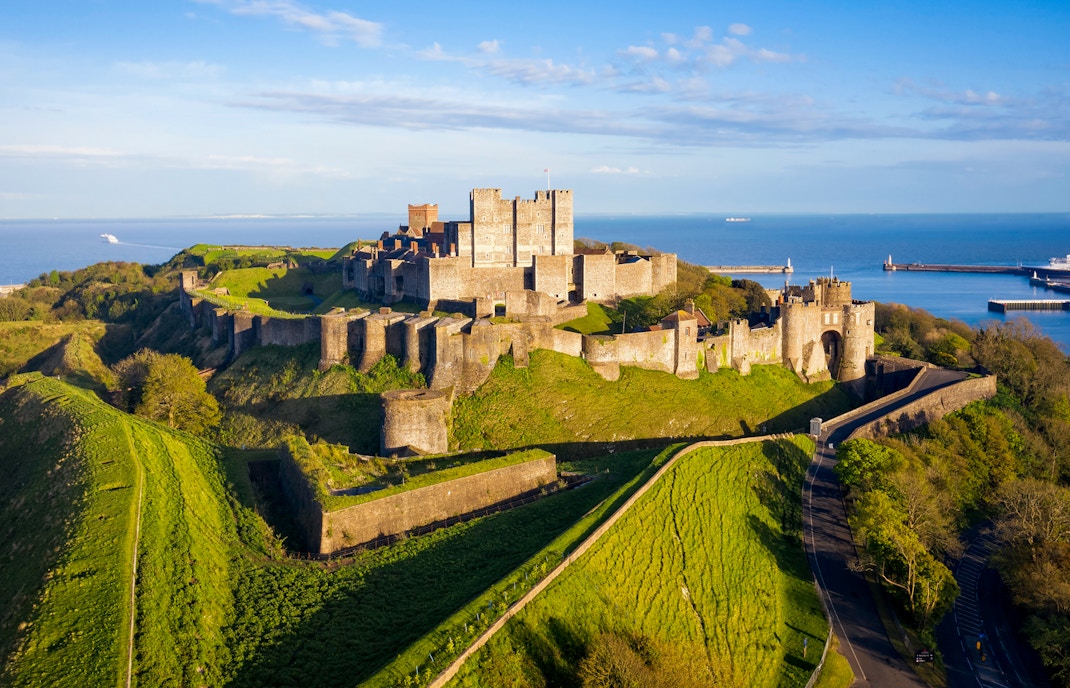
Dover Castle is a vast hilltop fortress best known for its medieval Great Tower, wartime tunnels, and commanding position above the White Cliffs. A visit feels bigger than many first-time visitors expect because the site spreads across steep outdoor paths, exhibitions, and underground spaces rather than one compact building. The key to a smoother day is planning your tunnel visit and broader route together, not treating them as separate stops. This guide covers timing, entrances, tickets, and what to prioritize once you’re inside.
This is the section to read before you book, because the best visit here depends as much on timing and route as on the ticket itself.
🎟️ Morning slots for Dover Castle are likeliest to go first in summer. Lock in your visit before the time you want is gone. See ticket options
Hours, directions, entrances and the best time to arrive
Visit lengths, suggested routes and how to plan around your time
Compare all entry options, tours and special experiences
How the site is laid out and the route that makes most sense
Great Tower, Secret Wartime Tunnels, medieval defenses
Restrooms, parking, accessibility details and family services
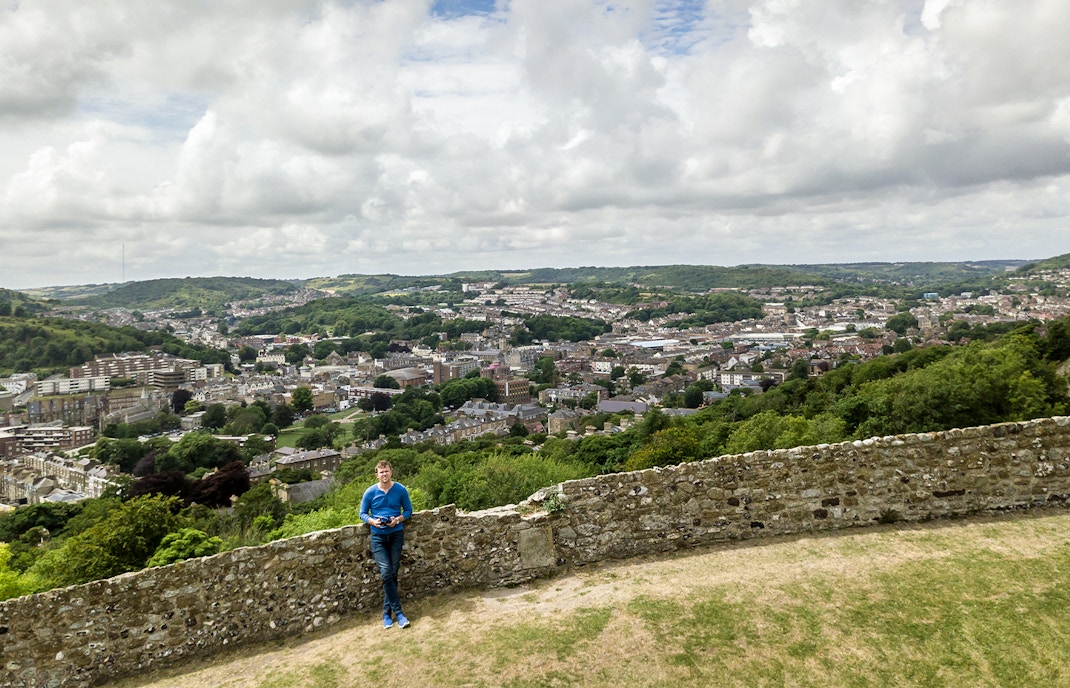
Dover Castle sits above Dover town center on the eastern side of town, about a 10-minute walk uphill from Dover Priory station and close enough to combine with other Dover sights.
Castle Hill Rd, Dover CT16 1HU, United Kingdom
→ Open in Google Maps (Google Maps: ‘Dover Castle’)
Full getting there guide
Dover Castle works well as a regional day trip, especially from London and other Kent bases with direct rail connections.
Most visitors use the same main visitor entrance, but the real choice is whether you arrive with a pre-booked ticket or join the on-the-day admissions flow.
Full entrances guide
When is it busiest? Late mornings on weekends, plus weekdays in July and August, are the busiest because families cluster around tunnel visits and lunch breaks.
When should you actually go? A weekday slot soon after opening gives you a quieter first hour in the Great Tower and more freedom to shape the rest of the site around the tunnels.
| Visit type | Route | Duration | Walking distance | What you get |
|---|---|---|---|---|
Highlights only | Main entrance → Great Tower → Secret Wartime Tunnels → main viewpoints → exit | 2–2.5 hrs | ~2 km | Covers the headline sights and best views, but skips much of the wider defensive landscape and any slower exploration of the grounds. |
Balanced visit | Main entrance → Great Tower → wartime tunnels → medieval gardens → Roman and medieval exhibitions → ramparts → exit | 3–4 hrs | ~3.5 km | Adds the context that makes the castle feel more than a quick fortress stop, especially if you want both royal and military history. |
Full exploration | Main entrance → Great Tower → wartime tunnels → exhibitions → gardens → outer walls and gates → broader hilltop circuit → exit | 4.5+ hrs | ~5 km | Gives you the fullest sense of how the site evolved across centuries, but it’s a more tiring visit with repeated climbs and longer outdoor sections. |
| Ticket type | What's included | Best for | Price range |
|---|---|---|---|
Standard admission | Entry to the main site + permanent exhibitions + battlements + historic defenses | A visit where you want freedom to set your own pace and cover the castle’s main areas without committing to a fixed schedule | From $25 |
Skip-the-line admission | Entry + faster access line | A busy summer visit where you want to spend more time inside the castle than in the on-the-day admissions queue | |
Guided tour | Entry + guide + historical commentary | A first visit where the military, medieval, and wartime layers will be more rewarding if someone connects them for you | |
Family pass | Entry for multiple family members + family-value pricing | A group visit where buying separately adds cost and you want one simpler booking for the day | |
Combo ticket | Entry + nearby attraction pairing | A Kent day out where you want to link Dover Castle with another stop instead of making it a standalone visit |
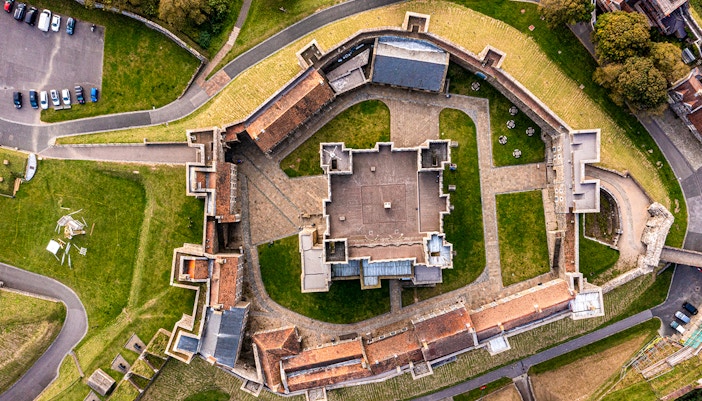
Dover Castle is best explored on foot, and it’s large enough that a route matters if you want more than the headline sights. The Great Tower sits as the visual and historical anchor, but some of the most important wartime and defensive areas pull you away from it.
Suggested route: Start with the area that has the firmest timing on the day — often the wartime tunnels — then move to the Great Tower, and leave the ramparts and gardens for later, when most visitors are already heading out.
💡 Pro tip: Pick up the site map before you head uphill or underground — once you’re moving between the tower, tunnels, and outer defenses, the castle feels much larger than it first looks.
Get the Dover Castle map / audio guide


Era: 12th century
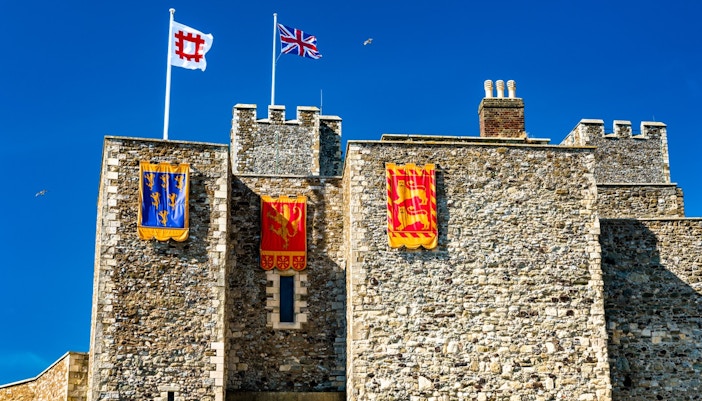
This is the castle’s medieval centerpiece, and it’s where the royal side of Dover Castle comes into focus. The restored interiors are useful not just because they look impressive, but because they make the site feel lived in rather than purely military. What many visitors rush past is the payoff at the top — the views explain exactly why this fortress mattered for so long.
Where to find it: At the heart of the upper castle, reached from the main visitor route after entering the site.
Era: World War II
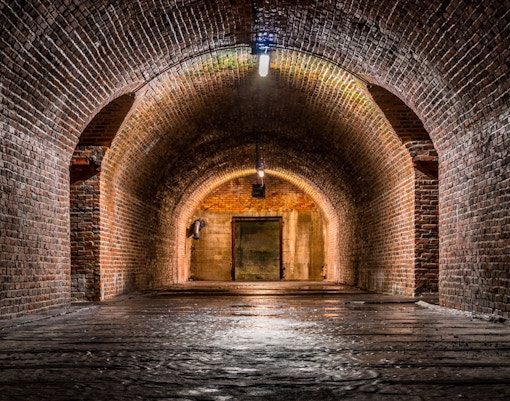
These tunnels are the clearest reminder that Dover Castle is not just a medieval monument. The underground spaces bring the Dunkirk story and the castle’s command role into the visit in a way that the surface buildings can’t. What people often miss is how much context the sequence matters — arriving tired and late can make this section feel more rushed than it should.
Where to find it: Within the lower wartime area of the site, signposted from the main castle route.
Era: Medieval reconstruction
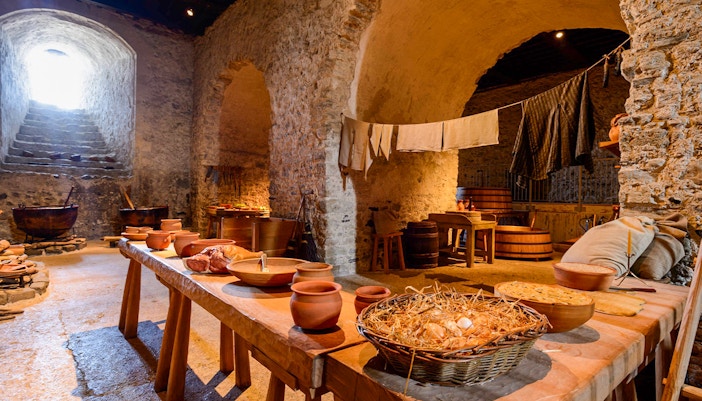
The gardens are easy to dismiss as a pleasant extra, but they do something important: they slow the visit down and show how domestic and practical castle life worked beyond defense. Many visitors skip them because the crowd flow pulls them straight between the tower and tunnels. If you want a quieter stop with real historical texture, this is it.
Where to find it: Near the Great Tower precinct, tucked into the upper-castle area.
Era: Medieval to later military phases
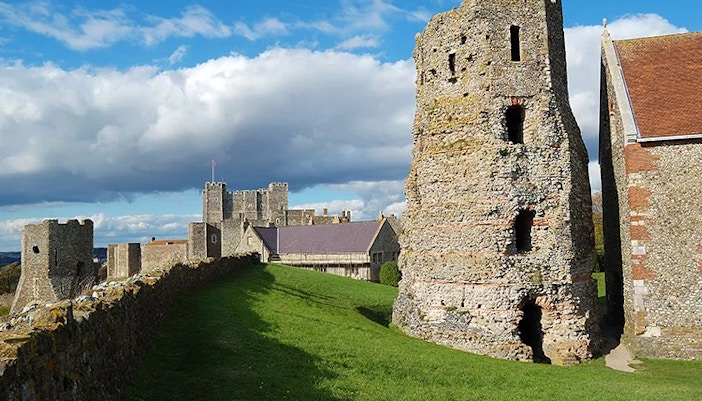
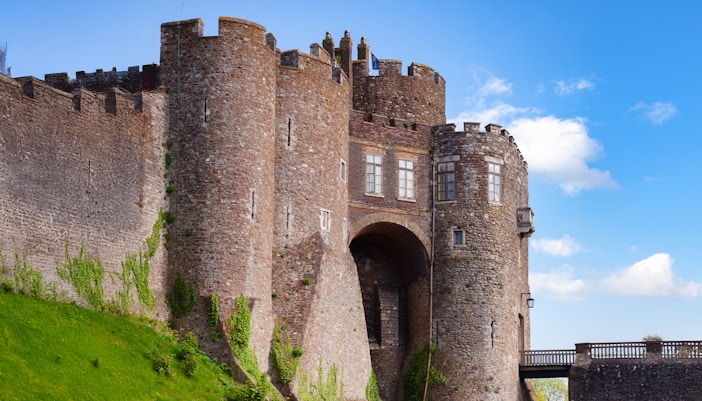
These are what make Dover Castle feel like a full fortress rather than a single historic building. Walking the outer areas helps you read the scale of the defenses and the strategic position over the Channel. The detail most visitors miss is that the best sense of the site’s size comes here, not from the tower interiors.
Where to find it: Along the outer circuits and defensive edges beyond the main visitor buildings.
Era: Roman to medieval
These displays add the long timeline that ties the whole site together. They’re especially useful if you’ve already seen the Great Tower and tunnels and want to understand how Dover’s military role changed across centuries. Many people rush through them late in the visit, but they’re what turn the day from sightseeing into a fuller historical read.
Where to find it: In exhibition spaces within the main castle complex, signed from the central visitor route.
Dover Castle works well for children because it mixes big views, open space, and hands-on history more effectively than many formal heritage sites.
Photography is generally permitted across much of Dover Castle, but some exhibitions, reenactments, or sensitive indoor spaces may carry local restrictions. The important distinction is not indoor versus outdoor, but whether a specific display or room has posted rules. If in doubt, expect flash-free photography to be the safer option, and assume tripods or bulky equipment may need separate permission.
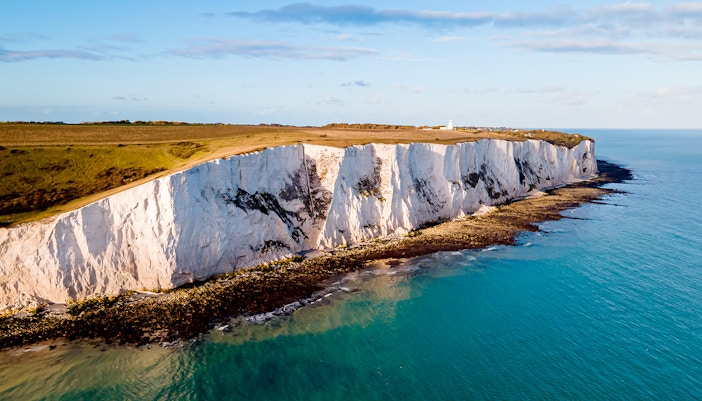
White Cliffs of Dover
Distance: 2 km — 5 min by car
Why people combine them: They share the same dramatic coastal setting, and the castle makes more sense once you’ve seen how exposed and strategic the cliff-top position really is.
Book / Learn more
Dover Museum
Distance: 1.5 km — 20 min walk
Why people combine them: It’s an easy second stop if you want to keep the history theme going without committing to another large site after the castle’s uphill walking.
Book / Learn more
Roman Painted House
Distance: 1 km — 15 min walk
Worth knowing: It’s a smaller stop, but it adds another Roman layer to Dover if the long timeline of the castle interests you.
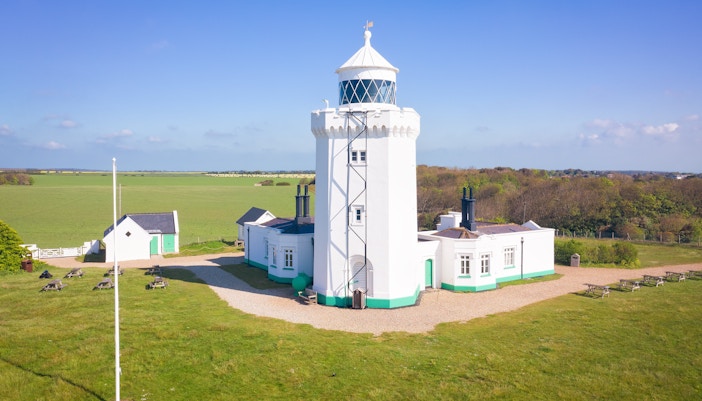
South Foreland Lighthouse
Distance: 5 km — 10 min drive
Worth knowing: This is better as a scenic add-on than a same-theme pairing, but it works well if you want more coastline after the castle.
If you’re making Dover Castle the centerpiece of a short Dover stay, sleeping nearby is convenient and keeps the hilltop visit simple. The immediate area is practical rather than atmospheric, though, and many travelers prefer Dover as a one-night stop or day trip rather than a longer base. If your trip is broader than Dover alone, other Kent bases are often easier.
Most visits take 2–4 hours. If you only want the Great Tower, the wartime tunnels, and the main viewpoints, you can finish closer to 2 hours, but a fuller route across the wider defenses and exhibitions needs at least half a day.
Yes, booking in advance is the smarter choice, especially in summer and on weekends. Around 75% of bookings are made within a week of visiting, so popular morning times can tighten quickly even when the site is not completely sold out.
Yes, it can be worth it on summer weekends and school-holiday days. Dover Castle is not an all-year queue-heavy site, but faster entry is useful when late-morning walk-up lines cut into a visit that already involves several hours of walking.
Arrive 10–15 minutes early for a smoother start. That gives you enough time to get through admissions, pick up a map, and check whether the Secret Wartime Tunnels will affect the order of your visit.
Yes, a small backpack is usually the easiest option for this site. The bigger issue is comfort rather than policy, because Dover Castle involves outdoor walking, slopes, and repeated transitions between exhibitions and open ground.
Yes, photography is generally allowed in much of the site. You should still watch for local restrictions in specific exhibitions or indoor displays, and flash-free photography is usually the safest assumption where rules are tighter.
Yes, Dover Castle works well for groups. The site is large enough to spread people out, but groups benefit most when they pre-book and agree a route in advance, especially if they want both the Great Tower and the wartime tunnels.
Yes, it’s one of the more family-friendly historic sites in the region. Children usually engage best with the tower rooms, tunnels, and open defensive spaces, while a shorter 2–3 hour route is more realistic than trying to cover everything.
Partly, yes. Dover Castle provides accessible facilities, ramps, and parking, but the historic layout means some areas remain difficult or impossible to access because of steps, steep paths, and the age of the structures.
Yes, there is a café on-site serving refreshments and light meals. It’s most useful as a practical pause during the visit, while broader dining options are easier to find back down in Dover town center.


Inclusions #
Exclusions #


Inclusions #