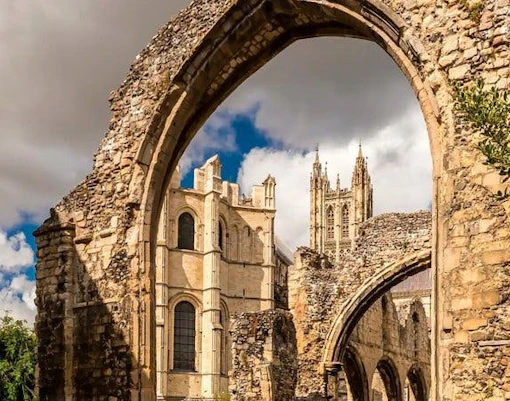
Long before cathedral spires defined the skyline, Canterbury was the Roman town of Durovernum Cantiacorum. Parts of the Roman street grid, city walls, and archaeological remains still shape the modern centre, which is why walking through Canterbury can feel unusually layered — its medieval lanes often follow much older urban lines.
12 interesting facts about Canterbury in Kent
Canterbury’s streets compress nearly 2,000 years of history into one walk, from Roman walls to a UNESCO-listed cathedral precinct. That layered past shaped English religion, literature, and city life in ways that still feel visible today.
Interesting facts about Canterbury
Roman roots run deep
A UNESCO Site in three parts
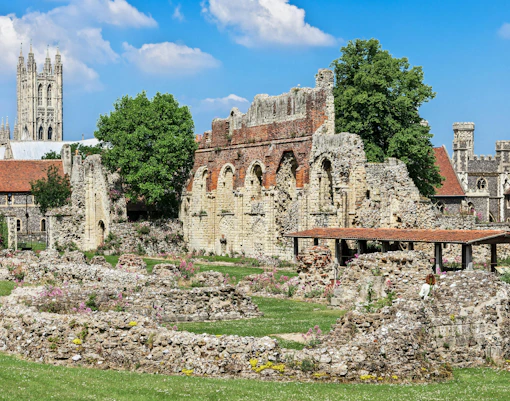
Canterbury’s World Heritage status doesn’t rest on the cathedral alone. UNESCO inscribed Canterbury Cathedral, St Augustine’s Abbey, and St Martin’s Church together because, as a group, they illustrate the reintroduction of Christianity to southern England and the city’s exceptional religious importance from the late sixth century onward into the Middle Ages.
Becket changed Canterbury’s fate
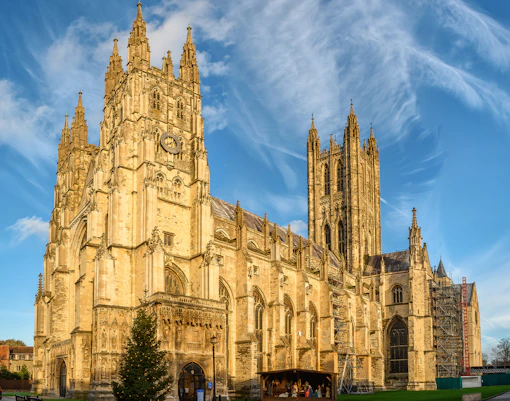
In 1170, Archbishop Thomas Becket was murdered inside Canterbury Cathedral by four knights who believed they were acting for Henry II. His death shocked medieval Europe, and the shrine that later rose over his tomb turned Canterbury into one of Christendom’s major pilgrimage destinations until Henry VIII ordered its destruction in 1538.
Pilgrims fueled the local economy
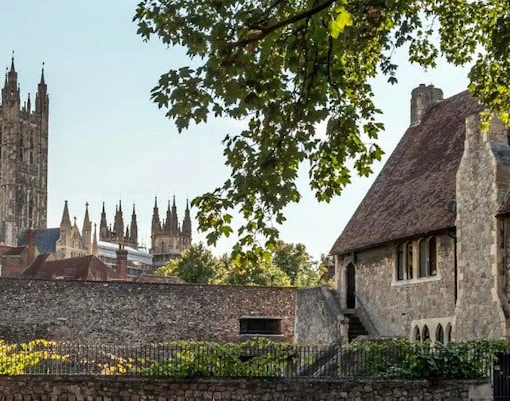
For centuries, Canterbury wasn’t only spiritually important — it was commercially transformed by pilgrimage. Streams of travellers needed food, lodgings, souvenirs, guides, and worship spaces, so inns, markets, and religious institutions prospered around the cathedral precinct. Much of the city’s medieval character makes more sense once you remember it grew around movement as much as devotion.

Chaucer made Canterbury iconic
Geoffrey Chaucer’s The Canterbury Tales gave the city a literary afterlife that far outlasted the Middle Ages. Written in the late 14th century, the work follows pilgrims travelling to Becket’s shrine and helped fix Canterbury in the English imagination as a place where faith, storytelling, and social observation all meet.
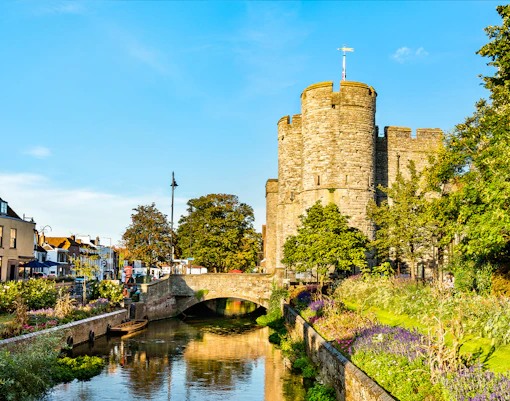
Westgate still stands guard
Approaching the old town from the west, you pass through a structure that once controlled entry to medieval Canterbury. Westgate Towers, built in the 14th century, is widely described as the largest surviving medieval gateway in England. It’s a reminder that Canterbury was not just a pilgrimage city, but also a defended one.
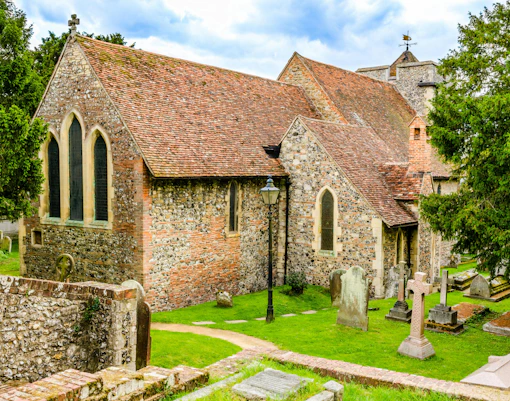
England’s oldest parish church
A short walk from the center stands St Martin’s Church, recognized as the oldest church in England still in use as a parish church. Its importance reaches beyond age alone: Queen Bertha is said to have worshipped here before Augustine’s mission, linking the site to the Christianization of Anglo-Saxon England.
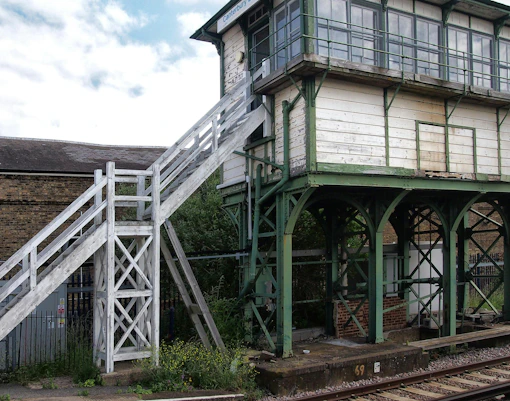
Pioneered the world's first steam railway
In 1830, Canterbury became home to the world’s first regular passenger steam railway service, known as the Canterbury and Whitstable Railway. Locally nicknamed the "Crab and Winkle Line," it carried both passengers and local goods between the inland city and the coastal harbour town of Whitstable.
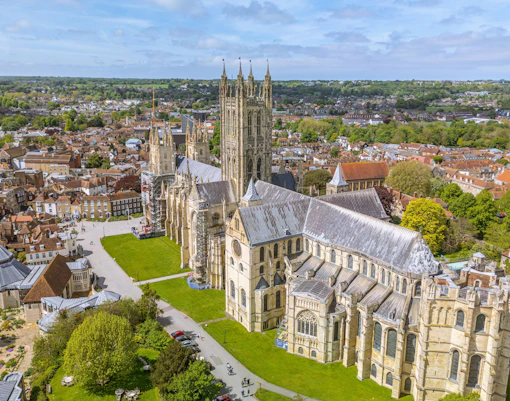
War left visible scars
Canterbury’s historic appearance can make it seem untouched, but the city was heavily affected by the Baedeker Blitz in 1942. Bombing damaged large areas of the centre, destroyed buildings, and forced difficult reconstruction choices after the war. That’s why today’s streetscape mixes surviving medieval fabric with distinctly postwar architecture and planning.
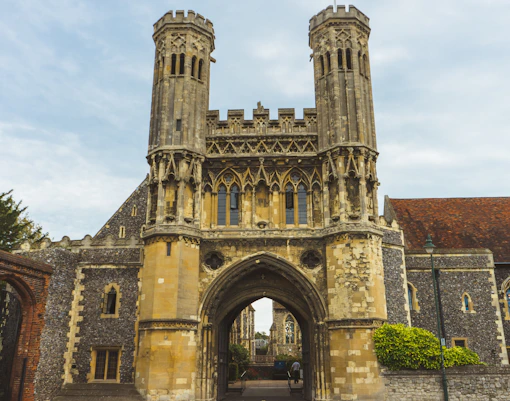
World’s oldest continuously operating school
Established in 597 AD alongside the cathedral by Saint Augustine, The King’s School in Canterbury is widely recognised as the oldest continuously operating school in the world. It has educated notable figures over the centuries, seamlessly blending ancient heritage with a modern educational curriculum.
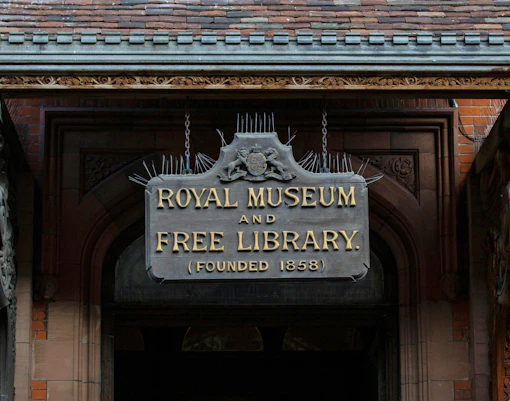
Birthplace of Rupert Bear
The beloved British children's comic character Rupert Bear was created by Canterbury resident Mary Tourtel in 1920 for the Daily Express. Today, the local Beaney House of Art & Knowledge museum features artwork and exhibits dedicated to celebrating the history of the famed cartoon character.

A high-density university hub
Despite its small population and historic atmosphere, Canterbury is a thriving contemporary student hub. Home to the University of Kent, Canterbury Christ Church University, and the University for the Creative Arts, the city boasts one of the highest ratios of university students to permanent residents in the UK.
Frequently asked questions
Canterbury is world-famous for Canterbury Cathedral, being the seat of the Archbishop of Canterbury, and its UNESCO World Heritage Sites. It is also well-known as the setting for Geoffrey Chaucer's famous literary collection, The Canterbury Tales.
No, Canterbury is not in London. It is a cathedral city located in the county of Kent in southeast England, approximately 55 miles southeast of central London (around an hour away via high-speed train).
Canterbury Cathedral was originally founded in 597 AD by Saint Augustine. While it was rebuilt and enlarged substantially in Norman and Gothic architectural styles during the 11th through 15th centuries, its origins span back over 1,400 years.
During the Roman occupation of Britain, Canterbury was named Durovernum Cantiacorum. Established around 43 AD following Emperor Claudius' invasion, it served as an important administrative center connected to major coastal ports via Watling Street.
Pilgrims traveled to Canterbury to visit the holy shrine of Archbishop Thomas Becket inside the cathedral. Following his brutal murder in 1170, miracles were attributed to his martyrdom, turning the city into one of Europe's top pilgrimage destinations.
Yes, Canterbury is surrounded by extensive stone walls originally built by the Romans in the late 3rd century. Rebuilt and reinforced throughout the Middle Ages, they include the famous Westgate Towers, England's largest surviving medieval gateway.
The King’s School in Canterbury was established in 597 AD alongside the cathedral by Saint Augustine. It is widely recognized as the oldest continuously operating school in the world, educating students for over 1,400 years.
The "Crab and Winkle Line" was the local nickname for the Canterbury and Whitstable Railway, which opened in 1830. It made history as the world’s first regular passenger steam railway service, connecting the city to the coastal port of Whitstable.
The most famous event in Canterbury was the assassination of Archbishop Thomas Becket in 1170. He was murdered inside Canterbury Cathedral by four knights loyal to King Henry II, an event that shocked medieval Europe and turned the city into a global pilgrimage destination.
Written by Geoffrey Chaucer in the late 14th century, The Canterbury Tales is a foundational work of English literature written in Middle English. It portrays a group of 29 pilgrims from diverse social classes who share stories to pass the time on their journey from Southwark to Thomas Becket’s shrine in Canterbury.
Canterbury is over 2,000 years old. Before the Romans founded the town of Durovernum Cantiacorum in 43 AD, the area was inhabited by an Iron Age Celtic tribe known as the Cantiaci.


