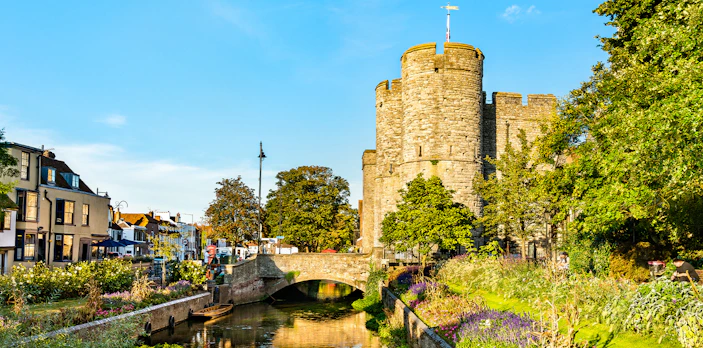
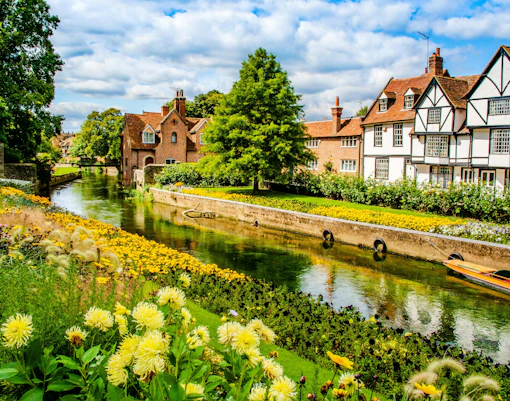
Spring brings daily highs rising from 10°C to 17°C, with blooming gardens along the River Stour and manageable visitor numbers. Rain showers are frequent but brief, making it an ideal time for heritage walks and cathedral visits without peak-summer crowds.
Canterbury weather: Season by season
Fast facts about weather at Canterbury
How your Canterbury experience varies each season
Spring (March–May)
Summer (June–August)
Autumn (September–November)
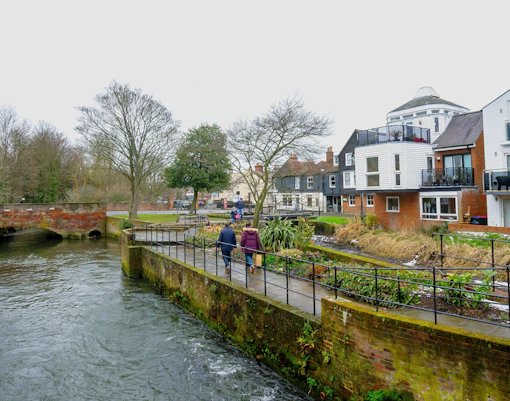
Winter (December–February)
Best month to visit Canterbury
| Period | Avg. temperature (City) | What to expect | Ground/trail conditions | Best-suited activities |
|---|---|---|---|---|
Dec–Feb | 2°C to 8°C | Quiet streets, festive lights in December, and cool, short days requiring warm layers. | Mostly dry paved paths; damp cobblestones and occasional mud on riverbanks. | Exploring Canterbury Cathedral, museum visits, and traditional pub dining. |
Mar–Apr | 5°C to 12°C | Early blooms, mild spring days, and moderate crowds during school holiday periods. | Generally firm city walks; light mud in surrounding parklands after spring showers. | Walking tours, riverbank strolls, and early-season heritage trips. |
May–Jun | 9°C to 19°C | Long daylight hours, comfortable warmth, and lush park greenery before peak crowds arrive. | Dry paved streets and ideal walking conditions on local footpaths. | Punting on the River Stour, garden walks, and outdoor historic sightseeing. |
Jul–Aug | 13°C to 23°C | Warmest weather of the year, bustling streets, vibrant outdoor dining, and high visitor volume. | Dry, stable ground throughout the city and surrounding trail routes. | Open-air theater, river punting, day trips to the nearby Kent coast, and sightseeing. |
Sep–Oct | 8°C to 17°C | Autumn foliage, comfortable walking temperatures, and declining crowd numbers after August. | Mostly dry, though fallen leaves and rain in October can make paths damp. | Photography around Westgate Gardens, historical walking tours, and cultural events. |
Nov | 4°C to 10°C | Off-peak quiet, cooler air, and atmospheric misty mornings along the historic lanes. | Damp cobblestones and wet park paths; brief daylight windows. | Indoor historical exhibits, Cathedral choir evensong, and uncrowded shopping. |


