Canterbury timings and best time to visit

Best time to visit Canterbury town

Season/MonthFirst departure Last departure FrequencyNotes & operational details

May – August (Peak summer)

5:30am (Southeastern HS1 Train)/9am (Westgate Gardens)

11:30pm (HS1 Return)/Dusk (~9pm Sunset)

Trains every 30 mins; River Punts every 15–20 mins

Long daylight hours (~16h) bring packed High Street crowds. Punting on the Great Stour River is operational late into the evening; advance booking is strongly recommended.

September – November (Autumn)

6am (Trains)/9am (Attractions)

10:30pm (HS1 Return)/Dusk (~4:30pm Sunset)

Trains every 30–60 mins; River Punts hourly (Weather Permitting)

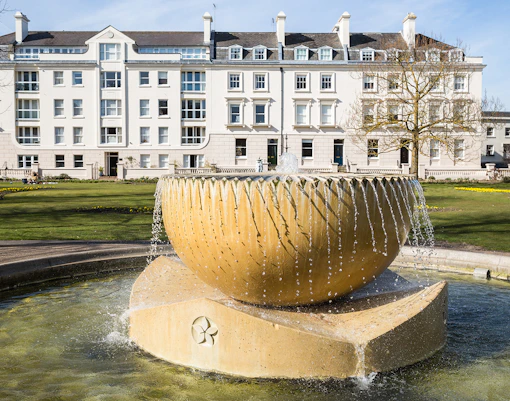
Moderate daylight hours (~10h). Beautiful golden foliage along Westgate Gardens. October brings the Canterbury Festival with altered street traffic and event closures.

December – February (Winter)

6am (Trains)/9am (Attractions)

10pm (HS1 Return)/Dusk (~4pm Sunset)

Trains every 60 mins; River Punts closed (Except special holidays)

Short daylight hours (~8h). The medieval center lights up for Christmas markets. Punting is mostly suspended; coastal fog or heavy frost can slow local bus services.

March – April (Spring)

5:30am (HS1 Train)/9am (Westgate Gardens)

11pm (HS1 Return)/Dusk (~7:30pm Sunset)

Trains every 30 mins; River Punts every 30 mins

Mild daylight (~12h). Spring blooms fill Westgate Gardens and Blean Woods trails. Off-peak rail fares offer cheap travel ahead of summer school holidays.

Timing notes & visitor warnings

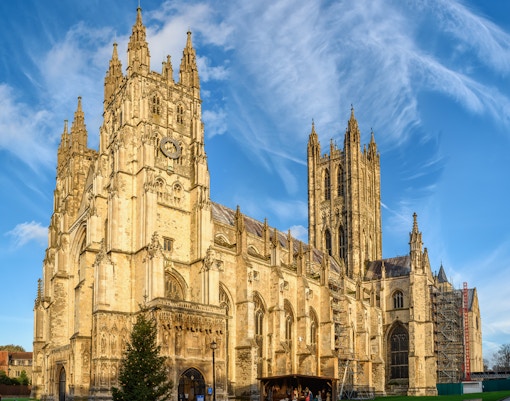
  • Cathedral visits usually end with last entry at 4pm, so arriving late from London heavily compresses your historic centre sightseeing time.
  • Weekend guided city walking tours add a 2pm departure, but mid-morning streets and popular lunch spots feel noticeably busier.
  • Full-day coach tours from London typically run 10–12 hours, requiring extra buffer time before evening dinner or theatre plans.
  • Winter daylight fades rapidly by 4pm, making an arrival before 10am essential to fit inside major historic sights comfortably.
Official timetable & further info

Schedules and opening hours across Canterbury can shift around cathedral religious services, seasonal maintenance, weather conditions, and holiday events. Before travelling from London, check real-time travel updates on the Visit Canterbury Travel & Parking Page.

Best time to visit Canterbury

For most travellers, late spring and early autumn offer the best balance of daylight, weather, and crowd levels. Summer is best for long sightseeing days, while winter suits visitors who prefer a festive atmosphere and don’t mind a tighter schedule from London.

Spring

Pros: Mild weather, longer afternoons, and lower crowd pressure than summer make spring a strong all-round choice for a day trip from London. Cathedral visits usually feel more relaxed, and gardens start looking lively again.
Cons: Easter vacation weeks can raise crowd levels and prices. Showers are common, so outdoor wandering around the old town can feel stop-start.

Summer

Pros: Long daylight makes summer the easiest season for fitting in Canterbury Cathedral, lunch, riverside walks, and even a combined Dover stop. Streets feel lively, and outdoor seating is at its best.
Cons: This is the busiest and often priciest period. Coach groups, school breaks, and weekend visitors mean more crowding at the cathedral and along the main historic lanes.

Autumn

Pros: September and October are a sweet spot for many travellers. You still get decent daylight, cooler walking weather, and a calmer atmosphere than summer, which makes the old town feel easier to enjoy.
Cons: Days shorten steadily, and rain becomes more frequent. Late November gets busier again as festive events begin and weekends attract extra visitors.

Winter

Pros: December can feel atmospheric, especially if you like Christmas lights, quieter weekday streets, and a cosy pub stop after sightseeing. Winter also suits travellers who care more about mood than long touring hours.
Cons: Short daylight reduces flexibility, and colder, wetter weather can limit how long you’ll want to explore on foot. A combined Canterbury and Dover day can feel more rushed.

Mon–Thu

Pros: These are usually the easiest days for a calm London day trip. Trains, cathedral entry, and lunch spots often feel more manageable, especially outside school vacations and holiday periods.
Cons: Some smaller businesses can feel less animated than on weekends, and rainy weekdays can make the city centre feel quieter than some travellers expect.

Friday

Pros: Friday gives you a lively atmosphere without always reaching full weekend crowd levels. It’s a good pick if you want energy in the old town but still hope for a smoother visit than Saturday.
Cons: Demand rises by late morning, and return travel to London can feel busier as the weekend begins.

Sat–Sun and bank holidays

Pros: Choose these days if you want the liveliest streets, fuller café terraces, and a busier city atmosphere. Weekend guided walks also offer the added 2pm departure.
Cons: These are the most crowded periods for cathedral visits, shops, and restaurants. Sundays can also feel less flexible around worship-related access patterns at religious sites.

Arrive before 10am

Pros: This is the smartest arrival window if you want the calmest start. You can be ready for the cathedral opening, stay ahead of many group arrivals, and still leave time for lunch and the old town.
Cons: It requires an early departure from London, which may feel less appealing if you prefer a slower morning.

Arrive 10am–1pm

Pros: This window still works well for most travellers, especially in spring and summer when daylight is generous. You can pair the cathedral with lunch and a shorter historic-centre walk.
Cons: Crowds build through late morning, and the day feels more compressed if you also want Westgate, riverside walks, or extra shopping time.

Arrive after 2pm

Pros: Late arrivals suit travellers who only want a compact wander, a meal, and a look around the historic streets. It can also work for repeat visitors who aren’t prioritising the cathedral interior.
Cons: This is the weakest option for a first visit. Cathedral time is limited, and winter afternoons leave very little room for relaxed sightseeing.

Weather at Canterbury

Spring (Mar–May)
Avg high/low: 8–15°C (46–59°F)
Conditions: Mixed sunshine and showers
Crowds: Moderate
Visibility: Good

Spring is one of the most comfortable seasons for walking Canterbury from the station to the cathedral and old town. The city feels fresher, and daylight improves quickly through the season. Easter weeks can get busier, but outside school breaks, this is a strong balance of weather and breathing room.

Summer (Jun–Aug)

Avg high/low: 15–23°C (59–73°F)
Conditions: Warm, brighter days, with occasional rain
Crowds: High
Visibility: Very good

Summer gives you the longest sightseeing window and the easiest conditions for a full day out from London. Streets, gardens, and riverside areas feel at their liveliest. The trade-off is crowd density, especially around Canterbury Cathedral, lunch hours, and weekend departures.

Autumn (Sep–Nov)

Avg high/low: 9–18°C (48–64°F)
Conditions: Cooler, changeable, with more rain later in the season
Crowds: Moderate
Visibility: Good to variable

Early autumn is especially appealing for travellers who want pleasant walking weather without peak-summer intensity. September and October often feel balanced and manageable. By November, daylight shortens, and wet weather can make a day trip feel more stop-and-go, though festive weekends bring extra atmosphere.

Winter (Dec–Feb)

Avg high/low: 3–9°C (37–48°F)
Conditions: Cold, damp, and occasionally windy
Crowds: Low to moderate
Visibility: Variable

Winter works best if you want mood, not maximum coverage. The shorter days mean you’ll need a tighter plan from London, especially for a first visit. December can feel festive, while January and February are quieter and often better for travellers who prioritise lower demand over perfect weather.

How long should I spend at Canterbury?
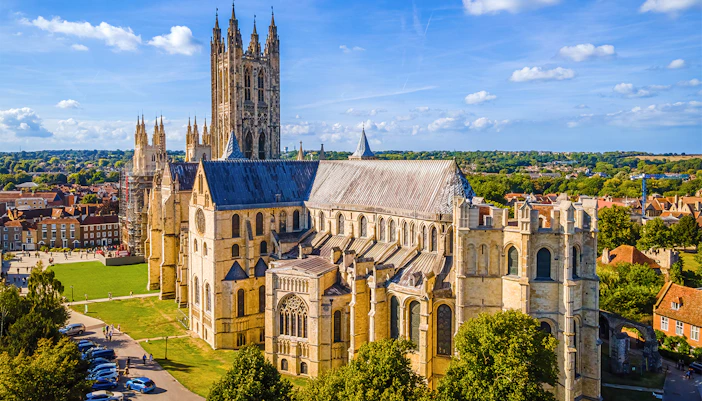
Most guided day trips from London take 10–12 hours door-to-door, but your actual time in Canterbury can vary depending on whether Dover is included. Use these time windows to judge how relaxed or rushed you want the city itself to feel.

With 2 hours

You’ll have enough time for a focused visit to Canterbury Cathedral and a short walk through the old town. This works best if Canterbury is one stop on a wider Kent itinerary, but lunch, Westgate, and slower browsing will feel compressed.

With 4 hours

This is the sweet spot for many first-time visitors. You can visit Canterbury Cathedral properly, pause for lunch, wander the main medieval streets, and still add Westgate Gardens or a riverside stretch without feeling like you are constantly checking the clock.

With 6+ hours

This works best for an independent train day trip from London. You can explore the cathedral, high street, Westgate, and St Augustine’s Abbey area at a gentler pace, with time for a sit-down meal, shopping, or a guided walk.

Frequently asked questions about the best time to visit Canterbury

For most travellers, late spring and early autumn are the strongest picks because they balance workable weather, solid daylight, and lighter crowds than summer. If you are visiting in summer, an earlier start from London makes a big difference.