Initially not intended as a prison, the Tower of London housed individuals accused of treason or religious infractions. Notable for incarcerating influential figures, the Tower had both regal comforts and harsh conditions for commoners. It witnessed 22 executions, the last in 1941.
Uncover fascinating Tower of London facts & secrets
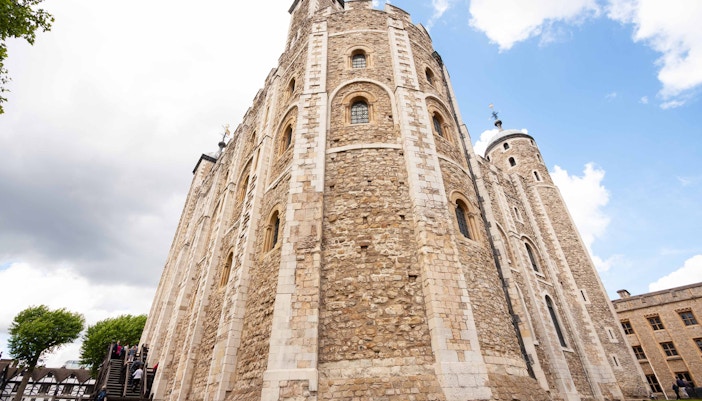
The Tower of London is a historical castle, one of the capital’s most known buildings that served multiple functions in British history. Apart from being a Royal Palace, the Tower was a fortress, prison, Royal Mint, Royal Zoo, and a jewel house. Currently, the Tower of London is one of England’s most popular tourist attractions. Discover the top 10 facts you need to know about the Tower of London.
9 Tower of London facts
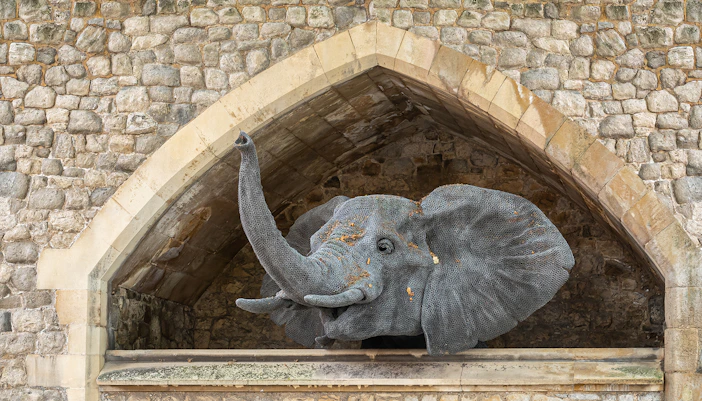
The Tower also housed an exotic zoo
The Royal Menagerie, established in the 12th century, showcased exotic animals gifted to monarchs. It featured African elephants, lions, tigers, kangaroos, and even a polar bear. This remarkable collection offered a glimpse into the wild, right in the heart of the kingdom.
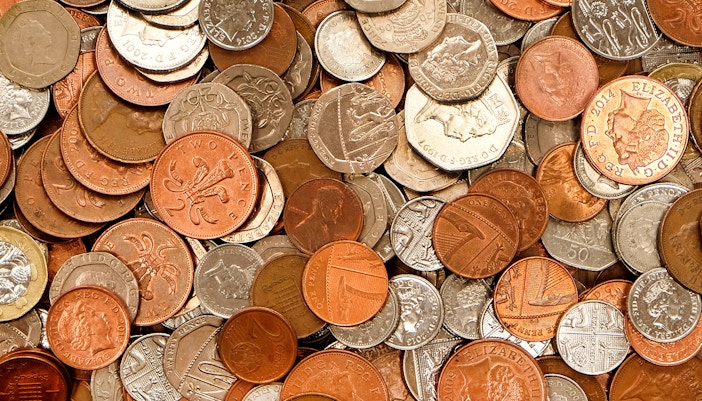
Most of England’s coins were made at the Tower of London
The Tower of London's mint produced England's coins for five centuries. Initially handcrafted, the mint introduced modern coin-making techniques and eventually relocated to a purpose-built facility in the 1800s.
The Tower has a hidden tunnel system
The Tower of London boasts a complex network of tunnels used for modern infrastructure and maintenance. The historic Tower Subway, built in 1869, is one of London's oldest tunnels, repurposed from a railway to a pedestrian route and then utilized for utilities and telecommunications.
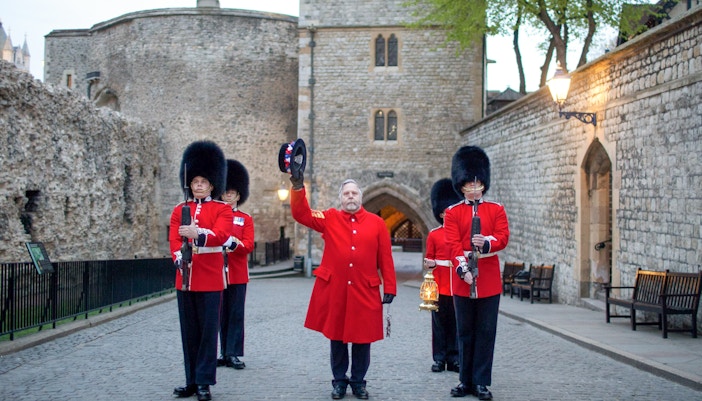
The Ceremony of the Keys is the Tower’s oldest surviving military ritual
The Ceremony of the Keys dates back to the mid-1300s. Each night before 10pm, the Chief Yeoman Warder locks the Tower's gates, a tradition begun by King Edward III to secure the fortress and protect the Crown Jewels. This ritual highlights its historical and symbolic significance.
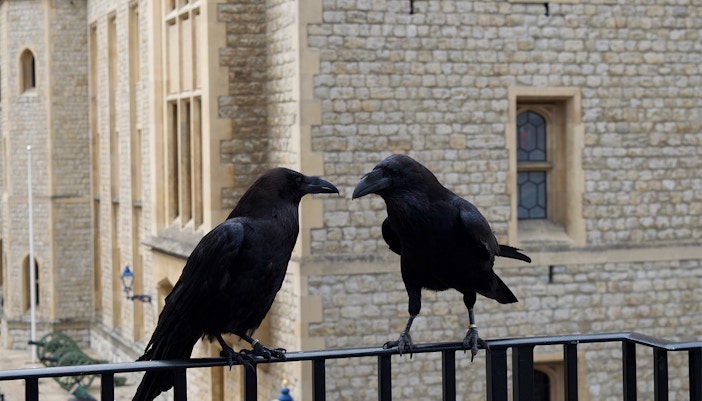
Ravens guard the Tower of London
The Ravens, currently 6 in number, are revered as guardians steeped in centuries-old legends. Housed as part of a tradition dating back to King Charles II, they symbolize protection for the Crown and the Tower. The Ravens are managed by the Ravenmaster who oversees their care.
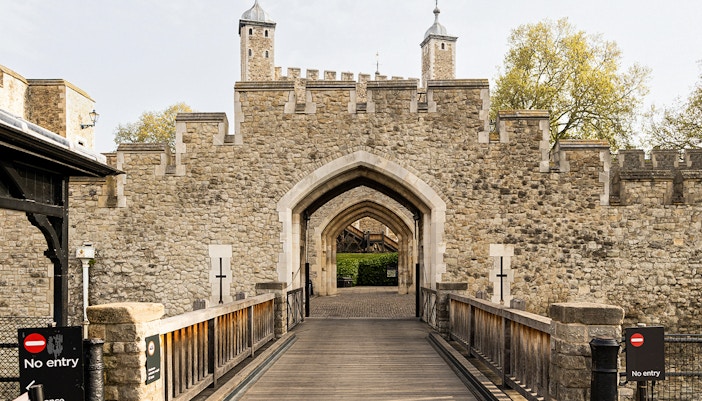
Ghosts are seen at the Tower of London
The Tower of London is famous for its ghost sightings, with reports dating back centuries. Notable apparitions include Anne Boleyn, who is seen headless at Tower Green, and the young prince Edward V and Richard, Duke of York, who are often spotted hand in hand.
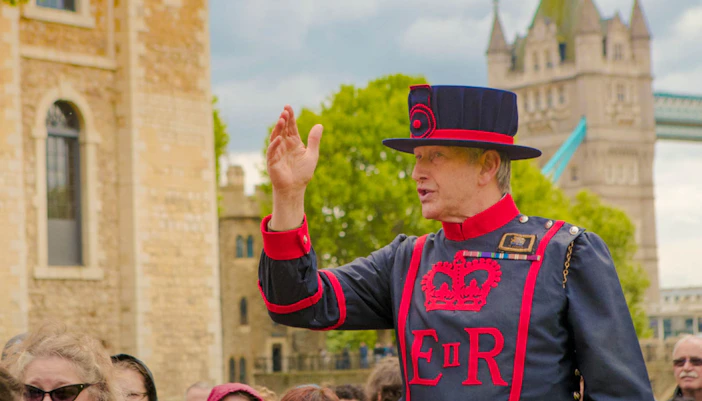
There’s more to the Yeomen Warders
The Yeomen Warders or Beefeaters have guarded the Tower of London since the 16th century. Their odd name stems from Henry VII, whose guards were allowed to eat as much beef as they wanted from the King's table. Their uniforms have pure gold thread, estimated at over £7,000 each!
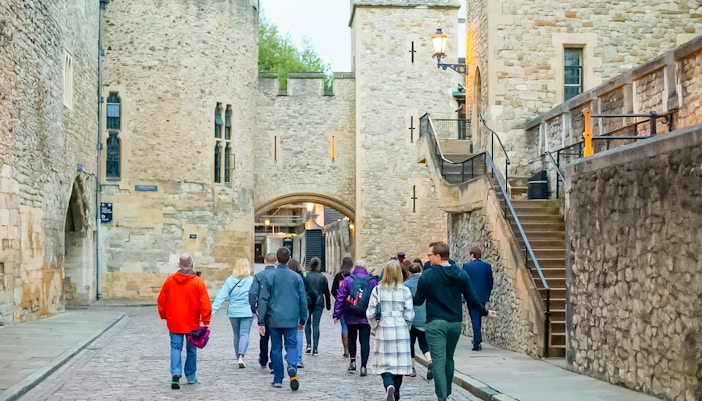
The Tower was a military base during the World Wars
During WWI, a bomb fell on the Tower, landing harmlessly in the moat. However, during WW II, the Blitz destroyed several buildings. One of the towers completely collapsed into the moat. During WWI, the moat was used as a training ground for recruits. Today, the Royal Fusiliers Regiment headquarters is still based here.
Frequently asked questions about Tower of London facts
The Tower of London is over 950 years old. Construction began around 1078 under William the Conqueror, making it one of London's oldest and best-preserved medieval landmarks.
No. Although it's famous as a prison, the Tower also served as a royal palace, fortress, armoury, treasury, mint, menagerie, observatory, and home to the Crown Jewels throughout its history.
According to legend, if the ravens ever leave the Tower, both the fortress and the kingdom will fall. To preserve this tradition, at least six ravens are always cared for by the Ravenmaster.
Only a small number of high-ranking prisoners—around 22 people—were executed within the Tower grounds. Most executions associated with the Tower actually took place publicly on nearby Tower Hill.
The Tower held many notable prisoners, including Anne Boleyn, Sir Thomas More, Lady Jane Grey, Guy Fawkes, Sir Walter Raleigh, and Princess Elizabeth, who later became Queen Elizabeth I.
The collection includes many historic pieces that are still used during coronations today. However, most of the medieval Crown Jewels were destroyed after the English Civil War, and the current regalia was recreated for Charles II in the 17th century.
The Tower has a long-standing reputation as one of Britain's most haunted landmarks. Numerous ghost stories are linked to figures such as Anne Boleyn, Lady Jane Grey, and the Princes in the Tower, though these remain part of local folklore.
The Tower is still home to the Yeoman Warders and their families, the Ravenmaster, resident ravens, and other staff responsible for maintaining the historic fortress and its traditions.
The Ceremony of the Keys is the Tower's nightly locking-up ritual that has taken place every evening for centuries. It remains one of the oldest continuously performed military ceremonies in the world.
Yes. For more than 600 years, the Tower housed the Royal Menagerie, where visitors could see exotic animals including lions, elephants, bears, monkeys, and even a polar bear that was allowed to fish in the River Thames.
Edward V and his younger brother Richard disappeared from the Tower in 1483 after being declared illegitimate. Their fate remains one of British history's greatest unsolved mysteries, with historians still debating what happened to them.


