Curious and energetic, Harris is often seen wandering across the Tower grounds, investigating visitors, objects, and anything else that catches his attention.
Meet the famous Tower of London Ravens
"If the ravens leave the Tower, the kingdom will fall."
Whether fact or folklore, this centuries-old legend has made the Tower of London's resident ravens some of Britain's most famous birds. More than just a tourist attraction, they're an enduring symbol of the fortress, cared for by a dedicated Ravenmaster and watched over as part of a tradition dating back hundreds of years. Each raven has its own name and personality, and spotting them wandering the grounds is one of the highlights of a visit. Before you head to the Tower, here's everything to know about these legendary guardians.
The legend behind the Tower of London ravens
- The prophecy of King Charles II: According to the most famous legend, King Charles II was warned that if the ravens ever left the Tower, both the fortress and the kingdom would fall. He reportedly ordered that at least six ravens should always remain, establishing a tradition that continues today.
- The Royal Observatory connection: One popular tale claims royal astronomer John Flamsteed complained that the ravens disrupted his observations from the White Tower. Charles II supposedly responded by establishing the Royal Observatory at Greenwich, though historians continue to debate whether this story is historically accurate.
- A link to Welsh mythology: Another legend traces the ravens' origins to Brân the Blessed, a giant and king in Welsh mythology. After his death, his head was said to be buried beneath the White Hill to protect Britain, later connecting the site with ravens and guardianship.
- History mixed with folklore: While the true origins of the Tower's ravens remain uncertain, centuries of royal tradition, folklore, and mythology have transformed them into one of Britain's most enduring symbols, attracting visitors from around the world eager to meet these legendary guardians.
Meet the current Tower of London ravens
The Tower of London is currently home to eight resident ravens, ensuring the legendary flock always remains above the traditional minimum of six. While the birds occasionally change as new ravens are introduced or older ones retire, each resident has its own personality and place within the Tower's centuries-old tradition.
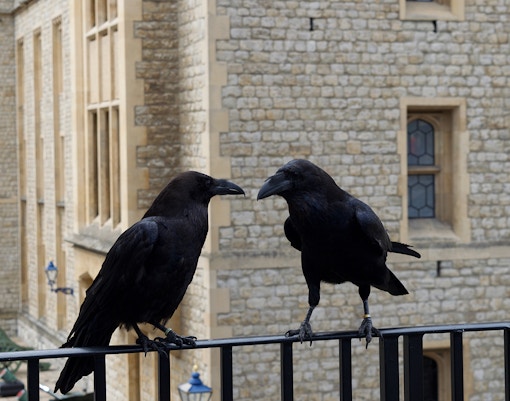
Harris
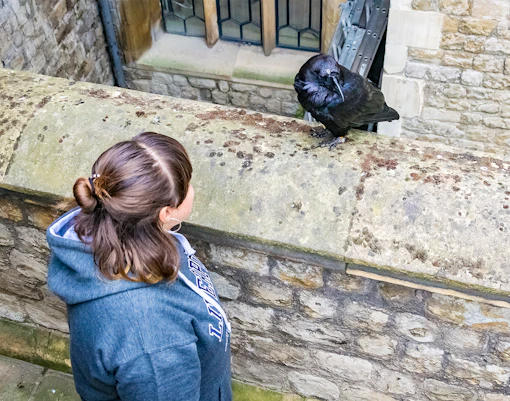
Jubilee
One of the Tower's long-time residents, Jubilee is calm, observant, and usually prefers quieter corners of the fortress away from the busiest crowds.
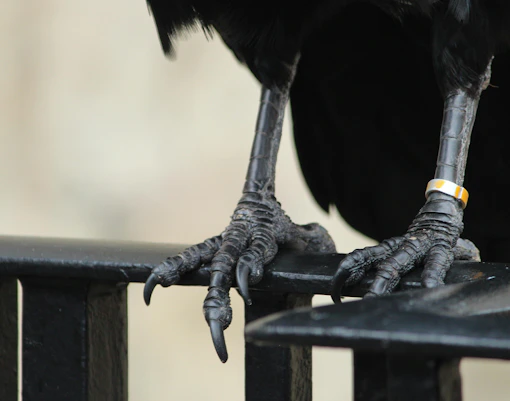
Poppy
Known as the friendliest member of the flock, Poppy often approaches visitors and has a particular fascination with maps, bags, and shiny objects.
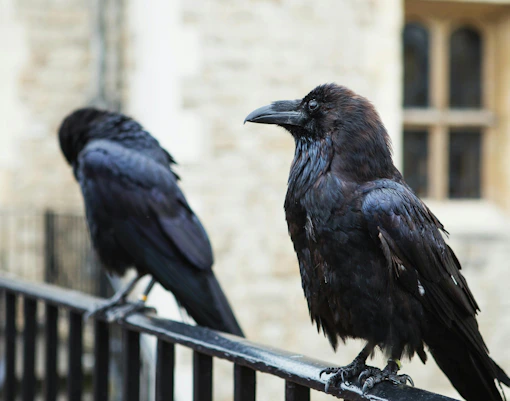
Georgie
Confident and sociable, Georgie is frequently spotted around the South Lawn and is one of the easiest ravens for visitors to find.
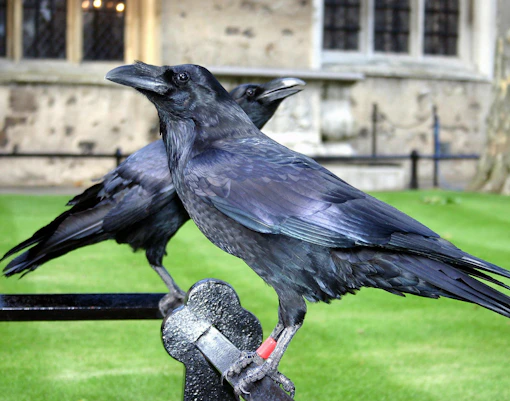
Edgar
One of the younger ravens, Edgar is playful, inquisitive, and full of energy, often entertaining both visitors and the rest of the flock.
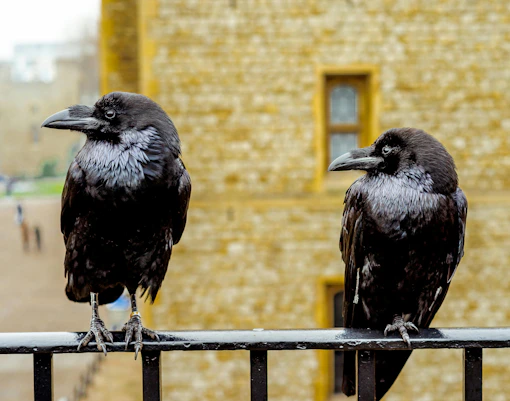
Chaos
Chaos is one of the Tower's newer resident ravens and plays an important role in continuing the centuries-old tradition of maintaining the legendary flock.
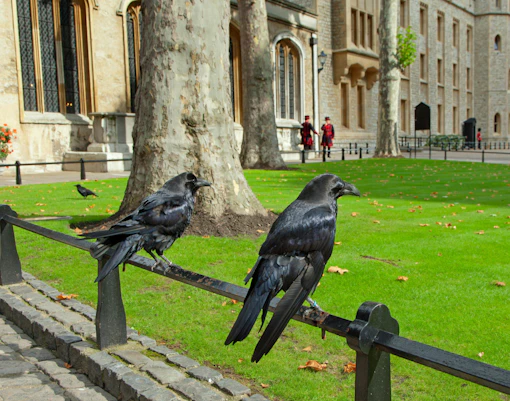
Henry
Henry is part of the current resident flock, helping uphold one of the Tower of London's most enduring customs and living traditions.
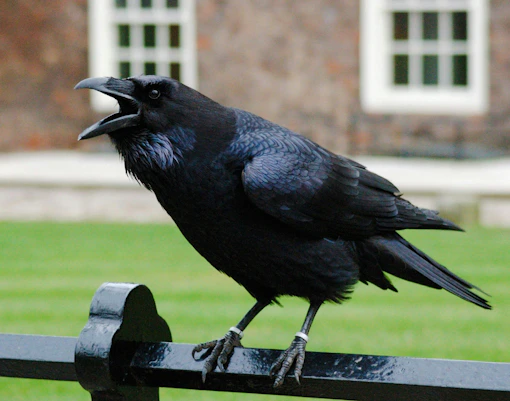
Poe
Poe is another resident raven that contributes to the legendary flock, ensuring the famous tradition continues for future generations of visitors.
Good to know: The Tower's raven flock changes from time to time as new birds are introduced and older ones retire or move on. However, the tradition of keeping at least six resident ravens at the Tower remains unchanged.
Fun facts about the Tower of London ravens
- They're among the world's smartest birds: Ravens are highly intelligent and can solve puzzles, recognise human faces, remember past experiences, and even use simple tools to complete tasks.
- Their diet is carefully planned: The ravens enjoy a protein-rich menu that includes raw meat, rats, chicks, mice, eggs, and occasional treats, all prepared to meet their nutritional needs.
- They're excellent mimics: Like parrots, ravens can imitate sounds they hear regularly, including human voices, other birds, and everyday noises from their surroundings.
- Some ravens have left the Tower: Not every raven has stayed for life. Over the years, a handful have flown away or been relocated, leading to new birds joining the legendary flock.
- The legend always comes first: Although the number of resident ravens changes occasionally, the Tower always maintains at least six birds to honour the centuries-old legend that protects the kingdom.
Where can you see the Tower of London ravens?
Unlike many birds in historic attractions, the Tower ravens aren't confined to a single enclosure. While they have designated areas where they rest and are cared for, they're known to wander throughout the Tower, hopping across lawns, perched on ancient walls, or strutting confidently along visitor pathways.
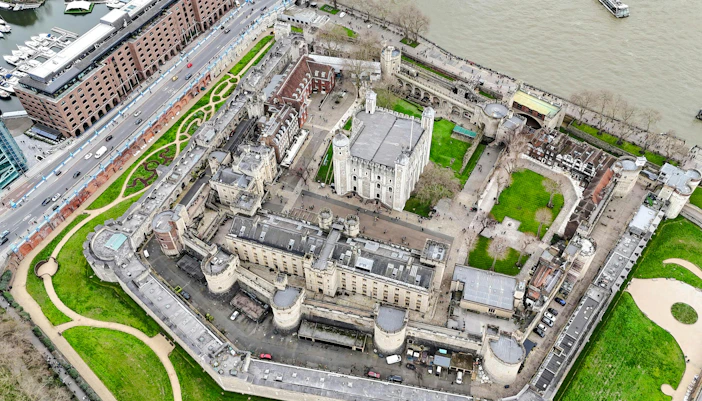
South Lawn
The South Lawn is one of the best places to spot the ravens. Several birds spend time here during the day, making it a popular viewing and photography location.
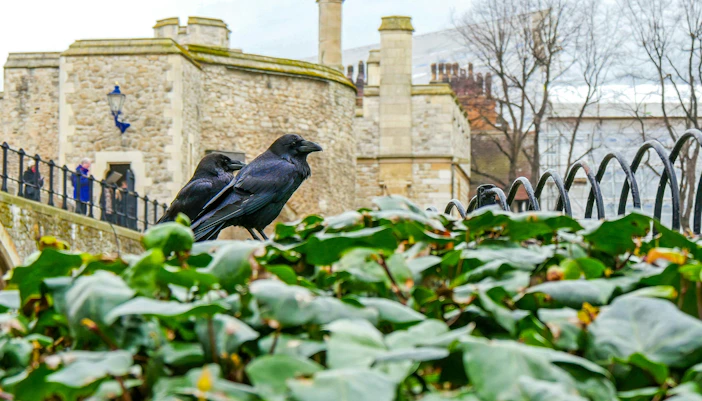
Near the Wakefield Tower
The ravens' enclosure is located beside the Wakefield Tower. While the birds are free to roam, they often return here to rest, feed, or spend time with the Ravenmaster.
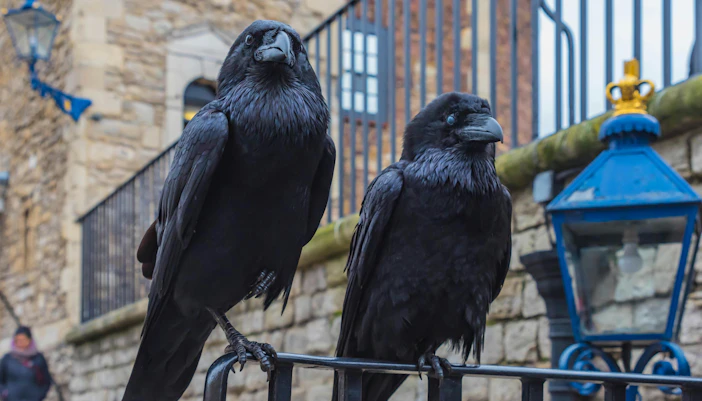
Around the White Tower
Keep an eye on the open lawns and stone pathways surrounding the White Tower. Ravens are frequently seen perched on railings, rooftops, and the surrounding walls.
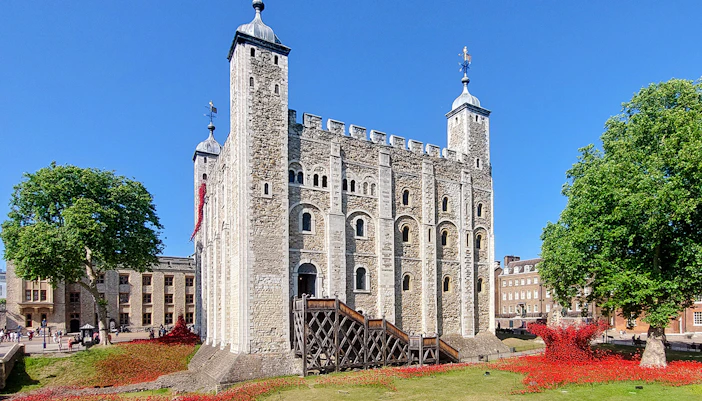
Close to the Jewel House
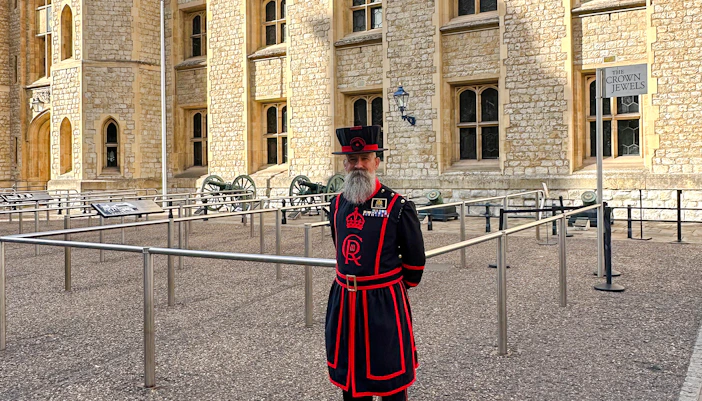
As visitors make their way to see the Crown Jewels, it's not unusual to spot a raven strolling across the paths or resting on nearby stonework.
Along the riverside paths
Some ravens wander towards the riverside sections of the fortress, including the areas around Traitors' Gate, offering quieter opportunities to observe them away from the busiest crowds.
Good to know: There's no fixed schedule for where the ravens will be. If you don't spot one immediately, continue exploring the Tower, you'll likely come across one during your visit.
Meet the Ravenmaster
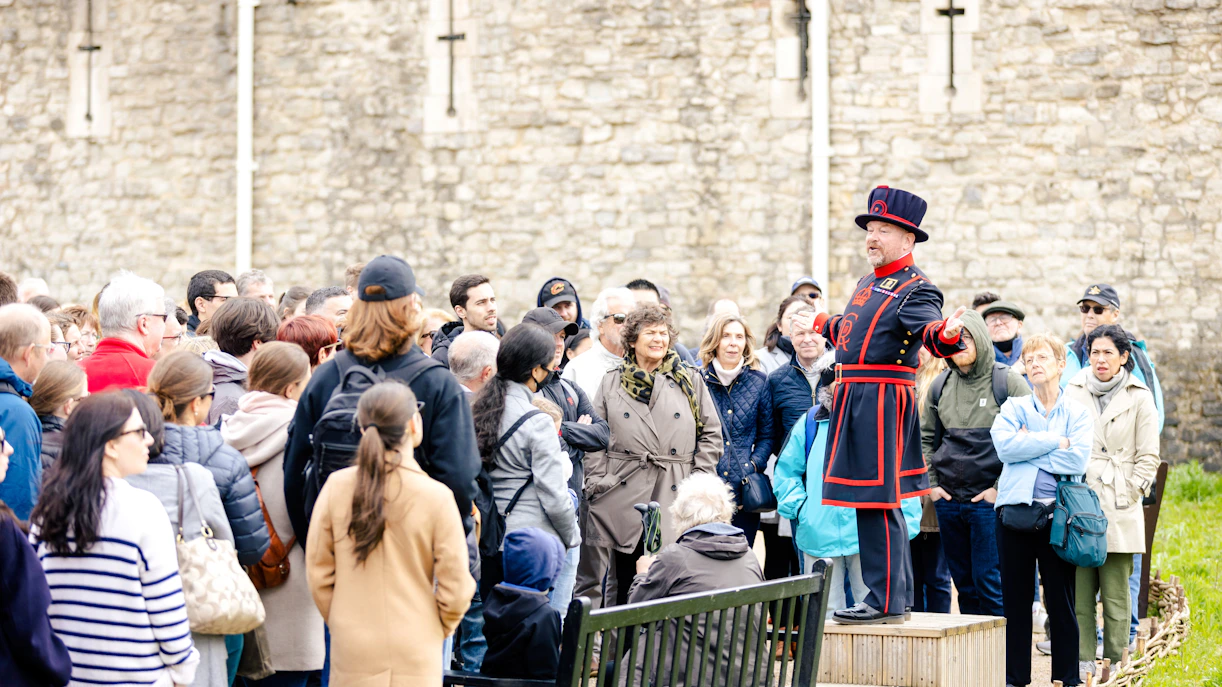
The Ravenmaster is a Yeoman Warder responsible for the care and welfare of the Tower of London's resident ravens. Beyond looking after the birds each day, the role also preserves one of the fortress's most enduring traditions.
- Daily care and welfare: The Ravenmaster oversees the ravens' daily care, including feeding, monitoring their health, and ensuring they receive the attention needed to thrive within the Tower grounds.
- A carefully planned diet: The ravens are fed a varied diet that includes raw meat, rats, chicks, mice, eggs, and other foods selected to meet their nutritional needs and maintain their health.
- Keeping the flock at the Tower: Some of the ravens' flight feathers may be trimmed from time to time to discourage long-distance flights. The birds can still fly around the fortress but are less likely to stray far from home.
- Stories from the Ravenmaster: Visitors may spot the Ravenmaster during feeding rounds or around the Tower. They're often happy to share fascinating stories about the ravens' personalities, habits, and the traditions surrounding the famous flock.
- The current Ravenmaster: The role is currently held by Michael "Barney" Chandler, who became the Tower's Ravenmaster in 2024 after previously serving as a Yeoman Warder.
Visitor tips for seeing the Tower ravens
- Visit earlier in the day: The ravens are generally more active during the morning when the Tower is quieter. Arriving soon after opening also gives you more space for photographs before larger crowds arrive.
- Give the birds plenty of space: Although accustomed to people, the ravens are still wild animals with strong territorial instincts. Observe them from a respectful distance and avoid trying to touch or follow them.
- Never feed the ravens: Only the Ravenmaster feeds the birds according to a carefully planned diet. Human food can be harmful and may encourage behaviour that puts both visitors and the ravens at risk.
- Watch where you're walking: The ravens often wander freely across footpaths and lawns. Keep an eye out as you walk through the Tower so you don't accidentally startle a bird.
- Stay patient for the best photos: Rather than chasing the ravens, wait quietly as they move around the grounds. Their natural behaviour often creates much better photography opportunities.
- Listen to the Ravenmaster: If you come across the Ravenmaster during feeding time or while speaking with visitors, it's well worth stopping to hear stories and lesser-known facts about the Tower's famous residents.
Frequently asked questions about the Tower of London ravens
Yes. The ravens are permanent residents of the Tower, and seeing them is included with all Tower of London admission tickets. No separate ticket or reservation is required.
The ravens roam freely throughout much of the Tower grounds. They're commonly spotted around the South Lawn, the Wakefield Tower, the White Tower, the Jewel House, and occasionally near Traitors' Gate.
The ravens are generally most active earlier in the day when the grounds are quieter. Visiting soon after the Tower opens also gives you a better chance of seeing them before the busiest crowds arrive.
No. Although the ravens are accustomed to visitors, they remain wild birds and can become territorial. Feeding them is strictly prohibited, as they follow a carefully managed diet prepared by the Ravenmaster.
The ravens are well cared for by the Ravenmaster and have established territories within the fortress. Some of their flight feathers may also be trimmed occasionally to discourage long-distance flights while still allowing them to fly around the Tower grounds.
Their diet includes raw meat, rats, chicks, mice, eggs, and other foods selected to meet their nutritional needs. The Ravenmaster prepares and oversees their meals each day.
The Ravenmaster is a Yeoman Warder responsible for caring for the Tower's resident ravens. The role includes feeding the birds, monitoring their welfare, and preserving one of the Tower of London's oldest traditions.
Yes. Photography is permitted throughout the Tower, including of the ravens. For the best results, keep a respectful distance and avoid disturbing the birds while they're roaming or feeding.
In the wild, ravens typically live between 10 and 15 years. With expert care and regular veterinary attention, ravens living at the Tower can live for several decades.
According to legend, if the ravens ever leave the Tower of London, both the fortress and the kingdom will fall. To uphold this centuries-old tradition, the Tower always maintains at least six resident ravens, often with additional birds as a safeguard.
Yes. Every resident raven has its own name and is recognised by the Ravenmaster as an individual bird. The current flock includes Harris, Jubilee, Poppy, Georgie, Edgar, Chaos, Henry, and Poe.
Yes. The ravens are a favourite with families visiting the Tower. Children are welcome to observe them, but they should always avoid chasing, touching, or feeding the birds to ensure both their safety and the birds' wellbeing.


