- A 700-year-old nightly tradition: Every evening, the Tower of London is ceremonially locked using a ritual that has been performed continuously for more than seven centuries.
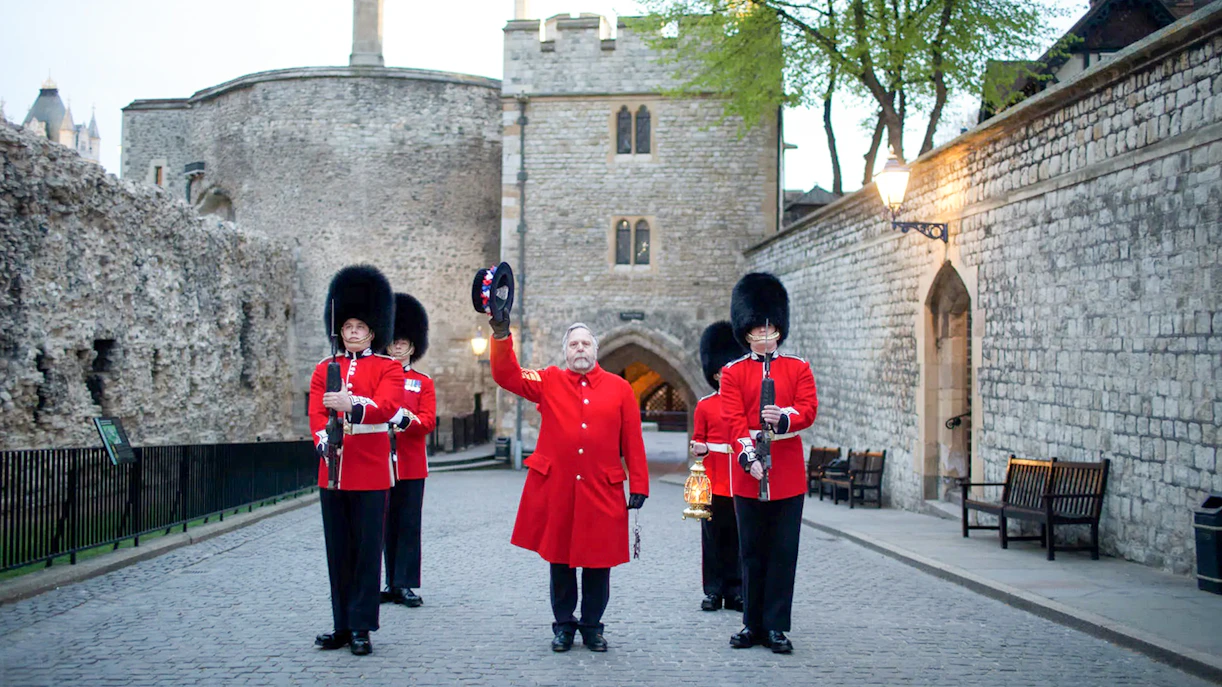
- An official military ceremony: Led by the Chief Yeoman Warder and accompanied by the King's Guard, the ceremony formally secures the fortress before the gates are locked.
- A script unchanged through history: Listen as the sentry's famous challenge and ceremonial responses unfold almost exactly as they have for generations, preserving centuries-old military tradition.
- More than a historical performance: Originally created to protect the monarch's fortress, treasury, and prisoners, the ceremony remains an official duty rather than a staged historical reenactment.
- A rare after-hours visit: With only a small number of visitors admitted each evening, the ceremony offers exclusive access to the Tower long after daytime crowds have departed.
Tower of London Ceremony of the Keys: History, tickets & visitor guide
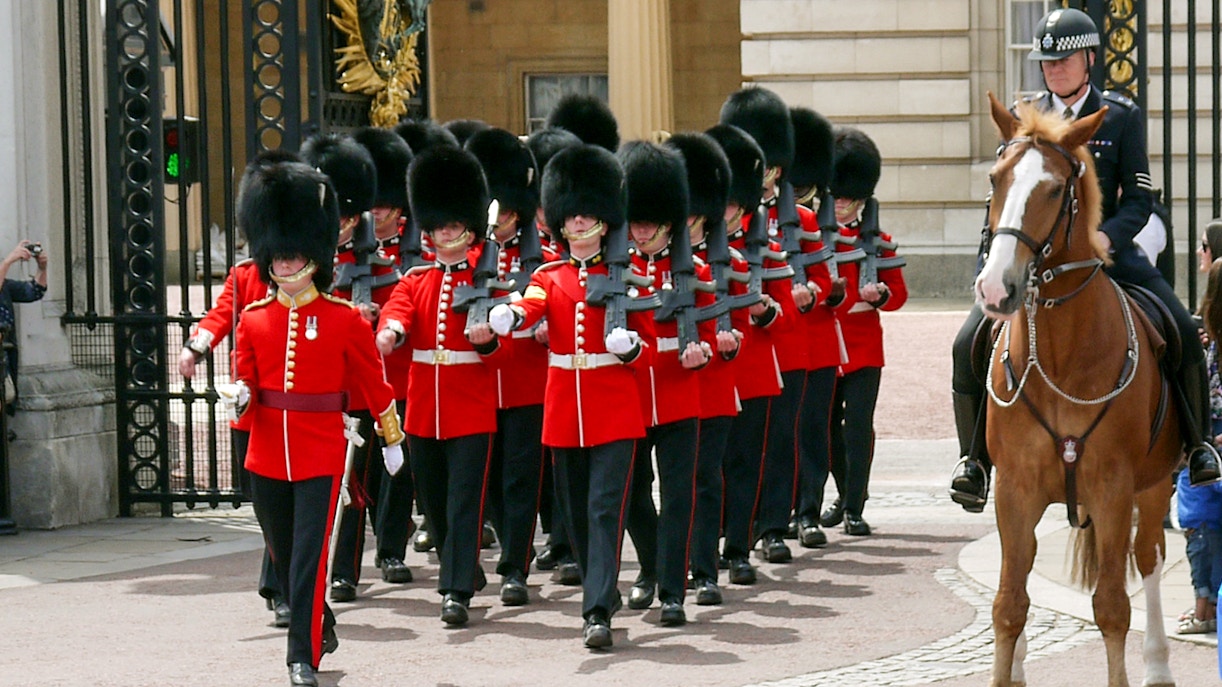
For more than 700 years, the Ceremony of the Keys has marked the nightly locking of the Tower of London. As dusk falls, join a select few for this intimate after-hours ritual where the Yeoman Warder (Beefeater) locks the main gates of the Tower for the night, accompanied by guards in full military regalia. Experience the pomp and historical significance of this unchanged nightly ceremony where kings and traitors once walked.
What is the Ceremony of the Keys?
Ceremony of the Keys at a glance
- Location: Tower of London, London
- Type: Historic military ceremony
- When: Every night of the year
- Start time: The ceremony begins promptly at 9:53pm
- Visitor entry: From approximately 9:20pm (late arrivals are not admitted)
- Duration: Around 35–40 minutes
- Led by: Chief Yeoman Warder (Beefeater) and the King's Guard
- Attendance: Strictly limited; advance booking is essential
- Photography: Not permitted during the ceremony
- Included with Tower admission: No. A separate Ceremony of the Keys ticket is required.
Why attend the Ceremony of the Keys?
1/6
See the Tower after public hours
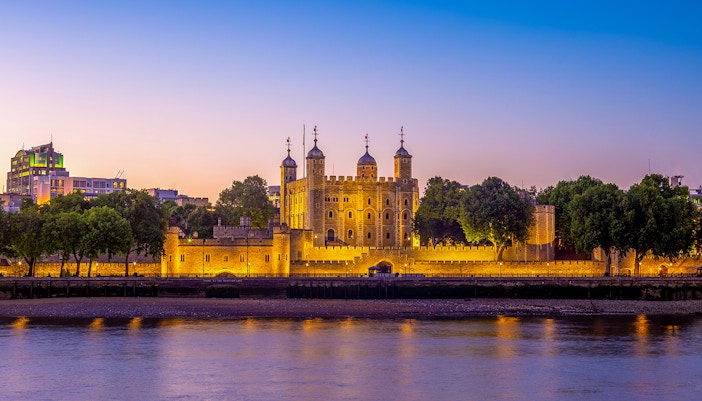
Once daytime visitors have left, the Tower takes on a completely different atmosphere. Walking through its ancient gates after dark, with quiet courtyards and centuries-old walls illuminated by torchlight, offers a side of the fortress that very few visitors ever see.
Witness the world's oldest continuous military ceremony
The Ceremony of the Keys has been performed every single night for over 700 years, making it the oldest uninterrupted military ceremony still carried out anywhere in the world. Watching this living tradition unfold is unlike visiting a museum exhibit or historical display.
Watch a royal tradition unfold exactly as it has for centuries
From the ceremonial locking of the gates to the sentry's famous challenge—"Halt! Who comes there?"—every stage follows a script and sequence that has remained virtually unchanged across generations, preserving one of Britain's most remarkable ceremonial customs.
Enjoy an intimate, small-group event
Attendance is intentionally limited to a small number of guests each evening, creating a calm and personal atmosphere. Without large crowds or daytime distractions, you'll have a clear view of the ceremony and a deeper appreciation for its solemnity.
Learn from the Yeoman Warders
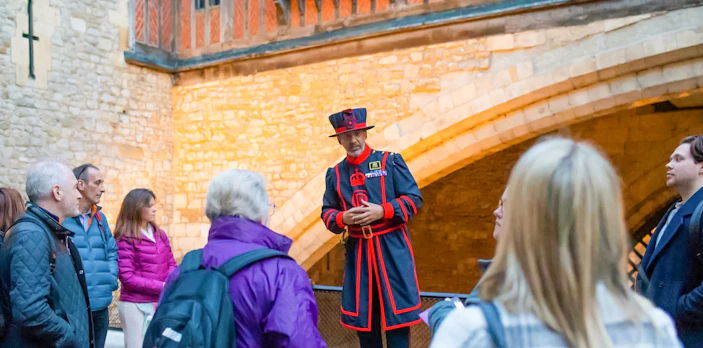
The ceremony is carried out by the Tower's Yeoman Warders, better known as Beefeaters, whose ceremonial role stretches back centuries. Their presence, traditional uniforms, and stewardship of this nightly ritual bring the Tower's long history vividly to life.
Tick off one of London's most exclusive experiences
Unlike most attractions in London, the Ceremony of the Keys cannot simply be visited on a whim. Tickets are limited, released well in advance, and frequently sell out months before the event, making it one of the capital's most sought-after historical experiences.
What happens during the Ceremony of the Keys? Although the Ceremony of the Keys lasts just under 40 minutes, every movement and spoken word follows a tradition that has remained remarkably consistent for centuries. Here's what you can expect on the evening of your visit.
Although the Ceremony of the Keys lasts just under 40 minutes, every movement and spoken word follows a tradition that has remained remarkably consistent for centuries. Here's what you can expect on the evening of your visit.
Arrive at the West Gate
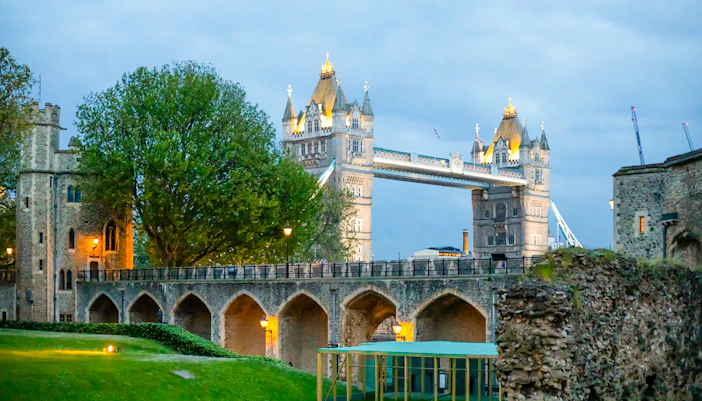
Visitors gather outside the Tower's West Gate before the scheduled entry time, where tickets and photo identification are checked. Once the gates close, late arrivals are not admitted, so punctuality is essential.
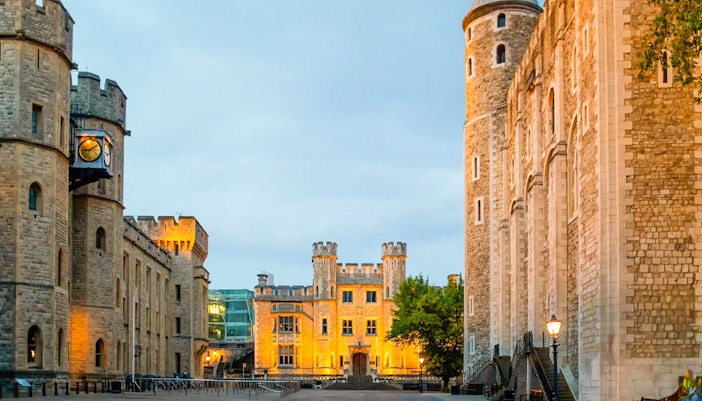
Enter the Tower after closing
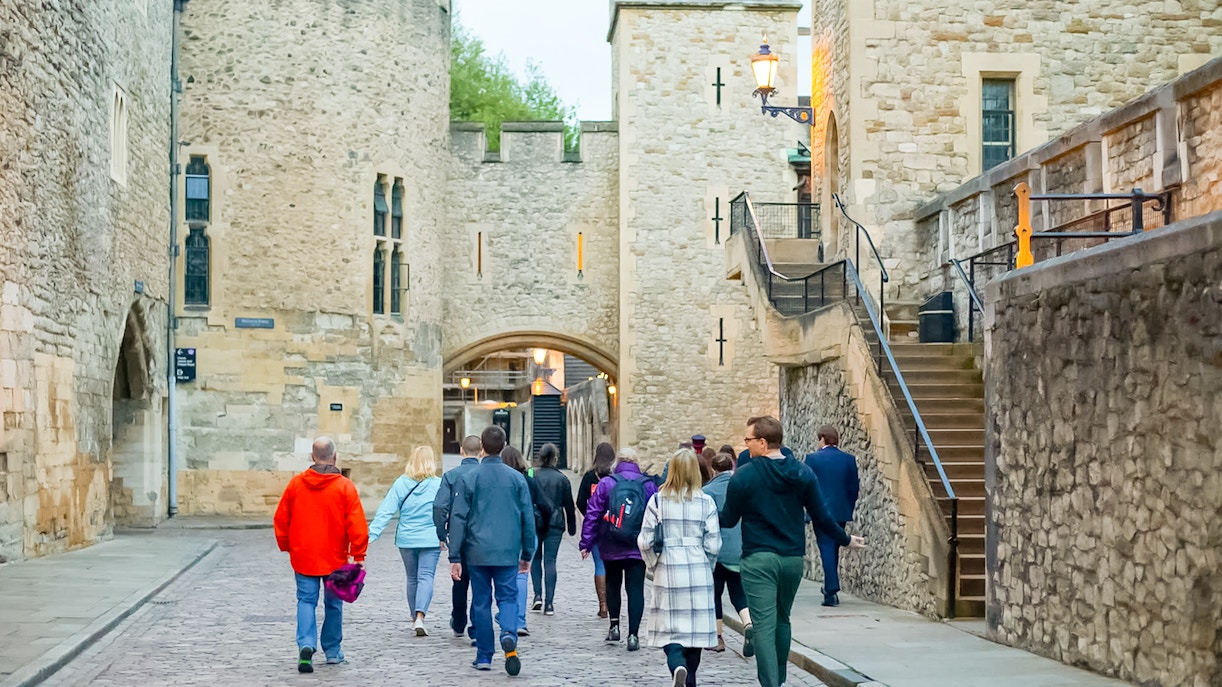
After public visiting hours have ended, small groups are escorted inside the Tower grounds. Without the usual daytime crowds, the quiet courtyards and floodlit medieval buildings create a strikingly different atmosphere.
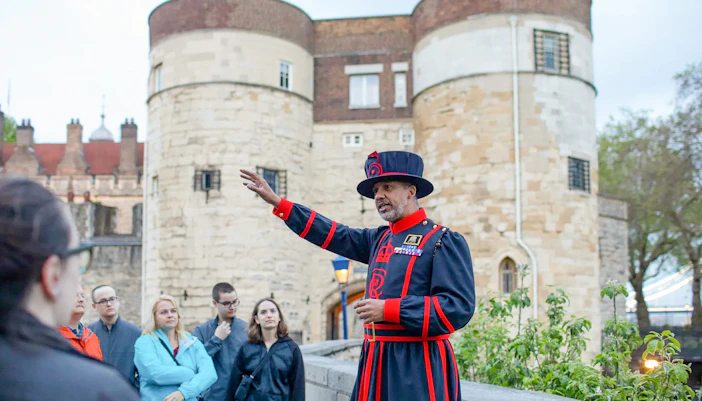
The Chief Yeoman Warder collects the Keys
At precisely 9:53pm, the Chief Yeoman Warder emerges carrying the Queen's (now King's) Keys and a ceremonial lantern. Accompanied by members of the military escort, the procession begins securing the Tower's outer gates.
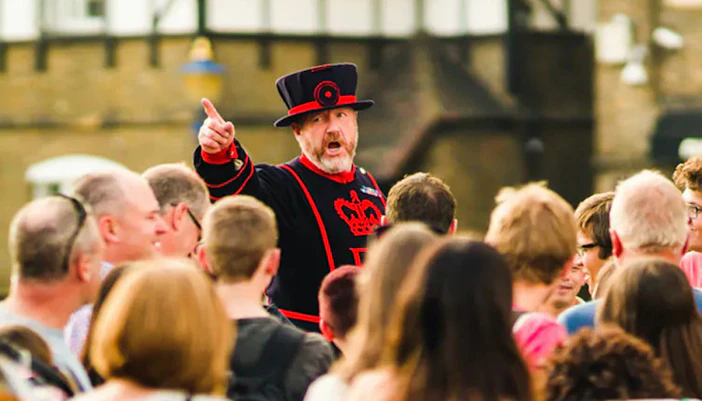
The sentry issues the ceremonial challenge
As the procession approaches, a sentry calls out the traditional challenge:
"Halt! Who comes there?"
The Chief Yeoman Warder replies with the historic response, identifying the Keys on behalf of the King. This exchange has remained virtually unchanged for generations and is one of the ceremony's defining moments.
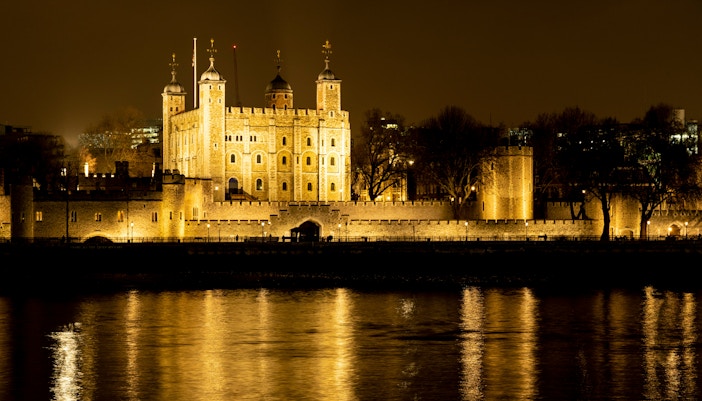
The Tower is secured for the night
Once the challenge has been answered, the Yeoman Warder locks the gates before returning to the inner precincts. The symbolic act marks the official securing of the Tower, just as it has for centuries.
The ceremony concludes
The escort returns to headquarters, where the party halts for a final salute before the Last Post is sounded. Visitors quietly leave the Tower, having witnessed one of Britain's oldest living traditions exactly as it continues to be performed today.
The history of the Ceremony of the Keys
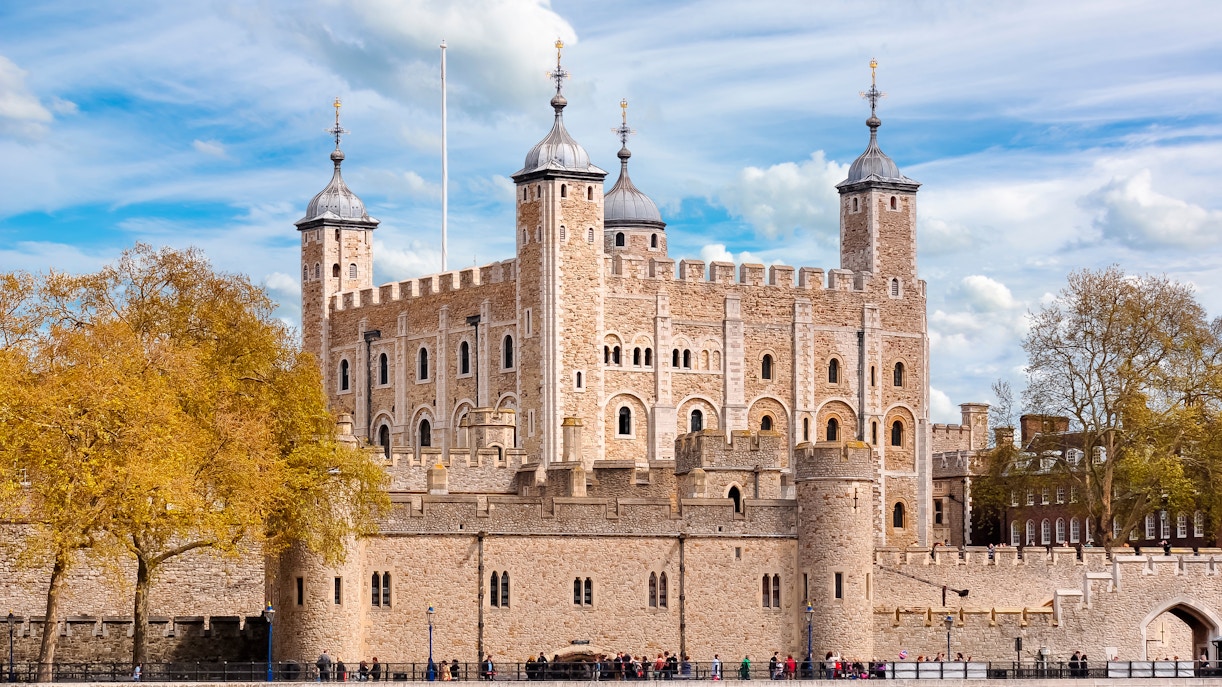
The Ceremony of the Keys is far more than a visitor attraction—it's an official military duty that has safeguarded one of Britain's most important royal fortresses for centuries. While the exact origins remain uncertain, historical records show the tradition was already established by the 14th century, during the reign of King Edward III, when protecting the Tower from theft and attack was a matter of national importance.
- 14th century – A fortress secured every night: As both a royal residence and military stronghold, the Tower housed valuable treasures, official records, weapons, and prisoners. Locking its gates each evening became a vital security responsibility carried out by the Yeoman Warders.
- Centuries of royal history: The Tower continued to play a central role through Tudor, Stuart, Georgian, and Victorian Britain. While monarchs, governments, and military practices evolved, the nightly locking ceremony remained an unbroken part of life within the fortress.
- Surviving war and national tension: Even during the Second World War, when London endured heavy bombing during the Blitz, the Ceremony of the Keys continued uninterrupted. It has also been performed during national emergencies, severe weather, and periods of political change.
- A living tradition today: Today, the ceremony remains an official responsibility of the Yeoman Warders rather than a historical reenactment. Although a limited audience is now permitted to observe it, the ritual is carried out primarily as a ceremonial duty, preserving one of the world's oldest continuous military traditions.
Plan your visit to the Ceremony of the Keys
- Daily evening ceremony: The Ceremony of the Keys takes place every night of the year, beginning promptly at 9:53pm, regardless of weather or public holidays.
- Arrive before entry closes: Visitors are admitted from around 9:20pm. Late arrivals cannot enter once the gates close, even with a valid ticket.
- Allow 40 minutes: The complete ceremony lasts approximately 35–40 minutes, including entry, the procession, ceremonial exchange, and departure from the Tower grounds.
- Book off-season: January to March and October generally offer better ticket availability, with fewer visitors competing for the ceremony's limited daily admissions.
- Choose weekdays: Weekday ceremonies are often easier to book than weekends and public holidays, especially if you're planning your visit several months ahead.
- Enjoy seasonal atmosphere: Autumn and winter create a particularly atmospheric setting, with darker evenings enhancing the torchlit procession and illuminated medieval fortress.
- Use the West Gate: Ceremony attendees must enter through the West Gate, not the Tower's regular daytime entrance used by general admission visitors.
- Travel by Underground: Take the District or Circle line to Tower Hill Station, then walk approximately five minutes to the designated ceremony entrance.
- Reach by train or bus: Fenchurch Street Station and several London bus routes are within a short walking distance, making public transport the most convenient option.
- Avoid driving: Parking near the Tower is limited and often expensive, making trains, Underground services, or buses the easiest ways to arrive.
- Carry photo identification: Bring the same valid photo ID used during booking, as identity checks are completed before visitors are admitted into the Tower.
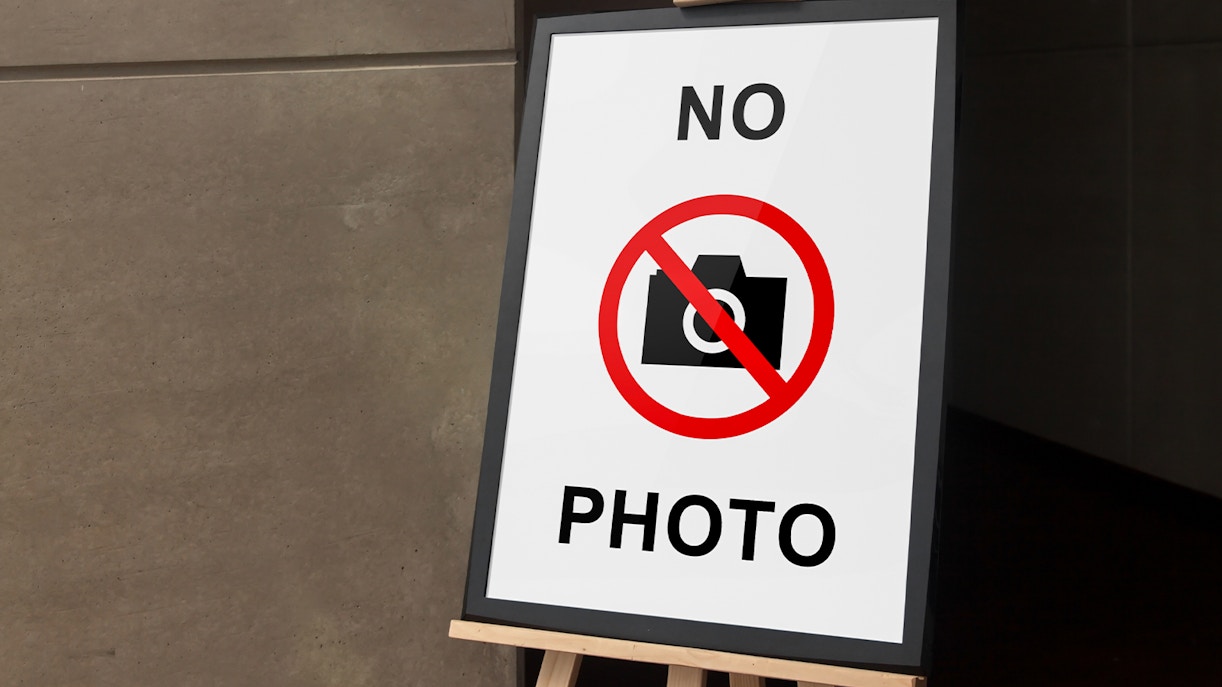
- Keep cameras away: Photography and filming are not permitted during the ceremony, helping preserve both its solemn atmosphere and long-standing ceremonial traditions.
- Travel with small bags: Large suitcases and oversized luggage aren't permitted, as cloakroom or baggage storage facilities aren't available during the evening ceremony.
- Respect the ceremony: Remain quiet throughout the event, follow staff instructions, and avoid interrupting the ceremonial proceedings or military traditions in any way.
- Limited visitor facilities: Cafés, shops, and public toilets close with daytime operations, so plan meals and restroom breaks before arriving for the ceremony.
- Historic walking surfaces: Expect uneven cobblestones, steps, and dim lighting throughout the route, reflecting the Tower's preserved medieval architecture and layout.
- Wheelchair access available: Wheelchair users can attend, although some historic areas present accessibility challenges because of uneven pathways and centuries-old architectural features.
- Assistance dogs welcome: Registered assistance dogs may accompany visitors throughout the ceremony, ensuring guests requiring support can comfortably attend the evening event.
Visitor tips
- Stay for the atmosphere: Don't rush off once the ceremony ends. The quiet walk back through the floodlit Tower grounds is part of what makes the evening memorable.
- Read up on the Tower beforehand: The ceremony isn't narrated like a guided tour. Knowing the Tower's role as a royal fortress makes the symbolism and military traditions much more meaningful.
- Watch the entire procession: Avoid focusing only on the famous sentry challenge. The measured pace, ceremonial movements, and precise sequence are what have remained unchanged for centuries.
- Plan a daytime visit separately: The evening ceremony offers atmosphere rather than sightseeing. Visit the Tower during the day if you also want to see the Crown Jewels and historic buildings.
- Pair it with a riverside evening: Since the ceremony begins late, spend the hours beforehand walking along the Thames or exploring nearby St Katharine Docks instead of making a separate trip.
- Respect the occasion: This is an official military ceremony, not a theatrical performance. Remaining silent throughout allows everyone to appreciate the tradition exactly as it's intended.
Frequently asked questions about the Ceremony of the Keys
The Ceremony of the Keys is the Tower of London's nightly locking ceremony, performed every evening for more than 700 years. Led by the Chief Yeoman Warder and the King's Guard, it officially secures the fortress for the night.
No. The Ceremony of the Keys requires a separate ticket and is not included with standard Tower of London admission.
The complete visit lasts around 35 to 40 minutes, including visitor entry, the ceremonial procession, the traditional challenge, and departure from the Tower.
The ceremony begins promptly at 9:53pm every evening. Visitors are usually admitted from around 9:20pm, and late arrivals aren't permitted.
It's advisable to book several months ahead, particularly if you're visiting during summer, weekends, or school holidays, as tickets are released in limited numbers and sell out quickly.
Yes. The Ceremony of the Keys takes place every night of the year, including weekends, public holidays, and during adverse weather, making it one of the world's longest-running continuous military traditions.
Yes. Children are welcome, although the late evening start and formal nature of the ceremony generally make it better suited to older children.
No. Photography and filming are prohibited throughout the ceremony to preserve its ceremonial integrity and ensure visitors remain focused on the tradition.
Yes, although accessibility is limited in certain areas because of cobbled pathways, uneven
Late arrivals cannot be admitted once the gates have closed. Even visitors with valid tickets will be refused entry after the designated admission time.
Yes. The Ceremony of the Keys is carried out every night regardless of rain, cold weather, or other seasonal conditions, except under the most exceptional circumstances.
If you're interested in British history, royal traditions, or unique after-hours experiences, it's one of London's most memorable events. The intimate setting and centuries-old ritual offer a completely different perspective on the Tower than a daytime visit.


