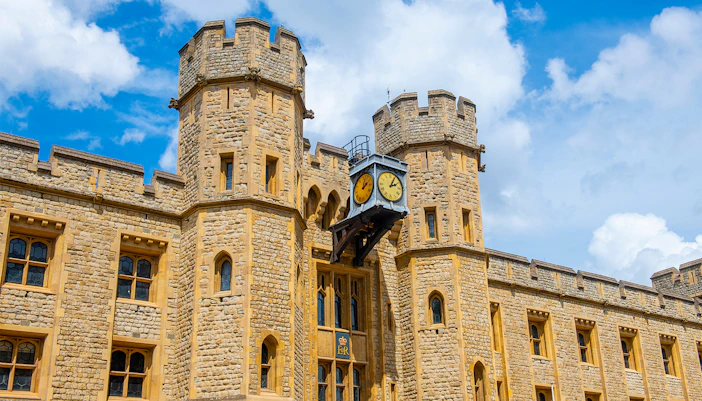
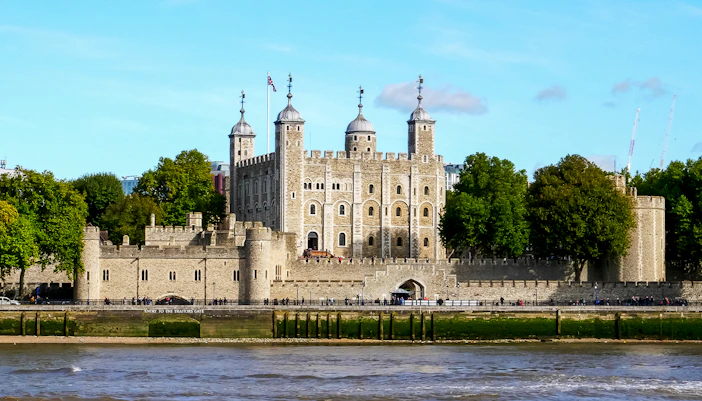
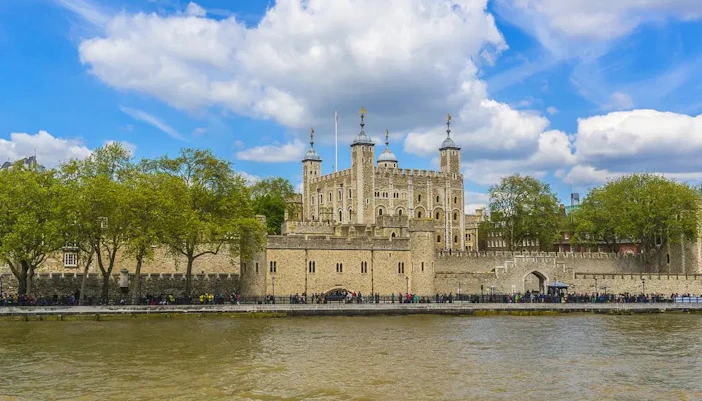
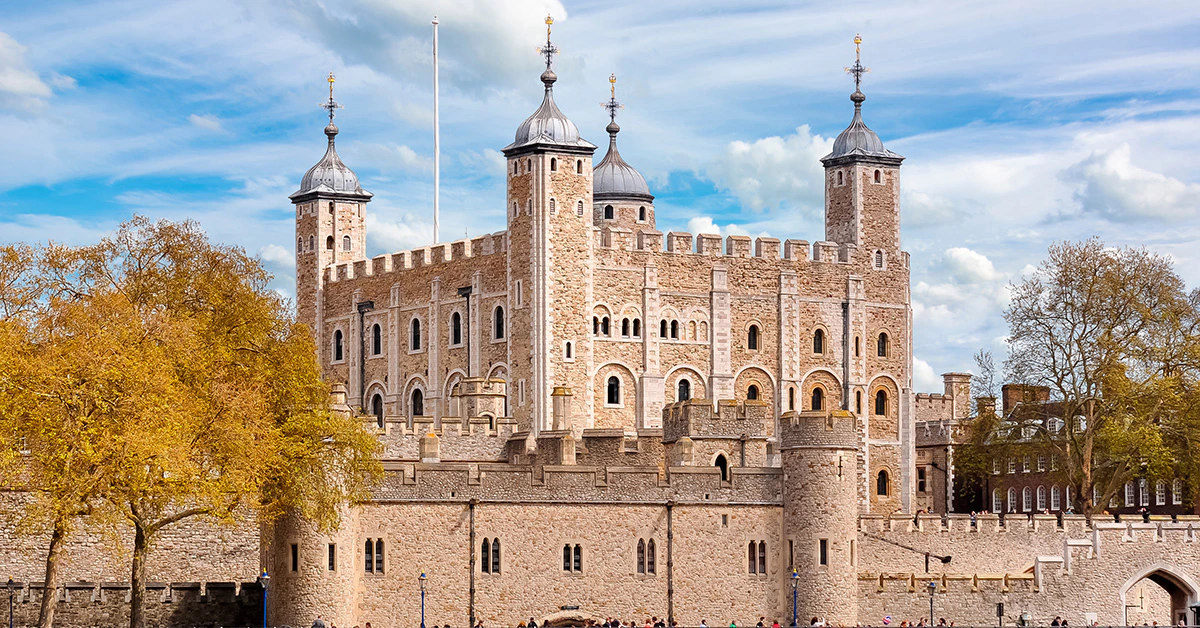
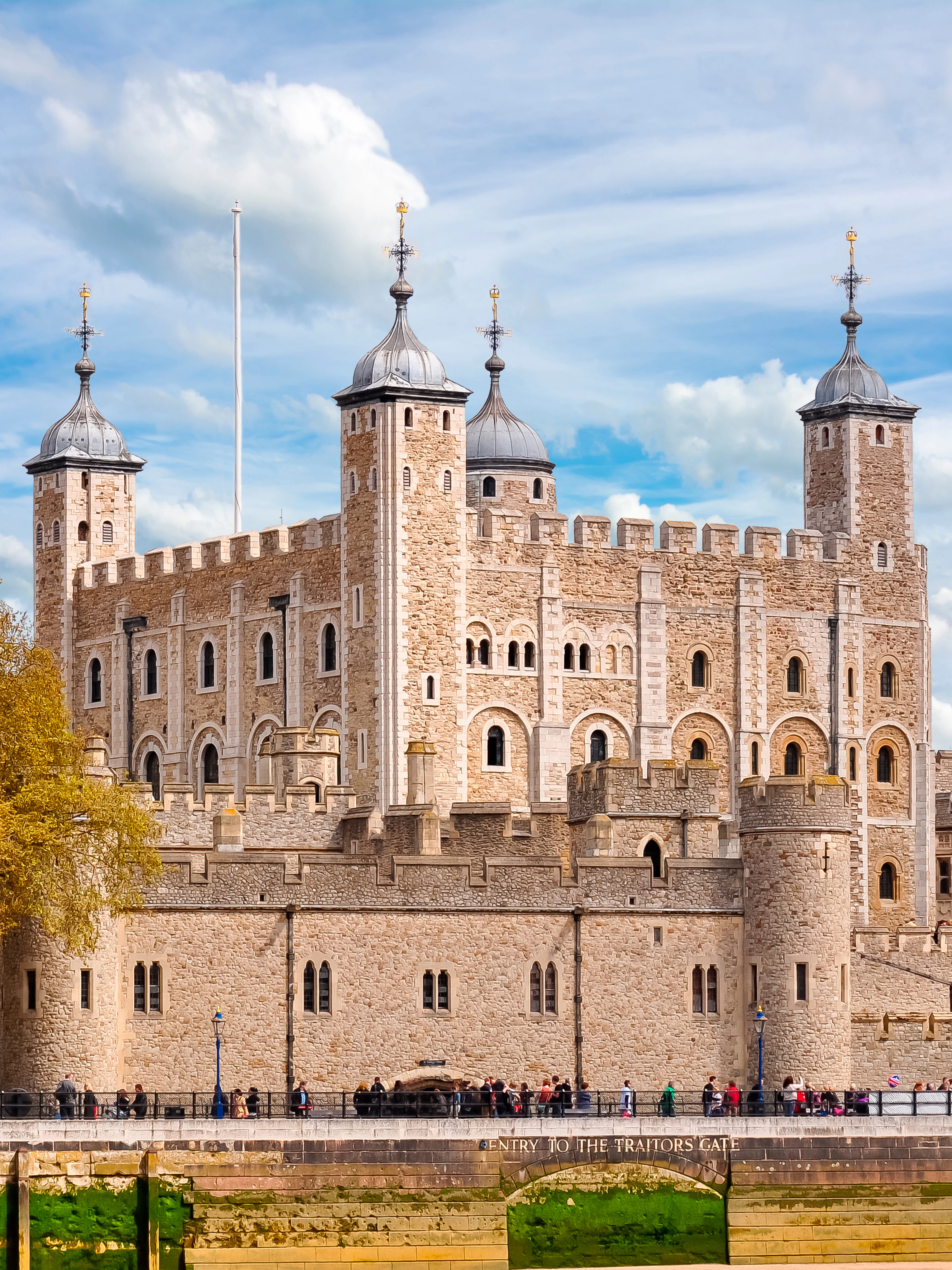
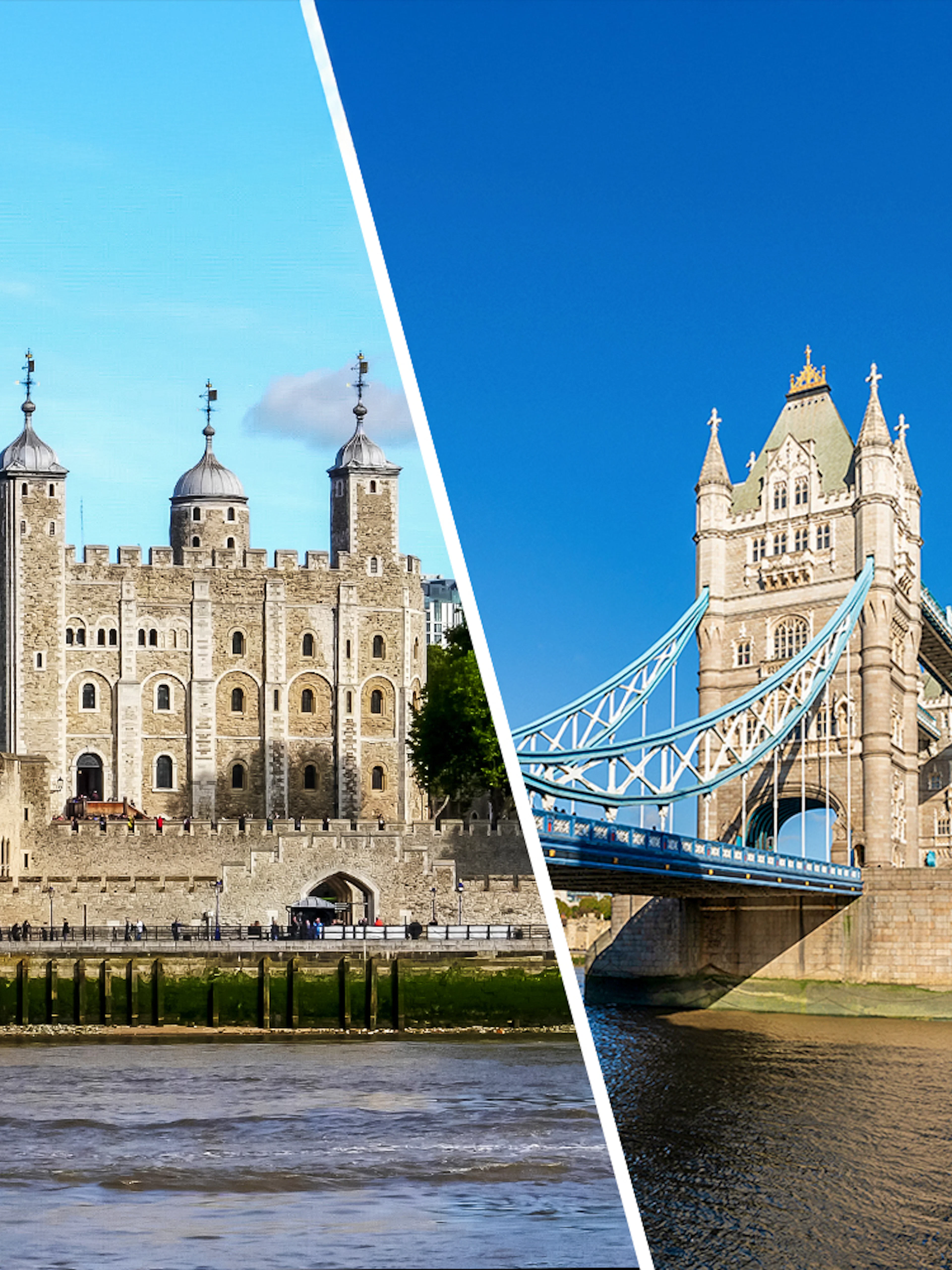
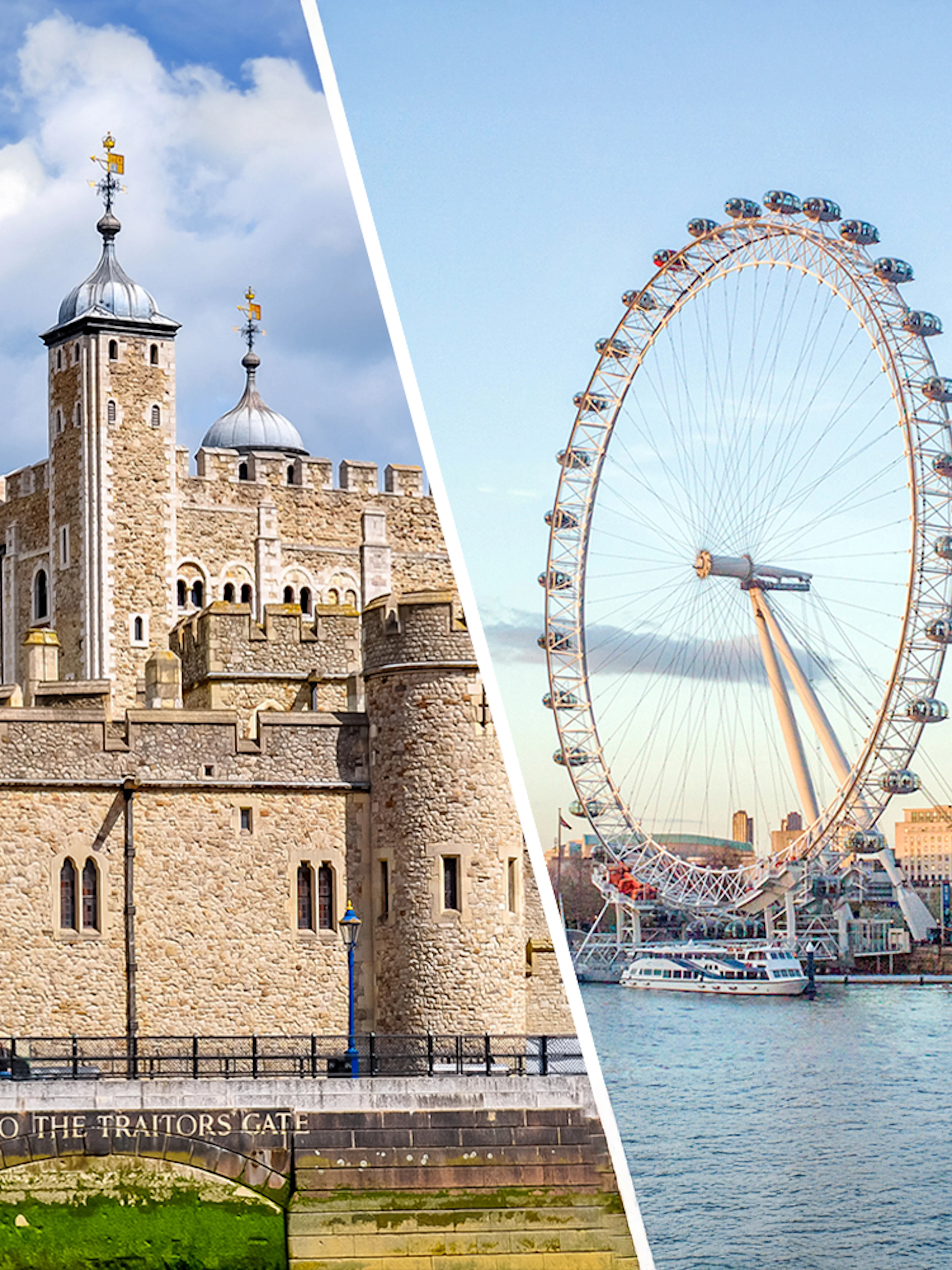
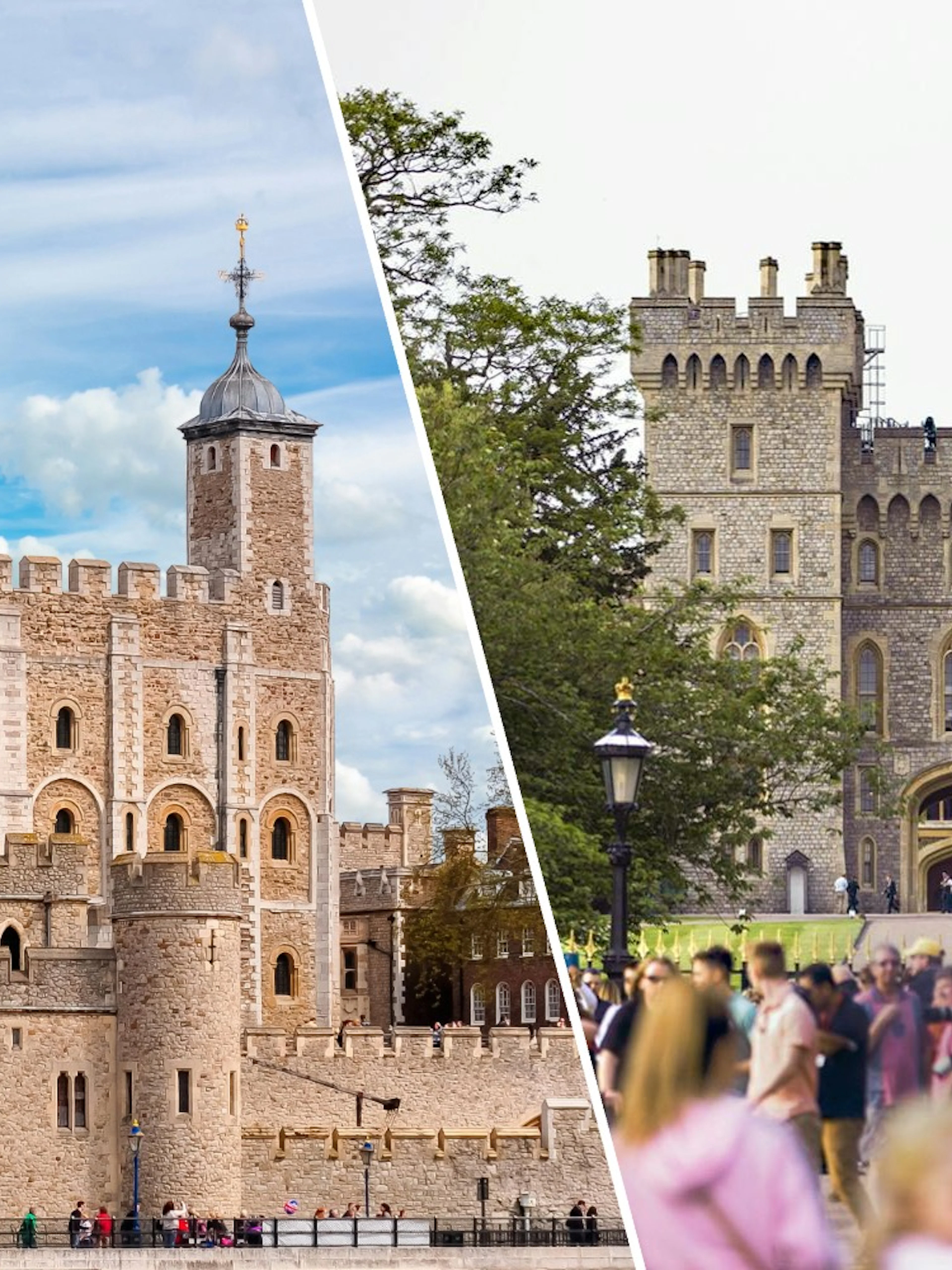
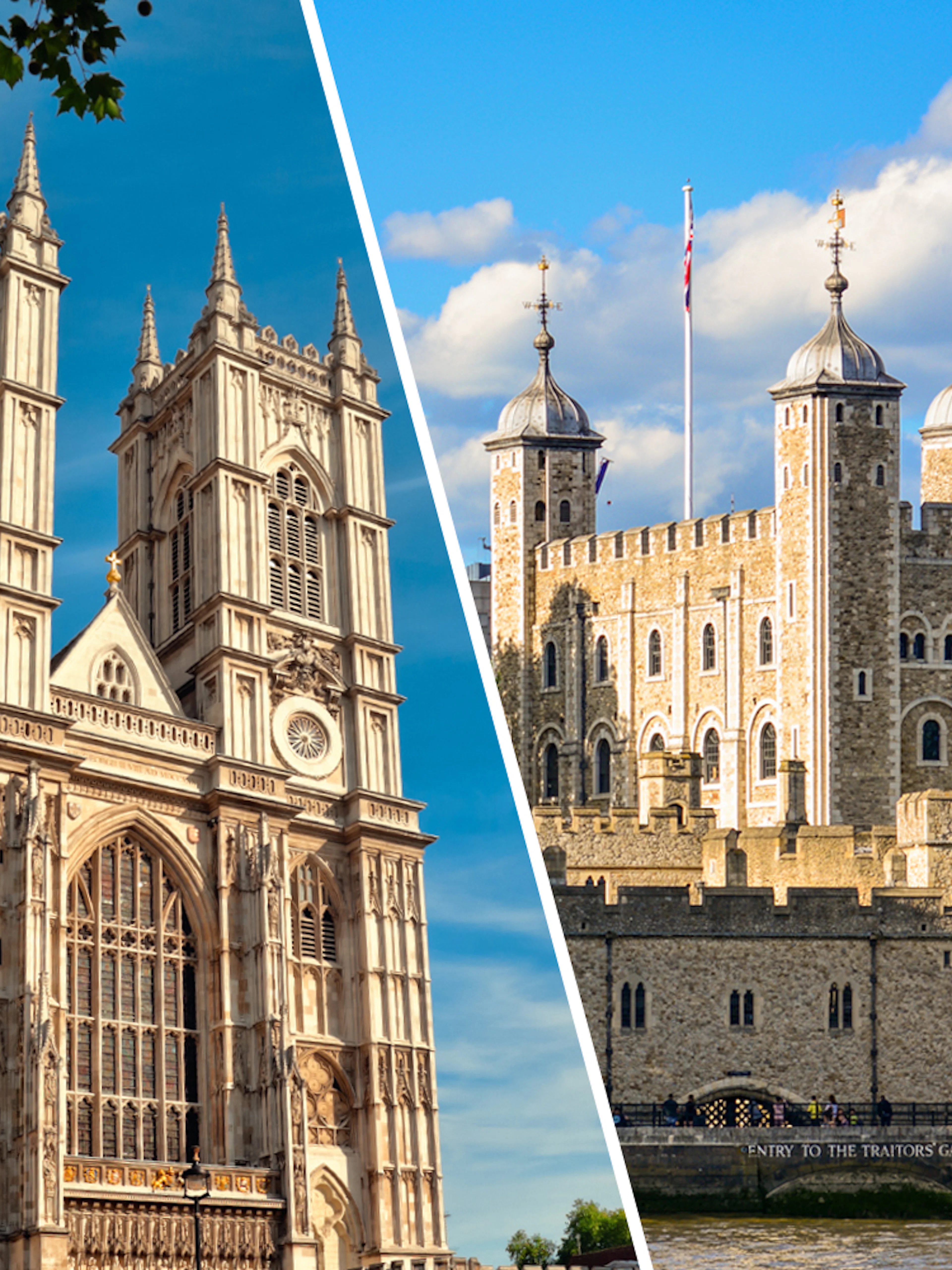
Following his victory in 1066, William ordered the construction of the White Tower, creating the royal fortress that visitors still enter from the western side nearly a thousand years later.
Quick overview
- Access: Included with all Tower of London tickets
- Separate ticket: Not required
- When you'll see it: At the very beginning of your visit on the Tower Hill side of the fortress
- Visit duration: 5–15 mins for entry and security • 10–20 mins if meeting a guide
- Best time: First timed entry on a weekday, when security lines and Crown Jewels queues are usually shortest
- Restrictions: Security screening is mandatory. Large luggage, tripods, selfie sticks, and food or drink inside buildings aren't permitted.
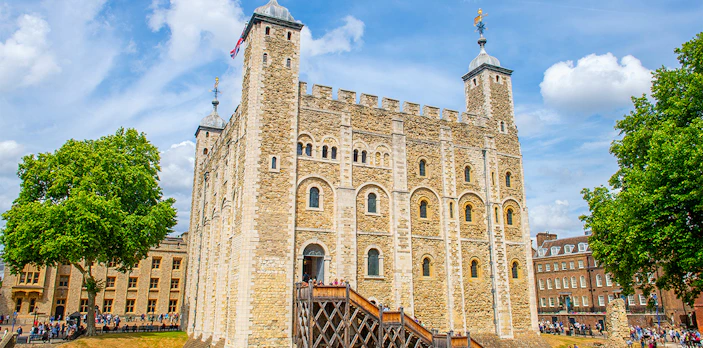
How to access the West Gate?
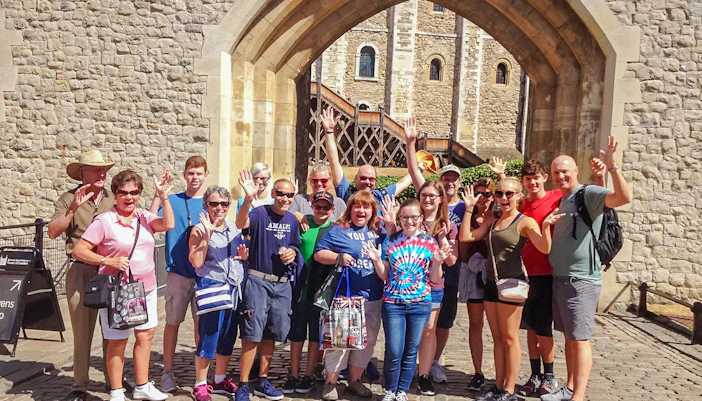
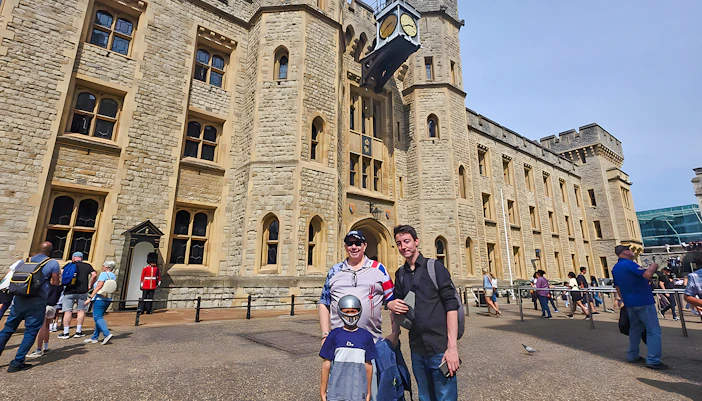
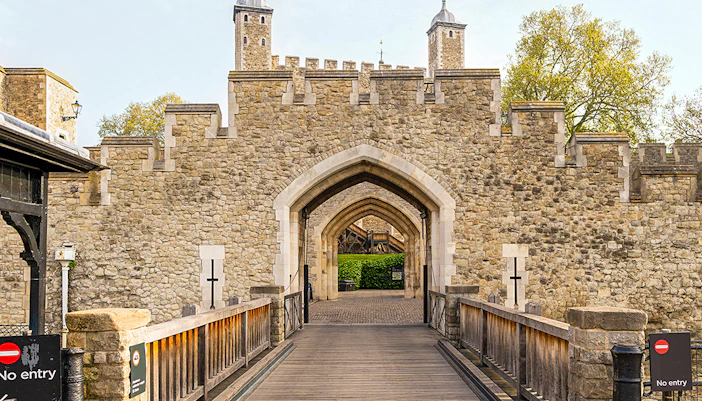
The West Gate is where most Tower of London visits begin. While it isn't a standalone attraction like the White Tower or Crown Jewels, it marks the moment you leave modern London behind and step into one of Britain's best-preserved medieval fortresses. Located on the Tower Hill side of the complex, it serves as the main public entrance for most visitors, providing access to the Inner Ward, the White Tower, the Crown Jewels, and the rest of the historic site. Every Tower of London ticket includes entry through the West Gate, making it the starting point for almost every self-guided and guided visit.
How to best experience the West Gate
Best tickets to experience the West Gate
| Main ticket types | Why choose it |
|---|---|
| Standard Tower of London admission | Ideal if you'd like complete flexibility to explore the Tower at your own pace after entering through the West Gate. |
| Guided Tower of London tour with skip-the-line access | Perfect if you want expert commentary from the beginning of your visit and help navigating the site's major attractions. |
| Early-entry or Beefeater meet-and-greet tour | Best for visitors hoping to clear the entrance before larger crowds arrive and enjoy quieter conditions inside the Tower. |
Why it's worth seeing
The West Gate isn't a grand exhibition or a historic chamber filled with artefacts, but it plays an important role in shaping every Tower of London visit. For centuries, the western side has been the fortress's principal landward approach, controlling who entered the royal stronghold from the City of London. Today, while security scanners have replaced medieval guards, the experience remains surprisingly similar: visitors move from the busy streets of modern London into a fortified complex that still feels remarkably separate from the city outside.
Historical and cultural significance
Although today's West Gate functions as the Tower's principal visitor entrance, the western approach has welcomed soldiers, monarchs, officials, craftsmen, and visitors for centuries. While its role has evolved, its purpose has remained remarkably consistent: controlling access to one of England's most important royal fortresses.
- The Norman fortress takes shape (11th century): Following the Norman Conquest, William the Conqueror ordered the construction of the White Tower and established the western approach as the principal landward access to the growing fortress.
- A more complex defensive entrance (13th century): During the reign of Henry III, the Tower expanded significantly with new walls, gates, and defensive features. The western side became an increasingly important controlled entrance into the royal complex.
- Edward I strengthens the defences (Late 13th century): Edward I added new curtain walls, towers, and moats that transformed the Tower into one of Europe's strongest medieval fortresses. The western approach became part of a carefully planned sequence of defensive gateways protecting the inner castle.
- The beginning of every Tower visit (Today): While modern visitors encounter ticket scanners instead of guards and drawbridges, the West Gate continues its centuries-old purpose of regulating entry into the fortress. It remains the point where nearly every visit begins.
Notable figures connected with the West Gate
Know before you go
- Opening hours: The West Gate operates during the Tower of London's normal opening hours and serves as the primary visitor entrance.
- Timed entry: All visitors must book a timed admission slot before arriving.
- Arrival window: You can enter within 30 minutes of your selected time slot.
- Security screening: Every visitor passes through airport-style security before entering the fortress, so allow extra time during busy periods.
- Re-entry: Tower tickets are valid for one entry only. Once you leave the complex, re-entry isn't permitted.
Address: Tower of London, London EC3N 4AB, United Kingdom
- Nearest Underground: Tower Hill station, approximately 2–3 minutes on foot.
- Nearest pier: Tower Pier is a short walk away if you're arriving by Thames river services.
- Main entrance: The West Gate is located on the Tower Hill (west) side of the fortress and serves as the primary public entrance.
- Starting point: From here, you'll enter the outer ward before continuing towards attractions such as the Crown Jewels, White Tower, and Medieval Palace.
- Step-free arrival: The approach to the West Gate from Tower Hill is generally step-free and is one of the easiest ways to enter the Tower.
- Wheelchair access: Many outdoor routes are accessible, although numerous historic buildings, towers, and battlements involve stairs.
- Companion tickets: Complimentary carer tickets are available from the Ticket Office with appropriate supporting documentation.
- Assistance dogs: Registered assistance dogs are welcome throughout the Tower.
- Accessible routes: Staff can advise on the most accessible route through the fortress after you enter.
- Security checks: All bags are screened before entry. Arrive with enough time to complete security without rushing.
- Prohibited items: Large luggage, tripods, selfie sticks, and oversized photographic equipment aren't permitted.
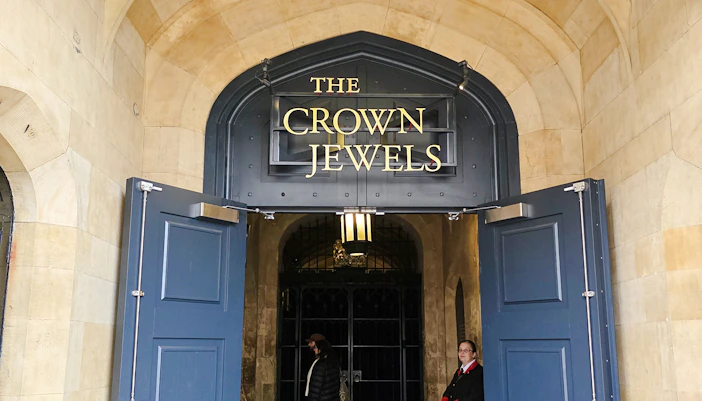
- Photography: Photography is allowed throughout most of the Tower, except in areas where restrictions apply, including the Jewel House and St John's Chapel.
- Food and drink: Eating, drinking, and smoking aren't permitted inside historic buildings.
- Single admission: Leaving the Tower ends your visit, so make sure you've finished exploring before exiting.
- Difficulty level: Easy at the entrance itself, but moderate across the wider Tower because of walking distances and historic surfaces.
- Walking: Expect considerable walking once inside the fortress if you plan to visit all major attractions.
- Surfaces: Cobbles, uneven paving, stone thresholds, and gentle slopes are common throughout the site.
- Standing: You may spend time standing while waiting for security screening during busy periods.
- Historic stairs: Many attractions beyond the West Gate—including the White Tower and several defensive towers—require climbing narrow medieval staircases.
Things many visitors miss
Visitor tips
- Aim to arrive 10–15 minutes before your booked entry time. It provides enough time for security without making your start feel rushed.
- Keep your ticket open before reaching the entrance. Searching for confirmation emails while in the queue slows both you and everyone behind you.
- Travel light if possible. Smaller bags move through security more quickly and make exploring the Tower's staircases and narrow passages much easier later.
- Don't stop immediately beyond the entrance. Continue into the courtyard before checking maps, adjusting bags, or deciding where to go next.
- Have a plan for your first hour. Whether you're heading straight to the Crown Jewels or joining the first Yeoman Warder tour, beginning with a clear route helps you stay ahead of the busiest visitor flows for the rest of your visit.
Frequently asked questions about the West Gate
Yes. Every valid Tower of London ticket allows entry through the West Gate when it is operating as the main public entrance. There is no separate ticket or additional fee for using it.
No. Standard admission, guided tours, early-entry experiences, and eligible combo tickets all use the Tower's normal entrance system. The difference lies in the tour inclusions and arrival experience, not the entrance itself.
The West Gate is on the Tower Hill side of the Tower of London and serves as the principal public entrance for most visitors. It is approximately a 2–3 minute walk from Tower Hill Underground Station.
Yes. For most visitors, the West Gate is the primary entrance to the Tower. Your ticket or tour confirmation will indicate if a different meeting point applies for your particular experience.
No. The West Gate is part of the Tower of London's controlled entrance system. You'll need a valid ticket or tour booking before entering the fortress.
It's best to arrive 10–15 minutes before your timed entry slot. This gives you enough time for ticket checks and security screening without feeling rushed, especially during busy periods.
On quieter weekdays, most visitors complete ticket checks and security in 5–15 minutes. During weekends, holidays, and school breaks, the process can take longer, so allow extra time.
All visitors pass through airport-style security screening. Bags may be searched, and prohibited items such as large luggage, tripods, selfie sticks, and bulky equipment aren't permitted inside the Tower.
No. Tower of London admission is valid for one entry only. Once you leave the site, re-entry through the West Gate or any other entrance isn't permitted.
Yes, the approach from Tower Hill is generally one of the Tower's most accessible arrival routes. However, many historic buildings and towers inside the complex remain inaccessible because of medieval staircases and uneven surfaces.
Many guided experiences use the West Gate entrance after meeting nearby, but some tours have separate check-in locations outside the Tower. Always follow the meeting instructions provided with your booking confirmation.
Large suitcases and oversized luggage aren't permitted inside the Tower of London. If you're travelling with bags, it's best to store them elsewhere before arriving, as there are no luggage storage facilities at the entrance.
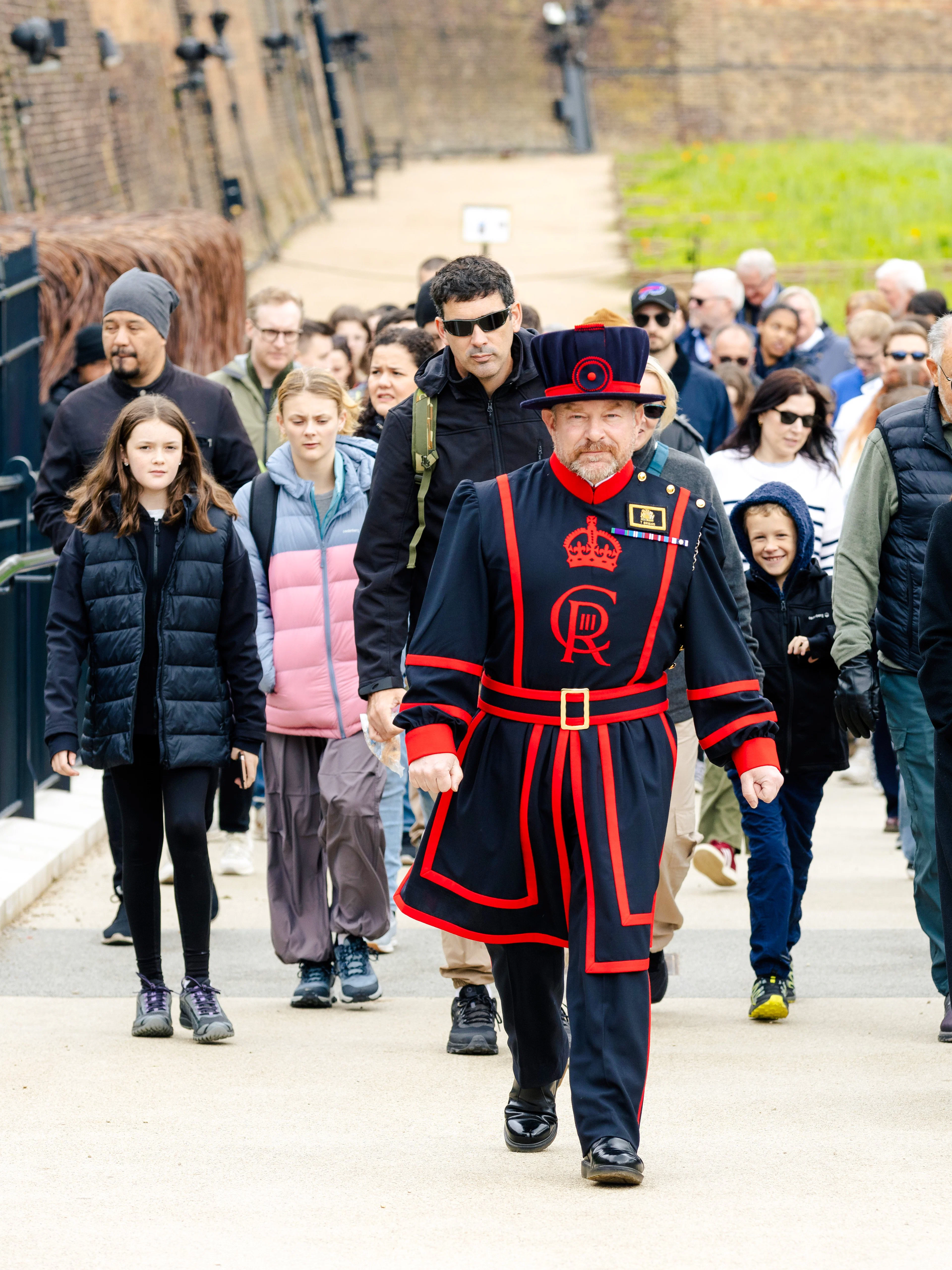
If seeing the Crown Jewels is a priority, head there immediately before queues build. Alternatively, join one of the first Yeoman Warder (Beefeater) tours, which provides an excellent introduction to the Tower before you explore independently.
Yes. Although most visitors simply pass through it, the West Gate marks the transition from modern London into one of Europe's best-preserved medieval fortresses. Taking a moment to appreciate the approach, the defensive layout, and your first views inside the walls provides valuable context for everything you'll see during the rest of your visit.