




Tower of London

Bloody Tower

Included with Tower of London tickets

Timings

RECOMMENDED DURATION

3 hours

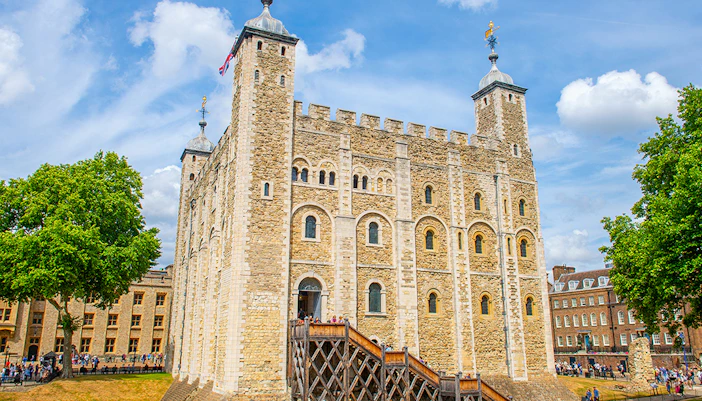
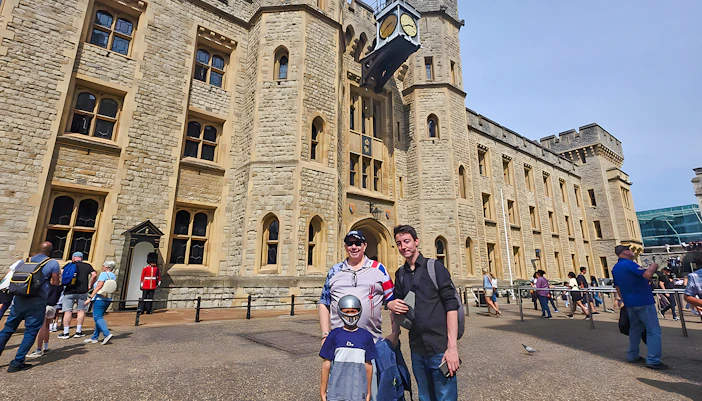
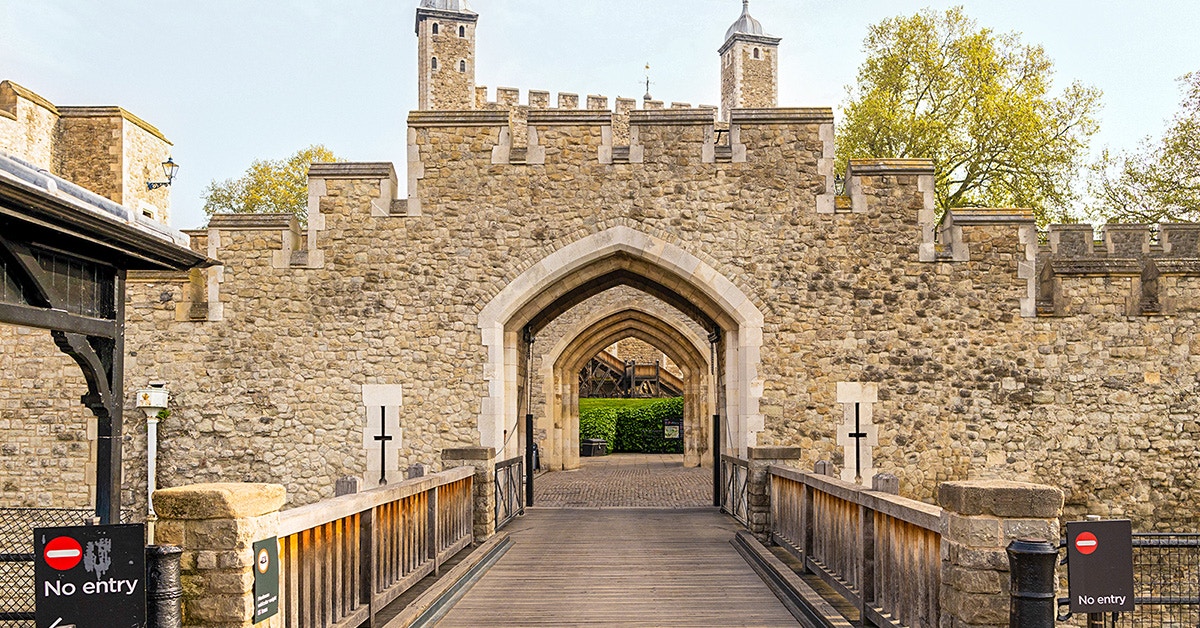
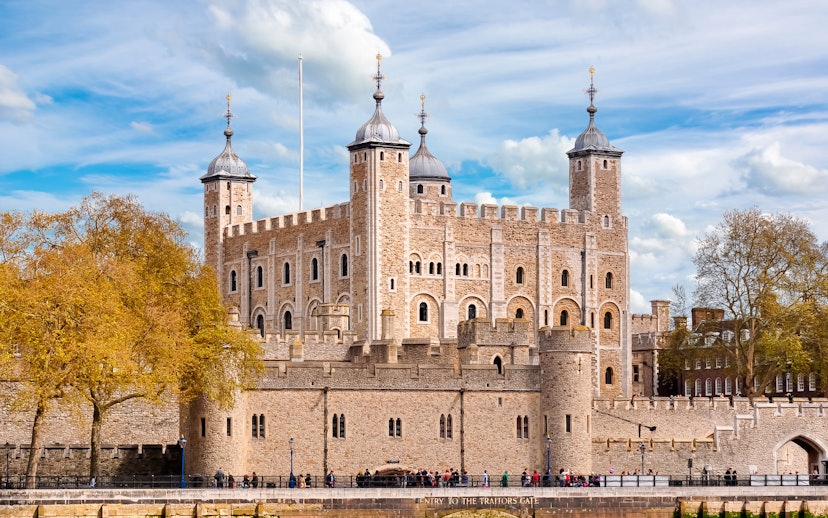
Tower of London stone entrance with arched gateway and surrounding walls.

Quick overview

  • Access: Included in all Tower of London tickets
  • Separate ticket: Not required
  • When you'll see it: Midway through the visitor route
  • Visit duration: 10–15 min self-guided / 15–20 min with guide
  • Best time: First hour after opening on weekdays
  • Restrictions: Photography permitted; upper rooms require stairs
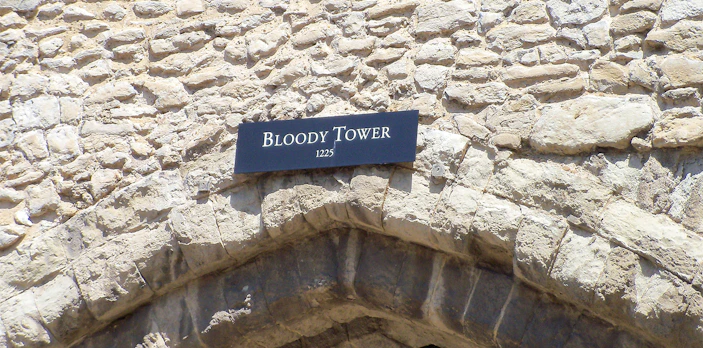
Bloody Tower entrance sign at Tower of London.

How to access the Bloody Tower?

The Bloody Tower is included with every Tower of London ticket, so no additional admission is required. Located within the Inner Ward, it is typically reached after visiting major highlights such as the Crown Jewels or White Tower, although you can visit it in any order once inside the fortress. Since the rooms are compact and often overlooked until later in the day, arriving early or joining a guided tour offers a quieter visit and valuable historical context behind its most famous stories.

How to best experience the Bloody Tower
Best time to visit
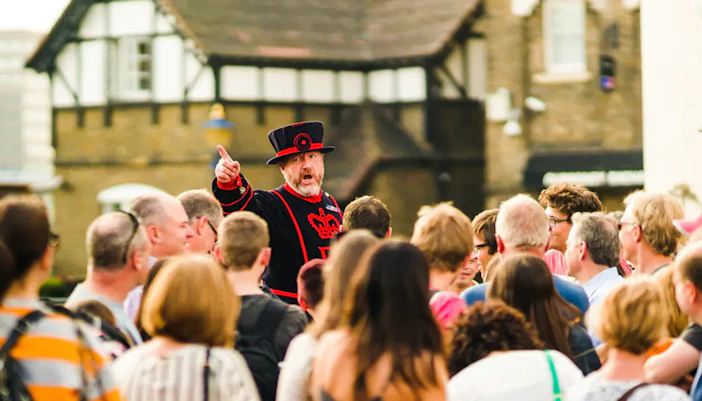
Visit during the first hour after the Tower of London opens, particularly on weekdays. The small medieval rooms remain relatively quiet, making it easier to read the interpretation panels and appreciate the atmosphere before larger crowds begin circulating through the Inner Ward.

How long to spend

Allow around 10 to 15 minutes if you're visiting independently. Guided tours usually spend 15 to 20 minutes here, adding historical context about the Princes in the Tower, Sir Walter Raleigh, and the building's changing role over several centuries.

Where it fits in your itinerary

Most visitors reach the Bloody Tower midway through their visit after seeing one or two major attractions. It works well after the White Tower or Crown Jewels, providing a quieter stop that shifts the focus from royal splendour to some of England's most enduring historical mysteries.

Crowd patterns

Visitor numbers increase steadily from late morning, especially once crowds leave the Jewel House. Because the Bloody Tower contains narrow passageways and small chambers, even modest queues can slow movement. Early morning and the final hour before closing generally offer the calmest conditions.

What to prioritize if time is short

Head first to the rooms associated with Edward V and Richard, Duke of York before visiting the chamber linked with Sir Walter Raleigh. Together, these spaces explain why the Bloody Tower remains one of the Tower's most historically significant buildings despite its relatively modest size.

Common mistakes to avoid

Many visitors simply pass through because the interiors appear understated compared with the White Tower. Take time to read the interpretation panels, which explain the competing historical theories behind the Princes in the Tower and the later imprisonment of Sir Walter Raleigh.

Best tickets to experience the Bloody Tower

Ticket typeWhy choose it

Standard entry tickets

Includes access to the Bloody Tower alongside the rest of the Tower of London. Ideal if you prefer exploring its historic chambers and exhibits at your own pace.

Skip-the-line tickets

Spend less time entering the fortress and reach the Bloody Tower before visitor numbers increase around the Inner Ward.

Combo tickets

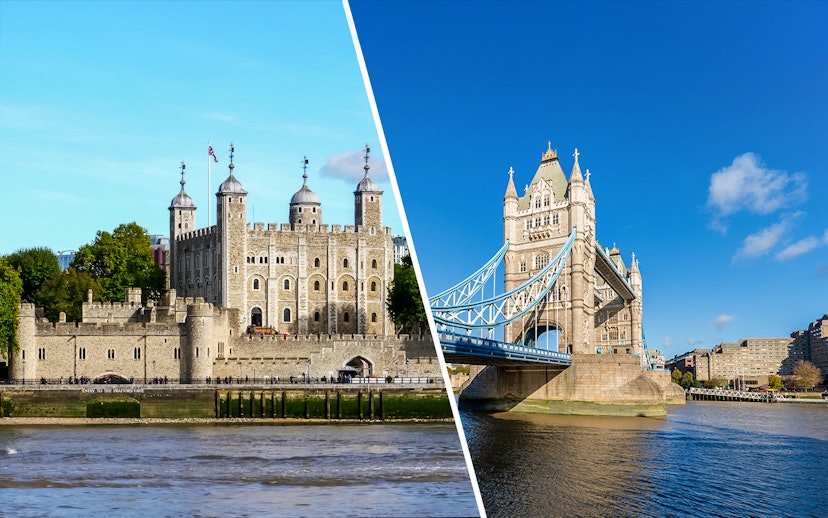
Pair your Tower visit with attractions such as the London Eye, Tower Bridge, Westminster Abbey, Sky Garden, Madame Tussauds, or a Thames River Cruise for greater sightseeing value.

Beefeater meet & greet tickets

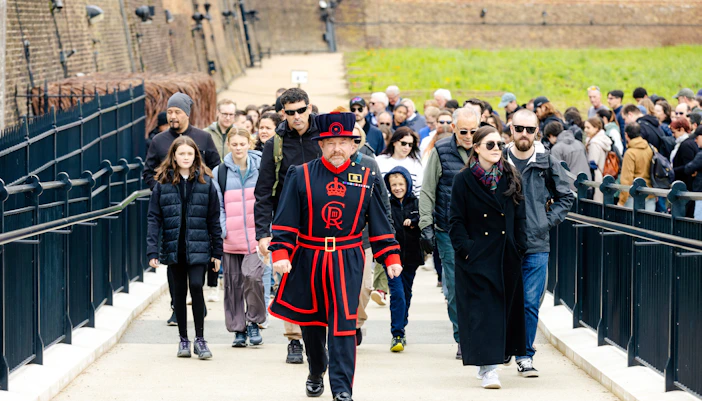
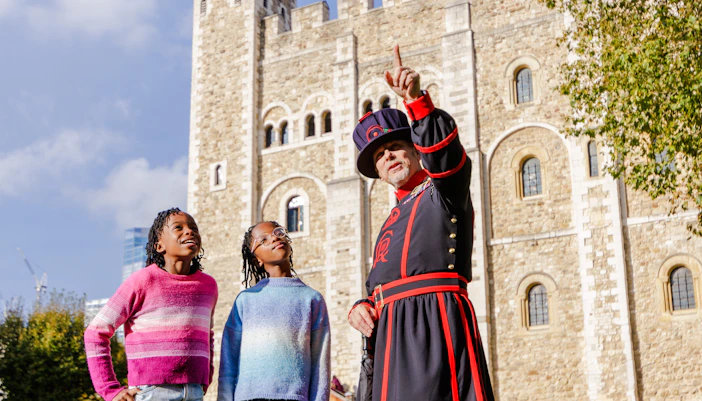
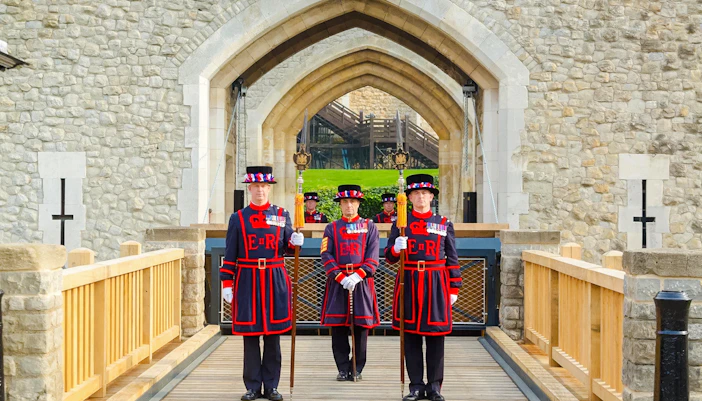
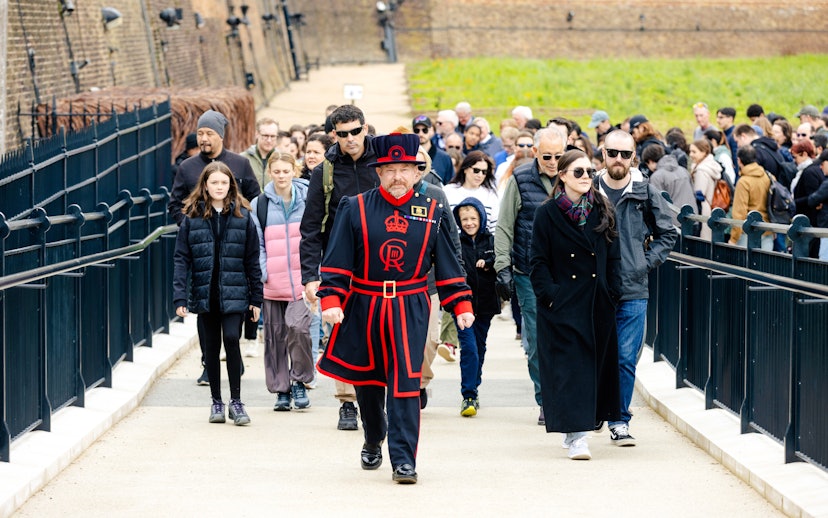
Begin your visit with stories from a Yeoman Warder, adding valuable context to the Bloody Tower's royal mysteries, prisoners, and medieval history.

Why it's worth seeing

Although much smaller than the White Tower, the Bloody Tower has become one of the Tower of London's most famous buildings because of the mysteries associated with its walls. It has served as both a fortified gateway and a residence for important prisoners, preserving stories that continue to fascinate historians today.

The Princes in the Tower exhibition

The Bloody Tower is traditionally linked with Edward V and his younger brother Richard, Duke of York, who disappeared inside the Tower in 1483. The displays examine the competing theories surrounding their fate, one of Britain's greatest unsolved historical mysteries.

Sir Walter Raleigh's chamber
One of the rooms recreates the accommodation associated with Sir Walter Raleigh, who spent many years imprisoned at the Tower. Period furnishings and interpretation reveal how high-ranking prisoners often lived surprisingly comfortable, though heavily restricted, lives.

Original medieval architecture

Look beyond the exhibitions to appreciate the thick stone walls, narrow windows, worn staircases, and defensive features that reveal the Bloody Tower's original military purpose long before it became associated with imprisonment and royal intrigue.

Historical and cultural significance

Originally constructed in the 13th century as part of the Tower of London's inner defensive system, the Bloody Tower later became associated with some of England's most famous prisoners and unsolved royal mysteries. Although historians continue to debate exactly what happened to the young princes who disappeared here in 1483, the building has become a lasting symbol of medieval political intrigue. Today, its preserved chambers and exhibitions help visitors understand how the Tower functioned as both a royal residence and a state prison across several centuries.

👉 Explore the full history of the Tower of London

Notable figures

Edward V

Crowned king at just 12 years old, Edward V disappeared inside the Tower alongside his younger brother before his coronation could take place, creating one of English history's greatest mysteries.

Know more

Richard, Duke of York

Edward V's younger brother was last seen within the Tower in 1483. His disappearance alongside the young king continues to fuel historical debate and speculation.

Know more

Sir Walter Raleigh

The celebrated explorer, writer, and courtier spent years imprisoned in the Bloody Tower, writing extensively while living under royal confinement during the early 17th century.

Know more

Richard III

Edward IV's brother became king shortly after the princes disappeared. While long suspected of ordering their deaths, historians continue to debate both the evidence and alternative theories.

Know more

Know before you go

  • Opening hours: The Bloody Tower follows the Tower of London's operating hours and opens and closes alongside the rest of the historic fortress.
  • Last admission: Visitors must enter the Tower of London before the final admission time to access the Bloody Tower during their visit.
  • Seasonal schedule: Opening hours vary throughout the year, with longer opening times generally available during the peak visitor season.
  • Temporary closures: Individual rooms or exhibitions inside the Bloody Tower may occasionally close for conservation work or operational requirements.
  • Included access: Entry to the Bloody Tower is included with every valid Tower of London admission ticket throughout normal operating hours.

Detailed timings

  • Within the complex: The Bloody Tower stands inside the Inner Ward, close to the medieval palace buildings and central visitor routes.
  • Entry point: Access is available only through the Tower of London's main visitor entrance. The Bloody Tower has no separate public entrance.
  • Visitor route: Most visitors encounter the Bloody Tower after visiting one or two major attractions, although it can be visited at any point during your route.
  • Walking distance: Allow approximately 10 to 15 minutes to reach the Bloody Tower from the main entrance, depending on crowds and stops along the way.
  • Standalone access: The Bloody Tower cannot be accessed directly from outside the Tower of London under any circumstances.

Get directions

  • Ground-level access: The exterior approach is accessible through designated visitor routes within the Tower of London, although historic surfaces may be uneven.
  • Upper rooms: The principal exhibition spaces require climbing historic staircases and are not fully accessible for wheelchair users.
  • Mobility assistance: Visitor staff can advise on accessible routes and provide information about areas with limited access upon arrival.
  • Historic interiors: Expect uneven stone floors, narrow doorways, low lighting, and original medieval architectural features throughout the building.
  • Accessible facilities: Accessible toilets, seating areas, and additional visitor facilities are available elsewhere within the wider Tower of London complex.

Plan your visit

  • Photography: Photography for personal use is generally permitted unless signs within individual exhibition spaces state otherwise.
  • Food & drinks: Eating and drinking are not permitted inside the Bloody Tower at any time.
  • Large luggage: Oversized bags and suitcases are prohibited inside the Tower of London and should be stored elsewhere before arrival.
  • Historic preservation: Visitors must not touch exhibits, lean on display cases, or interfere with historic architectural features.
  • Visitor conduct: Running, climbing, or creating disturbances inside the Bloody Tower is prohibited to protect both visitors and the historic building.

Plan your visit

  • Historic staircases: Accessing the principal exhibition rooms requires climbing original medieval staircases with uneven stone steps.
  • Uneven surfaces: Expect worn stone flooring, narrow thresholds, and historic passageways throughout the building.
  • Compact interiors: The rooms are relatively small and can feel crowded during busy periods, particularly around interpretation displays.
  • Limited seating: Very little seating is available inside the Bloody Tower, so most visitors remain standing throughout their visit.
  • Walking involved: Reaching the Bloody Tower and exploring the surrounding Inner Ward involves moderate walking across cobbled and uneven historic surfaces.

Plan your visit

Frequently asked questions about the Bloody Tower

Yes. Entry to the Bloody Tower is included with every valid Tower of London ticket. No separate ticket exists.