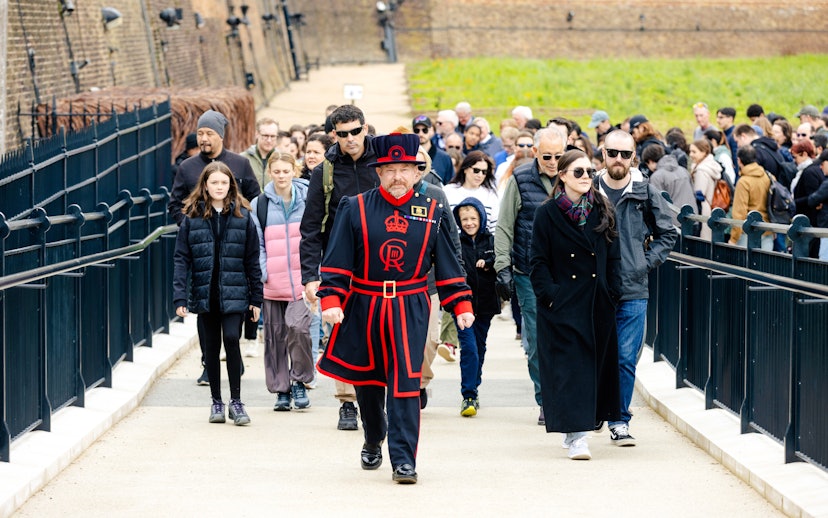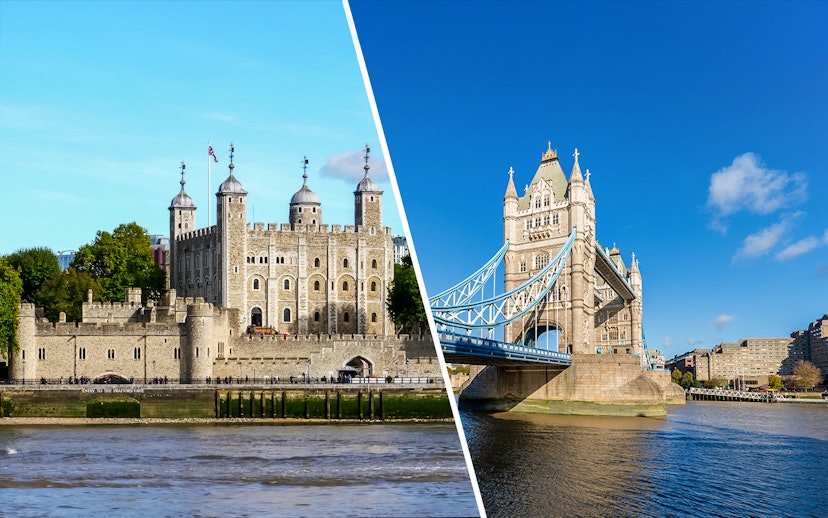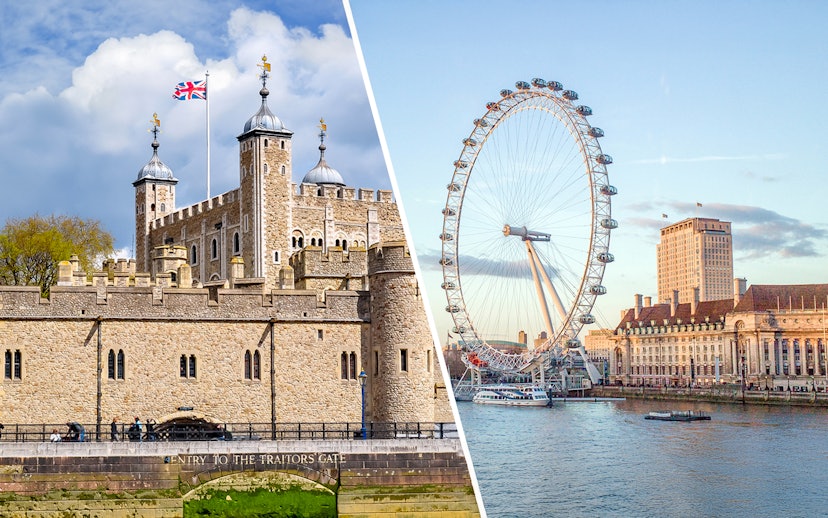











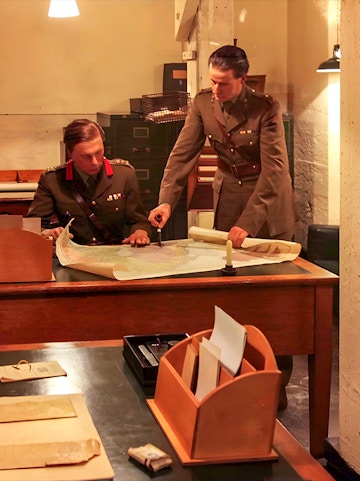


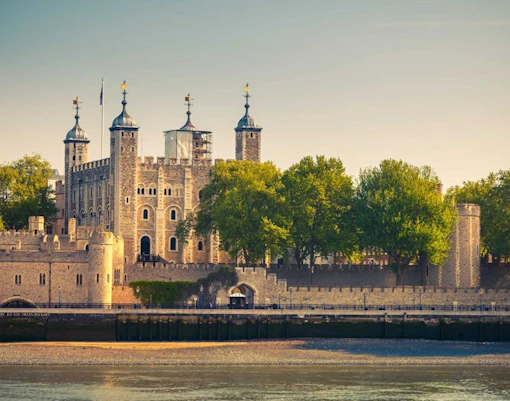
Head to the Martin Tower during the first hour after entering the Tower of London. Since it sits beside the Crown Jewels route, visitor numbers rise quickly from late morning onwards. An early visit lets you read the displays comfortably and move through the exhibitions before the surrounding area becomes one of the busiest parts of the fortress.
Tower of London
4.5(66,600)
The Martin Tower
Included with Tower of London tickets
Timings
RECOMMENDED DURATION
3 hours
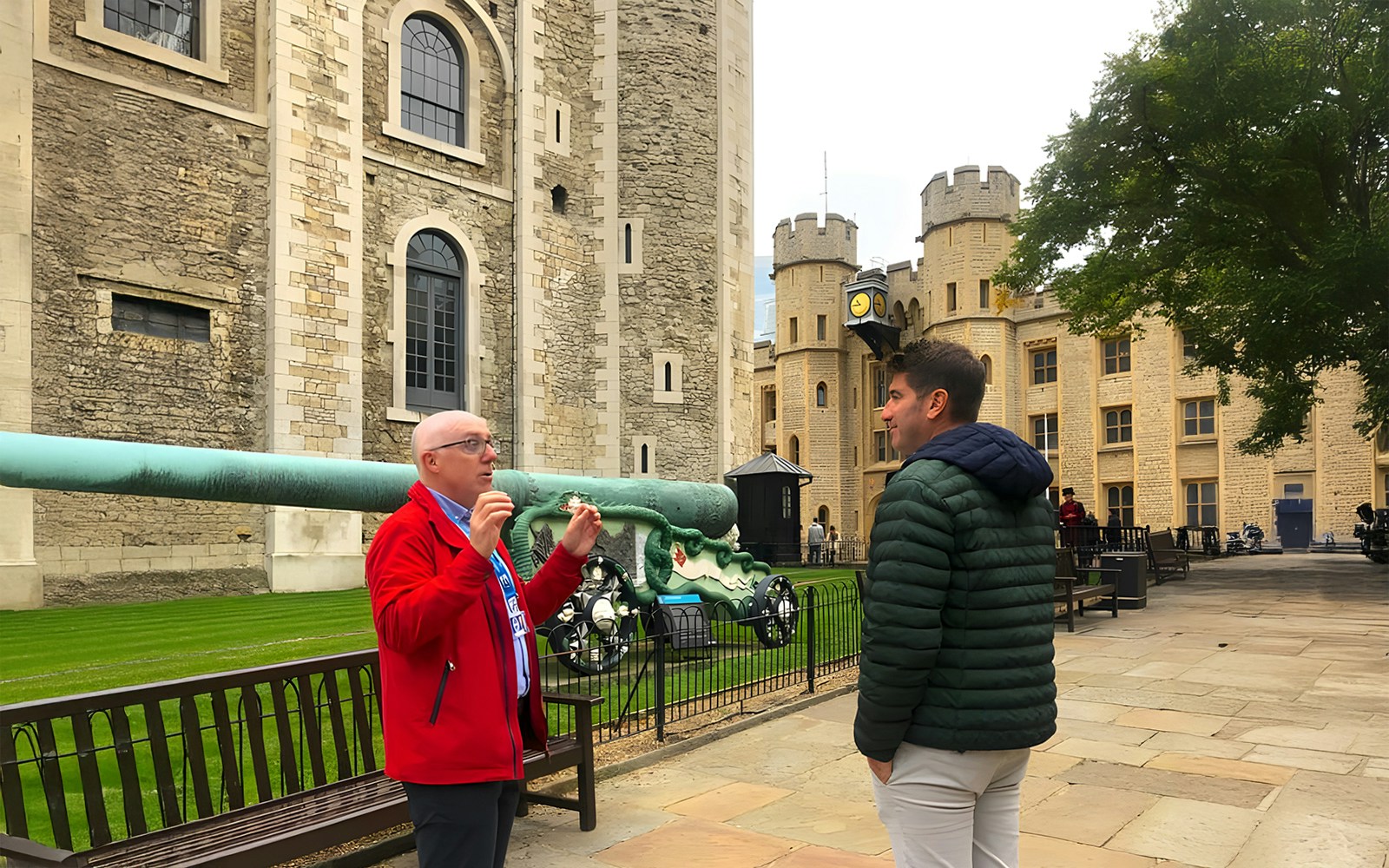
Top things to do in London
Quick overview
- Access: Included in all Tower of London tickets
- Separate ticket: Not required
- When you’ll see it: Midway on the Inner Ward route, near the Crown Jewels area
- Visit duration: 10–15 mins self-guided/15–20 mins with a guide
- Best time: First entry slot on a weekday; nearby Crown Jewels queues build quickly from late morning
- Restrictions: Historic building with stairs and uneven floors; standard Tower rules apply
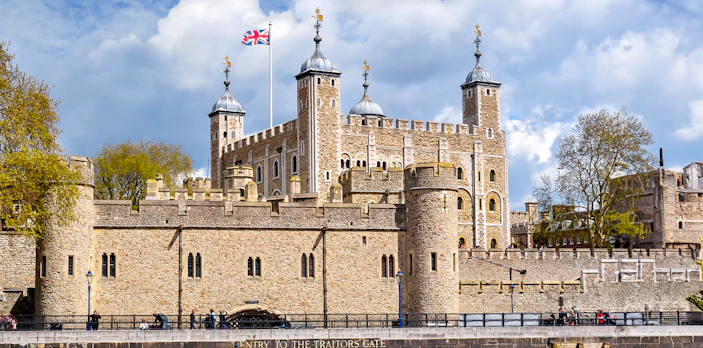
How to access the Martin Tower
Access to the Martin Tower is included with all Tower of London admission tickets, so no additional ticket is needed. Located on the Inner Ward, this historic tower is best known for its connection to the Crown Jewels before they were moved to the Jewel House. Visitors can enter as part of their self-guided exploration of the Tower grounds, though many choose to visit after seeing the Crown Jewels and nearby attractions such as the White Tower. Arriving earlier in the day often allows for a quieter visit and better opportunities to view the tower's exhibits without crowds.
How to best experience the Martin Tower
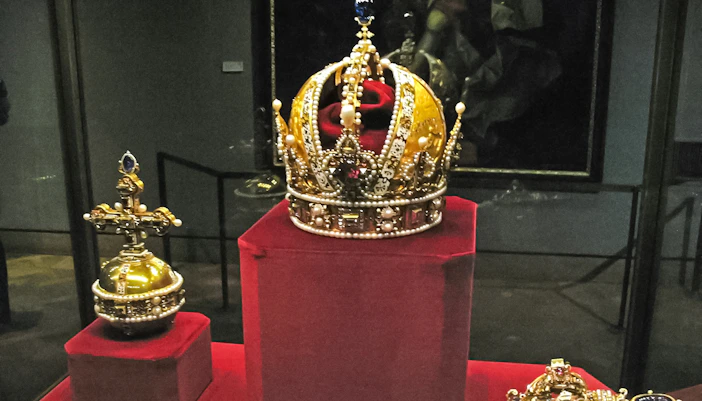
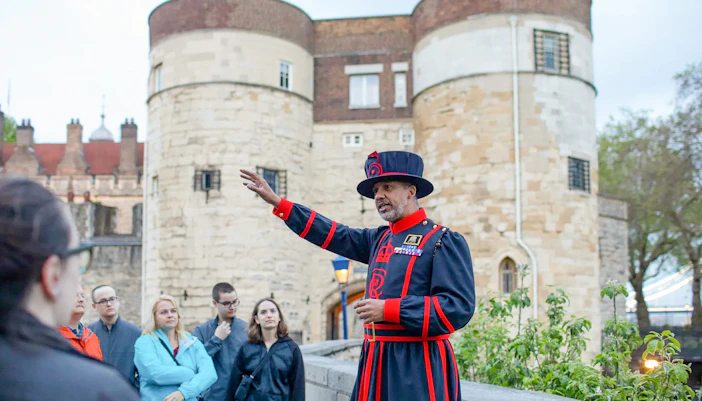
Visit early in your Tower itinerary
How long to spend
Set aside around 10–15 minutes for a self-guided visit, or 15–20 minutes if you're exploring with a guide. The exhibitions are compact but packed with fascinating stories, making this an easy stop that adds valuable context to the Crown Jewels without significantly extending your overall visit.

Where it fits in your itinerary
Visit the Martin Tower immediately before or after the Crown Jewels, as both attractions sit beside each other in the Inner Ward. Together, they tell the complete story—from how the regalia were once displayed inside a medieval tower to how they are protected today in one of the world's most secure vaults.
Crowd patterns
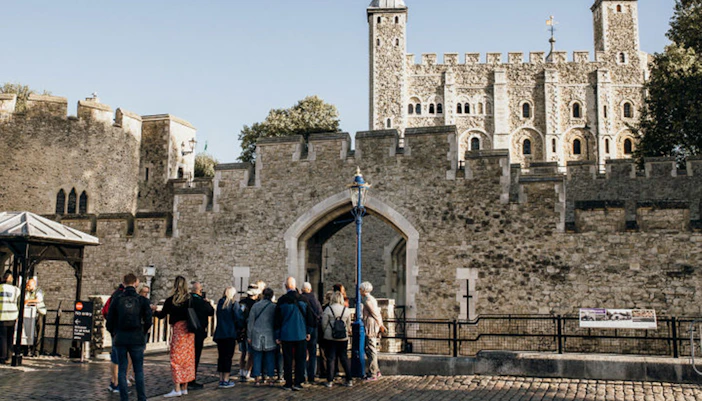
The surrounding area is busiest between 11am and 2pm, when most visitors head straight for the Crown Jewels. During these hours, queues and slower foot traffic can make the Martin Tower feel more crowded than its size suggests. Early mornings and the final hour before closing usually offer the quietest conditions.
Don't miss
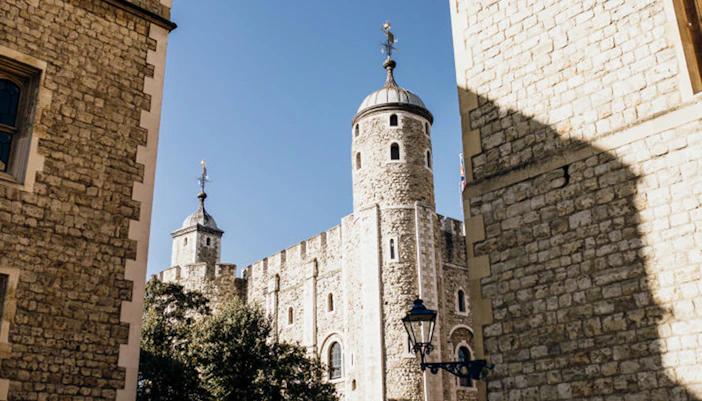
Focus on the exhibitions explaining how the Crown Jewels were originally stored inside the tower and the dramatic story of Colonel Thomas Blood's attempted robbery in 1671. Together, these displays reveal why the Tower's security changed so dramatically and provide essential context before seeing the Crown Jewels themselves.
Common mistakes to avoid
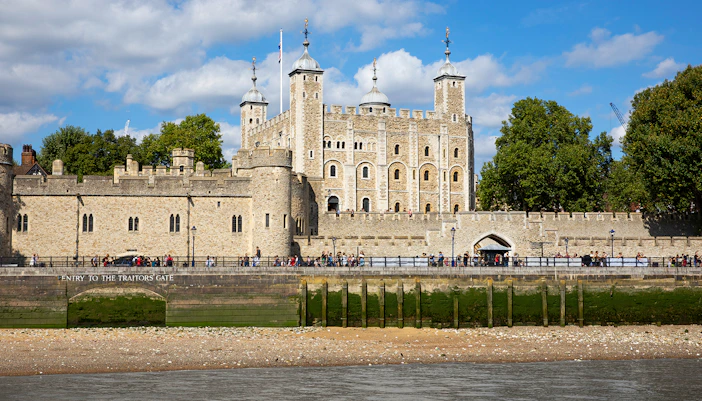
Many visitors pass through the Martin Tower in just a few minutes while hurrying towards the Crown Jewels. Instead, take time to read the interpretation panels and notice the tower's original medieval features. Understanding its role as the former Jewel House transforms it from a brief stop into one of the most historically significant buildings within the Tower complex.
Best tickets to experience the Martin Tower
| Ticket type | Why choose it |
|---|---|
Tower of London Tickets with access to the Crown Jewels | Best for a flexible self-guided visit. See the Martin Tower, Crown Jewels, White Tower, Medieval Palace, and other highlights at your own pace. |
Tower of London guided tour with skip-the-line access | Ideal if you want expert commentary on the Martin Tower's role as the original home of the Crown Jewels and the stories behind its most famous events. |
Tower of London tickets with optional guided tour, Thames cruise, or Opening Ceremony | A great choice if you'd like to pair your visit with a Beefeater tour, audio guide, Thames cruise, or the exclusive Opening Ceremony for a more structured day. |
Martin Tower in your visitor route
Unlike the White Tower or Bloody Tower, the Martin Tower is best understood as part of the wider Crown Jewels story rather than as a standalone attraction. Most visitors reach it while following the Inner Ward route, making it a natural stop before or after the Jewel House. Spending a few minutes here first gives valuable historical context, helping you appreciate how the Crown Jewels were once displayed, protected, and nearly stolen long before today's high-security vault was built.
Nearby attractions
- Jewel House (1-minute walk): Continue here to see the Crown Jewels in their current home, including St Edward's Crown, the Imperial State Crown, and the Sovereign's Sceptre.
- White Tower (3-minute walk): Visit the fortress's oldest building to see the Royal Armouries collection, St John's Chapel, and centuries of royal and military history.
- Chapel of St Peter ad Vincula (2-minute walk): See the final resting place of Anne Boleyn, Catherine Howard, Lady Jane Grey, and other notable figures connected to the Tudor court.
- Bloody Tower (5-minute walk): Learn about the Princes in the Tower, Sir Walter Raleigh's imprisonment, and some of the fortress's most enduring royal mysteries.
Why it’s worth seeing
Most visitors focus on the modern Jewel House and barely register the smaller tower that helps explain the earlier Crown Jewels story. If you stop here with that in mind, the surrounding Crown Jewels experience becomes much easier to read.
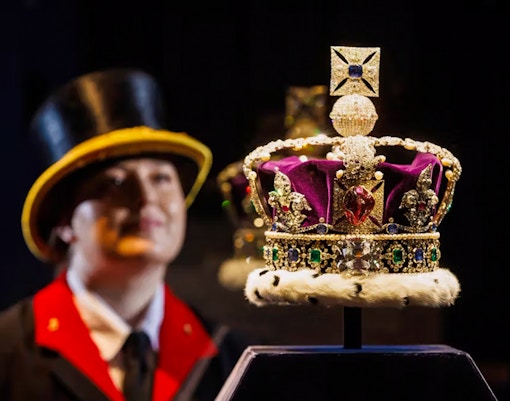
The original home of the Crown Jewels
Before the modern Jewel House was built, England's Crown Jewels were displayed inside the Martin Tower under the care of the Keeper of the Jewel House. The exhibitions explain how visitors viewed the regalia centuries ago and how royal treasures were protected long before modern security systems existed.
Colonel Blood's daring robbery
The Martin Tower is forever linked to Colonel Thomas Blood's audacious attempt to steal the Crown Jewels in 1671. Exhibits recount how he disguised himself, gained the trust of the Jewel House Keeper, concealed the regalia beneath his clothes, and almost escaped before being captured just outside the Tower walls.
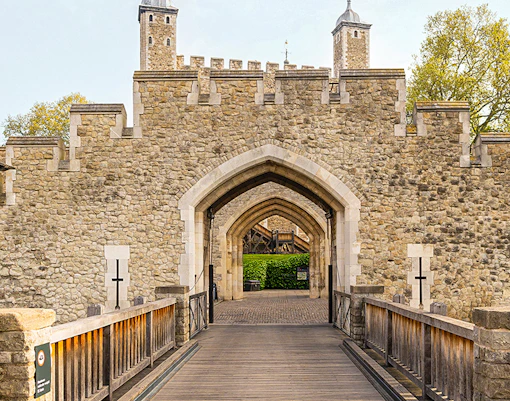
Original medieval architecture
Look beyond the exhibitions to appreciate the tower itself. Thick stone walls, narrow staircases, small windows, and compact chambers remain largely intact, offering a glimpse into how medieval builders created secure spaces capable of protecting some of the monarchy's most valuable possessions.

Rare historical displays
Alongside the story of the Crown Jewels, the exhibitions include illustrations, historical accounts, and interactive displays that help reconstruct the events surrounding the 1671 robbery. Together, they bring one of the Tower's most famous incidents vividly to life.
Historical and cultural significance
- The Crown Jewels' first home: For centuries, the Martin Tower served as the original home of England's Crown Jewels, where coronation regalia were stored, guarded, and displayed to paying visitors before the modern Jewel House existed.
- The infamous 1671 robbery: On 9 May 1671, Colonel Thomas Blood and his accomplices attempted to steal the Crown Jewels from the tower, carrying out one of the boldest theft attempts in British history.
- A turning point in royal security: Blood's failed robbery exposed major security weaknesses, prompting stricter protection measures that eventually led to purpose-built display spaces and the highly secure Jewel House.
- An enduring royal legacy: More than a medieval tower, the Martin Tower preserves the story of how Britain's most treasured royal symbols were once protected, displayed, and defended, making it a key chapter in the Tower of London's history.
Notable figures
Colonel Thomas Blood | Would-be thief
Colonel Thomas Blood masterminded the infamous 1671 attempt to steal the Crown Jewels from the Martin Tower. Disguised as a clergyman, he won the trust of the Keeper of the Jewel House before returning with accomplices to carry out one of the boldest robberies in British history.
Talbot Edwards | Keeper of the Jewel House
As the Keeper of the Jewel House, Talbot Edwards was responsible for protecting the Crown Jewels housed inside the Martin Tower. He was assaulted during Blood's robbery attempt but resisted long enough to help prevent the thieves from escaping with the regalia.
Charles II | Reigning monarch
King Charles II ruled England during the attempted theft of the Crown Jewels. Despite Blood's capture and confession, the King unexpectedly pardoned him and even granted him land in Ireland, creating one of the Tower of London's most enduring historical mysteries.
Know before you go
- Summer hours: Tuesday to Saturday, 9am–5:30pm; Sunday to Monday, 10am–5:30pm
- Winter hours: Tuesday to Saturday, 9am–4:30pm; Sunday to Monday, 10am–4:30pm
- Last entry: Usually one hour before closing.
- Best time to visit: The first entry slot on a weekday offers the quietest conditions around both the Martin Tower and the Crown Jewels.
- Closures: The Tower of London is generally closed on 24–26 December and 1 January.
Address: Tower of London, London EC3N 4AB, United Kingdom
- Nearest Underground station: Tower Hill station, approximately a 3-minute walk from the main entrance.
- Entry point: Enter through the Tower of London's main visitor entrance on Tower Hill; the Martin Tower has no separate entrance.
- Walking time: Allow around 10–15 minutes from the entrance, depending on visitor flow around the Inner Ward.
- Visitor route: The Martin Tower sits beside the Crown Jewels route and is typically visited immediately before or after the Jewel House.
- Nearby landmarks: White Tower, Chapel of St Peter ad Vincula, and the Medieval Palace are all within a few minutes' walk.
- Historic building limitations: The Martin Tower is a medieval structure with narrow staircases, uneven stone floors, and confined spaces that may not be suitable for every visitor.
- Wheelchair access: While many outdoor areas of the Tower of London are step-free, the Martin Tower itself is not fully wheelchair accessible because of its historic layout.
- Accessible visitor routes: Tower staff can recommend alternative routes that allow visitors with limited mobility to enjoy nearby exhibitions and accessible areas within the fortress.
- Companion tickets: Visitors requiring assistance can request a complimentary companion ticket on the day of their visit with valid supporting documentation.
- Assistance dogs: Registered guide dogs and other recognised assistance dogs are welcome throughout the Tower of London where operationally possible.
- Photography: Photography is generally permitted inside the Martin Tower, but remains prohibited inside the Jewel House. Always follow instructions from Tower staff in restricted areas.
- Large bags and equipment: Large luggage, tripods, selfie sticks, drones, and professional photographic equipment are not permitted inside the Tower.
- Food and drink: Food, beverages, and chewing gum should not be taken inside historic buildings, including the Martin Tower.
- Respect the historic interiors: Please avoid touching display cases, interpretation panels, or original stonework unless an exhibit is clearly marked as interactive.
- Single-entry admission: Tower of London tickets are valid for one day's admission only, and re-entry after leaving the site is generally not permitted.
- Medieval staircases: Visitors should expect narrow spiral staircases, uneven steps, and historic thresholds typical of a 13th-century defensive tower.
- Standing throughout the visit: The exhibitions are entirely self-guided, so expect to remain on your feet while moving through the compact interior spaces.
- Uneven surfaces: Cobbled pathways outside and worn stone flooring inside the tower may become slippery during wet weather. Comfortable, supportive footwear is recommended.
- Moderate mobility required: Most visitors with reasonable mobility can comfortably visit the Martin Tower, but the stairs and confined spaces may be challenging for those with reduced mobility.
- Accessible alternatives: If climbing stairs isn't possible, consider spending more time in the Tower's accessible exhibitions, outdoor courtyards, and the Crown Jewels display, all of which offer excellent insight into the fortress's history.
Frequently asked questions about the Martin Tower
Yes. Entry to the Martin Tower is included with every valid Tower of London ticket. No separate ticket exists.
No. Any Tower of London ticket covers it. Guided or early-entry options simply help you reach this area with more context and less waiting.
No. The Martin Tower has no independent entrance. You reach it only from inside the Tower of London visitor route.
The Martin Tower stands within the Inner Ward of the Tower of London, beside the Crown Jewels route. It is usually visited immediately before or after the modern Jewel House during the standard visitor route.
Usually midway through the Inner Ward route. Allow around 10–15 minutes from the main entrance, longer when nearby Crown Jewels queues are heavy.
Allow 10–15 minutes self-guided, or around 15–20 minutes with a guide. It is brief, but the historical context rewards a focused stop.
Usually. Daytime Tower tours can cover this area, but after-hours experiences focus on the grounds rather than the interior towers.
Either works well, but visiting the Martin Tower first provides useful historical context before seeing the Crown Jewels in their modern home. Together, the two attractions tell the complete story of how the regalia were once stored and how they are protected today.
No. The Martin Tower once served as the home of the Crown Jewels, but they are now displayed in the purpose-built Jewel House nearby. Today, the Martin Tower focuses on telling the history behind the regalia and their former home.
The Martin Tower is best known as the former home of the Crown Jewels and the site of Colonel Thomas Blood's infamous 1671 attempt to steal them. The failed robbery changed how Britain's royal regalia were protected and remains one of the Tower's most remarkable stories.
Partially. The wider Tower site has accessible areas, but historic tower interiors and stairs can limit access.
Usually, yes, in most Tower areas, but not in the Jewel House. Follow staff instructions anywhere photography is restricted.
It is smaller and more focused than the White Tower or Bloody Tower. Prioritize it for Crown Jewels history, not for long exhibitions.
The first hour after the Tower of London opens is usually the quietest time to visit. Arriving early also helps you experience both the Martin Tower and the Crown Jewels before queues build later in the morning.