










London Tickets
Tower of London

Jewel House

Included with Tower of London tickets

Timings

RECOMMENDED DURATION

3 hours

Jewel House at the Tower of London

Top things to do in London

Quick overview
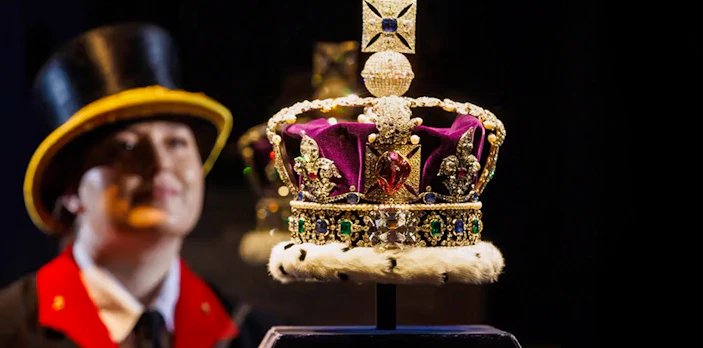
  • Access: Included in all Tower of London tickets
  • Separate ticket: Not required
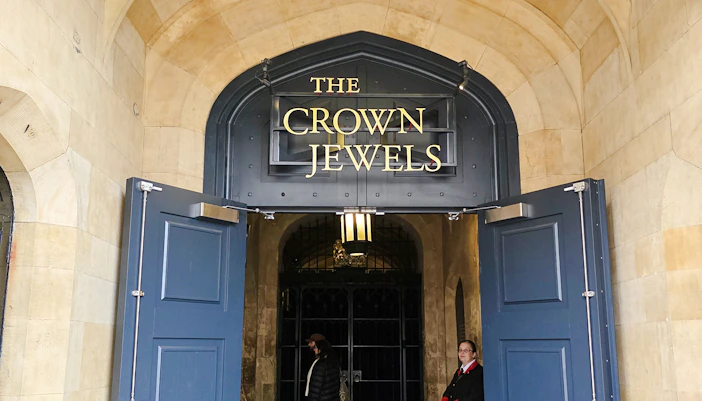
  • When you'll see it: Near the start of the Tower visit, inside the Waterloo Block
  • Visit duration: 15–20 mins self-guided/20–30 mins with a guide or audio guide
  • Best time: First entry slot on a weekday; queues build fastest from late morning
  • Restrictions: No photography inside the Jewel House; large bags and recording equipment are restricted

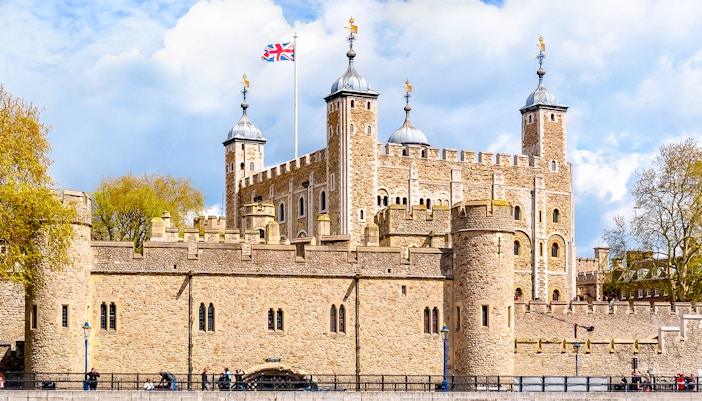
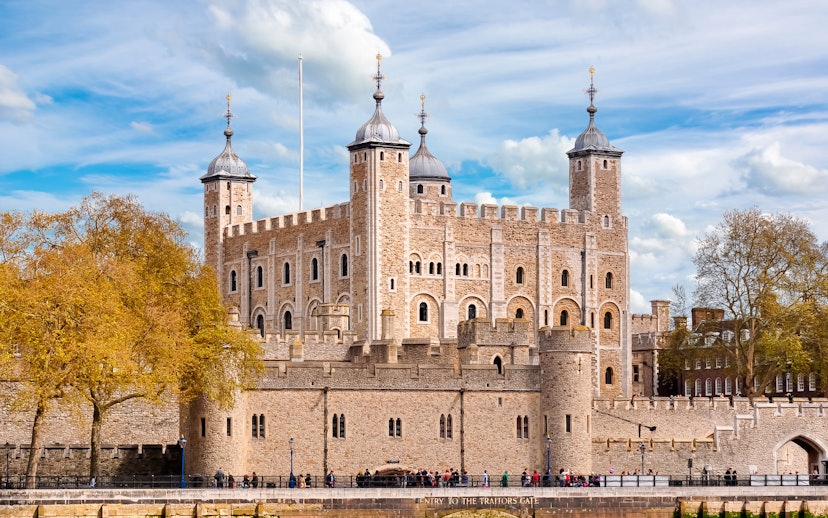
The Jewel House at the Tower of London is included with all Tower of London tickets. No separate ticket is needed. It sits near the start of the Tower visit, inside the Waterloo Block, and you can head there as soon as you enter rather than follow a fixed one-way route. Book an early-entry, skip-the-line, or guided Tower ticket if you want to see the Crown Jewels before the longest queues build.

How to best experience the Jewel House
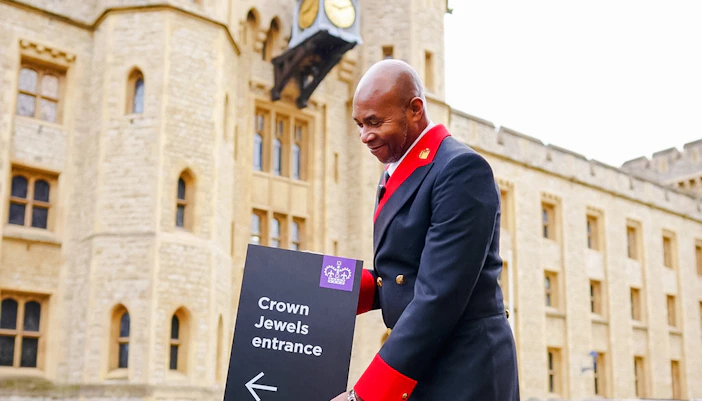
Best time to visit

Aim for the first entry slot on a weekday and go straight to the Jewel House once you’re inside. Queue times rise fastest from late morning. If you save it for midday, you’ll spend more time inching forward than looking.

How long to spend

Give it 15–20 minutes self-guided or 20–30 minutes with a guide or audio guide. That’s enough to follow the main regalia cases without feeling rushed. If you only budget 10 minutes, the moving walkway will dictate your pace.

Where it fits in your itinerary

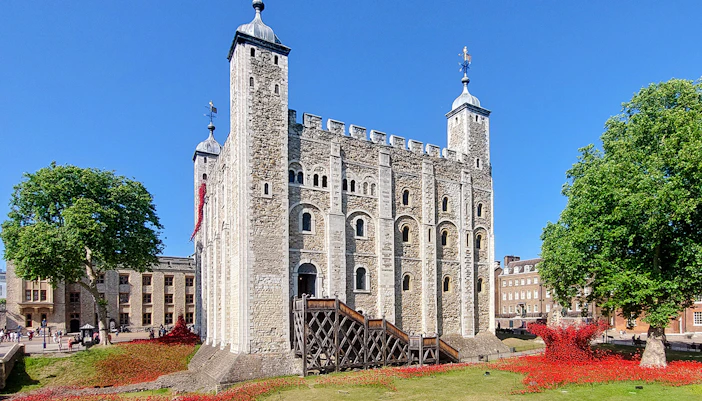
Because the Jewel House sits near the start of the Tower rather than at the end, it works best as your first major stop. See it before the White Tower. If you leave it until later, you’ll usually hit the longest internal line.

Crowd patterns

The heaviest pressure builds between 11am and 2pm, especially on weekends, school breaks, and holiday weeks. The line can spill outside the building and slow your whole Tower schedule. If queues matter, avoid reaching the exhibit in that window.

What to prioritize if time is short

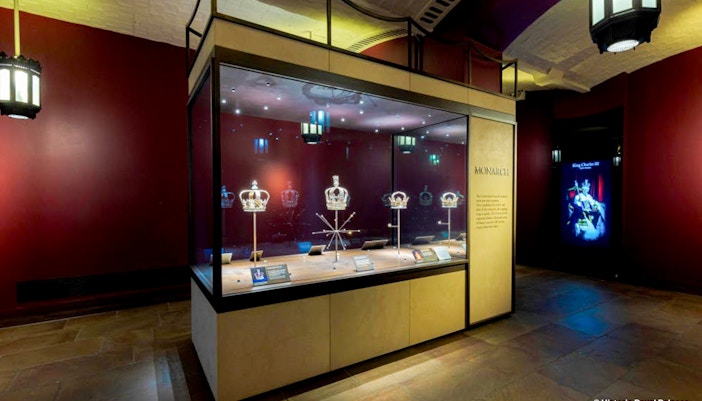
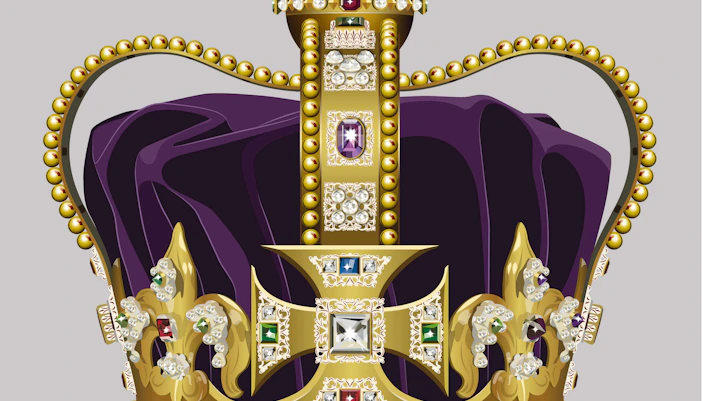
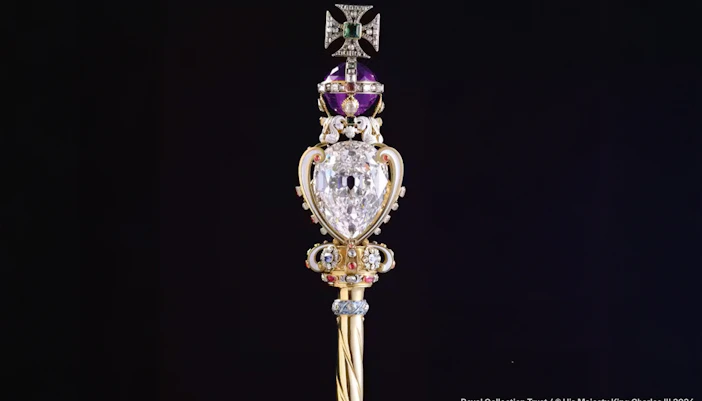
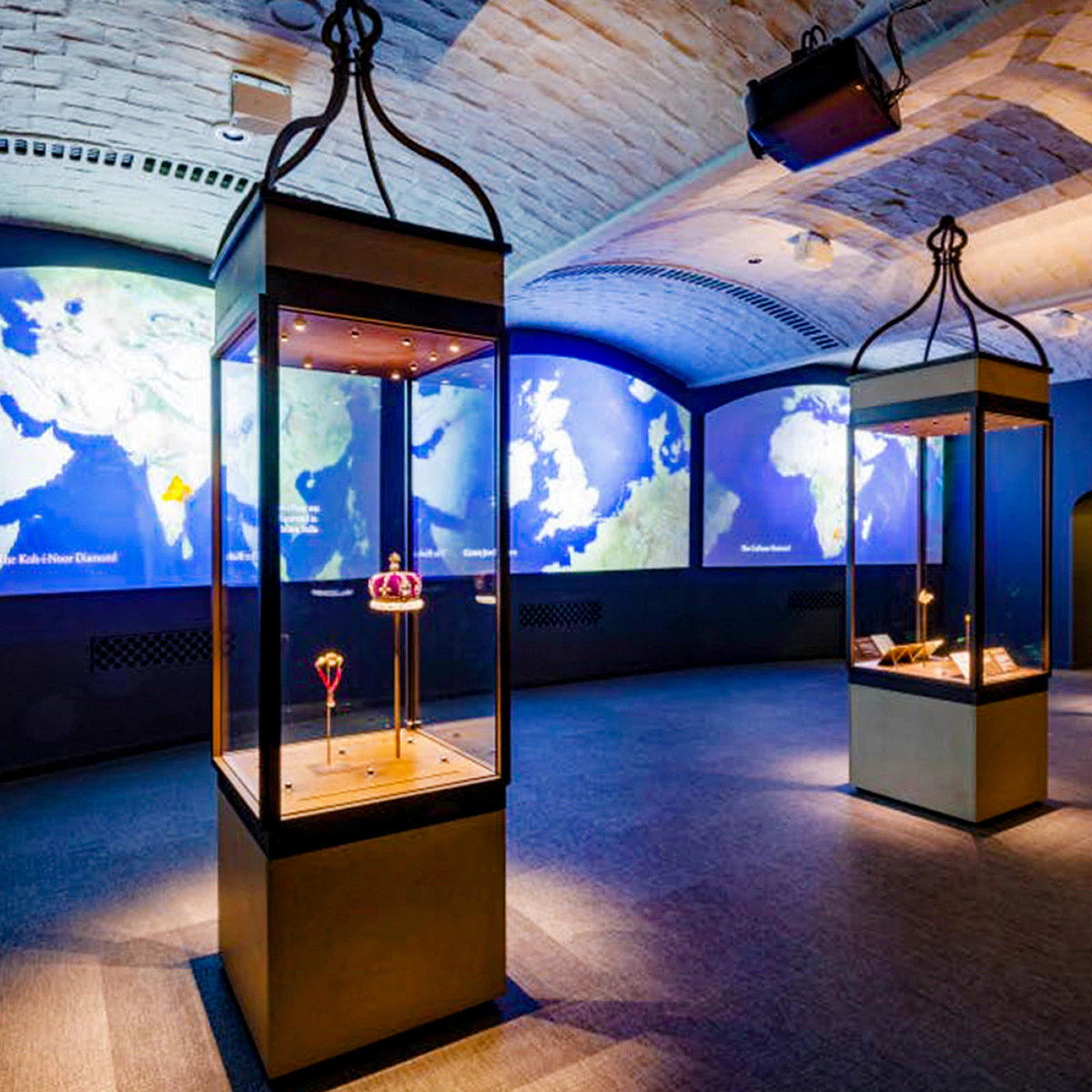
If you’re short on time, prioritise St Edward’s Crown, the Imperial State Crown, and the Sovereign’s Sceptre with Cross. These are the ceremonial anchors of the display. Cut back on secondary exhibitions before you cut the Jewel House.

Common mistakes to avoid

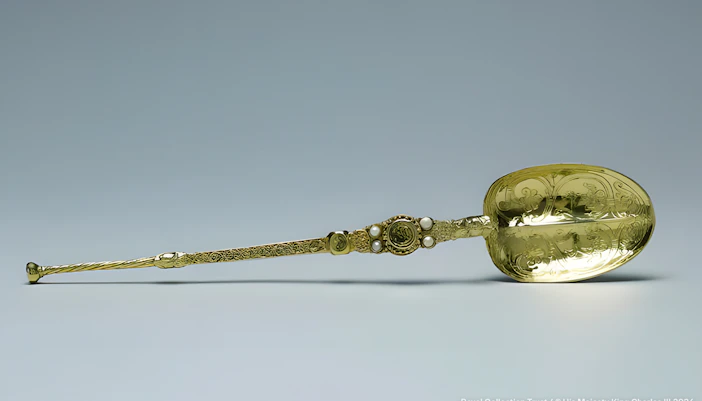
The biggest mistake is treating the Jewel House as something you can ‘swing by later.’ Another is focusing only on the biggest diamonds and missing the orb and coronation spoon. Go early, and scan beyond the headline stones.

Best tickets to experience the Jewel House

Ticket typeWhy choose it

Standard entry

Best if you want flexibility and can head to the Jewel House immediately after entering the Tower.

Guided tour

Adds context to the regalia and connects the Crown Jewels to coronations, royal ritual, and the wider fortress.

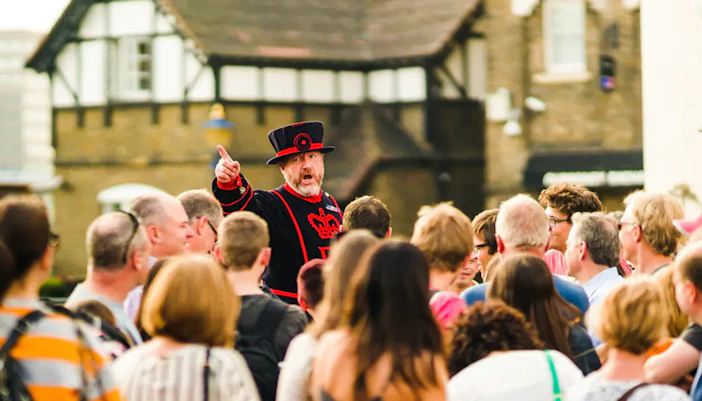
Early access or Beefeater upgrade

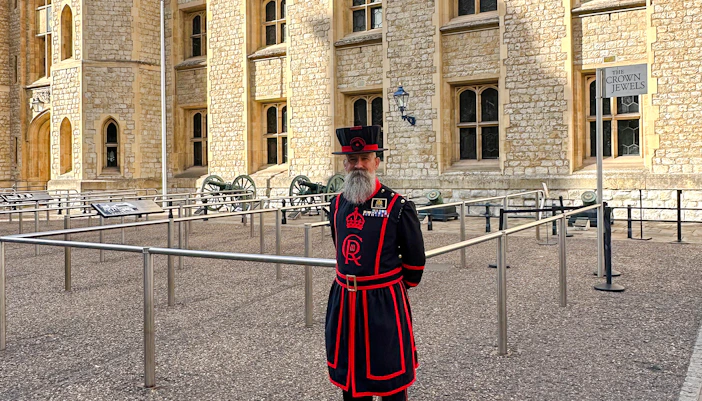
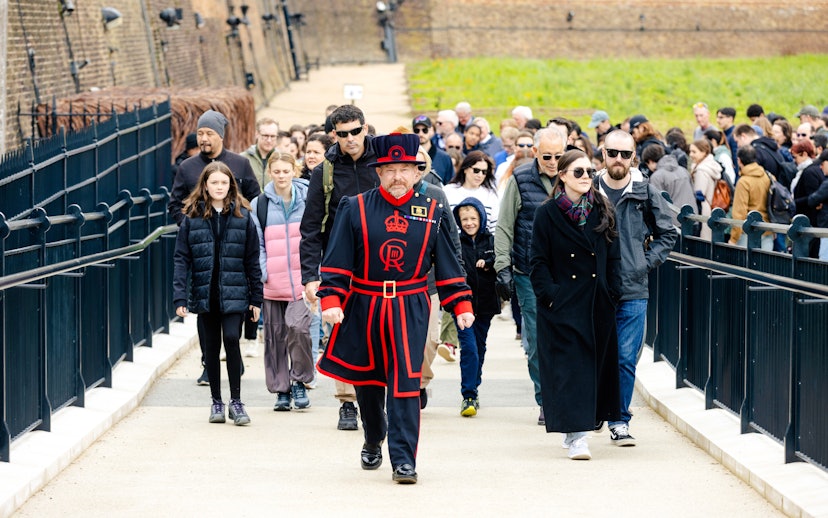
Gets you near the Crown Jewels before peak queues and makes the Jewel House the centerpiece of your morning.

Why it’s worth seeing

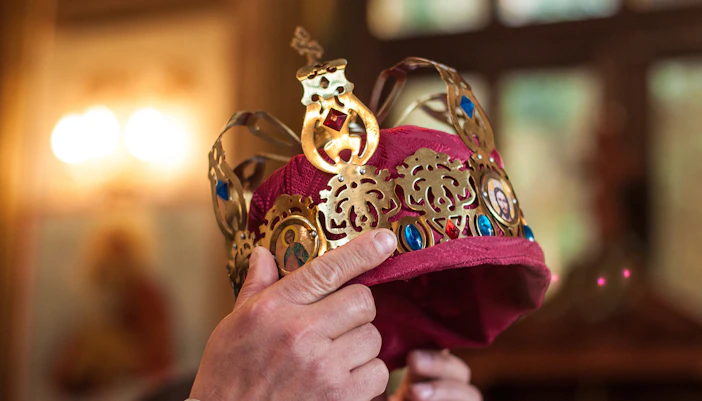
The Jewel House holds a working royal collection, not a retired museum set, which is why the Crown Jewels still anchor coronations and state occasions. Most visitors focus on the biggest stones and miss how each object fits a ceremony — crown, orb, sceptre, spoon, and ampulla each have a precise role. Use the main display cases to look for three pieces that explain the collection best.

St Edward’s Crown

On the main regalia route, look for the heavy gold crown with a deep purple cap. Made for Charles II’s 1661 coronation, it is the crown used at the moment of crowning, which gives the whole display its ceremonial centre.

The Imperial State Crown

Further along the central illuminated cases, find the crown worn after the coronation and at the State Opening of Parliament. Its dense surface of diamonds, sapphires, and pearls explains why this is often the best-known object in the room.

The Sovereign’s Sceptre and Orb

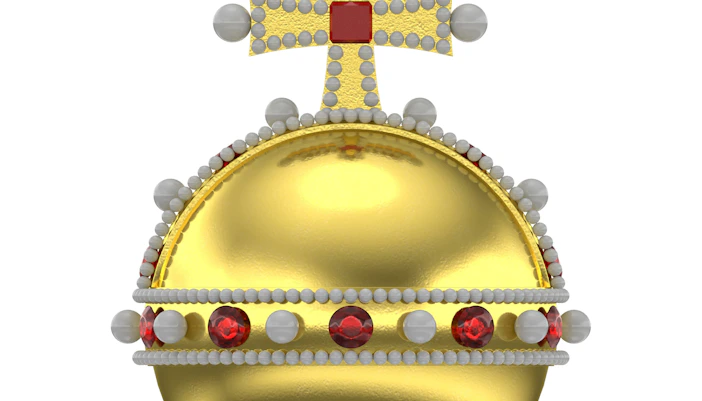
Look to the paired regalia displayed beside the crowns: the Sovereign’s Sceptre with Cross and the Sovereign’s Orb. The scepter carries the largest clear-cut diamond used in the collection, while the orb completes the coronation symbolism.

Historical and cultural significance

The Crown Jewels on display are not historical leftovers but a working collection of more than 100 ceremonial objects still used by the monarchy. After the old regalia were destroyed in the 17th century, the restored monarchy rebuilt the collection, and the Tower became its secure ceremonial home. Today, the Jewel House is both a public display and an active royal treasury tied to coronations and major state occasions.

👉 Explore the full history of Tower of London

Notable figures

Charles II | Monarch

Ordered new coronation regalia after the Restoration, rebuilding the Crown Jewels collection used today.

Know more

Sir Robert Vyner | Crown Jeweller

London goldsmith who helped create key Restoration regalia still central to the coronation ceremony.

Know more

Edward the Confessor | Saint-king

His name lives on in St Edward’s Crown, the central coronation crown in the Jewel House.

Know more

Charles III | Monarch

His 2023 coronation confirmed that the regalia here remain in ceremonial use, not static display.

Know more

Know before you go

  • Summer hours: Tuesday–Saturday, 9am–5:30pm; Sunday–Monday, 10am–5:30pm
  • Winter hours: Tuesday–Saturday, 9am–4:30pm; Sunday–Monday, 10am–4:30pm
  • Last admission: Typically 1 hour before closing
  • Closed: December 24–26 and January 1

Detailed timings

Address: Tower of London, London EC3N 4AB

  • Nearest subway: Tower Hill station, around 2–3 minutes on foot
  • River access: Tower Pier is a short walk from the main entrance
  • Entry point: Enter through the main Tower of London entrance; the Jewel House has no separate exterior entrance
  • Walk time inside: Allow around 5–10 minutes from the gate to the Jewel House, longer if security or internal queues are busy

Get directions

  • Wheelchair access: The wider Tower is only partially accessible, but the Jewel House is one of the easier areas to prioritise
  • Prams and strollers: Partially accessible across the site; uneven surfaces and historic steps remain in some zones
  • Companion tickets: Complimentary adult carer tickets are available on the day with supporting documents at the Ticket Office
  • Assistance animals: Guide dogs are welcome
  • Mobility planning: If stairs are an issue, ask staff for the step-free route and prioritise the Jewel House and other ground-level areas

Plan your visit

  • Photography: Prohibited inside the Jewel House
  • Bags and equipment: Luggage, large bags, tripods, selfie sticks, and other recording equipment are not allowed
  • Food and drink: Smoking, eating, and drinking are not allowed inside buildings
  • Security: Expect bag screening and controlled entry at the main Tower entrance
  • Display changes: The Crown Jewels display can change without notice for security reasons
  • Re-entry: Your Tower ticket is valid for one entry only; no re-entry is permitted

Plan your visit

Frequently asked questions about the Jewel House

Yes. Entry to the Jewel House is included with every valid Tower of London ticket. No separate ticket exists.

More reads