Detailed Tower of London maps | Entrances, highlights & more

With nearly 1,000 years of history spread across multiple towers, courtyards, exhibitions, and historic buildings, the Tower of London is much larger than many visitors expect. Having a map on hand makes it easier to find must-see attractions like the Crown Jewels, the White Tower, and Tower Green, while also helping you locate cafés, gift shops, restrooms, and accessible routes. Whether it's your first visit or you're returning to uncover more of the fortress, this guide will help you navigate the Tower with confidence.

Where is the Tower of London

Address: London EC3N 4AB, United Kingdom | Find on Maps

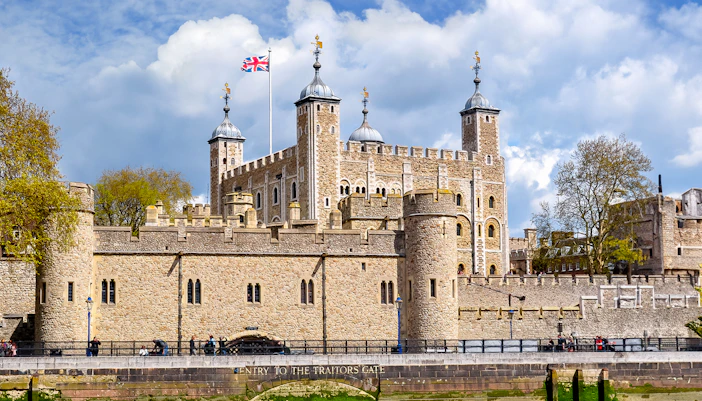
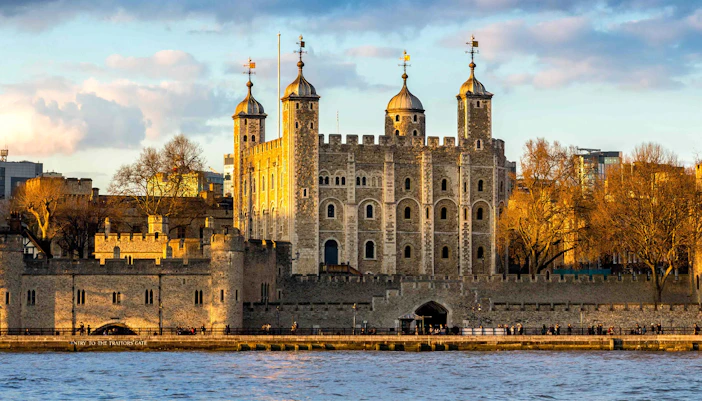
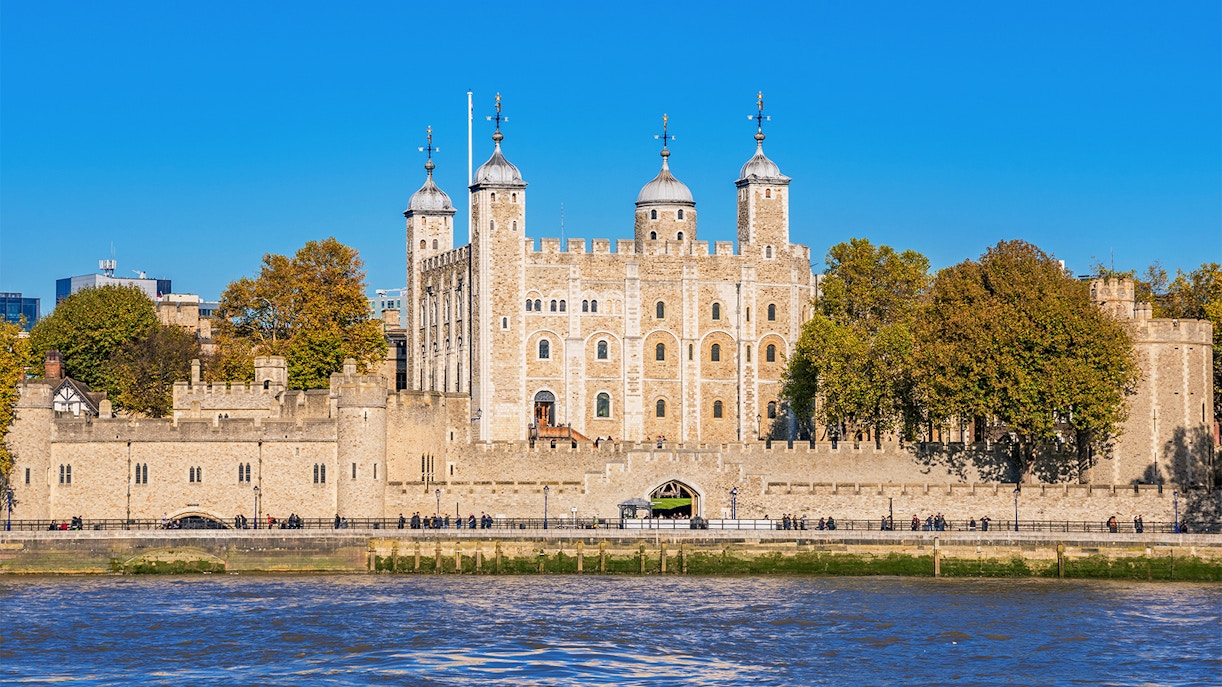
Situated on the north bank of the River Thames, the Tower of London occupies a prominent position in central London, immediately beside the iconic Tower Bridge. Surrounded by medieval walls and overlooking the river, the fortress is easily accessible by Underground, train, bus, river boat, and on foot from many of London's major landmarks.

Closest landmark: Tower Bridge (approximately 300m away)
Tower of London map

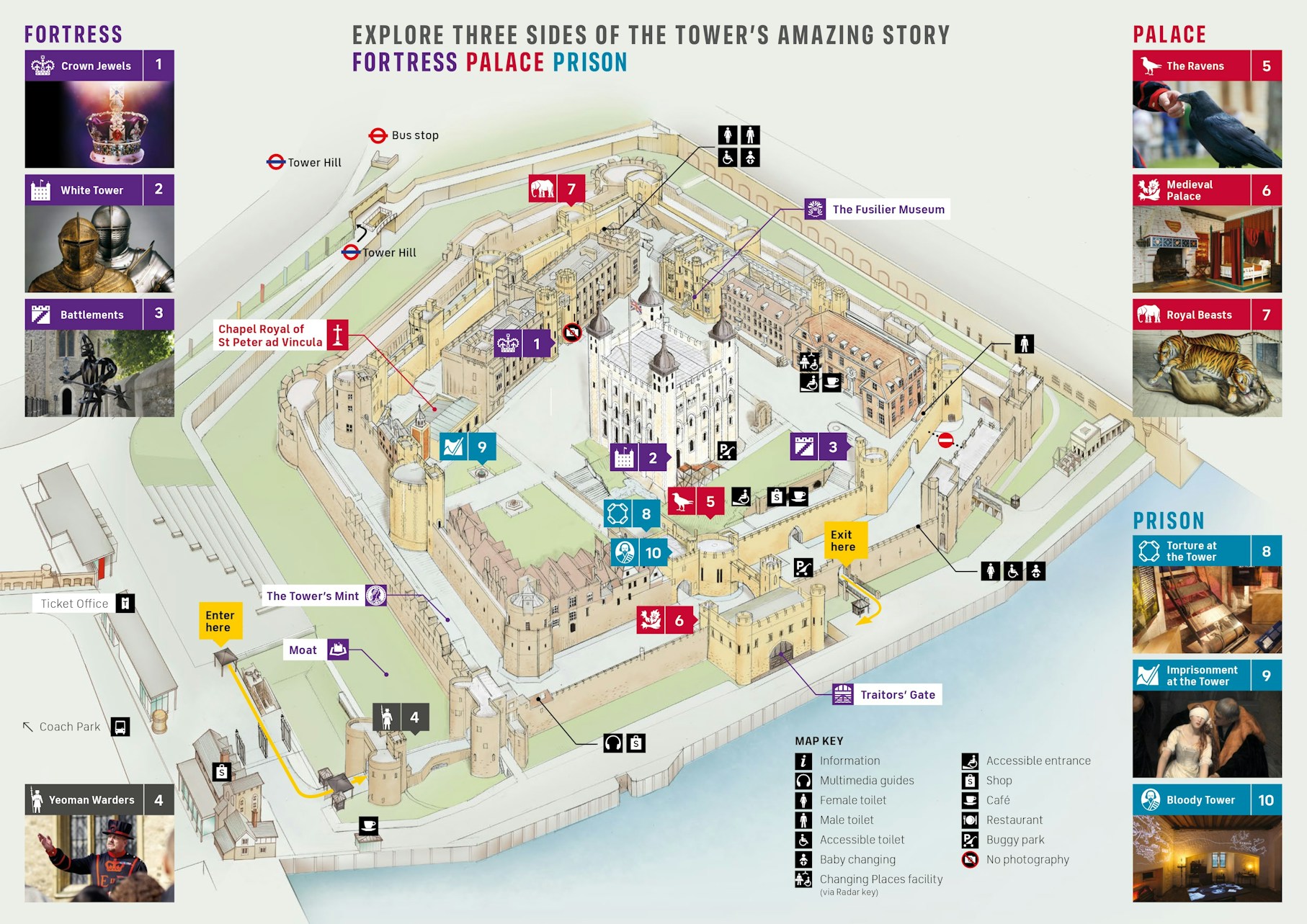
Use the official Tower of London map to find your way around the fortress and locate its major attractions, visitor facilities, entrances, exits, and accessible routes. The map also helps estimate walking distances between different parts of the site, making it easier to plan your visit and avoid missing key highlights.

tower of london map

Getting to the Tower of London

How to use the Tower of London map

  • Find the quickest route to major attractions: The map clearly marks popular landmarks such as the Crown Jewels, White Tower, Bloody Tower, Tower Green, Medieval Palace, and the Chapel of St Peter ad Vincula, helping you plan your visit efficiently.
  • Locate entrances and exits: Identify the main visitor entrance, exit points, and internal pathways before you begin exploring. This is especially useful during busy periods when visitor flow can be heavier.
  • Navigate visitor facilities: Need a café, restroom, gift shop, buggy park, or baby-changing facility? The map highlights the locations of essential amenities, saving you time as you move around the fortress.
  • Plan an accessible route: Visitors using wheelchairs, mobility aids, or pushchairs can use the map to identify accessible paths, step-free routes where available, accessible toilets, and lift locations.
  • Estimate walking distances: Although the Tower grounds are compact, some attractions are located within different wards of the fortress. The map helps you judge walking times and organise your route accordingly.

Understanding the Tower of London map

The Tower of London is divided into several distinct areas, each with its own historic buildings, exhibitions, and landmarks. Understanding these zones before your visit makes navigating the fortress much easier.

The Outer Ward

The Outer Ward forms the area between the outer defensive walls and the inner fortress. It contains wide walking paths, sections of the medieval walls, visitor facilities, and excellent viewpoints overlooking the River Thames and Tower Bridge.

The Inner Ward

At the heart of the fortress lies the Inner Ward, home to many of the Tower's most famous attractions. This is where you'll find the White Tower, Tower Green, the Chapel of St Peter ad Vincula, and several historic towers connected by open courtyards.

The White Tower

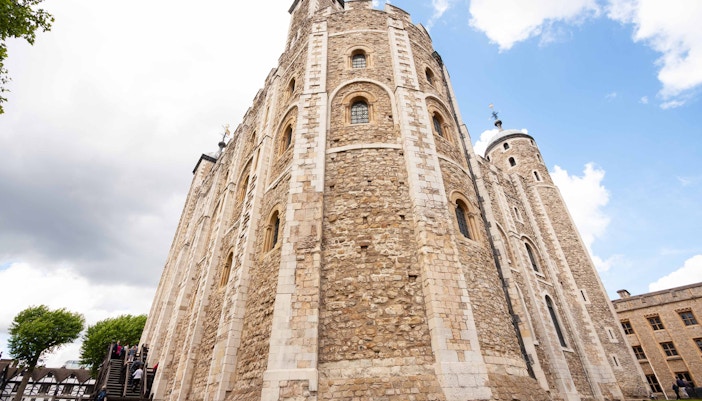
Standing at the centre of the complex, the White Tower is the oldest and most recognisable building on the site. It houses the Line of Kings exhibition, the Royal Armouries collections, and the historic Chapel of St John's.

The Wharf

Running alongside the River Thames, the Wharf offers scenic views of the river and Tower Bridge. This area also features defensive walls, historic cannons, and several towers that once protected the fortress from attacks by water.

The Medieval Palace

Located within the Inner Ward, the Medieval Palace includes St Thomas's Tower, Wakefield Tower, and Lanthorn Tower. These restored royal apartments provide a glimpse into the lives of medieval kings and queens and are among the Tower's most fascinating historic interiors.

What you'll find on the Tower of London map

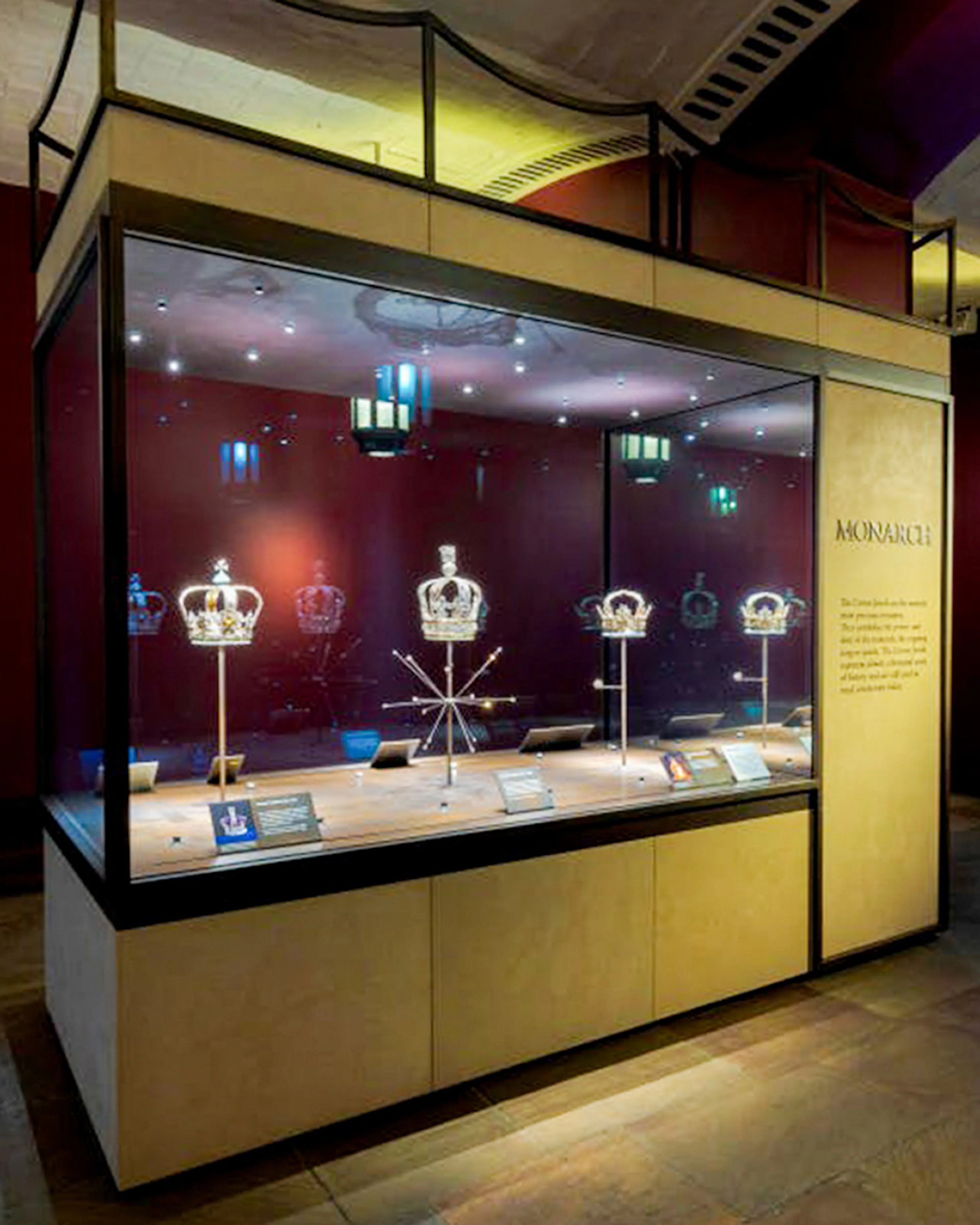
Crown jewels display at Tower of London exhibit.
1/9

Crown Jewels

Housed inside the Jewel House, the Crown Jewels are among the Tower's biggest highlights. The collection includes more than 23,000 precious gemstones, ceremonial regalia, crowns, sceptres, and orbs that continue to play an important role in royal ceremonies today.

White Tower

The White Tower is the oldest part of the fortress and one of the finest surviving examples of Norman military architecture. Inside, you'll find the Line of Kings exhibition, impressive displays from the Royal Armouries, and the beautifully preserved Chapel of St John's.

Medieval Palace

Made up of St Thomas's Tower, Wakefield Tower, and Lanthorn Tower, the Medieval Palace recreates the luxurious royal apartments once occupied by medieval monarchs. Interactive displays and furnished rooms offer a glimpse into royal life during the 13th century.

Bloody Tower

One of the Tower's most famous buildings, the Bloody Tower is closely associated with the mystery of the Princes in the Tower. It also housed Sir Walter Raleigh during his imprisonment and features exhibitions exploring the fortress's history as a state prison.

Beauchamp Tower

The Beauchamp Tower is renowned for its remarkable collection of prisoner graffiti carved into its stone walls. These inscriptions, created by noble prisoners during the Tudor period, remain one of the Tower's most moving historical features.

Tower Green

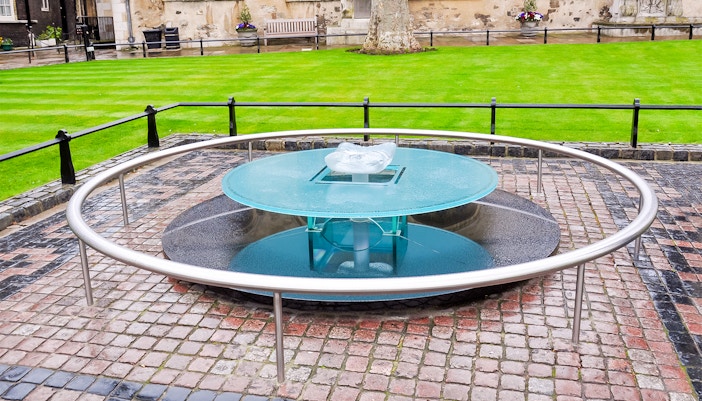
Tower Green marks the site of several private executions, including those of Anne Boleyn, Catherine Howard, and Lady Jane Grey. A striking memorial now stands here, commemorating the individuals who lost their lives within the Tower walls.

Chapel of St Peter ad Vincula

Situated beside Tower Green, this historic chapel serves as the burial place of several famous prisoners, including Anne Boleyn, Catherine Howard, Lady Jane Grey, and Sir Thomas More. Despite its modest appearance, it remains one of the Tower's most significant sites.

The Tower ravens

The Tower's famous ravens roam freely across the fortress grounds and are among its most beloved residents. According to legend, the kingdom will fall if the ravens ever leave the Tower, making them an enduring symbol of the historic fortress.

Battlements and towers

The map also marks several defensive towers, medieval walls, and walkways that once protected the fortress. These quieter areas offer excellent views of the Tower grounds, the River Thames, and Tower Bridge.

Visitor facilities shown on the Tower of London map

The Tower of London map doesn't just help you locate historic landmarks—it also highlights essential visitor facilities, making it easier to navigate the site comfortably throughout your visit.

Tower of London maps
  • Entrances and ticket checkpoints: The map clearly marks the main visitor entrance, ticket validation points, and exit routes, helping you find your way into and out of the fortress with ease.
  • Toilets and accessible washrooms: Male, female, family, and accessible toilets are located at various points across the Tower grounds. Their locations are clearly indicated on the map for quick reference during your visit.
  • Baby-changing facilities: Baby-changing facilities are available inside the Brick Tower accessible and ladies' toilets. Families visiting with young children can easily locate these amenities using the visitor map.
  • Buggy parking: Since some areas feature cobbled surfaces and narrow staircases, buggy parking areas are provided near the Middle Drawbridge and outside the White Tower for added convenience.
  • Cafés and refreshment stops: Whether you're looking for a full meal, a light snack, or a hot drink, the map highlights the Tower's cafés and refreshment kiosks, making it easy to plan a break during your visit.
  • Gift shops: Several gift shops are located throughout the fortress, offering everything from Tower-themed souvenirs and books to jewellery, toys, and royal-inspired gifts. Their locations are clearly marked on the map.
  • First aid and visitor assistance: Should you need assistance during your visit, the map identifies visitor support points. If children become separated from their group, they should approach a Yeoman Warder or another member of staff for help.
  • Free Wi-Fi: Complimentary Wi-Fi is available throughout much of the Tower of London, allowing visitors to access digital guides, online maps, and share their visit while exploring the fortress.

Suggested walking routes using the Tower of London map

Whether you have an hour or an entire afternoon, the Tower of London map can help you plan a route that matches your interests. Here are a few suggested itineraries to make the most of your visit.

First-time visitors (2–3 hours)

If it's your first visit, start with the Crown Jewels, then head to the White Tower before making your way through the Medieval Palace, Bloody Tower, Beauchamp Tower, and Tower Green. Finish your visit with a walk along the Wharf for views of the River Thames and Tower Bridge.

History enthusiasts (3–4 hours)

Take your time exploring the White Tower, Beauchamp Tower, Bloody Tower, the Medieval Palace, and the Chapel of St Peter ad Vincula. Join a Yeoman Warder tour to hear fascinating stories of royal intrigue, imprisonment, and the Tower's nearly 1,000-year history.

Families with children (2–3 hours)

Begin by visiting the Crown Jewels, then look out for the famous Tower ravens before exploring the White Tower and its impressive armour displays. Take regular breaks at the cafés and open courtyards, and use the map to locate restrooms and baby-changing facilities along the way.

Short visits (1–1.5 hours)

If you're short on time, prioritise the Crown Jewels, White Tower, and Tower Green. The map makes it easy to follow the shortest walking route between these highlights without doubling back through the fortress.

Visitor tips for using the Tower of London map

  • Download the map before you arrive: Saving a digital copy to your phone before your visit means you'll have easy access even if your mobile signal is limited in certain areas of the fortress.
  • Pick up a printed map at the entrance: Printed visitor maps are available at the main entrance and are useful for quickly locating attractions, facilities, and accessible routes as you explore.
  • Visit the Crown Jewels first: The Jewel House is the Tower's most popular attraction and queues grow throughout the day. Use the map to head there soon after entering the fortress.
  • Use the map to plan your route: Rather than moving randomly between buildings, identify the attractions you'd most like to visit and follow a logical route to avoid unnecessary walking.
  • Keep an eye on accessibility symbols: The Tower includes cobbled paths, uneven surfaces, and historic staircases. The map highlights accessible routes and entrances, helping visitors choose the most suitable path.
  • Allow time to wander: While the map is helpful for navigating the main attractions, leave some time to stroll through the quieter corners of the fortress. Many towers, viewpoints, and sections of the medieval walls are easy to overlook but well worth visiting.

Frequently asked questions about the Tower of London map

Yes. The Tower of London provides an official visitor map showing major attractions, entrances, facilities, accessible routes, cafés, shops, and restrooms.