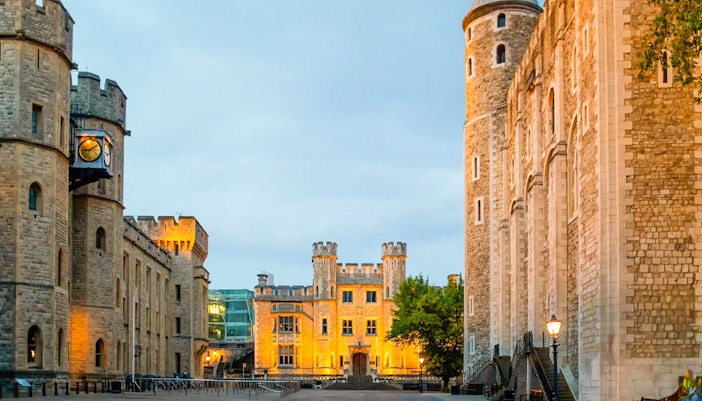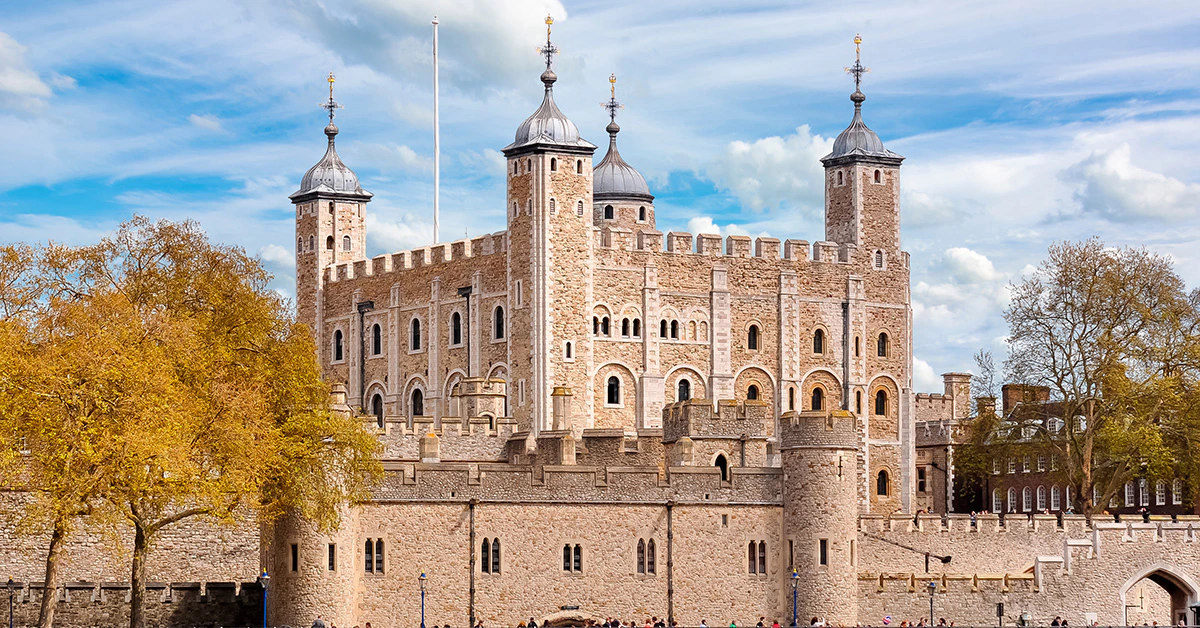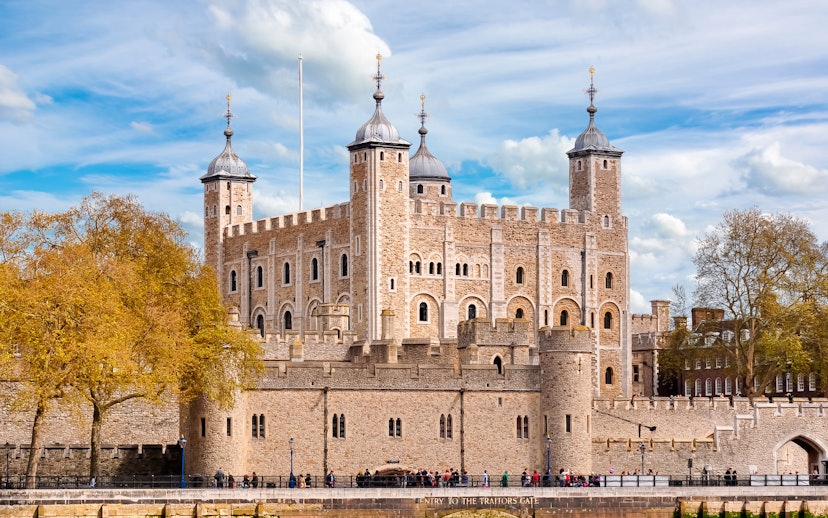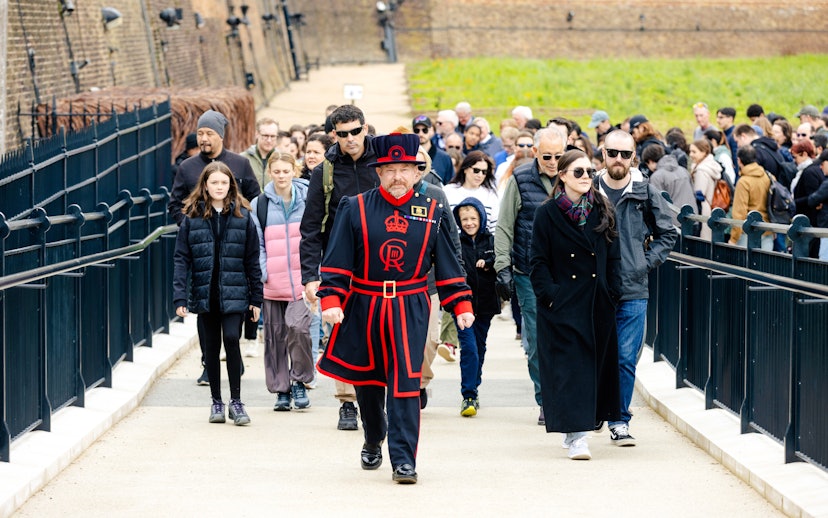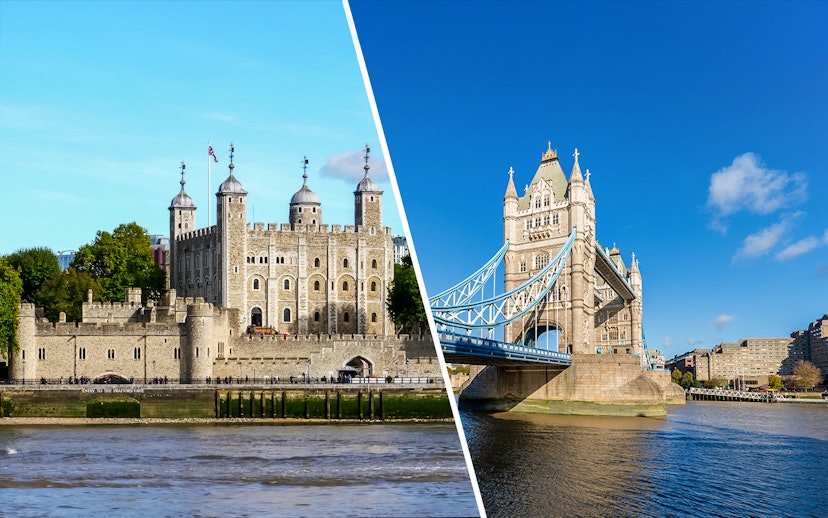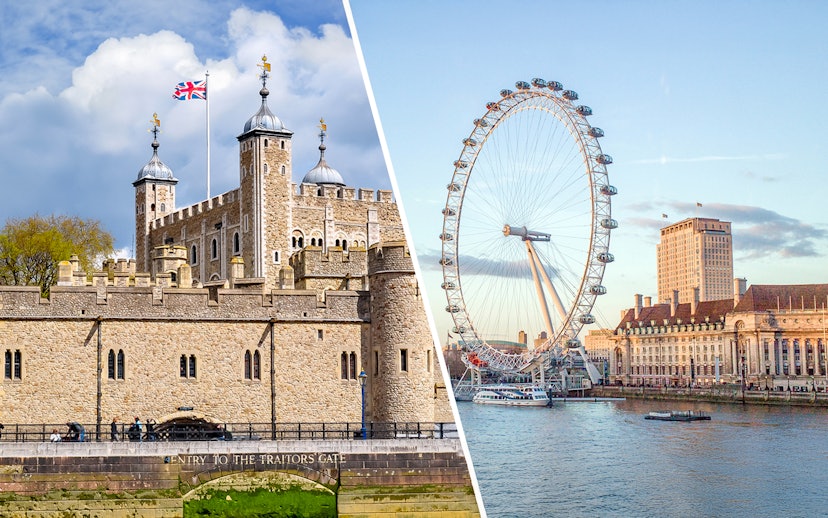





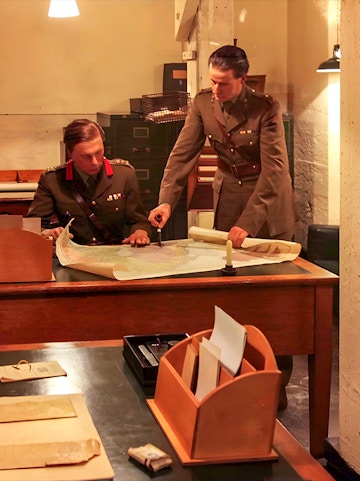


Visit during the first 90 minutes after opening or in the final hour before closing. The Medieval Palace route is usually quieter during these periods, giving you more room to appreciate the reconstructed interiors and narrow wall-walk sections before larger tour groups arrive.
Top things to do in London
Quick overview
- Access: Included in all Tower of London tickets
- Separate ticket: Not required
- When you'll see it: Midway through the inner-ward route in the Medieval Palace area
- Visit duration: 15–20 mins self-guided/20–30 mins with guide or audio context
- Best time: First 90 mins after opening on a weekday; the Medieval Palace route is quietest before group traffic builds
- Restrictions: Photography is generally allowed; tripods, large bags, food, and drinks are not permitted inside Tower buildings
How to access the Wakefield Tower
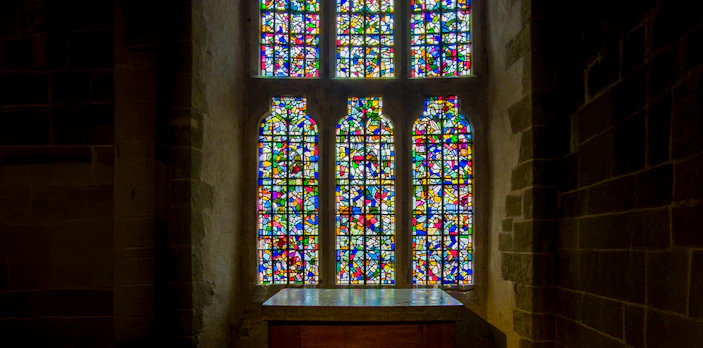
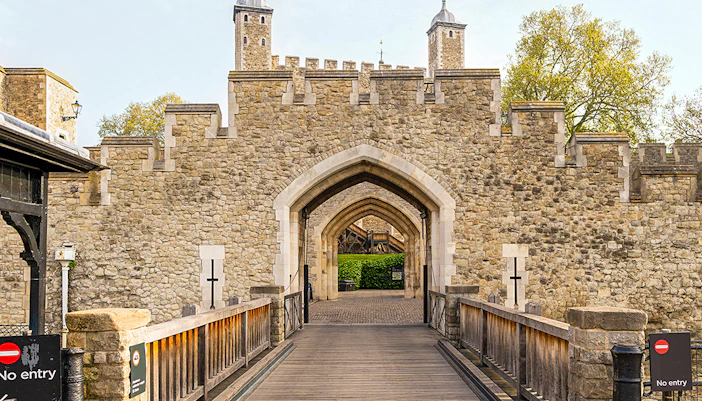
Access to the Wakefield Tower is included with all Tower of London admission tickets, with no separate entry required. Located beside the White Tower within the Inner Ward, it can be visited during your self-guided tour of the fortress. Many visitors stop here while exploring the Medieval Palace, where recreated royal interiors offer a glimpse into life at the medieval court.
How to best experience the Wakefield Tower
Best time to visit
How long to spend
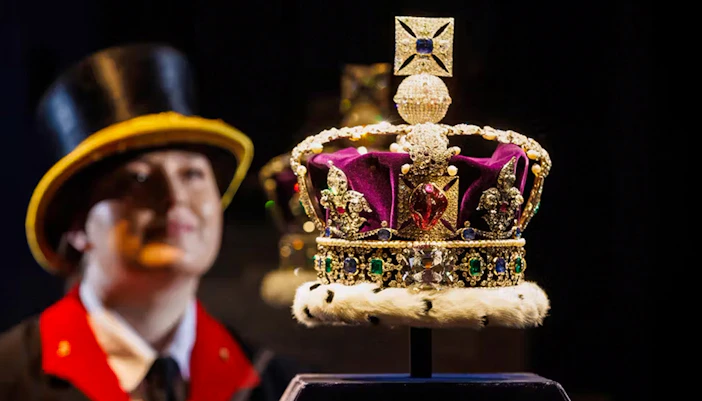
Allow 15–20 minutes if you're exploring independently or 20–30 minutes with a guide or audio commentary. The tower isn't large, but the royal chamber, chapel, and views from the walls reward a slower visit.
Where it fits in your itinerary
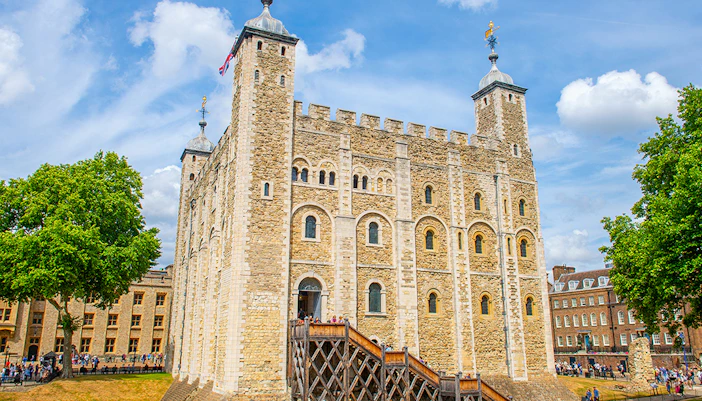
Wakefield Tower works particularly well between the Crown Jewels and the White Tower, or immediately after visiting the White Tower as a quieter change of pace. It also pairs naturally with the other Medieval Palace buildings, making it an excellent midpoint during your visit.
Crowd patterns
Unlike the Crown Jewels, Wakefield Tower rarely develops long queues. Instead, the busiest periods occur when guided groups move through the Medieval Palace together, creating temporary bottlenecks on staircases and wall-walk sections. If the tower feels crowded, continue to another attraction and return later.
Don't miss
Prioritise the reconstructed royal chamber, the private chapel, and the views from the adjoining wall walk. Together, they explain why Wakefield Tower mattered: it was designed for both royal comfort and royal security.
Common mistakes to avoid
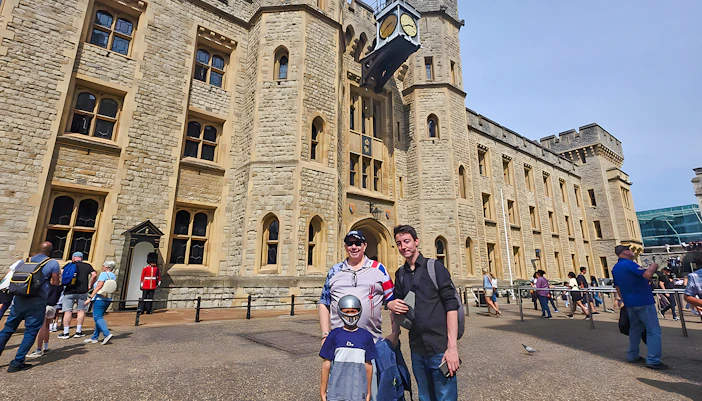
Many visitors move through Wakefield Tower too quickly because it lacks the instant fame of the Crown Jewels or Bloody Tower. Don't treat it as a corridor to the next attraction. Pause to imagine it as a king's private residence rather than a defensive tower, and the building becomes far more meaningful
Best tickets to experience the Wakefield Tower
| Ticket type | Why choose it |
|---|---|
Tower of London Tickets with access to the Crown Jewels | Best for a flexible self-guided visit that includes Wakefield Tower alongside the Medieval Palace, White Tower, Crown Jewels, and other historic landmarks. |
Tower of London guided tour with skip-the-line access | Ideal if you want expert commentary on medieval royal life, Henry III's palace, and the stories that shaped Wakefield Tower. |
Tower of London tickets with optional guided tour, Thames cruise, or access to the Opening Ceremony | Perfect if you'd like to combine your Tower visit with a guided experience, audio guide, Thames cruise, or early entry before the busiest crowds arrive. |
Wakefield Tower in your visitor route
Wakefield Tower forms the southern half of the Medieval Palace, one of the oldest surviving palace complexes in England. Visiting it alongside the neighbouring buildings helps you understand how medieval kings lived, governed, worshipped, and defended themselves within the Tower of London.
Nearby attractions
- Lanthorn Tower (1-minute walk): Connected to Wakefield Tower by the medieval wall walk, Lanthorn Tower housed the queen's private apartments and completes the story of the royal residence.
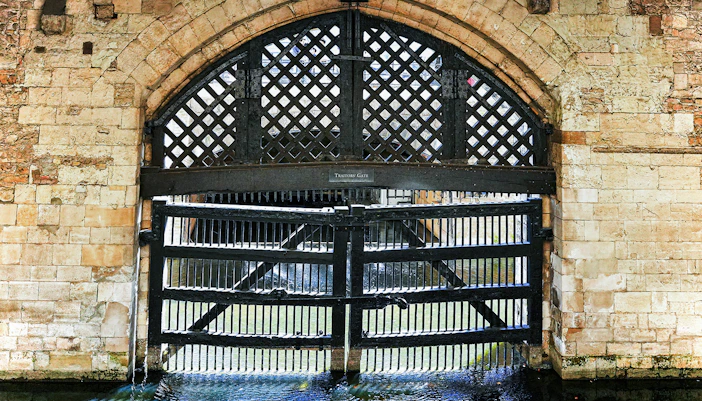
- St Thomas's Tower (2–3-minute walk): Built by Edward I as the grand riverside entrance to the Tower, it leads to Traitors' Gate and showcases the fortress's ceremonial arrival route.
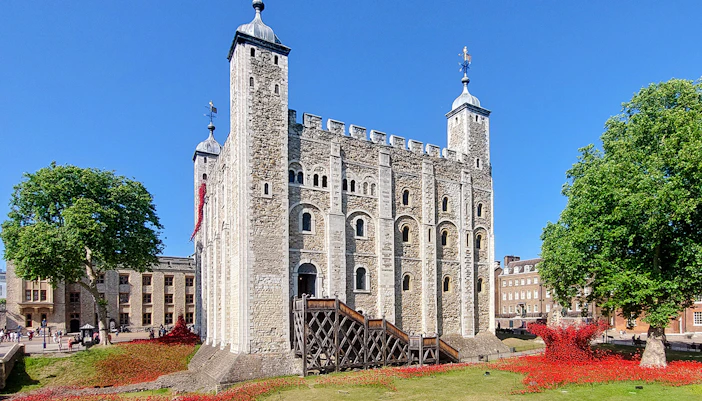
- White Tower (3–5-minute walk): The Tower's oldest building houses the Royal Armouries and demonstrates how the fortress evolved from Norman stronghold to royal palace.
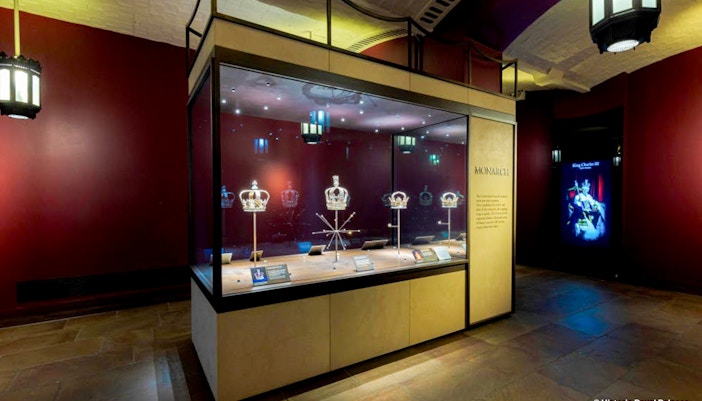
- Crown Jewels (4–5-minute walk): Continue to the Jewel House to see Britain's coronation regalia after exploring the medieval royal apartments that once formed the heart of the palace.
Why it's worth seeing
Wakefield Tower matters because it preserves the king’s private world inside a fortress better known for executions and prisoners. Most visitors don’t realise these compact rooms were part of Henry III’s royal lodgings, which changes the tower from ‘another stop’ into evidence of court life. Focus on three details when you enter: the reconstructed chamber, the devotional space, and the outward-facing views that tie comfort to defence.
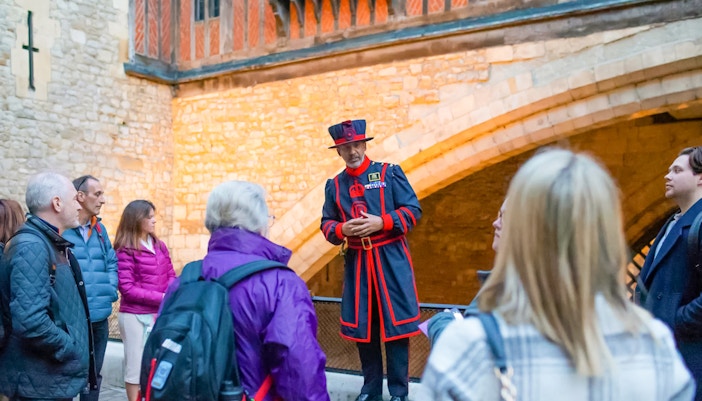
The King's Chamber
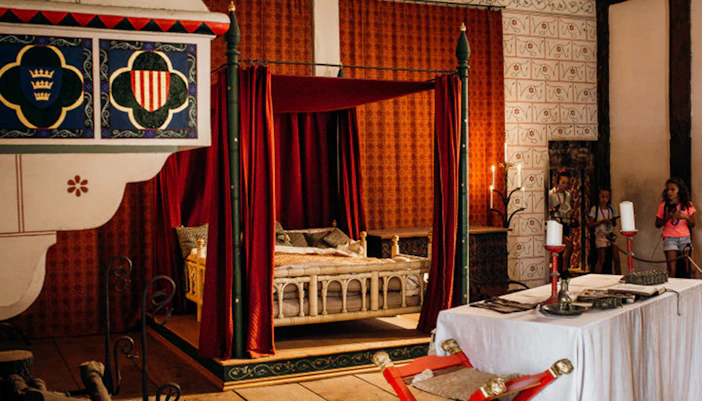
The beautifully reconstructed royal chamber offers one of the best glimpses of medieval court life anywhere within the Tower of London. Furnished with period-inspired décor, it illustrates how Henry III may have lived, received guests, and conducted private business inside the fortress.
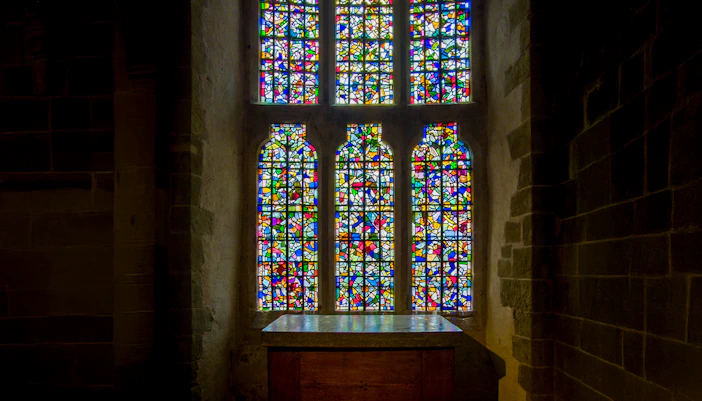
The Private Chapel
One of Wakefield Tower's most remarkable features is its recreated private chapel. Medieval monarchs attended daily worship as part of court life, and this intimate space demonstrates how religion was woven into the routines of kingship
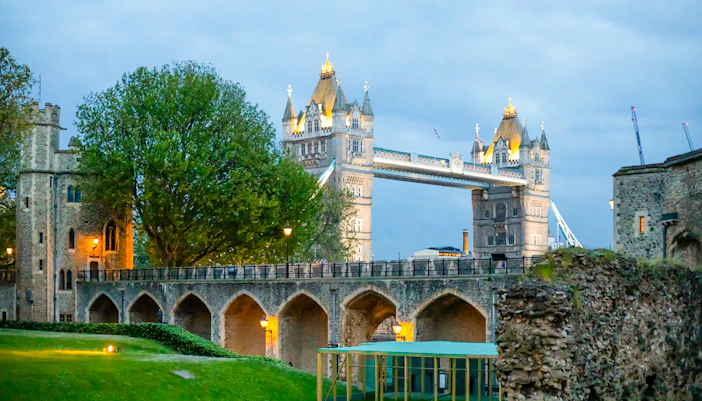
The Wall Walk
Step onto the adjoining medieval wall walk for views across the Inner Ward and towards the River Thames. These sightlines reveal how royal apartments remained fully integrated into the Tower's defensive system, allowing residents to oversee both the palace and its fortifications.
Historical and cultural significance
Historical and cultural significance
- Built as the king's private residence: Constructed during Henry III's ambitious rebuilding programme in the 1220s, Wakefield Tower formed part of the royal apartments within the Medieval Palace. It reflects a time when the Tower of London functioned as a luxurious royal residence as much as a military fortress.
- A window into medieval court life: Unlike many other Tower buildings, Wakefield Tower focuses on everyday royal life rather than imprisonment or warfare. Its reconstructed interiors help visitors understand how medieval monarchs lived, worshipped, governed, and entertained within the safety of the fortress walls.
- Linked to the Wars of the Roses: Wakefield Tower is traditionally identified as the place where the deposed Henry VI died in 1471 after being imprisoned during the Wars of the Roses. This long-standing association has made it one of the Tower's most historically significant royal buildings.
- One of England's finest surviving medieval royal apartments: Today, Wakefield Tower preserves one of the country's best surviving examples of a medieval royal residence. Together with Lanthorn Tower and St Thomas's Tower, it helps visitors picture the scale and sophistication of the Tower's once-grand palace complex before it gradually evolved into the fortress and state prison better known today.
Notable figures
Henry III | King and patron
King Henry III commissioned Wakefield Tower in the 1220s as part of his ambitious transformation of the Tower of London into a grand royal residence. His extensive rebuilding programme created luxurious apartments, chapels, and ceremonial spaces that reflected the growing prestige of the English monarchy.
Edward I | Monarch
Edward I expanded the Medieval Palace during the late 13th century, connecting Wakefield Tower with neighbouring buildings, including St Thomas's Tower and Lanthorn Tower. His additions strengthened both the Tower's defences and its role as a royal residence.
Henry VI | King
Wakefield Tower is traditionally associated with the death of King Henry VI on 21 May 1471, shortly after the Yorkist victory at the Battle of Tewkesbury during the Wars of the Roses. Whether murdered or otherwise, his death cemented the tower's place in English royal history.
Know before you go
- Opening hours: Wakefield Tower follows the Tower of London's regular opening hours on your ticketed day.
- Opening times: The Tower usually opens at 9am from Tuesday to Saturday and 10am on Sundays and Mondays, with seasonal variations.
- Closing times: Closing is generally between 4:30pm and 5:30pm, depending on the season.
- Best time to visit: Arriving during the first 90 minutes after opening or the final hour before closing usually means fewer visitors in the Medieval Palace.
- Re-entry: Your Tower ticket is valid for one entry only. Re-entry is not permitted after leaving the fortress.
Address: Tower of London, London EC3N 4AB, United Kingdom
- Nearest Underground station: Tower Hill station, approximately a 3-minute walk from the main entrance.
- Entry point: Enter through the Tower of London's main visitor entrance; Wakefield Tower does not have a separate public entrance.
- Position within the fortress: Located in the Medieval Palace on the south side of the Inner Ward, connected to Lanthorn Tower by the medieval wall walk.
- Walking time: Allow around 10–15 minutes from the entrance, depending on queues and your chosen route.
- Nearby attractions: Lanthorn Tower, St Thomas's Tower, the Crown Jewels, and the White Tower are all within a short walking distance.
- Historic staircases: Wakefield Tower contains narrow spiral staircases and multiple levels typical of a 13th-century fortress. Visitors should expect steps throughout the tower and adjoining wall-walk sections.
- Limited step-free access: While much of the Tower of London offers accessible routes, Wakefield Tower itself has limited step-free access due to its historic design and protected architecture.
- Uneven historic surfaces: Stone floors, worn steps, and cobbled pathways around the Medieval Palace require extra care, particularly during wet weather. Comfortable footwear is recommended.
- Companion tickets: Eligible visitors may obtain complimentary companion tickets at the Tower Ticket Office with valid supporting documentation, in accordance with Historic Royal Palaces' accessibility policy.
- Assistance dogs: Registered assistance dogs are welcome throughout the Tower wherever operationally possible, although access to some confined historic spaces may be restricted.
- Photography: Photography is generally permitted inside Wakefield Tower and throughout most of the Tower of London. Please note that photography remains prohibited inside the Jewel House where the Crown Jewels are displayed.
- Large bags and equipment: Large luggage, tripods, selfie sticks, drones, and other bulky photographic equipment are not permitted inside the Tower.
- Food and drink: Food and beverages are not allowed inside historic buildings, including Wakefield Tower. Designated picnic and refreshment areas are available elsewhere within the grounds.
- Take care on staircases: The tower's spiral staircases and wall-walk sections can become narrow when visitor numbers are high. Follow staff directions and allow others space while moving through confined areas.
- Respect the historic interiors: Please avoid touching reconstructed furnishings, displays, and interpretation features to help preserve them for future visitors.
- Moderate walking required: Reaching Wakefield Tower involves a short walk through the Inner Ward from the main entrance, with additional walking between nearby Medieval Palace buildings.
- Stair climbing: Visitors should expect to climb several flights of narrow medieval staircases to reach different levels of the tower and the adjoining wall walk.
- Standing during your visit: Most visitors spend between 15 and 30 minutes standing while viewing the reconstructed rooms, reading interpretation panels, and enjoying the views.
- Historic surfaces: Uneven stone flooring, cobbled paths, and worn stair treads are part of the original medieval architecture, so sturdy footwear is recommended.
- Alternative attractions: Visitors who prefer to avoid stairs can still enjoy other ground-level highlights nearby, including the Crown Jewels, Tower Green, and sections of the Medieval Palace that are more easily accessible.
Frequently asked questions about the Wakefield Tower
Yes. Wakefield Tower is included with every valid Tower of London ticket. No separate admission or reservation is required.
Wakefield Tower was built in the 1220s as part of Henry III's Medieval Palace. It served as the king's private apartments, combining residential rooms, a private chapel, and defensive features within the Tower of London.
Wakefield Tower is one of the best-preserved parts of the Medieval Palace and offers a rare glimpse into royal life inside the Tower of London. It is also traditionally associated with the death of King Henry VI during the Wars of the Roses.
No. Wakefield Tower is located inside the Tower of London and has no separate public entrance. You'll need a valid Tower admission ticket to visit it.
Most visitors spend 15–20 minutes exploring independently or 20–30 minutes with a guide or audio guide. Allow extra time if you'd like to enjoy the adjoining wall walk and reconstructed royal apartments.
Yes. Wakefield Tower features reconstructed medieval royal apartments that help visitors imagine how England's kings lived within the fortress during the 13th century.
Tradition holds that Henry VI died in Wakefield Tower in 1471, shortly after the Yorkist victory at the Battle of Tewkesbury. While historians continue to debate the precise circumstances of his death, the tower has long been associated with this important event.
The Medieval Palace is a group of interconnected 13th-century royal buildings that includes Wakefield Tower, Lanthorn Tower, and St Thomas's Tower. Together, they formed the royal residence used by English monarchs before the Tower evolved primarily into a fortress and prison.
Yes. Many guided Tower of London experiences include Wakefield Tower or discuss its role within the Medieval Palace. Audio guides also provide detailed commentary about the tower's royal history.
Access is limited. While parts of the Tower grounds offer step-free routes, Wakefield Tower contains narrow spiral staircases and historic interiors that are not fully accessible for wheelchair users.
Yes. Photography is generally permitted inside Wakefield Tower and throughout most areas of the Tower of London. However, flash photography, tripods, and selfie sticks may be restricted, and photography is not allowed inside the Jewel House.
The quietest times are usually during the first 90 minutes after opening or in the final hour before closing on weekdays. These periods typically have fewer guided groups moving through the Medieval Palace.