








Explore the Westminster Abbey bells | A sound of history

Westminster Abbey's bells are more than just musical instruments. They mark national celebrations, state funerals, and Sunday services, carrying the Abbey's voice across London. Each ring reflects centuries of tradition, technical skill, and deeply rooted ceremonial importance.

A brief overview of the Westminster Abbey bells

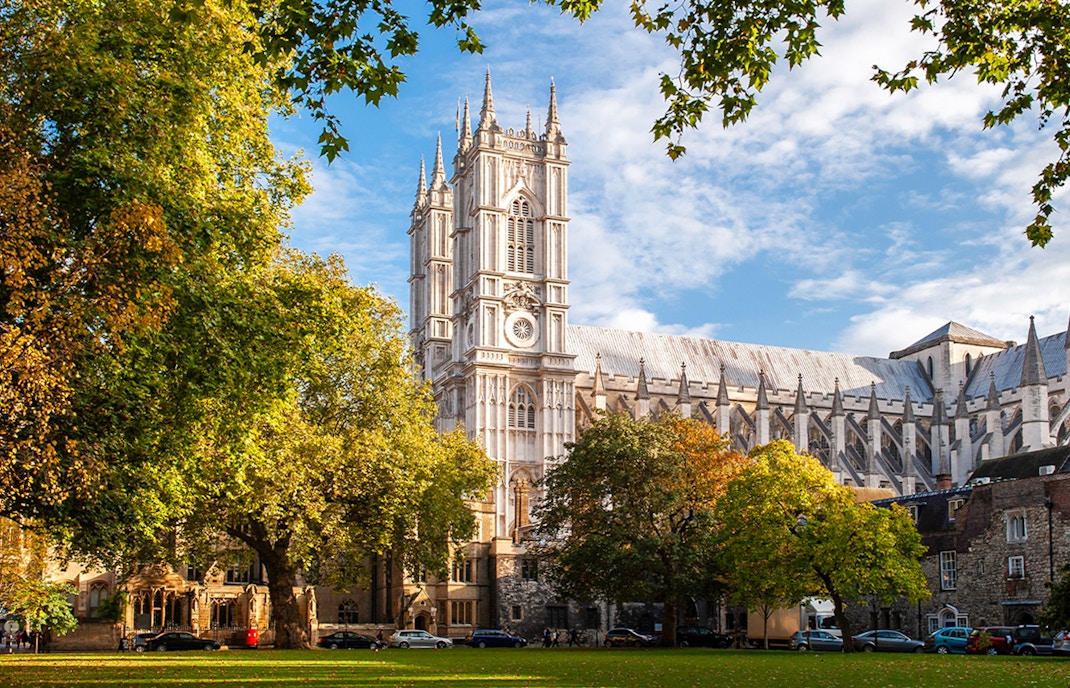
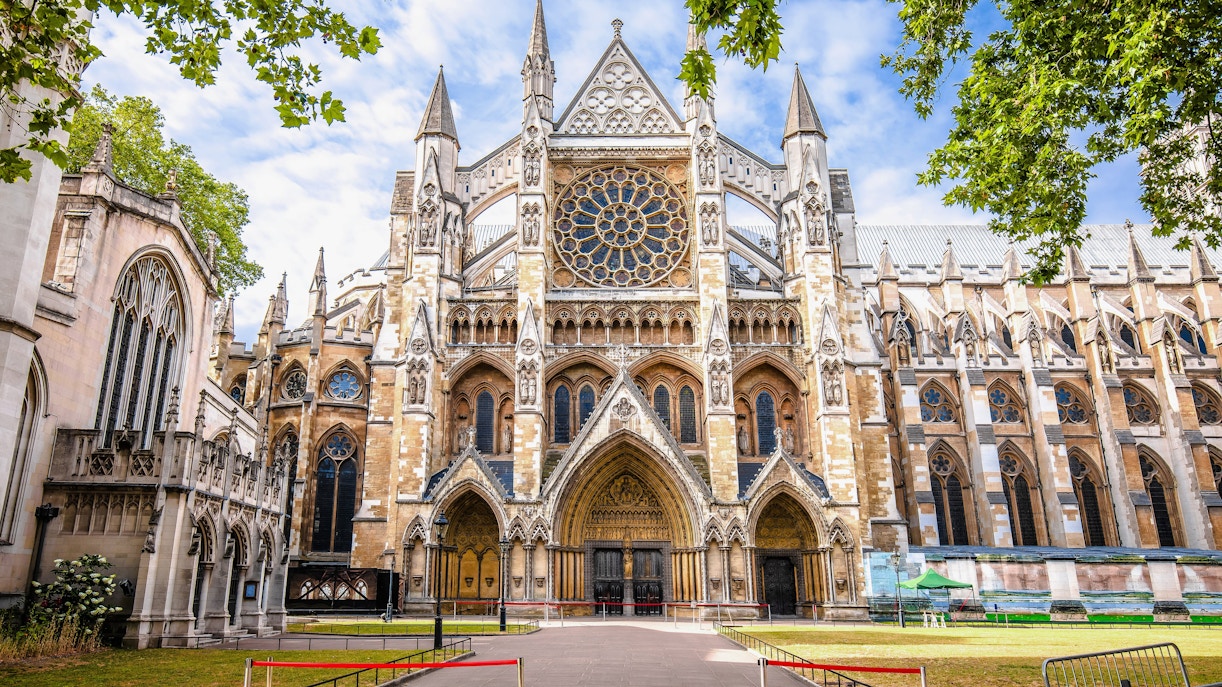
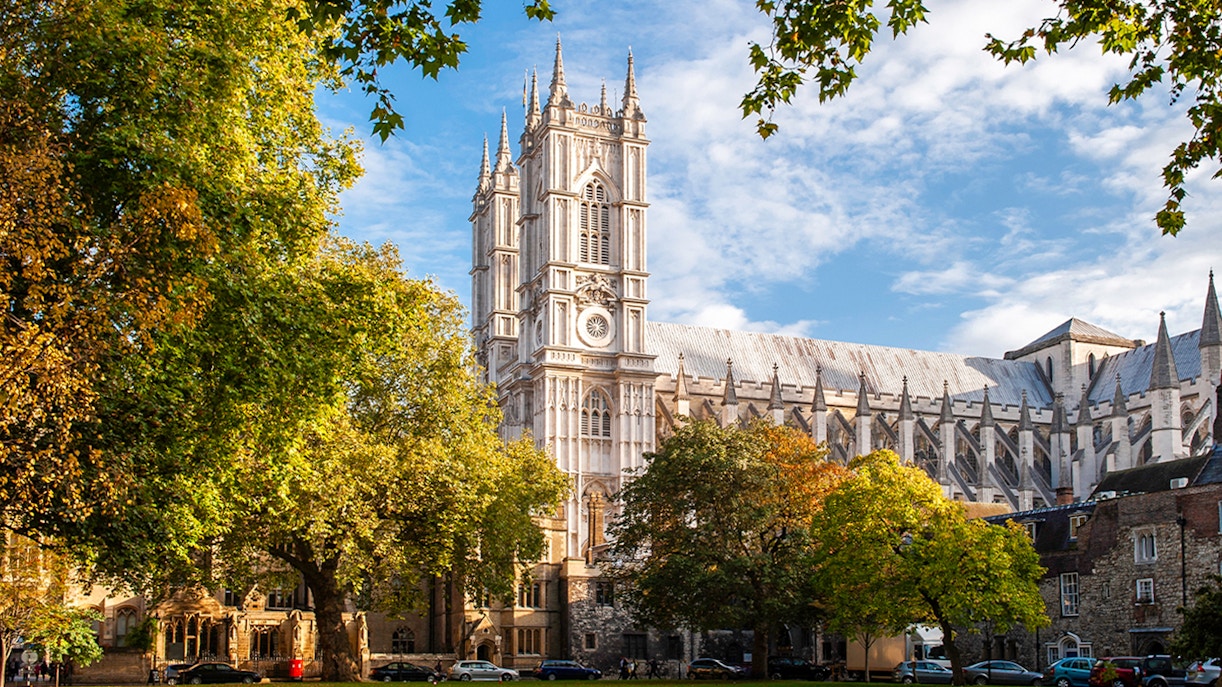
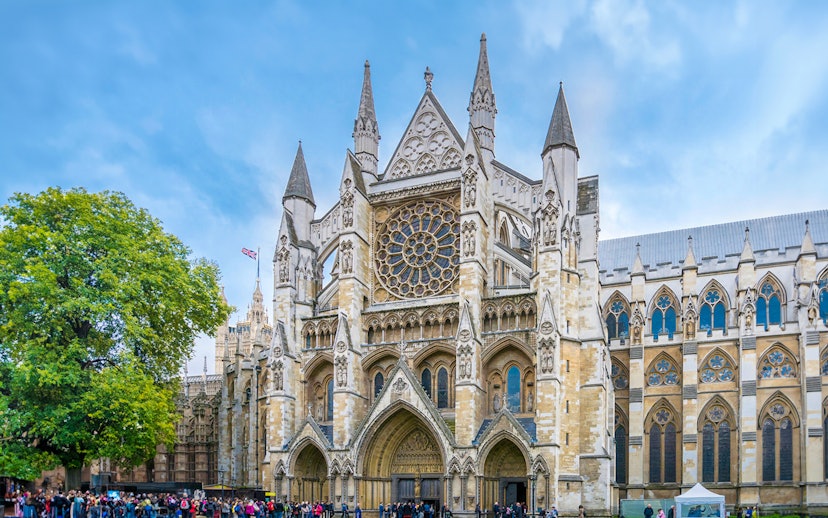
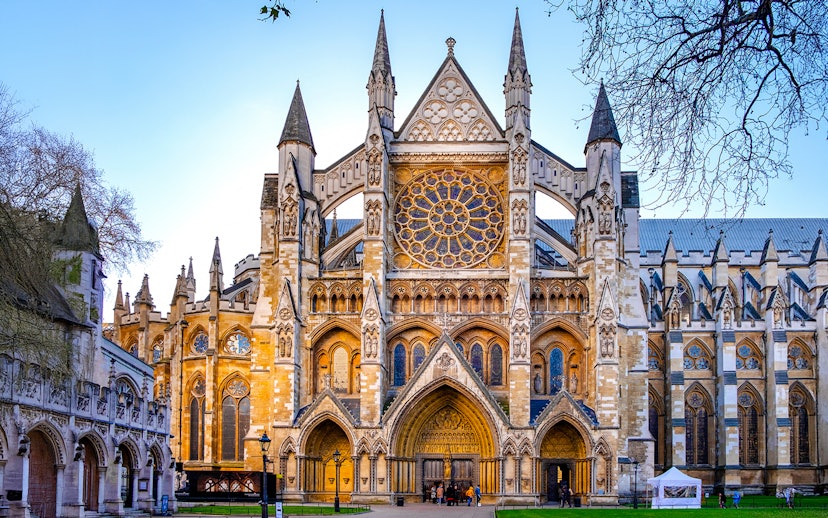
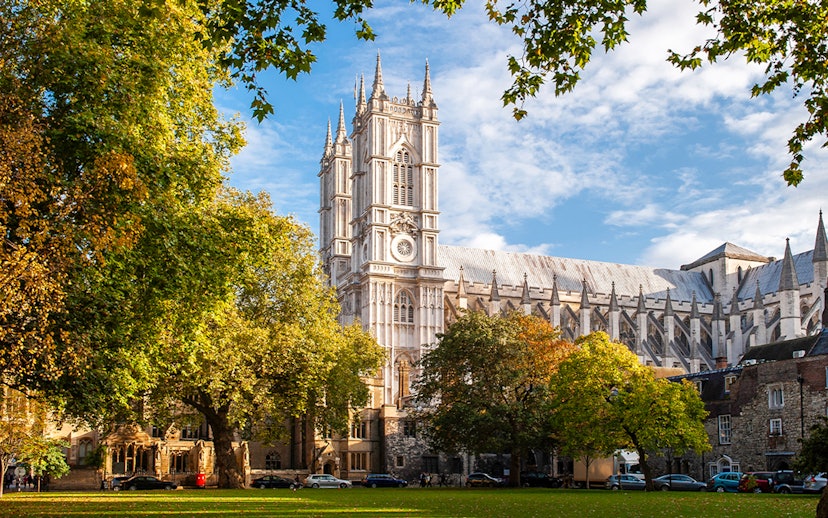
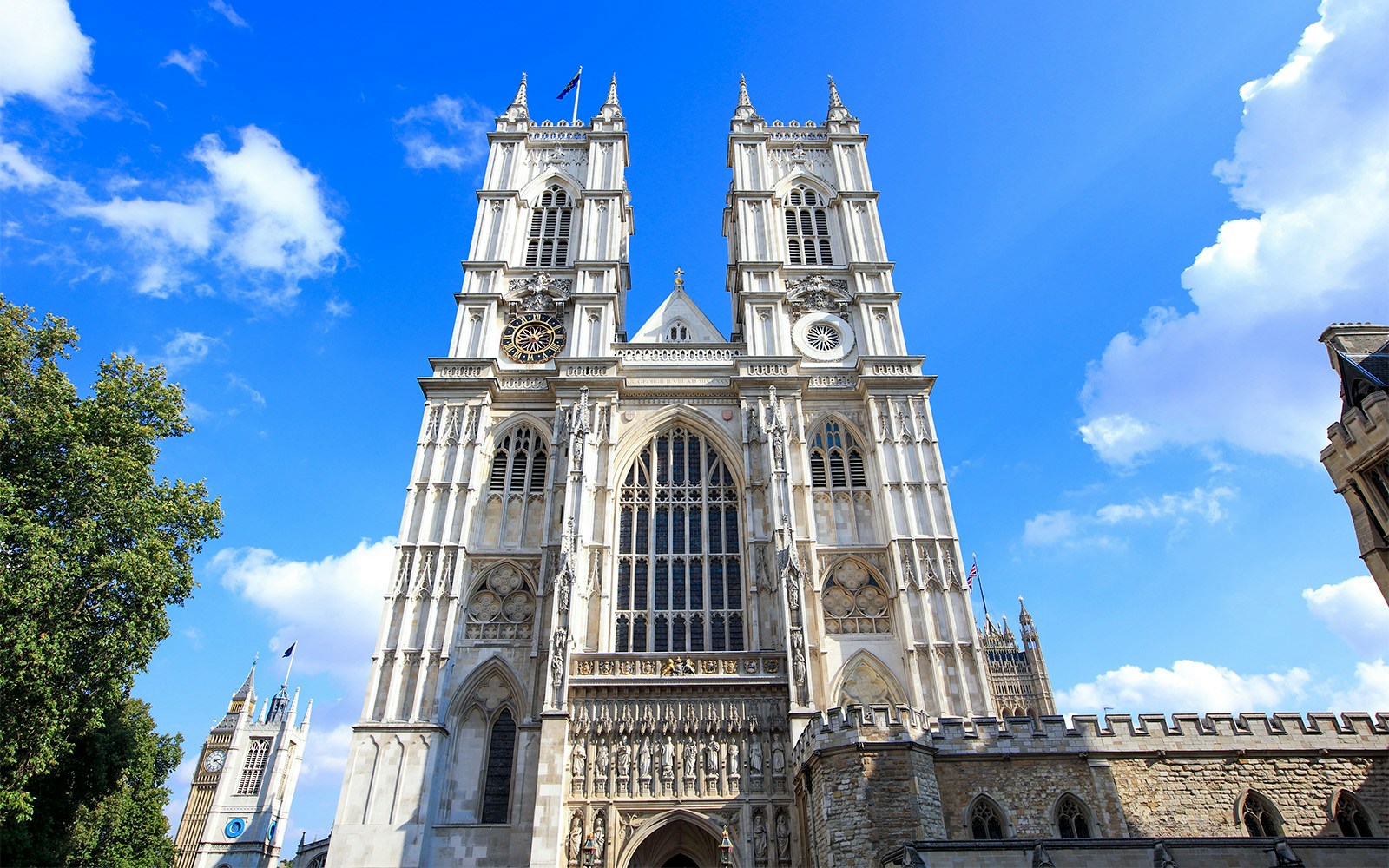
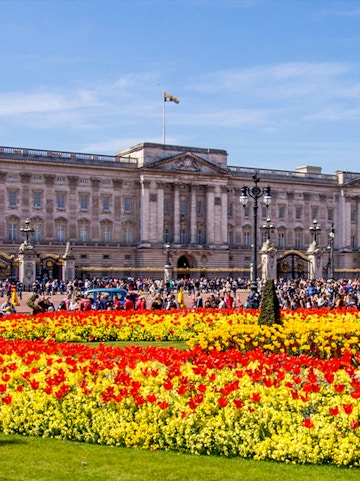
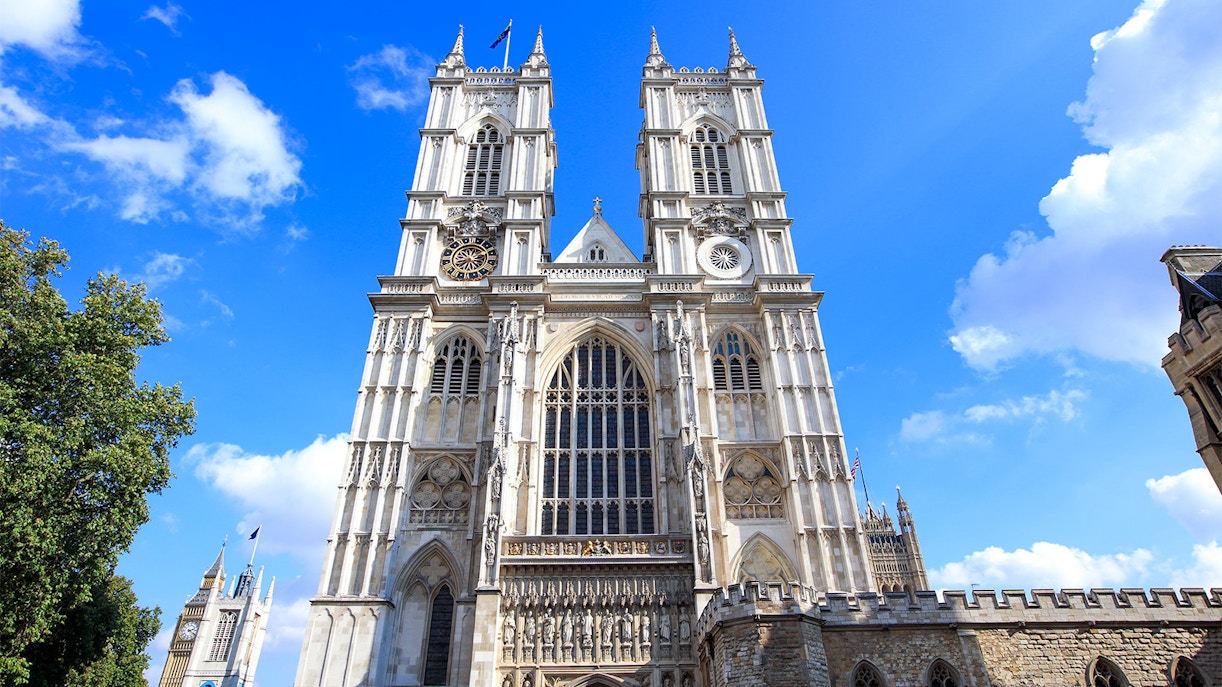
Westminster Abbey facade with bell towers under a clear blue sky.
  • Bell ensemble: The Abbey has ten bells arranged for full-circle change ringing, creating intricate sequences rather than melodies, a method unique to English-style bell towers.
  • Dedicated ringers: The Abbey ringers are experienced volunteers, often with years of practice, who uphold a centuries-old English bell-ringing tradition with ceremonial precision.
  • Chiming style: Unlike ordinary clock chimes, these bells are rung by people pulling ropes in specific patterns, producing changing sequences instead of tunes.
  • Public experience: Although the ringing chamber isn't viewable, the sound of the bells can be heard across the area during services and special events.
  • Musical heritage: The Abbey’s bells contribute to a sound tradition stretching back to the 1500s, offering one of London’s most iconic ceremonial sounds.
About Westminster Abbey

Historical significance of the bells

  • Expert bellmakers: The bells come from top UK bell foundries like Whitechapel and Taylor, with inscriptions recording their dates, donors, and dedications.
  • Monastic beginnings: The earliest references to bells at the Abbey date back to its Benedictine foundation. Bells would mark the daily monastic hours and call monks to prayer.
  • Royal coronations: For centuries, the Abbey’s bells have rung during coronations. They rang joyously for Queen Elizabeth II in 1953 and again in solemnity in 2022 at her passing.
  • War and silence: During World War II, bell ringing across Britain stopped except for emergencies. The silence at the Abbey reflected the nation’s tension and fear.
  • Victorian refurbishment: In 1971, the bells were re-tuned and rehung by Whitechapel Bell Foundry, preserving their tonal character while updating the mechanics for safer ringing.
  • Centenary peals: Special peals have been rung to mark events like the Abbey’s 900th anniversary in 1965, as well as millennium and jubilee celebrations.

When are the bells rung?

Sunday services

The bells ring before the main Sunday services, including Matins and Evensong. This traditional call to worship follows patterns of change ringing and signals the Abbey’s spiritual rhythm to parishioners and passers-by alike.

Major ceremonies

During royal weddings, coronations, and funerals, the bells ring in carefully arranged peals. Each event has its own sound profile, from joyful cascades to slow tolls, tailored to the ceremony’s tone.

State occasions

Bells are rung on national days like Remembrance Sunday or significant anniversaries, sometimes in coordination with other churches. These occasions often include half-muffled ringing to create a solemn, resonant effect.

Full peals

Full peals, requiring over three hours of continuous ringing, are reserved for very special occasions. These demanding sequences involve more than 5,000 changes and showcase high technical skill and physical endurance.

Shared sound events

Westminster Abbey sometimes collaborates with nearby churches, like St Margaret’s and Westminster Cathedral, for coordinated ringing. These combined soundscapes mark events of broader civic or spiritual importance in central London.

Frequently Asked Questions about Westminster Abbey bells

No, the bell chamber in the Northwest Tower is not accessible to the public due to safety and structural limitations, but the bells can often be heard during a visit.