Westminster Abbey

Westminster Abbey library

Timings

RECOMMENDED DURATION

2 hours

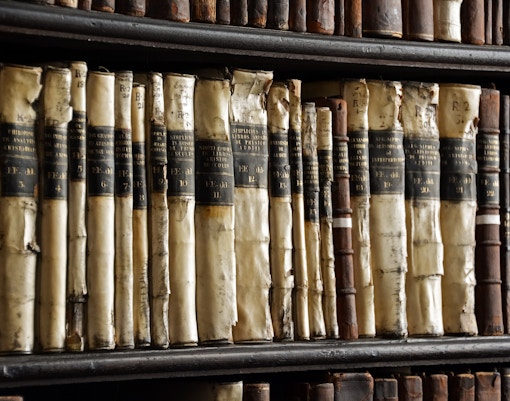
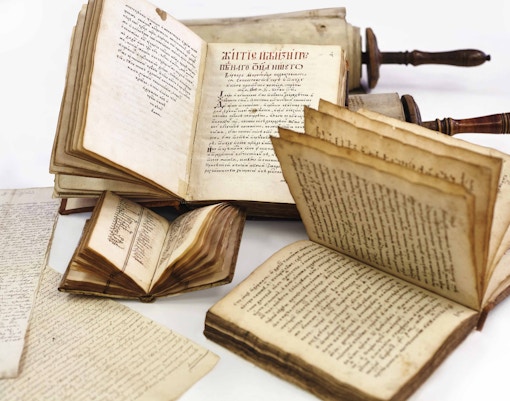
Bookshelves filled with historical volumes in Westminster Abbey Library, London.

Westminster Abbey library – Books, records, documents & more

The Westminster Abbey library preserves centuries of manuscripts, books, and official Westminster Abbey archives documenting England’s religious, cultural, and royal history. Located within the Abbey precincts, the Westminster Abbey library primarily supports research and scholarship and is accessible through supervised, pre-booked visits arranged through Westminster Abbey.

Where is it located?

The Westminster Abbey library is housed within the Abbey precinct complex, separate from general visitor routes but within Westminster Abbey’s historic grounds.

How to access?

Access to the Westminster Abbey library is not included in standard Westminster Abbey admission tickets. Entry is granted only to approved researchers through an advance appointment with the Westminster Abbey archives and library staff.

Things to know before booking Westminster Abbey library access

  • The Westminster Abbey library and Westminster Abbey archives function as specialist research facilities rather than visitor attractions. Standard Westminster Abbey tickets, guided tours, and skip-the-line entry do not include library access. Researchers must submit requests outlining their study purpose and materials required.
  • Access restrictions exist because many Westminster Abbey archives contain fragile manuscripts, medieval parish registers, and rare printed books requiring supervised handling. Reading room spaces are limited, and approval depends on collection availability and conservation priorities.
  • Westminster Abbey library hours typically operate on select weekdays and may vary depending on staff availability, preservation work, and academic schedules. 
  • Photography inside Westminster Abbey archives is generally restricted, although approved reproductions can sometimes be requested through official services.

Westminster Abbey library in a nutshell

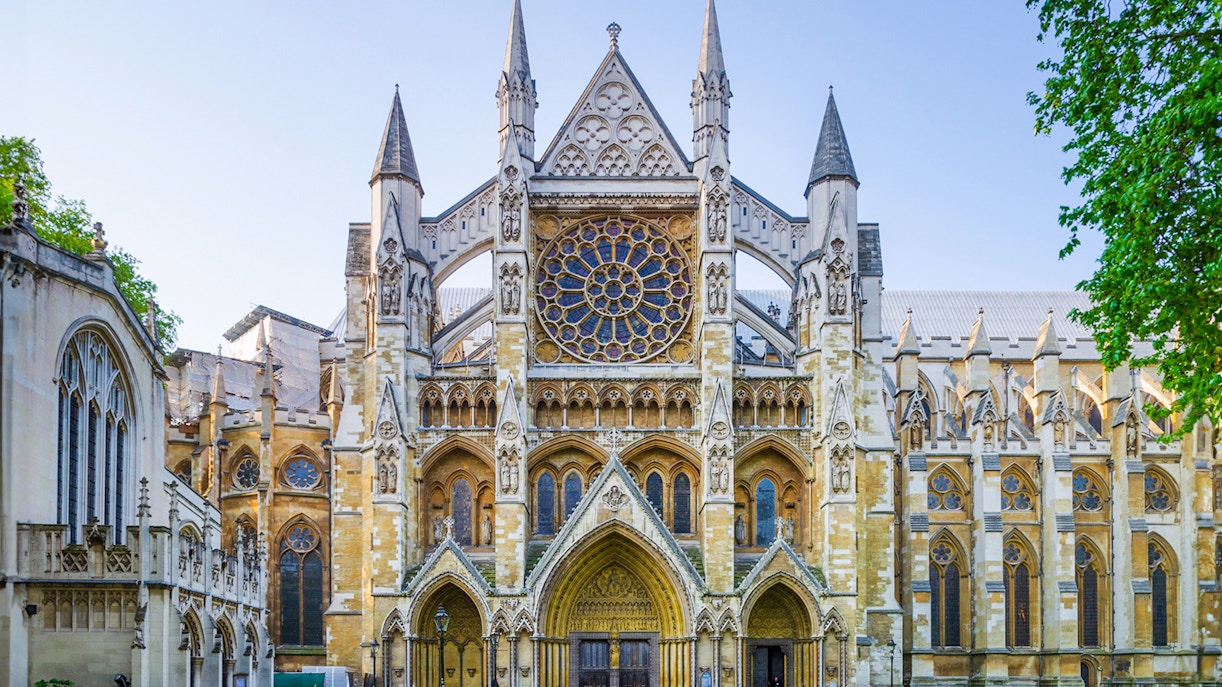
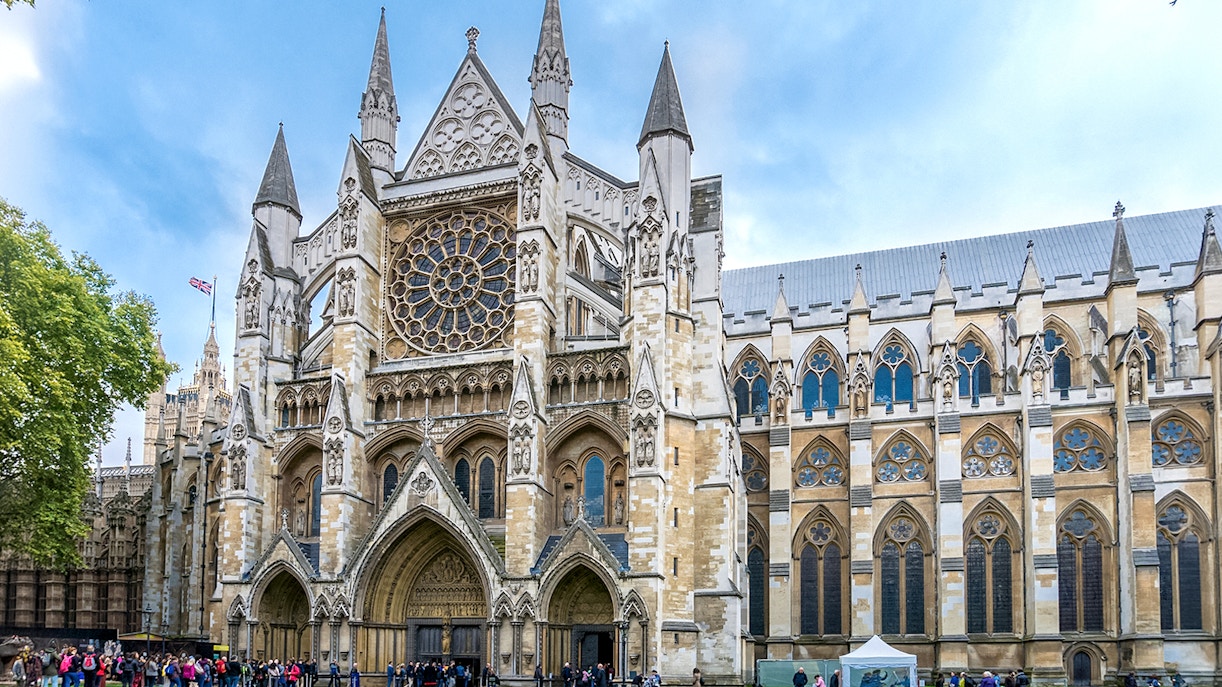
Westminster Abbey façade with rose window and tourists in London.

Must-see highlights: Westminster Abbey archives contain medieval liturgical manuscripts, coronation documentation, parish registers, and early printed books.

Current use: The Westminster Abbey library supports academic research, heritage conservation projects, exhibitions, and genealogical studies.

Unique facts: Some Westminster Abbey archives document royal ceremonies dating back centuries. The library preserves rare illuminated service books still referenced by scholars today.
About Westminster Abbey

Exploring inside the Westminster Abbey library

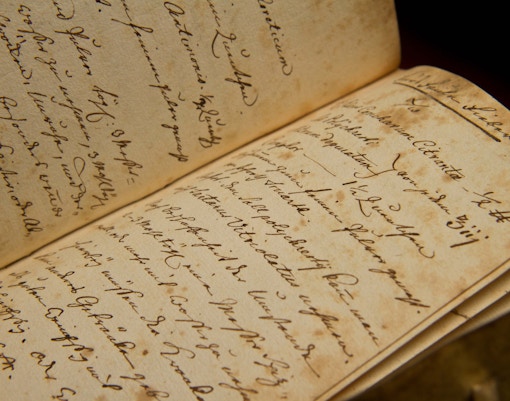
Manuscripts

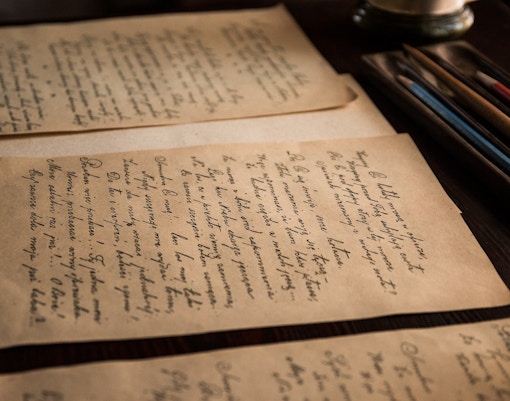
The library’s manuscript collection spans medieval theology, liturgy, and history. Many texts are unique, reflecting the Abbey’s role in scholarship, devotion, and record-keeping throughout England’s religious and cultural past.

Rare books

Its rare books include early printed works from the fifteenth and sixteenth centuries. These volumes cover theology, law, science, and literature, capturing the intellectual currents of early modern Europe.

Parish records

The Abbey holds centuries of parish registers, documenting baptisms, marriages, and burials. These records provide genealogical insight and social history, particularly regarding notable individuals connected to national heritage.

Chapter archives

The Chapter archives include administrative documents, charters, and correspondence relating to the Abbey’s governance. These materials illuminate the Abbey’s evolving role within both church and state.

Liturgical texts

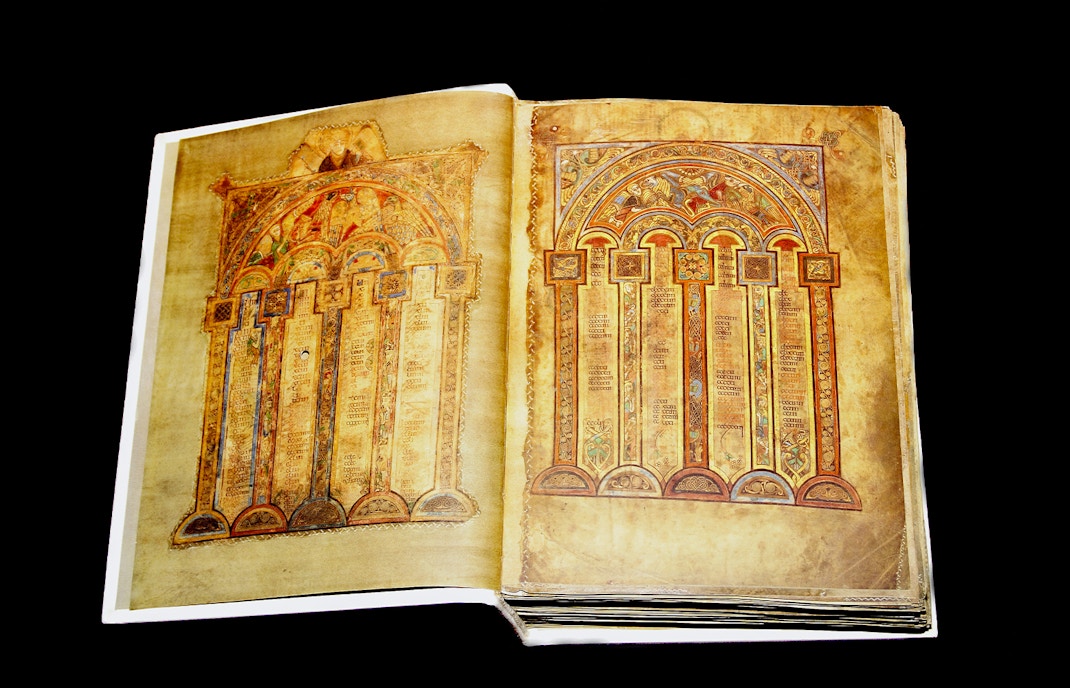
The collection preserves richly illuminated service books, missals, and psalters used in Abbey worship. They reveal changing religious practices and the artistry of manuscript production across centuries.

Music collection

Music manuscripts and printed scores form a distinctive part of the holdings, reflecting the Abbey’s long tradition of choral excellence and its place in English musical history.

Maps and plans

Architectural drawings, maps, and plans document Westminster Abbey’s structural changes. These materials provide essential context for understanding the Abbey’s architectural development and conservation efforts.

Modern additions

Recent acquisitions include contemporary scholarship and reference works, ensuring the library continues supporting modern research while preserving historic treasures at the heart of the Abbey.

Architectural highlights of the Westminster Abbey library

Historic monastic scholarship origins

The Westminster Abbey library traces its foundations to medieval monastic scholarship supporting religious learning and liturgy. Early collections were compiled by Benedictine monks studying theology and scripture.

Victorian preservation and cataloguing expansion

During the nineteenth century, large-scale cataloguing, conservation, and organisational reforms modernised Westminster Abbey archives. These improvements aligned with Victorian heritage preservation movements across Britain.

Historical and cultural significance of the Westminster Abbey library

The Westminster Abbey library plays a crucial role in preserving historical records tied to royal ceremonies, national worship, and religious scholarship. Westminster Abbey archives support research into coronations, state funerals, and church governance, reinforcing the Abbey’s cultural and ceremonial importance within British history.

Notable figures associated with the Westminster Abbey library

Benedictine monks

Early custodians who developed the Westminster Abbey library’s medieval manuscript collections.

Victorian archivists and librarians

Nineteenth-century scholars who reorganised Westminster Abbey archives and introduced modern preservation methods.

Know before you go

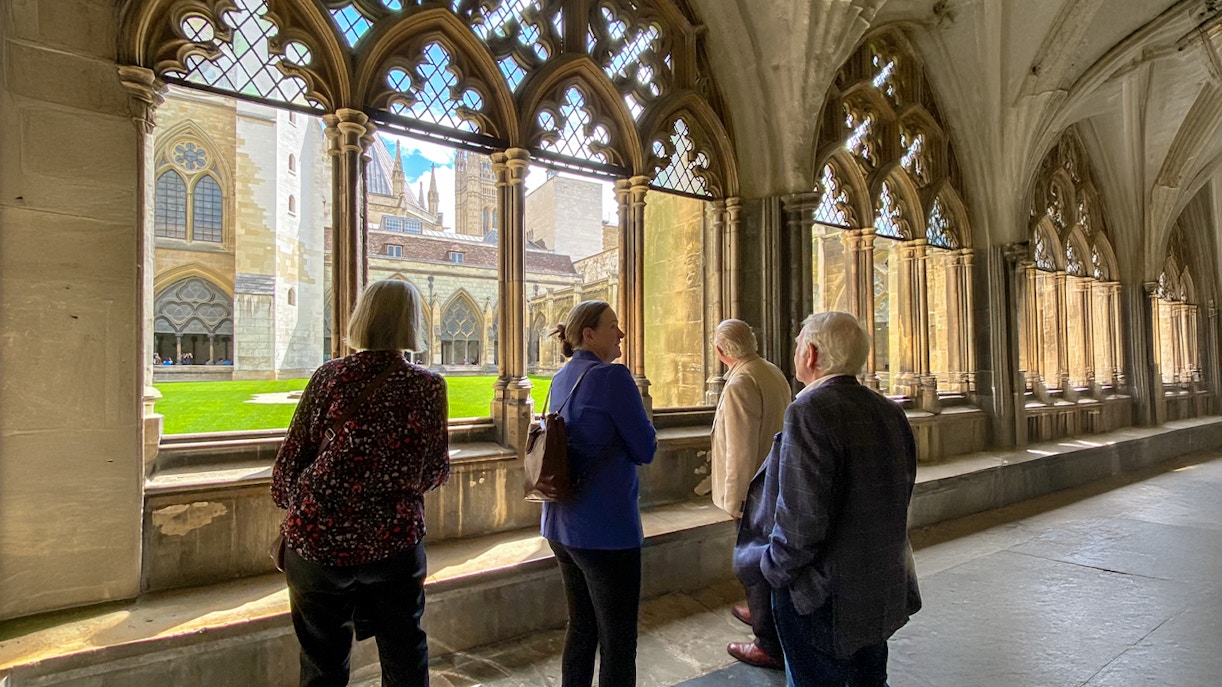
Tourists listening to a guide inside Westminster Abbey, viewing the cloisters.
  • The Westminster Abbey library operates from Monday to Thursday (10:30am -1pm and 2pm-4pm) and remains closed during major Abbey ceremonies, public holidays, and special events. Opening schedules vary based on staffing and conservation work. 
  • Access to the Westminster Abbey archives is strictly by prior appointment only. Researchers must submit requests in advance describing their study purpose and materials required. Approval confirmation includes entry instructions and allocated reading room hours. Same-day access is not permitted, and appointment availability may be limited during peak academic seasons.
Abbey timings
Westminster Abbey facade with intricate architecture, London.

The Library is situated in the east cloister next to the Chapter House. Entry is via Dean's Yard and the cloisters. You will need to get a Visitor Pass from the Chapter Office at 20 Dean's Yard before entering the cloisters. Security checks take place at the cloister entrance.

The Westminster Abbey archives are housed in secure, controlled environments designed to preserve fragile manuscripts and documents. Since the library is not accessible through standard Abbey entrances or guided tour routes, researchers should follow instructions provided by library staff to ensure smooth access.

Get directions
Prague Klementinum Library interior with ornate bookshelves and globes.
  • The Westminster Abbey library provides supervised reading rooms where researchers can consult manuscripts, rare books, and Westminster Abbey archives safely. 
  • Visitors have access to printed catalogues, selected digital databases, and archival reference tools to locate materials efficiently. 
  • Specialist librarians and archivists assist researchers with identifying sources, understanding historical context, and navigating the collections. 
  • Conservation teams maintain and stabilise fragile documents while ensuring materials remain available for academic use, heritage studies, genealogical research, and exhibition development.
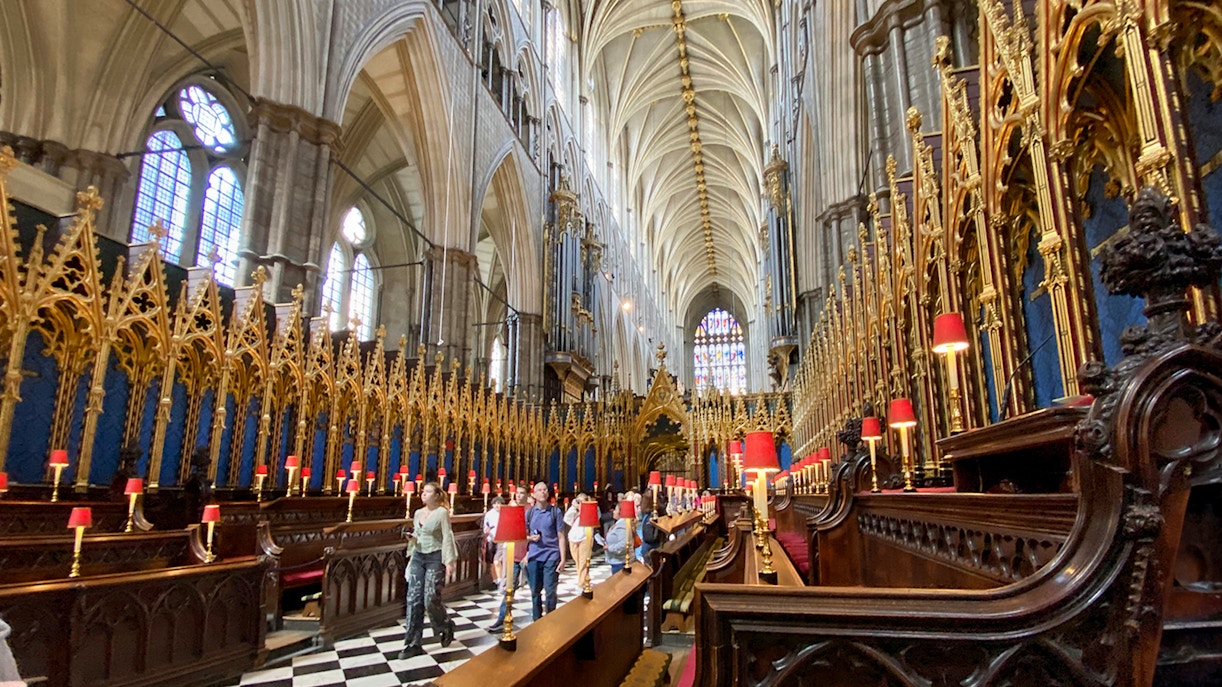
Tourists walking inside Westminster Abbey's Anglican Church, London.

The Westminster Abbey library aims to provide inclusive access for approved researchers.

  • Visitors requiring mobility assistance, specialised seating, or help handling large or delicate Westminster Abbey archives should inform staff in advance. 
  • Librarians can provide reading support, catalogue navigation help, and assistance in retrieving materials safely. 
  • The Abbey makes reasonable accommodations wherever possible while maintaining preservation standards. 
  • Researchers with accessibility requirements are encouraged to discuss arrangements during the appointment request process to ensure smooth and comfortable visits.
No photography allowed sign with camera icon crossed out.

Strict preservation rules apply when handling Westminster Abbey archives and library materials.

  • If you wish to bring a personal computer, it must work off batteries. 
  • You must use clean, dry hands and follow supervised handling procedures for fragile manuscripts and rare books. 
  • Only pencils are permitted for note-taking to prevent accidental ink damage. 
  • Photography and personal scanning are typically prohibited to protect delicate documents. 
  • Bags, coats, and personal belongings may need to be stored in designated lockers before entering reading areas. 
  • Staff supervision ensures long-term preservation of historic Westminster Abbey library collections.
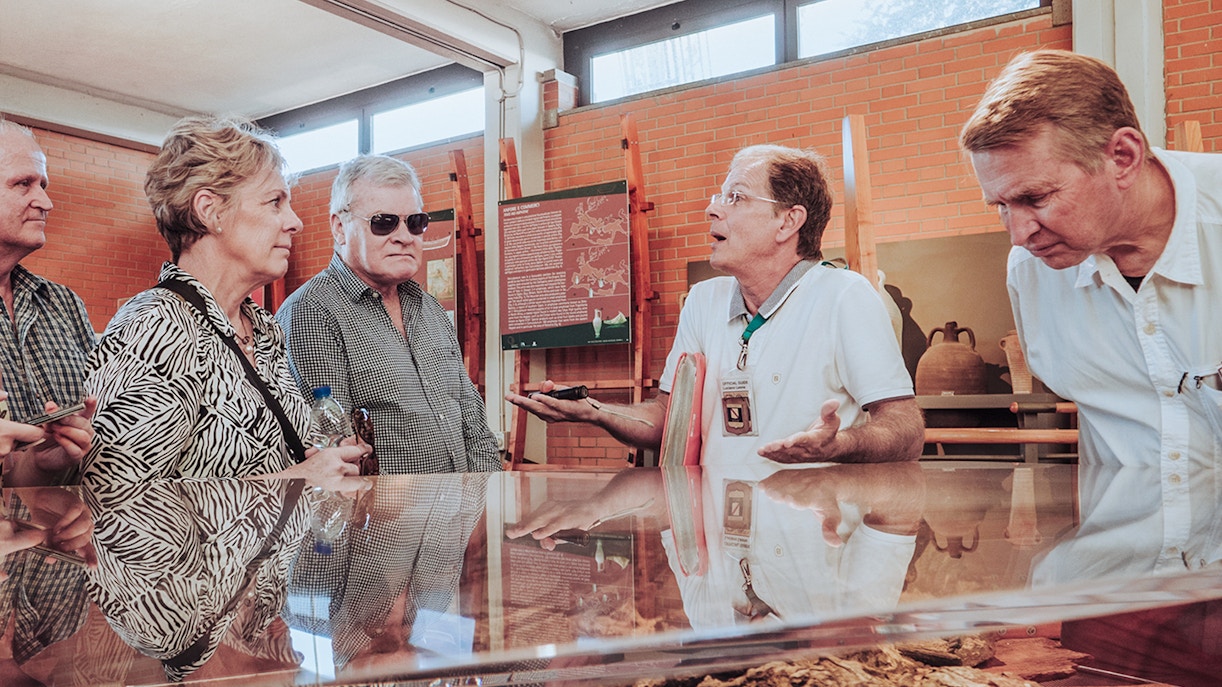
Tour guide discussing Herculaneum archives with visitors in a museum setting.
  • Researchers should request Westminster Abbey library appointments several weeks in advance, particularly during summer and university research periods. 
  • Reviewing available Westminster Abbey archives catalogues beforehand helps maximise study time. 
  • Visitors are advised to bring minimal belongings, as storage space is limited. 
  • Those conducting genealogical research should prepare names, dates, and family details before arrival to help staff locate parish records efficiently. 
  • Requests for reproductions or digital copies should also be submitted early, as processing and permission approvals can take several working days.

Frequently asked questions about the Westminster Abbey library

No. The Westminster Abbey library is a specialist research facility rather than a general visitor attraction.