London Tickets

Quick Information

RECOMMENDED DURATION

2 hours

VISITORS PER YEAR

1500000

EXPECTED WAIT TIME - STANDARD

30-60 mins (Peak), 0-30 mins (Off Peak)

EXPECTED WAIT TIME - SKIP THE LINE

0-30 mins (Peak), 0-30 mins (Off Peak)

UNESCO YEAR

1991

Plan your visit

Did you know?

The royal family’s former name used to be Saxe-Coburg-Gotha. In 1919, the royal family adopted the name Windsor, inspired by the castle.

More than 10 monarchs have been buried in Windsor Castle, including Charles I, Edward IV, Henry VIII, and Queen Elizabeth II.

During World War II, the royals hid at Windsor instead of Buckingham Palace. The young princesses, including the future Queen Elizabeth II, had to sleep in the dungeon.

Is Windsor Castle worth visiting?

You step up from Windsor’s tidy streets and the castle suddenly takes over the sky: thick stone walls, clipped lawns, guards in scarlet, and a steady hush as visitors pass through the gate. It feels less like entering a museum than crossing into a place that still expects royal business to happen.

That weight comes from purpose. William the Conqueror planted a fortress here to control the Thames approach to London, and later monarchs kept reshaping it into a residence that projected continuity, ceremony, and power.

What stays with most visitors is the collision of scale and intimacy: one minute you’re in rooms built for spectacle, the next you’re in the chapel where royal weddings, burials, and daily worship all belong to the same living institution.

Skip it if: formal interiors, chapel spaces, or timed museum-style visits leave you cold, especially if you’re only after casual outdoor sightseeing.

What to see inside Windsor Castle?

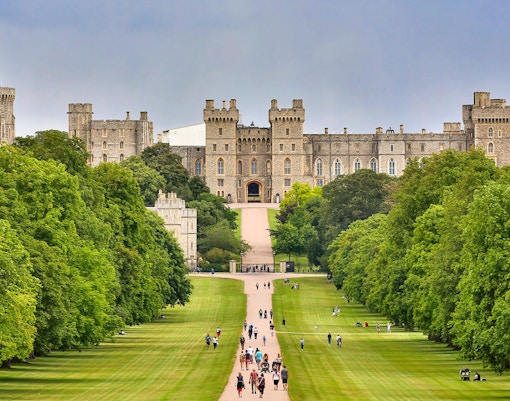
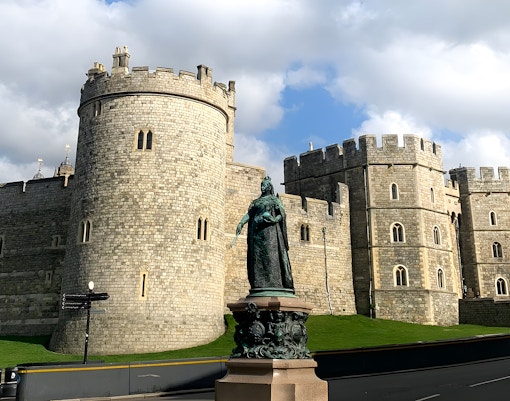
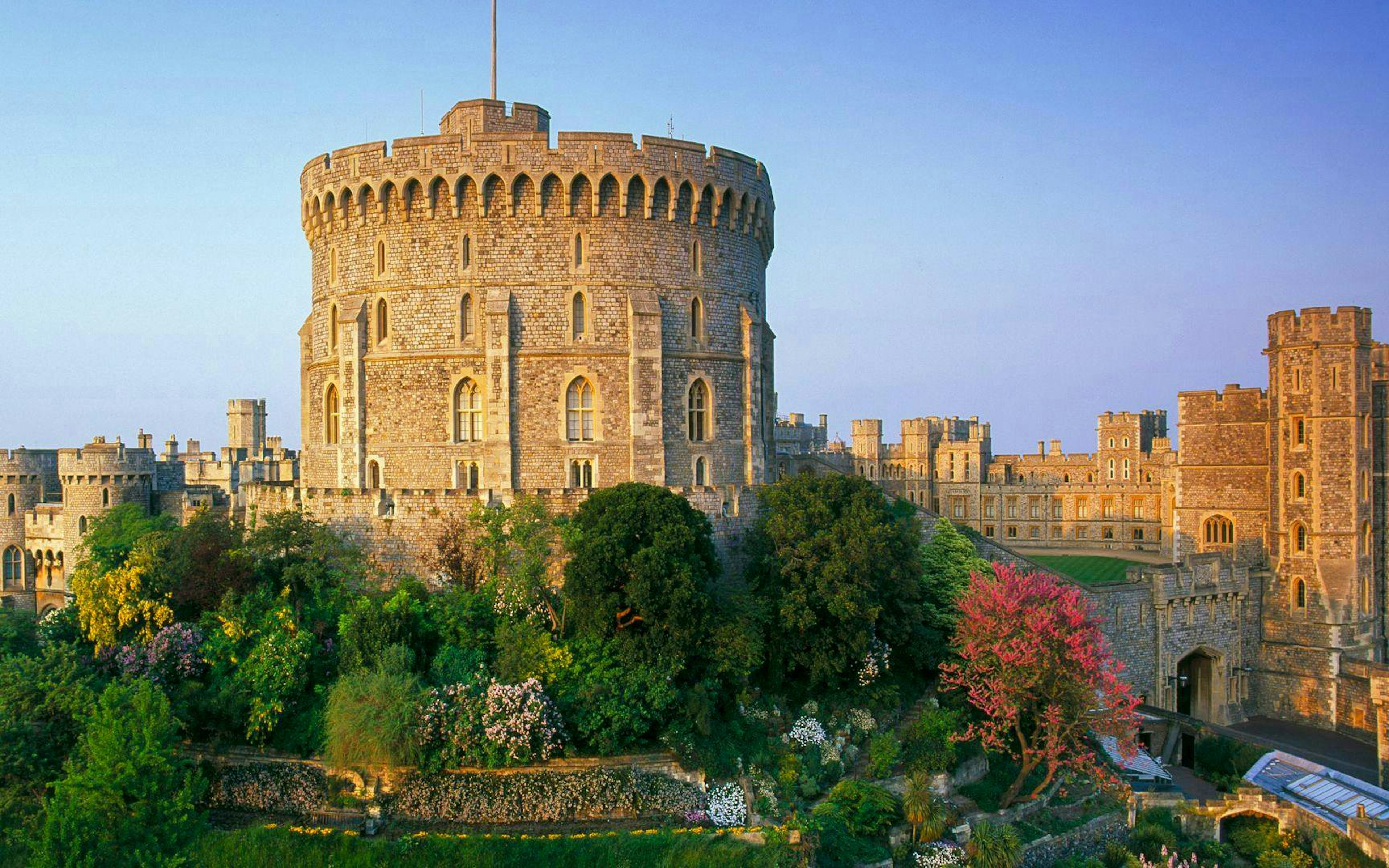
Windsor Castle exterior with round tower and lush gardens in England.
1/6

Castle precincts and Round Tower

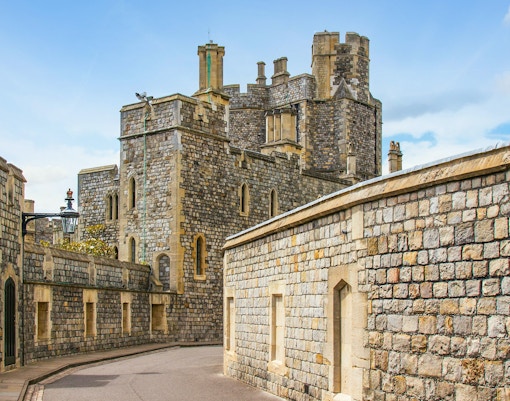
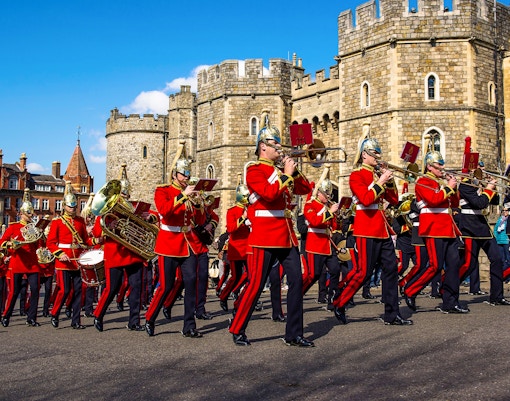
Start here for the full sense of scale: sloping courtyards, military stonework, and the Round Tower rising from the central mound. If you arrive before 10:30am on ceremony days, you’re well placed for the guard change.

State Apartments

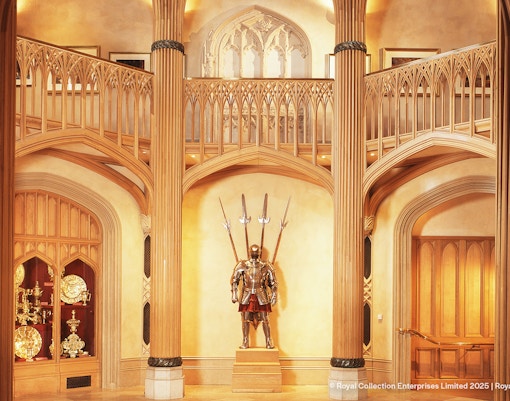
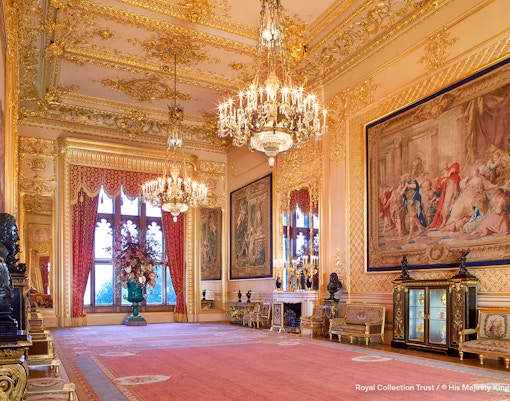
The ceremonial heart of the visit, with the Grand Reception Room, Waterloo Chamber, and St George’s Hall showing how the monarchy stages power through gilding, paintings, and scale. Most visitors spend the longest stretch here.

Know more

Queen Mary’s Dolls’ House

A miniature aristocratic mansion with working electricity, tiny books, and impossibly precise craftsmanship. Queues build quickly because viewing space is tight, so it’s smartest as one of your first indoor stops.

Know more

St George’s Chapel

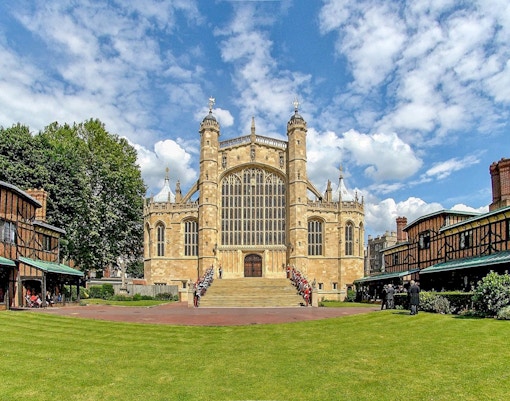
Late Perpendicular Gothic at its most intricate, and the place where royal weddings, burials, and daily worship meet. It closes to visitors on Sundays, so weekday visitors get the clearest sense of its quiet grandeur.

Know more

North Terrace views

Step outside after the interiors for long views over Windsor, Eton, and the Thames Valley. It’s the best reset point in the route, especially if the State Apartments feel dense or crowded.

Semi-State Rooms

Open seasonally from autumn to spring, these private rooms created for George IV are richer and more theatrical than many first-timers expect. If they’re open during your visit, they add about 20–30 minutes well spent.

Why take a guided Windsor tour?

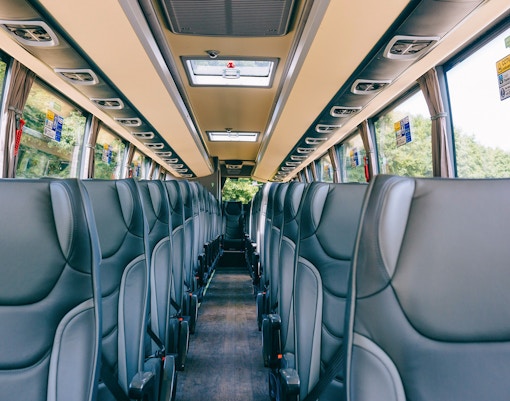
The precincts look straightforward until you realise how much context hides in plain sight. The Windsor Castle half-day tour from London adds coach or train transfers, timed entry, and a Blue Badge guide upgrade that explains ceremonies, courtyards, and routines.

How to explore Windsor Castle

Grand Reception Room at Windsor Castle with chandeliers and ornate tapestries.

Give yourself 2–3 hours inside the castle; closer to 3 if the Semi-State Rooms are open, you plan to linger in St George’s Chapel, or you want time on the terrace and in the shop. From London, that usually turns into a half-day outing rather than a quick stop.

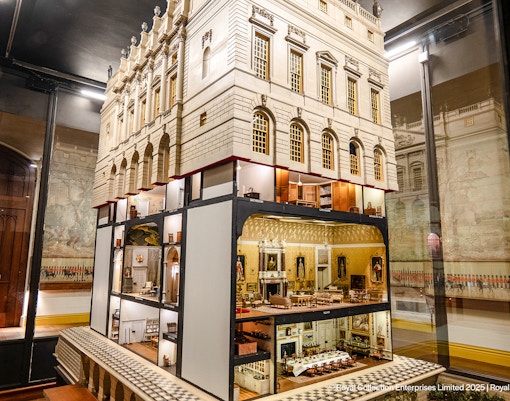
Queen Mary's Dolls' House interior at Windsor Castle, showcasing detailed miniature rooms.

Start with Queen Mary’s Dolls’ House, because the viewing line grows fast, then move straight into the State Apartments while your attention is fresh for the paintings, armour, and ceremonial rooms. Step outside to the North Terrace before finishing in St George’s Chapel, which is easier to appreciate after the more theatrical interiors.

St George's Chapel at Windsor Castle with ceremonial guards on steps.

Must-see: the State Apartments, St George’s Chapel, and Queen Mary’s Dolls’ House.

Optional: the North Terrace for wide views and the seasonal Semi-State Rooms, which add richer George IV-era interiors and about 20–30 minutes.

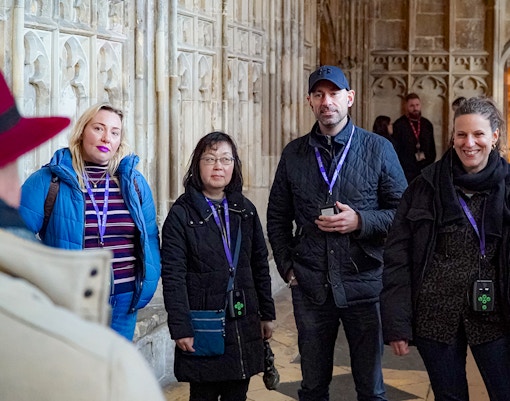
Visitors with guide and audio devices inside Windsor Castle.

Self-paced works well here because the multimedia guide is strong, but guided visits add real value if you want the symbolism of the rooms, the Order of the Garter, and the royal routines behind spaces that otherwise look purely decorative.

Brief history of Windsor Castle

  • 1070s: William the Conqueror establishes a timber fortress above the Thames to guard the western approach to London.
  • 12th century: Henry II rebuilds much of the castle in stone, turning a Norman stronghold into a more permanent royal base.
  • 14th century: Edward III transforms Windsor into a palace and founds the Order of the Garter, tying the castle to royal ceremony.
  • 15th century: St George’s Chapel rises within the Lower Ward, becoming one of England’s great Gothic royal churches.
  • 1820s: George IV commissions architect Jeffry Wyatville to refashion the castle into the dramatic Gothic residence visitors largely recognise today.
  • 1992: A major fire damages parts of the State Apartments, prompting a high-profile restoration that reshapes the modern visitor route.
  • Today: Windsor remains a working royal residence used for state occasions, worship, and official hosting as well as public visits.

Read the full history of Windsor Castle →

Architecture of Windsor Castle

Style

Windsor is best understood as layered royal architecture: Norman fortress bones, Perpendicular Gothic chapel, and 19th-century Gothick theatrics, creating a place that feels both defensive and ceremonial.

Materials

Pale stone walls, flint, brick, timber roofs, and polished interior panelling create a sharp shift from rugged exterior to courtly interior the moment you cross inside.

Engineering

The Round Tower sits on an artificial motte at the centre of two wards, a commanding arrangement that still makes the whole complex read as a fortress first.

On the ground

You feel the design in movement — steep approaches, compressed gateways, then sudden openings into courts and terraces that frame long views over Windsor and the Thames Valley.

Who built Windsor Castle?

Windsor Castle began as William the Conqueror’s project in the 1070s, part of a defensive ring around London after 1066. His aim was strategic as much as symbolic: control the Thames corridor, dominate the landscape, and make Norman authority visible from miles away.

Much of the Windsor visitors remember today owes to George IV, who hired architect Jeffry Wyatville in the 1820s to remake the castle in a theatrical Gothic style. The lavish campaign was controversial for its cost, but it gave Windsor its present silhouette and ceremonial grandeur.

Why Windsor Castle still matters to the monarchy

Windsor is not preserved only as a relic; it still functions as one of the monarchy’s most usable spaces. State visits, investitures, official receptions, Easter Court, and private weekends have all kept the castle tied to living royal routine rather than heritage display alone. That ongoing role changes the feel of a visit. Closures, security checks, and carefully controlled routes are not inconveniences added to an old monument — they are part of what distinguishes Windsor from palaces that are now only museums.

Frequently asked questions About Windsor Castle

Yes, especially if you want a royal site that still functions as more than a museum. For the simplest booking path from the capital, look at Windsor Castle tickets with optional train/coach transfers from London before choosing your date and transport.

More reads