A cathedral has stood on this hill since 604, making the site one of London’s oldest centres of Christian worship. That deep continuity is part of what visitors still feel when they step into today’s vast interior.
History of St. Paul’s Cathedral
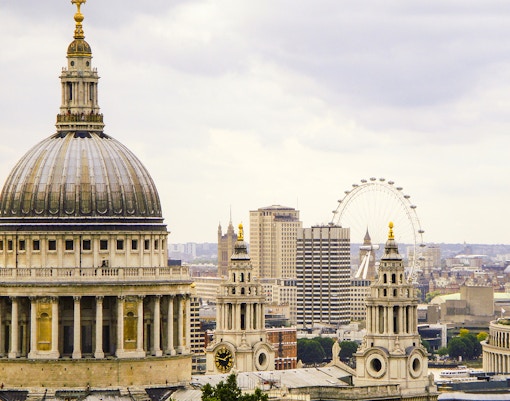
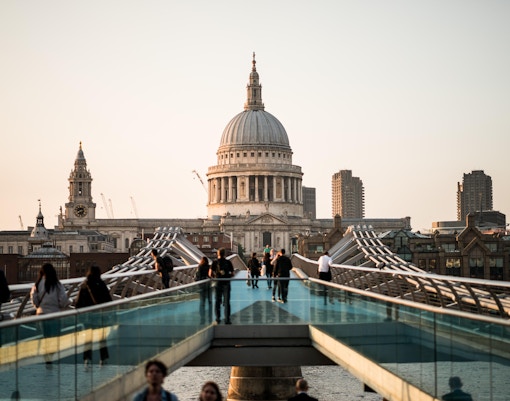
Few London skylines are as stirring as the one crowned by this dome, rebuilt after the Great Fire and standing through the Blitz. Today, you can climb its galleries, explore the crypt, and trace 1,400 years of cathedral history.
St. Paul’s Cathedral timeline
- 604: First cathedral founded
A church dedicated to St. Paul is established on Ludgate Hill. - 1087: Old St. Paul’s begins
A new Norman cathedral rises after a major fire. - 1561: Spire lost
Lightning destroys the medieval cathedral’s towering spire. - 1666: Great Fire devastation
Old St. Paul’s is ruined and cannot be saved. - 1675: Wren rebuilds
Construction starts on the present cathedral. - 1697: Worship returns
The first service is held before full completion. - 1708–1710: Dome and cathedral finished
London gains its defining Baroque landmark. - 1940–1941: Blitz survival
Fire watchers help save the cathedral during the bombing. - 1981: Royal wedding
Charles and Diana married here before a global audience. - 2022: National Thanksgiving
The cathedral hosts Queen Elizabeth II’s Platinum Jubilee service.
St. Paul’s Cathedral’s history explained
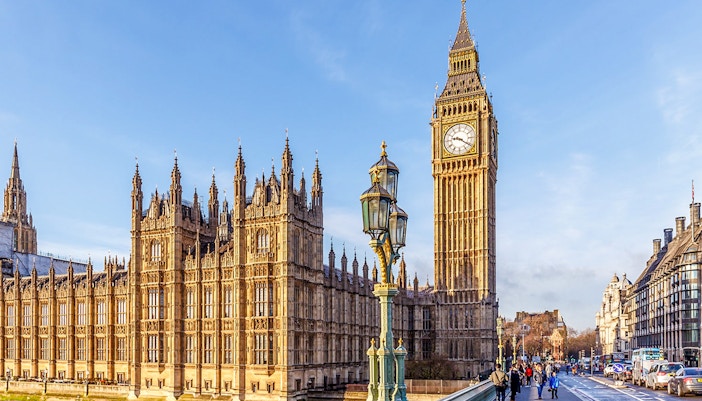
Early Christian beginnings (604–1087)
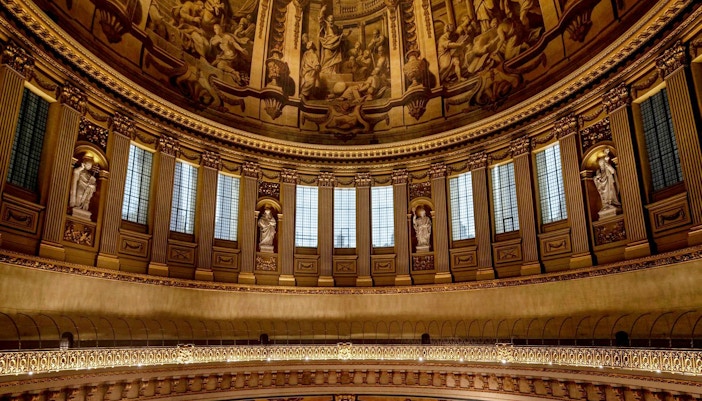
Old St. Paul’s and medieval London (1087–1666)
The medieval cathedral dominated London for centuries, growing into one of Europe’s great churches. Fire, neglect, and religious upheaval changed it over time, setting the stage for the dramatic reinvention that followed.
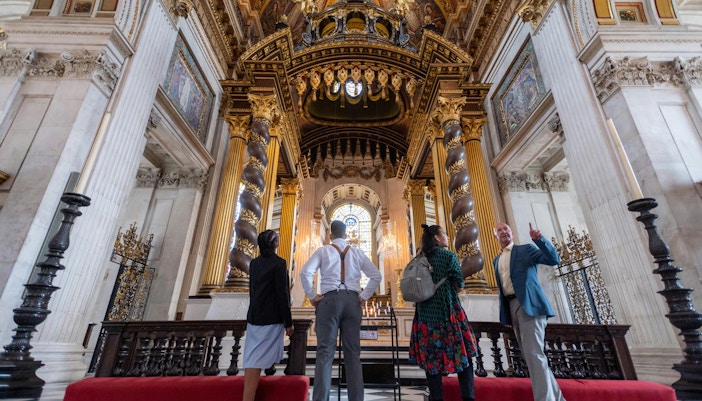
Wren’s great rebuilding (1666–1710)
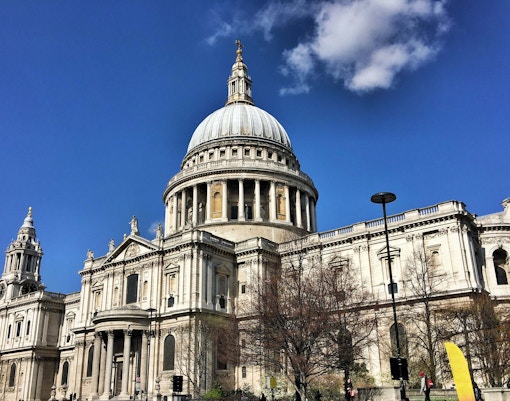
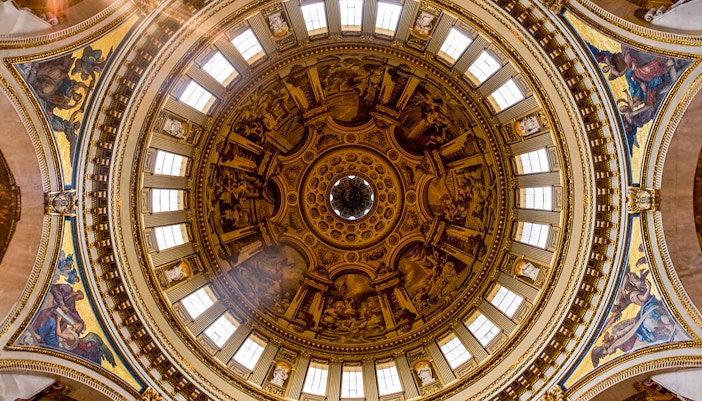
After the Great Fire destroyed Old St. Paul’s, Sir Christopher Wren designed a bold new cathedral in the English Baroque style. The dome, nave, and grand west front still define the experience you see today.
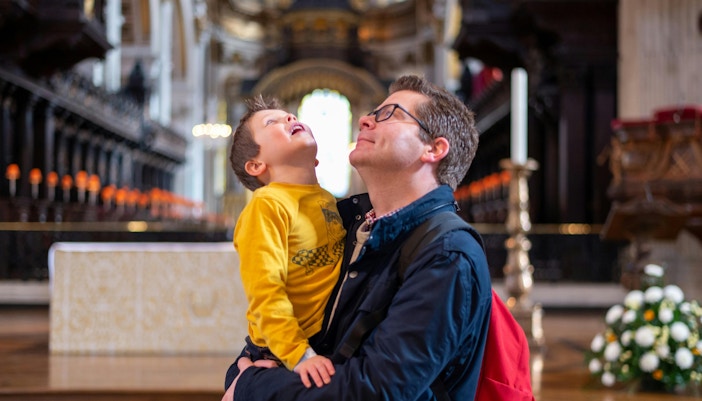
A national stage (1710–1939)
St. Paul’s became more than a cathedral: it hosted major public ceremonies and housed the tombs of figures like Nelson and Wellington. The crypt still turns national history into something you can walk through.
Survival, memory, and modern London (1940–today)
Its wartime survival made the dome a symbol of resilience. Today’s route, from cathedral floor to crypt and galleries, shows why St. Paul’s still anchors London’s story.
Construction and architecture of St. Paul’s Cathedral
Built between 1675 and 1710 to Sir Christopher Wren’s design, St. Paul’s is a masterpiece of English Baroque architecture. Its pale Portland stone exterior, long nave, and triple-shell dome rising 111m (364 ft) were designed for both beauty and strength. Repairs after wartime damage helped preserve the masonry, mosaics, and galleries, which is why the architecture feels so alive on a visit today.
Additional information about St. Paul’s Cathedral’s history
St. Paul’s has long marked Britain’s biggest public moments. It hosted the funeral of the Duke of Wellington in 1852, Sir Winston Churchill’s funeral in 1965, and the wedding of Charles and Diana in 1981. Those ceremonies helped turn the cathedral from a London landmark into a global symbol, which is why many visitors already know its nave and dome before arriving.
St. Paul’s Cathedral today – Why it matters
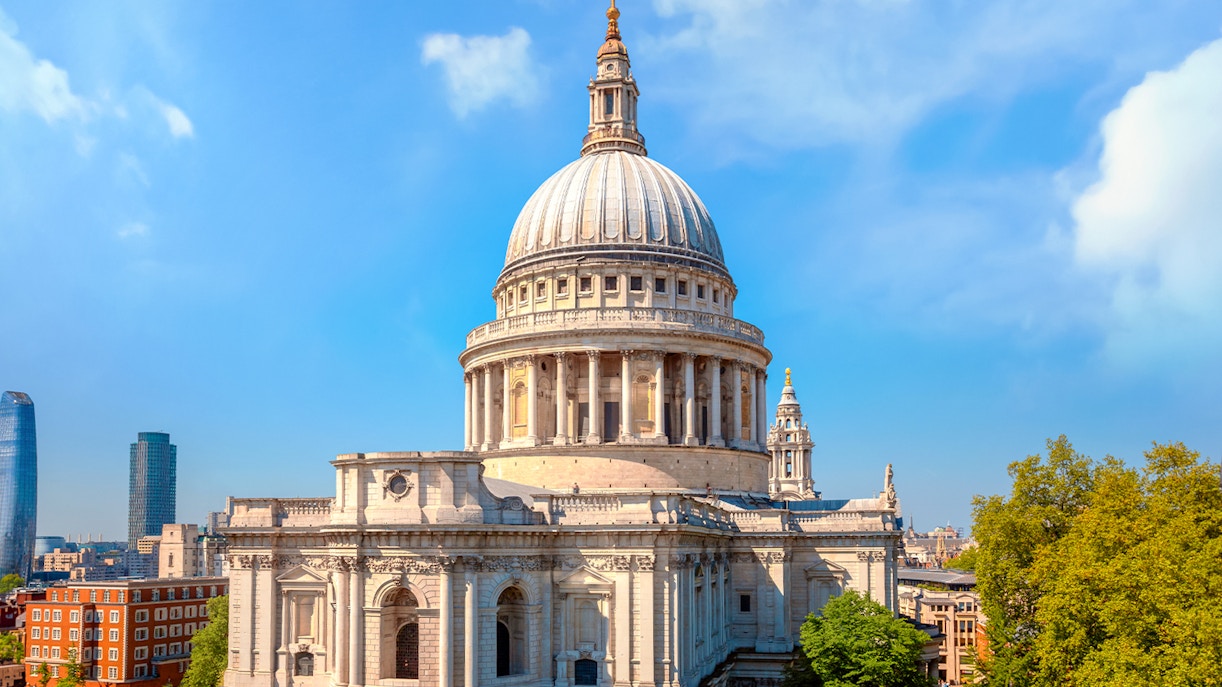
Today, St. Paul’s Cathedral remains the seat of the Bishop of London and a working Church of England cathedral managed by the Dean and Chapter of St. Paul’s. Visitors can explore the cathedral floor, crypt, Oculus film, and dome galleries, while worship and special services still shape the daily rhythm. That mix of living faith, national memory, and skyline views keeps it relevant now.
Frequently asked questions about St. Paul’s Cathedral’s history
The current cathedral was built between 1675 and 1710 after the Great Fire destroyed Old St. Paul’s in 1666.
A cathedral dedicated to St. Paul has stood here since 604, although the present building is much later.
Sir Christopher Wren designed it, creating one of London’s most recognizable domes.
Yes. It suffered damage during World War II, but watch teams and firefighters prevented its destruction.
Its dome, national ceremonies, royal events, and long role in London’s history made it a symbol far beyond the city.
Yes. Charles and Diana married here in 1981, giving the cathedral enormous global visibility.
Access has changed at times, so check the latest cathedral update before your visit.
Allow 1.5–2 hours for the cathedral floor, crypt, multimedia guide, and dome galleries.
No. Services are for worship, and sightseeing access can be limited during them.