London Tickets

Plan your visit to Tower Bridge

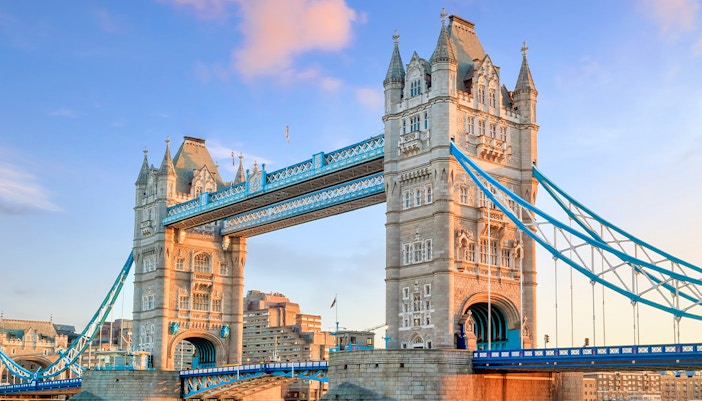
Tower Bridge is far more than a London photo stop. Inside, you'll find glass-floored walkways, skyline views, and the original Victorian Engine Rooms that once powered the bridge's famous lifts. Most visits take 1.5 to 2 hours, and it's worth knowing that the route starts and ends on opposite sides of the bridge. This guide covers everything you need to plan your visit, from timings and transport to tickets and must-see highlights.

Quick overview: Tower Bridge at a glance

Tower Bridge is one of London's easiest landmarks to fit into a sightseeing day, but it rewards visitors who allow more than just enough time for the glass floor photo. The exhibition combines spectacular views, Victorian history, and working engineering heritage, with the experience stretching across the bridge itself and ending in the historic Engine Rooms.

  • Getting in: Standard entry tickets start from around £13 to £16, while guided experiences and attraction combos cost more depending on inclusions. Advance booking is recommended during school holidays, summer weekends, and peak sightseeing periods.
  • How long to allow: Most visitors spend 1.5 to 2 hours here. Guided tours, photography stops, or combining the visit with a Thames cruise can easily extend this.
  • When to go: The first hour after opening is noticeably quieter than late mornings and early afternoons, when tour groups and school visits are most common. Weekday afternoons after 3pm can also be surprisingly calm.
  • What most people miss: Many visitors spend most of their time on the glass floor and rush through the Victorian Engine Rooms. The original steam machinery and bridge-lifting mechanisms provide some of the most interesting context for understanding how Tower Bridge actually worked.

🎟️ Tower Bridge timed-entry tickets regularly sell out during summer holidays, long weekends, and school breaks. Booking ahead is the simplest way to secure your preferred entry slot.

→ See ticket options

Where and when to go

How do you get to Tower Bridge?

Tower Bridge spans the River Thames between the City of London and Southwark, immediately beside the Tower of London. Most visitors arrive via Tower Hill, London Bridge, or Tower Gateway stations, all within easy walking distance. From central London, the journey typically takes less than 20 minutes by Underground.

Address: Tower Bridge Road, London SE1 2UP, United Kingdom

  • By Underground: Tower Hill Station (District and Circle lines) is around a 5-minute walk away and is the most convenient station for most visitors.
  • By train: London Bridge Station is approximately a 10-minute walk from the bridge and offers direct connections across London and southeast England.
  • By bus: Routes 15, 42, 78, 100, and RV1 stop near Tower Bridge, with several services crossing the bridge itself.
  • By river: Thames Clippers services stop at Tower Pier, just a short walk from the entrance.

→ Step-by-step directions to Tower Bridge

Which entrance should you use?

Tower Bridge uses a single main visitor entrance located in the North-West Tower.

The most common mistake visitors make is assuming they can enter from either side of the bridge. All visitors begin their experience at the North Tower, cross the elevated walkways, and finish at the Engine Rooms on the south side.

  • Main Visitor Entrance: Located in the North-West Tower. All standard entry, combo ticket, and guided tour visitors start here.
  • Queue guidance: Visitors with pre-booked timed tickets typically use the ticket-holder line, while same-day purchasers may need to join a separate queue during busy periods.

Full entrances guide

When is Tower Bridge open?

  • Daily: 9:30am to 6pm
  • Last entry: 5pm
  • Closed: 24 to 26 December
  • Special access sessions: Low-capacity "Quieter Time" sessions are held on the second Saturday of each month for visitors who prefer a calmer environment.
  • When is it busiest: Late mornings between 10:30am and 2pm are typically the busiest period, particularly during summer, school holidays, and weekends when tour groups arrive throughout the day.
  • When should you actually go: The first entry slot of the day offers the quietest experience and the clearest opportunities for photos on the glass floor. If mornings are not possible, weekday arrivals after 3pm are often noticeably calmer than lunchtime periods.

💡 Pro tip: Check the scheduled bridge lift times before your visit. Watching the bascules rise from the high-level walkways is one of the most memorable experiences at Tower Bridge, and many visitors don't realise they can view lifts from above.

→ Check the complete Tower Bridge schedule

How much time do you need?

Visit typeRouteDurationWhat you get

Highlights only

North Tower → Glass Floor → South Tower → Exit

45–60 mins

Covers the iconic glass walkways and skyline views but leaves little time for exhibitions or the Engine Rooms.

Balanced visit

Full exhibition route → Glass Walkways → Engine Rooms

1.5–2 hrs

The ideal visit for most people, with enough time for photography, displays, and the Victorian machinery.

Extended riverside day

Full Tower Bridge visit + Thames cruise or nearby attraction

3–5 hrs

Combines Tower Bridge with a river cruise, Tower of London, Westminster Abbey, or London Eye for a fuller sightseeing day.

✨ The extended route works especially well with a combo ticket. Tower Bridge sits at the centre of many popular London sightseeing itineraries, and pairing it with a Thames cruise or nearby attraction usually offers better value than buying separate tickets.

→ See combo ticket options .

Recommended Tower Bridge tickets

Tower Bridge and Engine Rooms Entry Tickets

Free cancellation
Book now, pay later
1 hr - 3 hrs
Audio guide

Combo (Save 8%): Tower of London + Tower Bridge Tickets

Free cancellation
Explore at your pace

Combo (Save 5%): Tower Bridge + London Eye Tickets

Free cancellation
30 mins - 1 hr

Combo: Tower Bridge Tickets + Flexible Thames River Cruise

Free cancellation
Explore at your pace

Which ticket is right for you?

Ticket typeWhat’s includedBest forPrice range
Tower Bridge and Engine Rooms Entry Tickets

Timed entry to the Towers, Glass Walkways, and Victorian Engine Rooms, with optional upgrades including a Thames cruise, guided tour, or London audio guide

A flexible self-paced visit focused entirely on Tower Bridge

From £18

Tower Bridge Guided Tour + Thames Cruise

Guided tour of the Towers, Glass Walkways, and Engine Rooms, plus a Thames sightseeing cruise to Westminster

Visitors who want historical context alongside river views

From £65.5

Tower Bridge + Tower of London Early-Access Tour

Early-entry guided access to Tower Bridge and the Tower of London, including the Crown Jewels and Opening Ceremony

Seeing London's two most historic riverside landmarks before the crowds arrive

From £132

Tower Bridge + Westminster Abbey Tickets

Entry to Tower Bridge and Westminster Abbey

Combining royal history, architecture, and engineering in one itinerary

From £49

Tower Bridge + London Eye Tickets

Entry to Tower Bridge and a 30-minute London Eye ride

Visitors wanting both skyline views and one of London's most famous landmarks

From £44.65

Tower Bridge + Flexible Thames Cruise

Tower Bridge entry and a flexible one-way Thames sightseeing cruise

Exploring London at a relaxed pace with transport built into the day

From £29.92

Tower of London + Tower Bridge Combo

Entry to both attractions, including the Crown Jewels and Tower Bridge Exhibition

The classic riverside pairing located within a few minutes' walk of each other

From £50.60

Special experiences

The standout premium option is the Tower Bridge Guided Tour + Thames Cruise, which combines expert commentary inside the bridge with one of London's most scenic river journeys.

🎟️ During summer weekends and school holidays, combo tickets often provide more flexibility than booking attractions separately, especially when popular entry times begin to sell out.

How do you get around Tower Bridge?

Tower Bridge follows a straightforward, linear route that is easy to navigate independently. The experience begins in the North Tower, ascends through exhibition spaces to the high-level walkways, crosses the bridge above the Thames, and finishes in the Victorian Engine Rooms on the south side. Because the entrance and exit are on opposite sides of the bridge, it helps to know where you'll end up before starting your visit.

Key areas

  • North Tower: This is where the experience begins. Interactive displays explain why Tower Bridge was built and how Victorian engineers solved the challenge of increasing river traffic while maintaining road access.
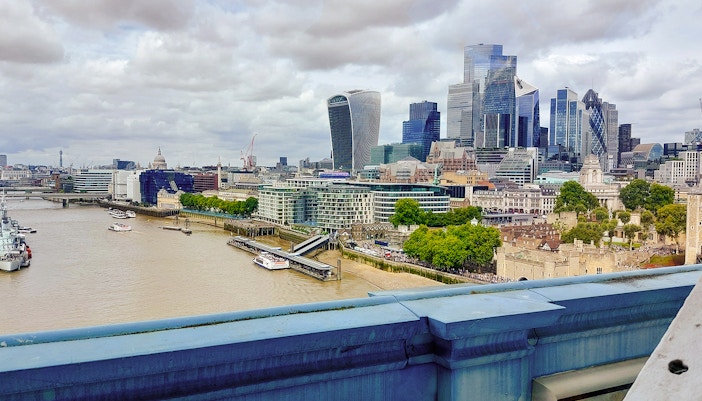
  • High-Level Walkways: The most famous section of the attraction. The glass floor panels reveal traffic and pedestrians moving 42 metres below, while large windows provide panoramic views across the Thames, the City of London, Canary Wharf, and beyond.
  • South Tower: Additional exhibitions explore the bridge's construction, operation, and role in London's development. Many visitors spend less time here than they should, despite some of the most detailed engineering displays being located in this section.
  • Victorian Engine Rooms: The final stop houses the original steam engines, coal-fired machinery, and lifting mechanisms that powered the bridge for decades. These beautifully preserved machines provide the historical context that ties the entire experience together.

Suggested route: Don't rush straight to the glass floor. Spend a few minutes in the North Tower exhibitions first; understanding how the bridge was designed makes the views and machinery far more meaningful later in the visit. Once you've crossed the walkways, allow extra time in the Engine Rooms, which many visitors underestimate.

Maps and navigation tools

  • Visitor map: Available at the entrance and included in the official visitor guide.
  • Signage: Excellent throughout the attraction. The route is clearly marked and difficult to get lost in.
  • Audio guides: Available through selected ticket upgrades and London sightseeing apps, providing additional historical and engineering context.

💡 Pro tip: If you want photos on the glass floor without crowds, don't stop at the first panel you see. Most visitors gather near the centre of the walkway, while the panels closer to the ends are often much quieter.

💡 Don't leave without seeing…

The Engine Rooms and the western-facing views toward the Tower of London. Visitors often spend most of their time on the glass floor and rush through both.

→ See the complete Tower Bridge highlights guide

Facilities and accessibility

  • 🚻 Restrooms: Restrooms are available within the attraction, including accessible facilities.
  • 🛍️ Gift shop: The gift shop near the exit stocks Tower Bridge souvenirs, books, engineering-themed gifts, postcards, and London memorabilia.
  • 🪑 Seating: Limited seating is available throughout the exhibition, with additional benches located in exhibition spaces and near the Engine Rooms.
  • 📶 Wi-Fi: Free public Wi-Fi is available in visitor areas.
  • 🩺 First aid: Trained staff are available throughout opening hours, with first-aid assistance available if required.
  • Mobility: The visitor route is largely wheelchair accessible via lifts connecting all public levels. Both towers, walkways, and Engine Rooms can generally be accessed without stairs. Manual wheelchairs are available on request, subject to availability.
  • Visual impairments: Assistance dogs are welcome throughout the attraction. Audio resources and trained staff can help visitors navigate the exhibition.
  • Cognitive and sensory needs: Monthly "Quieter Time" sessions provide reduced visitor numbers and a calmer atmosphere. These sessions are designed for visitors who may benefit from lower noise levels and reduced sensory stimulation.
  • Families and strollers: The entire visitor route is stroller-friendly, with lift access available throughout the attraction.
  • Glass floor excitement: The glass walkways are usually the biggest hit with younger visitors, offering a thrilling view of traffic and river activity below.
  • Interactive engineering displays: Hands-on exhibits and bridge-lifting demonstrations help children understand how Tower Bridge works while keeping the experience engaging and accessible.
  • Family-friendly facilities: Lifts, accessible restrooms, and stroller-friendly routes make it easy for families to navigate the entire attraction without difficulty.
  • Plan around bridge lifts: Check scheduled bridge lifts before visiting. Watching the bascules rise from the walkways adds an unforgettable highlight for many children.
  • A realistic visit length: Most families spend 60 to 90 minutes inside, with younger children often moving through the exhibitions faster than adults.
  • Easy nearby attractions: The Tower of London and Thames river cruises are both within walking distance, making them simple additions to a family day out.

Rules and restrictions

What you need to know before you go

  • Timed-entry tickets: Most visitors enter using a pre-booked timed slot. Arriving 10–15 minutes before your scheduled entry time is recommended.
  • Security screening: All visitors pass through security checks before entering the exhibition.
  • Bag policy: Large luggage and oversized bags are not permitted inside the attraction. Small backpacks and handbags are generally allowed.
  • Re-entry: Once you have completed the visitor route and exited the attraction, re-entry is not permitted on the same ticket.

Not allowed

  • Large luggage: Suitcases and oversized bags are prohibited due to security and space restrictions.
  • Smoking and vaping: Smoking, vaping, and e-cigarette use are not permitted anywhere within the attraction.
  • Pets: Pets are not permitted, except for registered assistance dogs.
  • Dangerous or prohibited items: Sharp objects, hazardous materials, and other prohibited items identified during security screening will not be permitted inside.

Photography

  • Photo policy: Personal photography is permitted throughout most of the attraction and is actively encouraged due to the views.
  • What’s not allowed: Flash photography, tripods, lighting equipment, and commercial photography may require prior permission.
  • Photography etiquettes: Visitors should remain aware of other guests when taking photographs on the glass floor, particularly during busy periods.

Practical tips

  • Book bridge-lift days if possible: Tower Bridge opens hundreds of times each year, but many visitors don't realise they can watch a lift from the elevated walkways. If your schedule is flexible, choosing a lift day adds something genuinely unique to the visit.
  • Allow time for the Engine Rooms: The glass floor attracts most of the attention, but the Engine Rooms provide the context that makes the bridge's story meaningful. Rushing through this section is the most common mistake visitors make.
  • The quietest photos aren't always early: While mornings are generally calmer, weekday afternoons after major tour groups leave can also provide surprisingly quiet conditions.
  • Travel light: Security screening moves considerably faster for visitors carrying only small bags. Large backpacks often mean longer checks and slower entry.
  • Combine the visit with nearby attractions: Tower Bridge sits at the heart of one of London's most sightseeing-rich areas. Pairing it with the Tower of London or a Thames cruise often creates a smoother day than travelling across the city between attractions.

What else is worth visiting nearby?

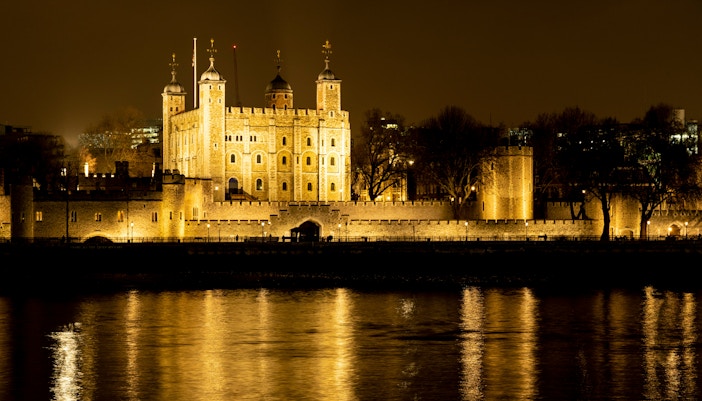
Commonly paired: Tower of London

  • Distance: Approximately 300 metres (4-minute walk)
  • Why people combine them: These are London's two most iconic riverside landmarks and can comfortably be visited on the same day. The medieval fortress provides historical context that complements Tower Bridge's Victorian engineering story.

Explore Tower of London tickets

Commonly paired: Thames Sightseeing Cruise

  • Distance: Tower Pier, approximately 5 minutes away
  • Why people combine them: A river cruise provides some of the best views of Tower Bridge itself while also connecting visitors to Westminster, Greenwich, and central London attractions.

Explore Thames cruise options

✨ Tower Bridge and the Tower of London are the city's most popular riverside pairing. Their proximity means you can walk between them in minutes without needing additional transport.

Also nearby

The Shard

  • Distance: Around 1 kilometre
  • Worth knowing: London's tallest building offers a very different perspective on the city and pairs particularly well with Tower Bridge for visitors interested in skyline views.

HMS Belfast

  • Distance: Around 650 metres
  • Worth knowing: This historic Royal Navy warship adds a military and maritime perspective to a riverside sightseeing day.

Eat, shop and stay near Tower Bridge

On-site: Tower Bridge does not operate a full-service visitor restaurant, so most visitors choose nearby cafés or restaurants before or after their visit.

Better options nearby:

  • The Ivy Tower Bridge (3-minute walk): Modern British cuisine in an elegant setting. A reliable choice for lunch or dinner with views of the bridge.
  • Coppa Club Tower Bridge (5-minute walk): Known for riverside seating and views toward Tower Bridge. Popular for brunch, casual meals, and evening drinks.
  • St Katharine Docks cafés and restaurants (5-minute walk): A cluster of waterside dining options ranging from quick coffee stops to full-service restaurants.

💡 Pro tip: If you're planning to visit the Tower of London after Tower Bridge, consider eating around St Katharine Docks rather than directly beside the bridge. The area is usually less crowded and offers more choice.

  • Tower Bridge Gift Shop: The best place for bridge-themed souvenirs, engineering books, postcards, and London memorabilia linked specifically to the attraction.
  • Hay's Galleria: A short walk away, offering shops, cafés, and riverside browsing opportunities.
  • Borough Market: Around 15 minutes away on foot and one of London's best destinations for food shopping and local produce.

The Tower Bridge area is one of London's most convenient sightseeing bases. You're within walking distance of the Tower of London, The Shard, St Katharine Docks, and several river piers, making it easy to fill multiple days without relying heavily on transport.

The main drawback is price. Hotels in the immediate area tend to be more expensive than those in neighbourhoods slightly farther from the river.

  • Price point: Mid-range to upscale.
  • Best for: First-time visitors, short city breaks, and travellers wanting easy access to major landmarks.
  • Consider instead: South Bank or Covent Garden if you're staying longer and want a broader mix of restaurants, nightlife, and cultural attractions.

Frequently asked questions about visiting Tower Bridge

Most visitors spend 1.5 to 2 hours inside. Photography, guided tours, and time spent in the Engine Rooms can extend visits closer to 2.5 hours.