The Harry Potter special effects collection offers a deep dive into the ‘practical magic’ used throughout the eight films. Unlike digital effects (VFX), these are physical, mechanical rigs, known as SFX, that actors interact with on set. Spanning a decade of filmmaking from 2001 to 2011, the collection features everything from massive hydraulic systems to delicate animatronics. You can expect to see the engineering brilliance behind iconic moments, including functional doors, self-moving props, and atmospheric rigs that controlled fire, wind, and snow to create a grounded, tactile reality.
Explore the Warner Bros. Studio Tour London special effects | What to see, highlights, & more
Relive the magic of the Wizarding World by exploring the incredible Harry Potter special effects. This collection showcases the tangible, mechanical wonders that brought J.K. Rowling’s universe to life.
Discover the Warner Bros. Studio Tour London special effects
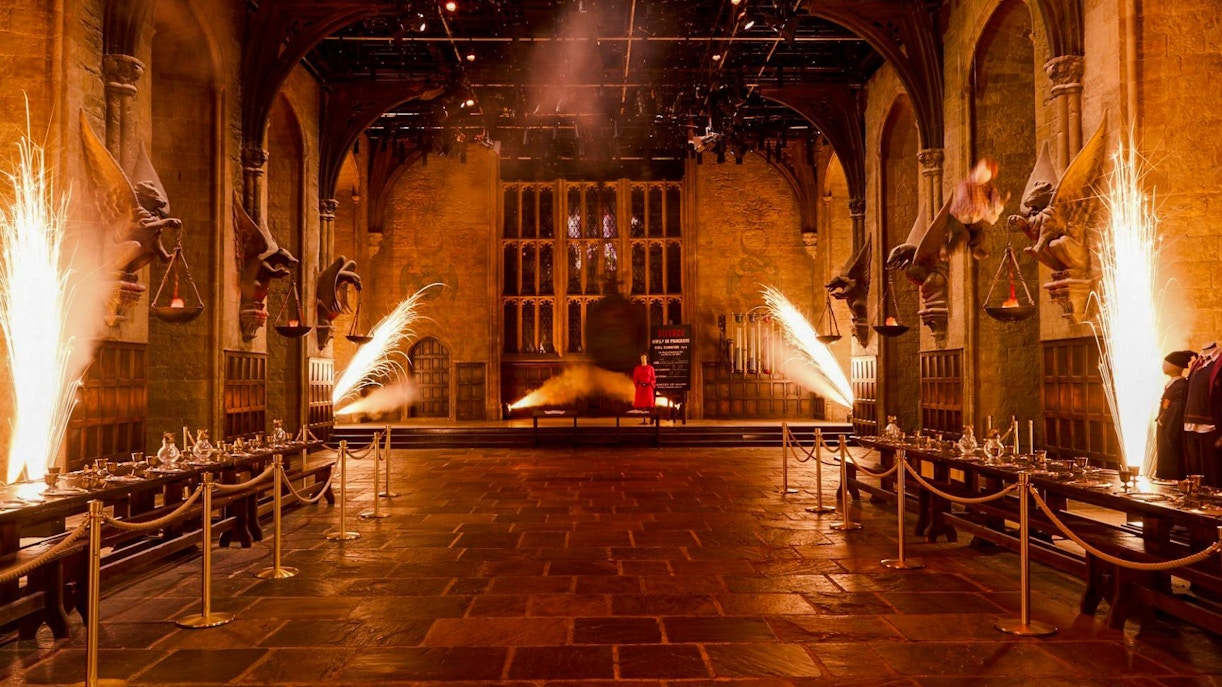
Warner Bros. Studio Tour London special effects | What to look out for?
The collection is categorised by the specific technical discipline required to make the impossible happen on screen:
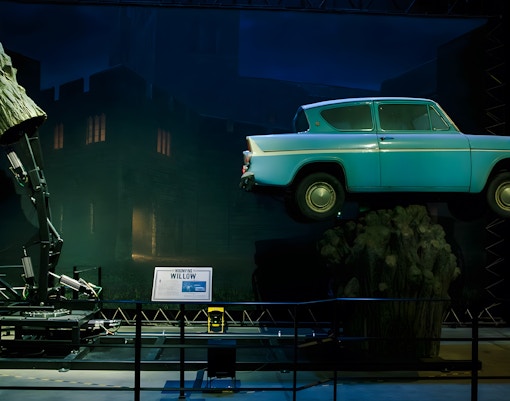
Mechanical rigs
These are the ‘workhorses’ of the set, such as the heavy-duty gimbal systems used to tilt and turn broomsticks or the motor-driven arm that powered the aggressive movements of the Whomping Willow.

Animatronics
This section highlights the bridge between art and engineering. You’ll find sophisticated puppets like the life-sized Buckbeak the Hippogriff and the terrifyingly realistic Monster Book of Monsters, all featuring servo-controlled movements.
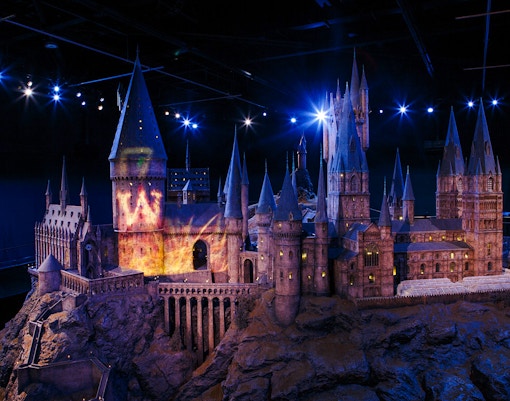
Atmospheric effects
Explore the equipment used to control the elements. This includes gas manifolds for controlled pyrotechnics, industrial fans for wind, and the various recipes for cinematic snow used to transform the sets for winter scenes.
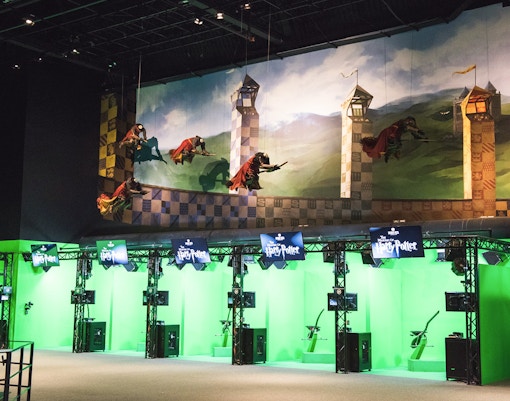
Interactive green screens
Experience the optical trickery of the Wizarding World firsthand. These stations allow you to see how physical props, like the Invisibility Cloak or the Ford Anglia, interact with digital backgrounds in real-time.
What to see: Iconic special effects

1/8
The Invisibility Cloak
See the actual fabric used to make Harry disappear. You can even step in front of a green screen to experience the optical trickery yourself.
Floating feather spell
See the "Wingardium Leviosa" rig. This used incredibly thin, high-tension wires and a motorised pulley system to make a physical feather dance in the air without digital aid.
Self-stirring cauldrons
Located in the Potions Classroom, these use internal motors and hidden tubing to brew potions without a wizard in sight.
Exploding letters at Privet Drive
Discover the pressurised air-cannon system used to blast hundreds of pre-cut envelopes through the Dursleys' fireplace.
Broomstick flying rigs
See the motion-controlled "gimbals" that tilted and turned the actors during high-speed Quidditch matches.
Quidditch bludger practice
View the heavy, motorised Bludger prop. It was mounted on a track and operated by remote control to simulate the erratic, dangerous movement of the magical ball.
The Whomping Willow
Discover the heavy-duty mechanical arm used to thrash the Weasleys’ flying car.
The Great Hall’s floating candles
Though later digital, learn how the original set used hundreds of real candles suspended by motorised wires.
Mechanical tricks on the Harry Potter set
Animatronics played a huge role in creating believable creatures and magical objects. The Monster Book of Monsters, Buckbeak, and even the basilisk head were all mechanical builds operated by skilled puppeteers, offering actors something real to react to during filming.
Special rigs were used throughout the Harry Potter films to animate props and creatures on set. These included servo-controlled wings, rotating head mechanisms, and pressure-triggered reactions, making each moment feel grounded and tactile.
Environmental effects on the set
The SFX team didn't just move props; they controlled the elements to create the perfect atmosphere.
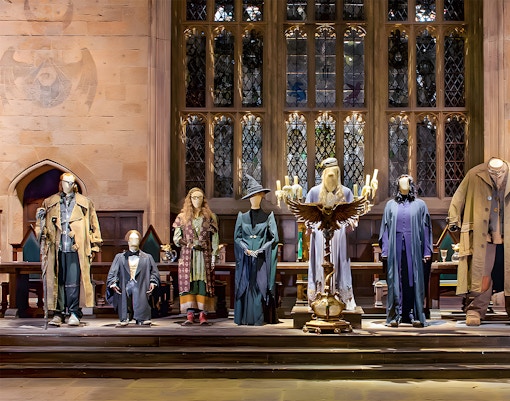
Fire
Controlled gas manifolds allowed the team to create safe, repeatable bursts of flame for the Goblet of Fire or the Battle of Hogwarts.
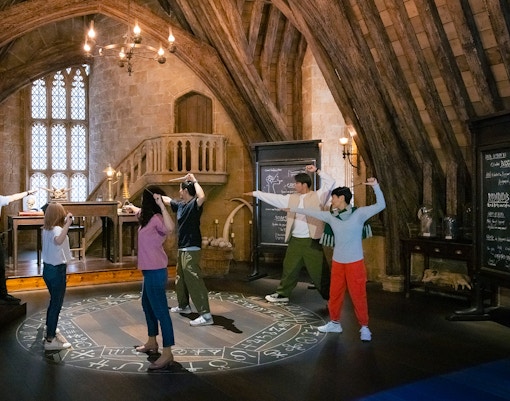
Water
Massive hydraulic tanks were used to simulate the flooding of the Chamber of Secrets, ensuring the water behaved with cinematic weight.
Wind
Wind machines were used to simulate stormy conditions during Quidditch or magical impacts. Variable speed fans helped mimic different intensities, from light gusts to high-impact magical shockwaves.
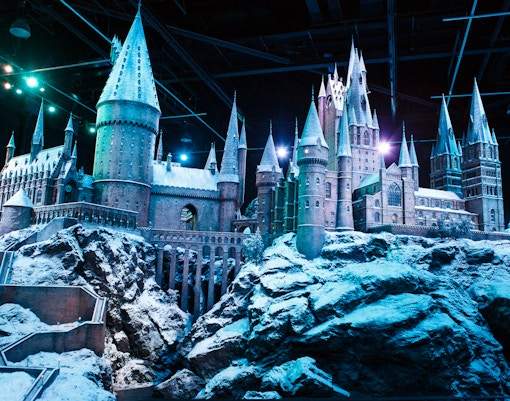
Snow
Snowy scenes were shot with biodegradable paper snow and foam machines. Sets like Hogsmeade and the Hogwarts courtyard used layers of artificial snow that looked consistent across long filming schedules.
Test these special effects yourself
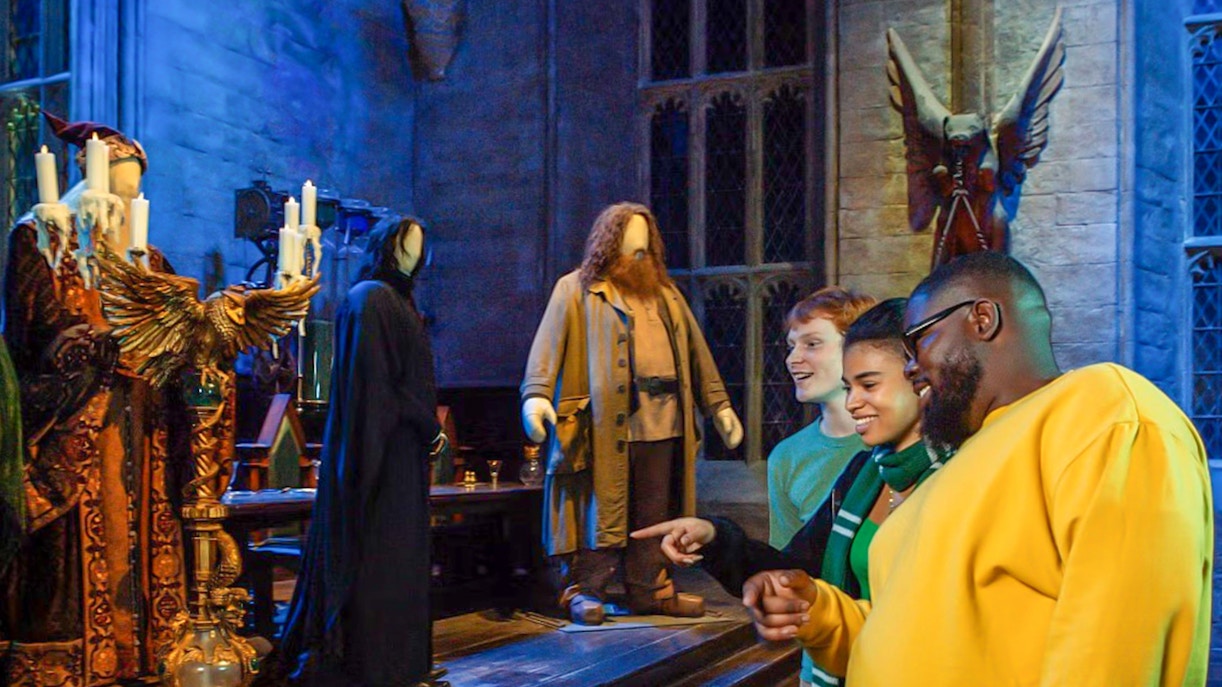
The Studio offers hands-on stations where visitors can mimic magical effects. From disappearing acts to prop movement, these demos use modified versions of the rigs and setups used during production. So go ahead and ride a broom against a moving background, levitate a feather, or use optical tricks that mirror the original filming methods!
Notable figures of the SFX Department
John Richardson
The Academy Award-winning SFX Supervisor who oversaw the mechanical magic for all eight films.
Nick Dudman
The mastermind behind the Creature Effects, responsible for the animatronic movements of Aragog and the Gringotts Goblins.
Frequently asked questions about Harry Potter special effects
Yes, many mechanical rigs, including the self-stirring cauldrons and animatronic creatures, are demonstrated daily.
Yes. Special effects (SFX) are physical, mechanical rigs used on set. Visual effects (VFX) are digital images added later via computer.
Surprisingly, yes. Many key scenes used practical effects with digital touch-ups, not full CGI.
The Chamber of Secrets door is often cited as the most impressive; it is a fully functioning motor-driven piece of machinery.
The self-stirring cauldron setup from the first film is one of the oldest mechanical displays still working.
Yes, look closely, and you’ll find mechanisms in place for enchanted ceiling effects and levitating candles.
There are several interactive green screen and motion trigger stations where you can experience the tech firsthand.
No strict age limit, but children may need help for broom rides or green screen sections.
Yes! During Hogwarts in the Snow, you can see how different types of cinema snow are applied to the sets.
Many effects props are original from the films, but some are reconstructed for preservation and safety.
Yes, the Studio features video stations showing how specific effects were designed and executed.


