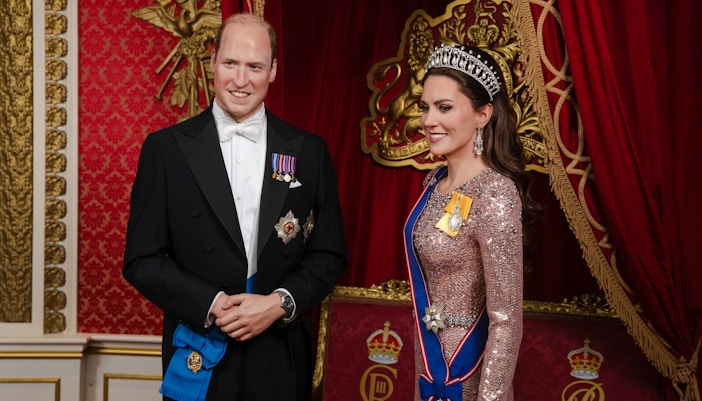
15 interesting facts about the Westminster Abbey in London

Westminster Abbey is one of Britain’s most historically significant landmarks and a masterpiece of Gothic design. From royal coronations to famous burials, these Westminster Abbey facts reveal the stories, traditions, and architectural marvels that make the abbey a national treasure.

15 interesting facts about Westminster Abbey
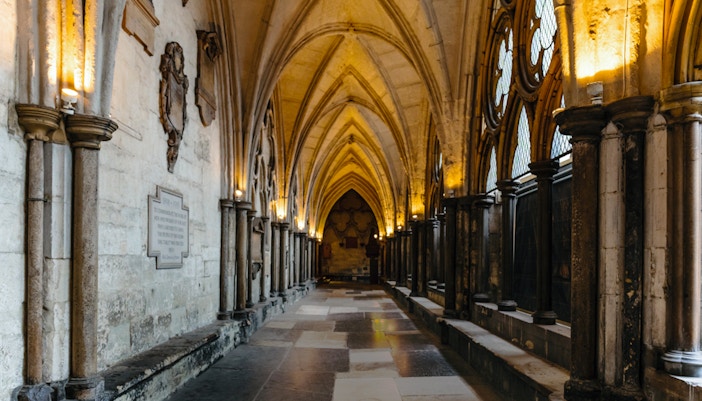
Westminster Abbey is not technically an abbey anymore

One of the most surprising Westminster Abbey facts is that it has not functioned as a monastery since 1560. It is now a Royal Peculiar, meaning it operates directly under the British monarch rather than a bishop. This rare status reflects its strong ties to royal ceremonies and national events.

Know more

It has hosted every coronation since 1066

Among the most important Westminster Abbey history facts is its role as the coronation church of England and later Britain. Since William the Conqueror, every monarch has been crowned here. The centuries-old ritual still follows traditions established nearly 1,000 years ago.

About coronations

The abbey contains Britain’s oldest surviving door

Among lesser-known Westminster Abbey history facts is the presence of Britain’s oldest door, dating back to around 1050. Scientific testing revealed the oak used to make the door is over 1,000 years old, offering a rare glimpse into Anglo-Saxon craftsmanship.

See what's inside

Poets’ Corner began by coincidence

Geoffrey Chaucer was buried in the abbey in 1400 due to his royal service rather than his literary achievements. His burial inspired later memorials for writers like William Shakespeare and Charles Dickens, creating the famous Poets’ Corner.

About the corner

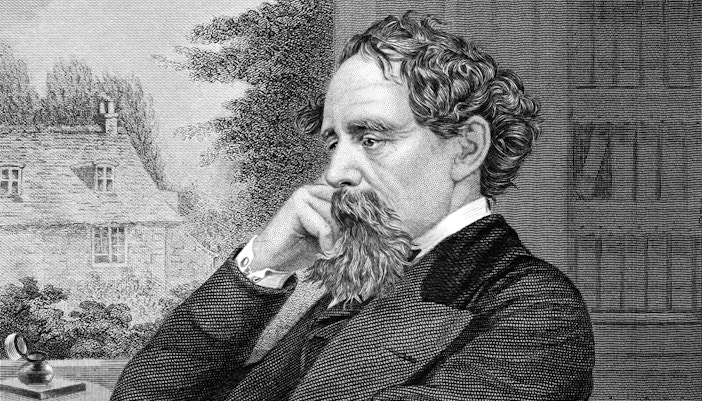
Dickens buried against his wishes
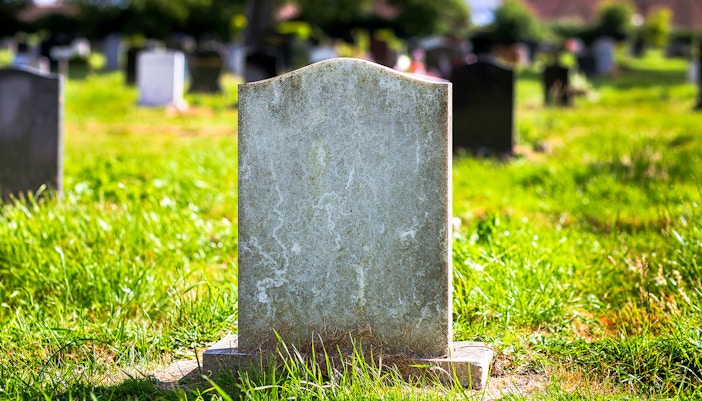
Charles Dickens requested a modest burial but was instead placed in Poets’ Corner for national honor. His funeral drew hundreds, and his tomb remains among the Abbey’s most visited. The decision highlights tension between personal wishes and public memory.

Ben Jonson lies upright

Playwright Ben Jonson was buried standing up in a tiny grave in 1637. Later excavations proved his bones are vertical, an incredibly rare burial in England. His small plot is marked with the inscription “O rare Ben Jonson.”

Other burials

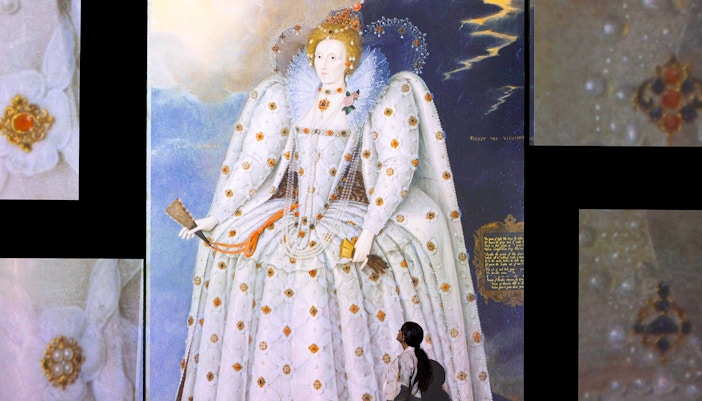
Elizabeth I’s true face preserved
Elizabeth I’s Abbey effigy wasn’t based on portraits but her actual death mask. It reveals her authentic aged features, not the romanticized image often painted. This rare likeness offers visitors an intimate, poignant connection to the famous Tudor queen.

A floor that predicted doomsday

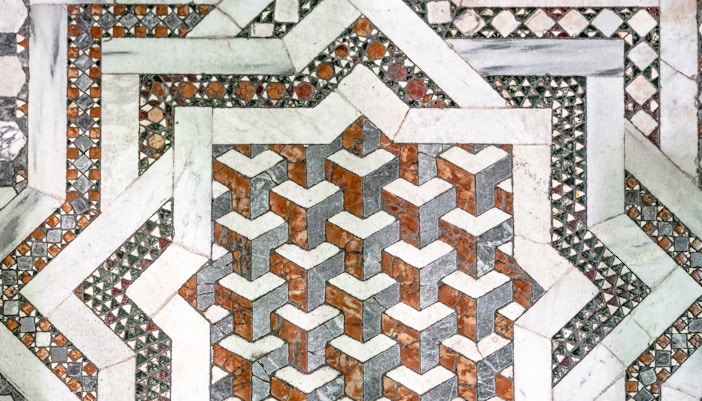
The Cosmati pavement, installed in 1268, mixes mosaics with mystical numbers. Inscriptions predicted the world would end 19,683 years later. Though simply decorative to some, its strange mix of prophecy, science, and spirituality continues to intrigue curious visitors today.

About architecture

Parts of the abbey still show World War II damage

During the London Blitz in 1940, bombs damaged sections of the abbey, including areas near the Lady Chapel. Some damage was intentionally preserved, making this one of the most powerful Westminster Abbey history facts highlighting wartime resilience.

More about history

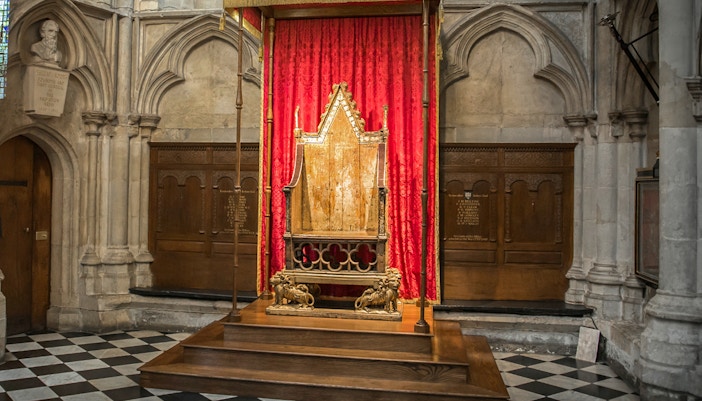
The coronation chair is over 700 years old
The Coronation Chair was commissioned in 1296 by King Edward I and remains central to royal coronations today. Originally built to house the Stone of Scone, it is one of the oldest pieces of furniture still used for ceremonial purposes in Europe.

Over 3,300 people are buried or commemorated here

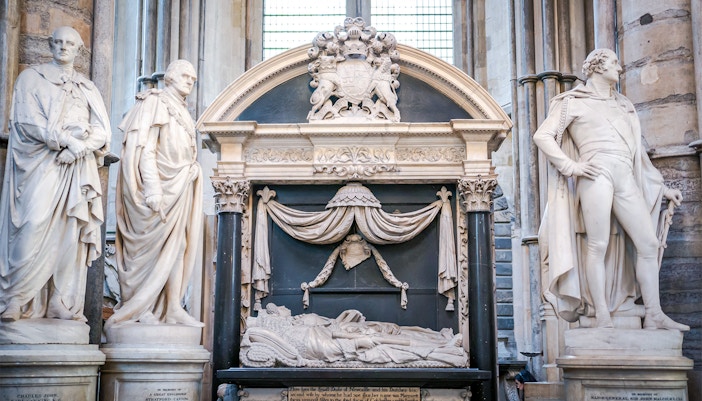
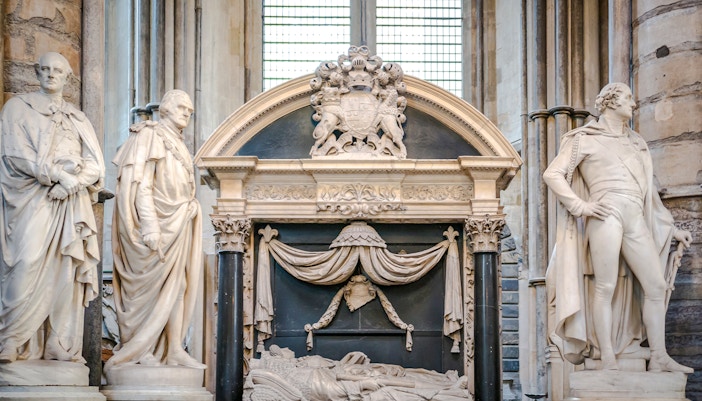
One of the most remarkable Westminster Abbey facts is that it serves as a national memorial. Monarchs, scientists, writers, and political leaders are buried or commemorated here, including Isaac Newton, Charles Darwin, and Stephen Hawking.

Inside Poets' Corner

The Cosmati pavement hides symbolic mathematics
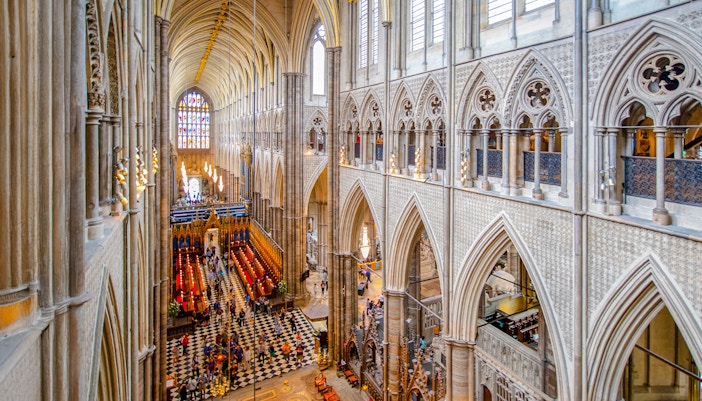
One of the most fascinating Westminster Abbey architecture facts is the Cosmati pavement located near the high altar. Installed in 1268, it contains intricate geometric patterns and Latin inscriptions that reference medieval theories about the universe and time.

The nave ceiling is one of the tallest in England

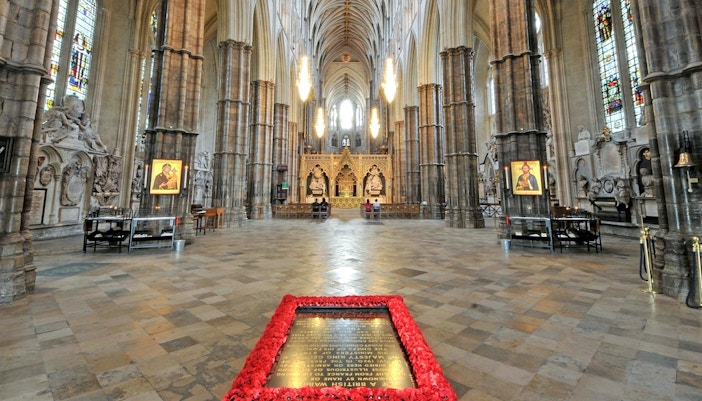
The abbey’s nave rises approximately 31 meters (102 feet) high. This extraordinary height demonstrates classic Gothic architecture, designed to create dramatic vertical space and symbolise spiritual aspiration through light and scale.

Abbey architecture

The abbey has hosted royal weddings for centuries
Westminster Abbey has hosted 16 royal weddings, including the wedding of Prince William and Catherine Middleton in 2011. This continues the abbey’s long-standing role as a stage for significant royal celebrations and national milestones.

Several monarchs share burial spaces

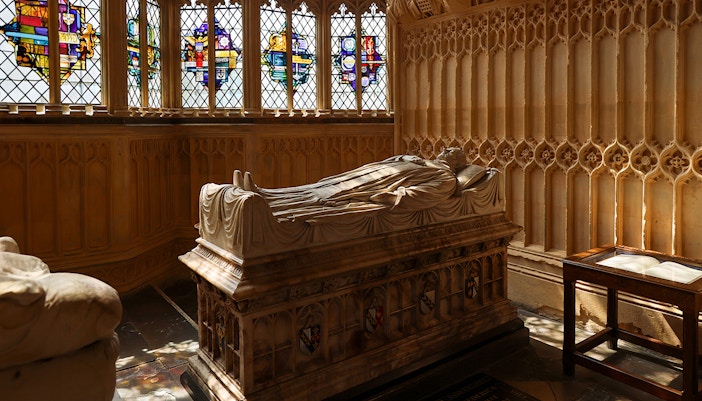
Queen Elizabeth I is buried in the same tomb as her half-sister Queen Mary I. This burial arrangement is one of the more intriguing Westminster Abbey fun facts, symbolising reconciliation between two historically rival Tudor rulers.

Royal tombs

Westminster Abbey architecture facts that define its Gothic masterpiece

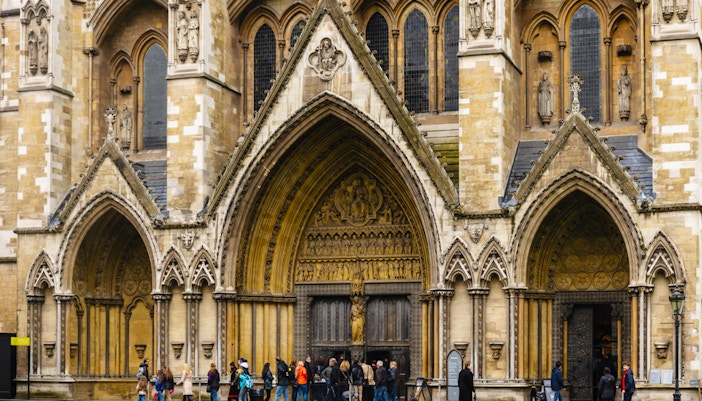
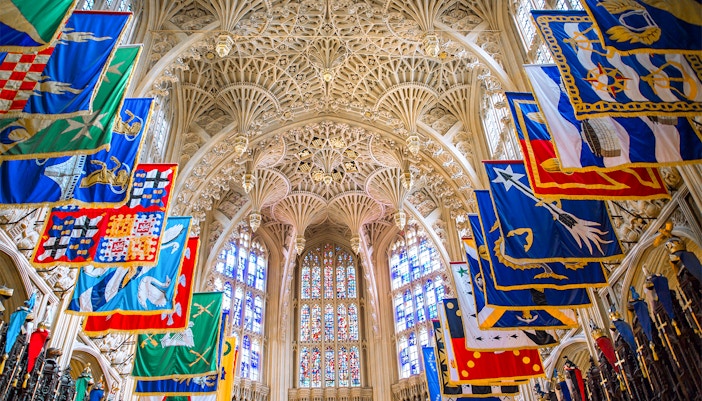
Westminster Abbey represents one of the finest examples of English Gothic architecture. Its pointed arches, ribbed vaulting, stained glass windows, and towering nave reflect medieval engineering brilliance. The abbey’s architectural evolution between the 13th and 16th centuries makes it one of Europe’s most historically layered religious buildings.

Westminster Abbey history facts that shaped Britain

Westminster Abbey has played a central role in British royal and cultural history for over a millennium. From coronations and funerals to memorials honouring national icons, the abbey continues to represent continuity, tradition, and British identity in 2026.

Frequently asked questions about Westminster Abbey facts

It is directly governed by the monarch rather than a bishop, which reflects its close association with royal ceremonies and state occasions.