Discover what’s inside Windsor Castle | Britain’s living royal residence

Stepping inside Windsor Castle is like entering a living museum of royal history. For centuries, it has served as both a fortress and a royal residence, witnessing the lives of many monarchs. The castle is famed for its State Apartments, showcasing art by world-renowned painters, furnishings, and intricate tapestries. But there is much more inside Windsor Castle waiting to be explored. Read on to discover it all.

Windsor Castle | Quick overview

What to expect inside Windsor Castle

Don’t just visit—experience Windsor Castle with purpose
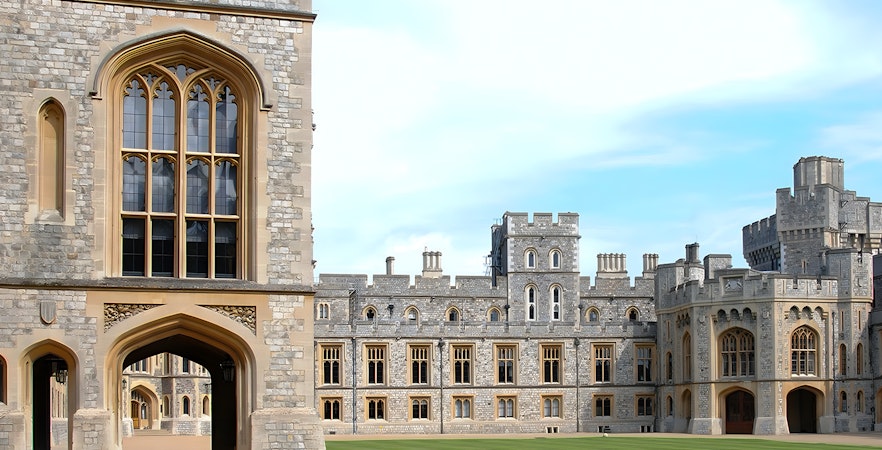
Windsor Castle is vast, filled with centuries of royal history, stunning State Apartments, and priceless art at every turn. A half-day guided tour helps you navigate the grandeur and uncover stories you might otherwise miss. Make the most of your visit—take this tour and leave with more than just memories.

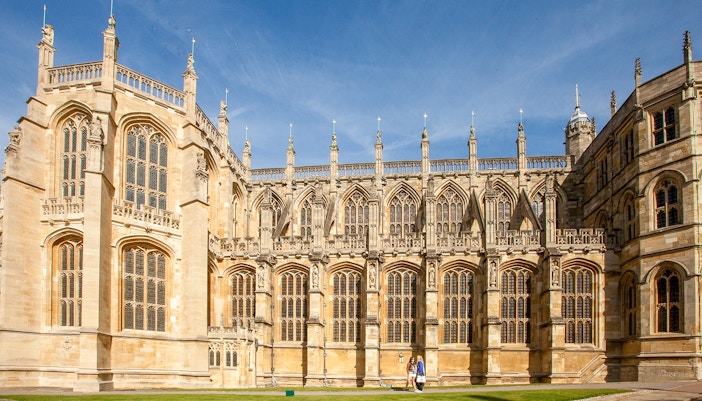
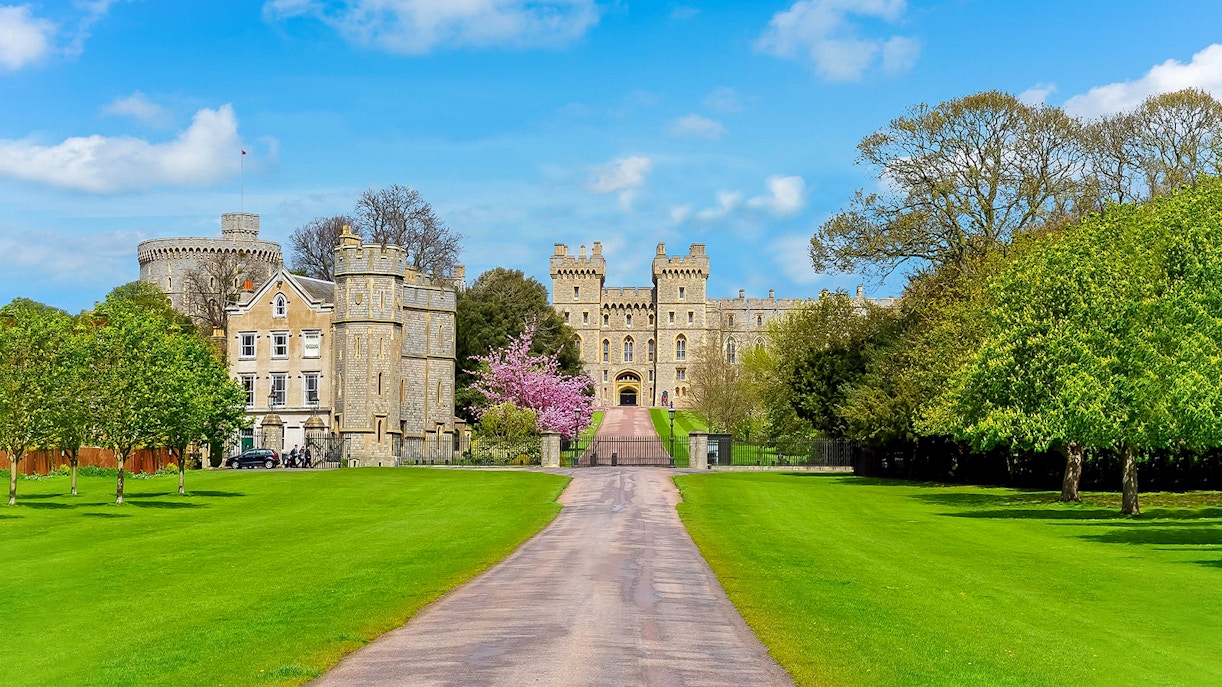
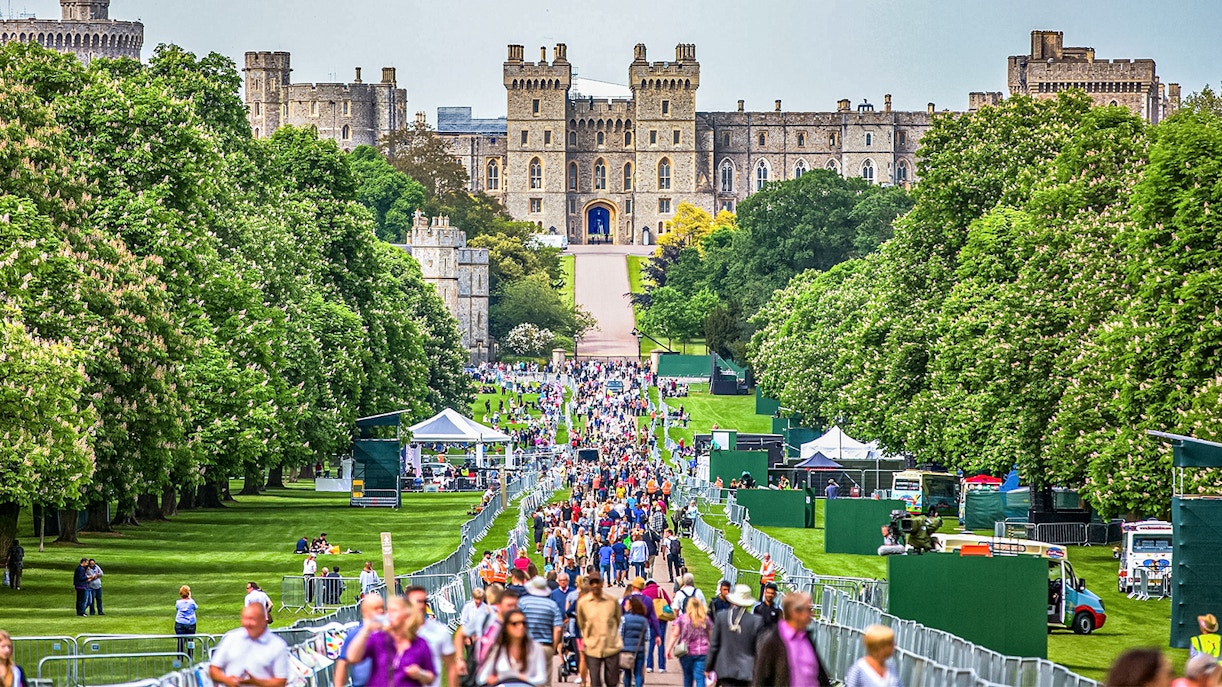
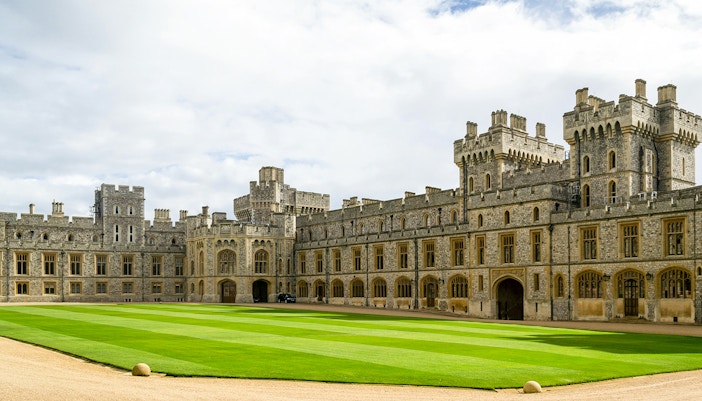
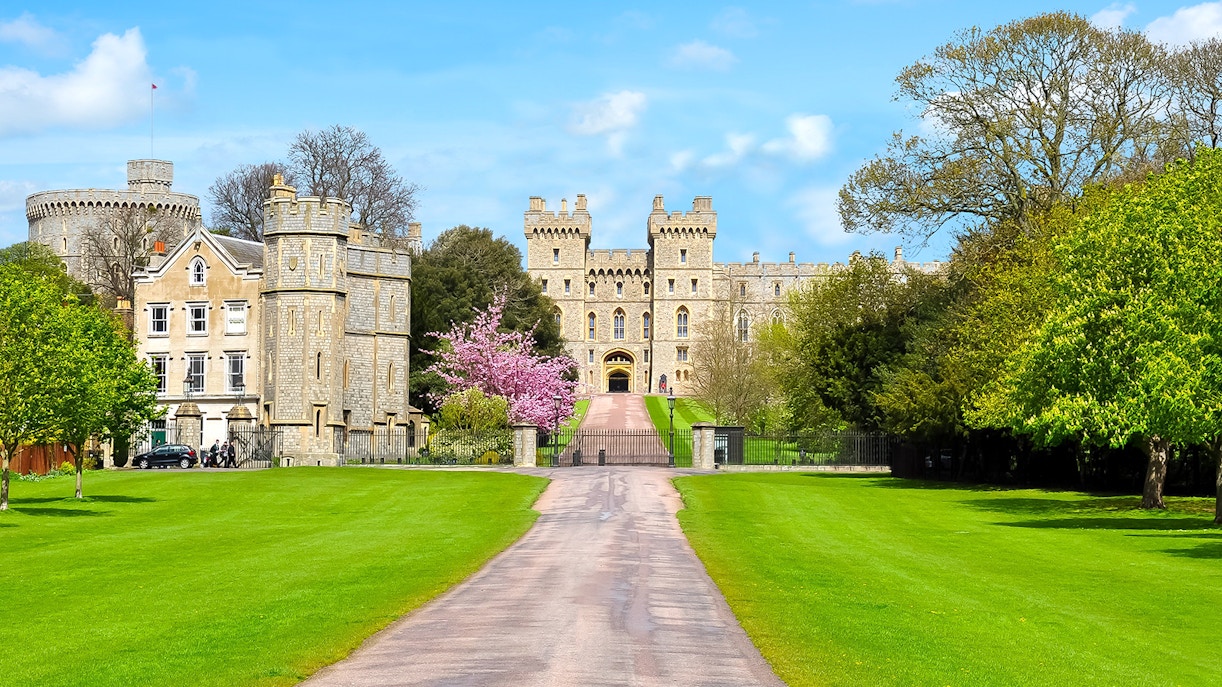
Windsor Castle Grounds with historic stone architecture and green lawn.

Top highlights inside Windsor Castle

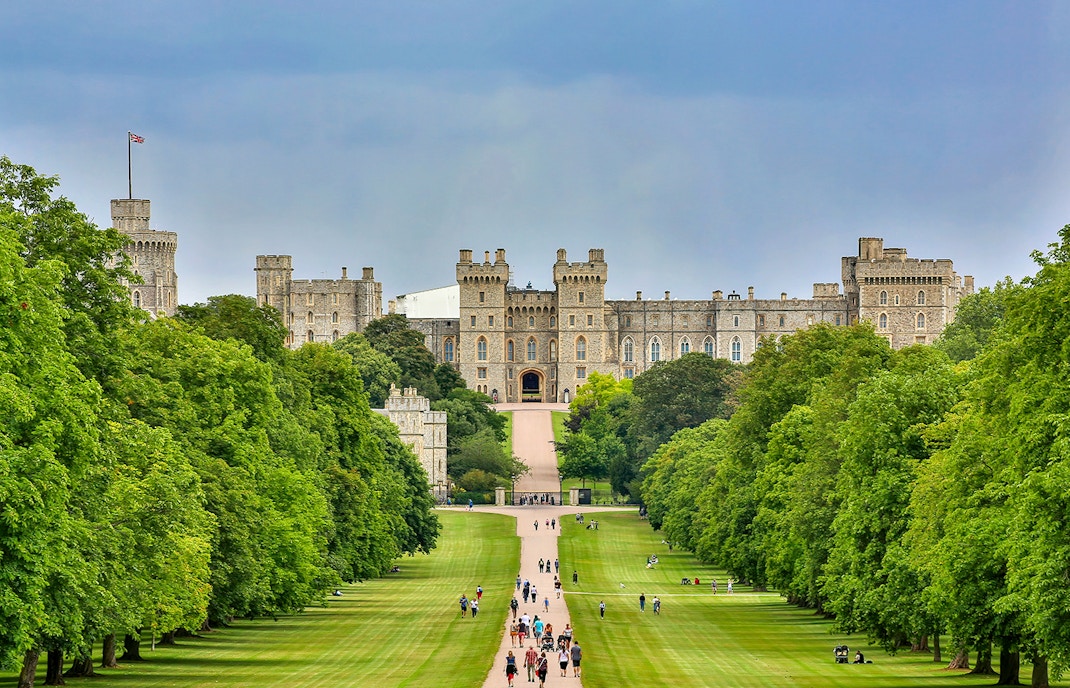
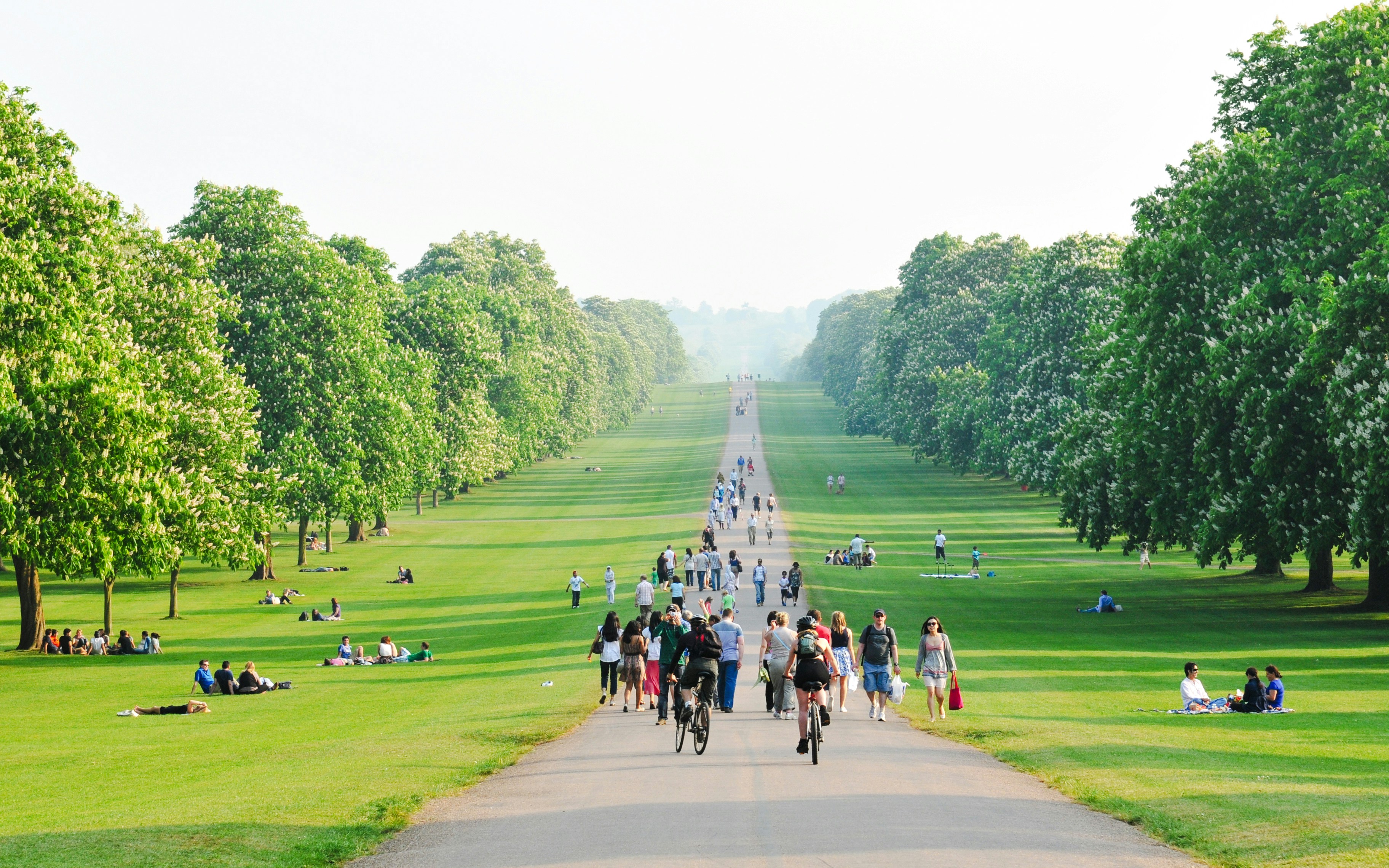
Cyclists and pedestrians on Windsor Long Walk surrounded by lush greenery.
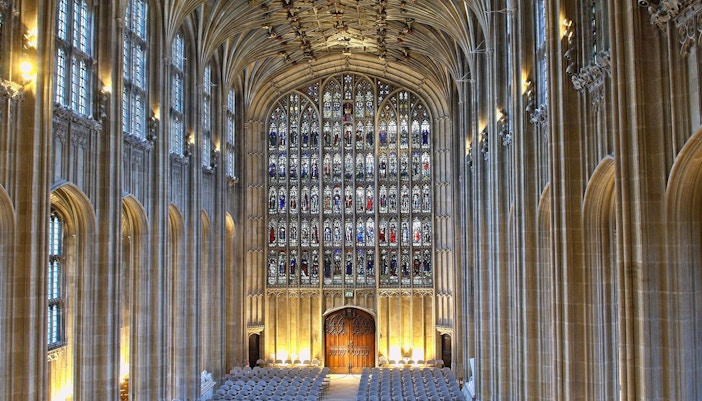
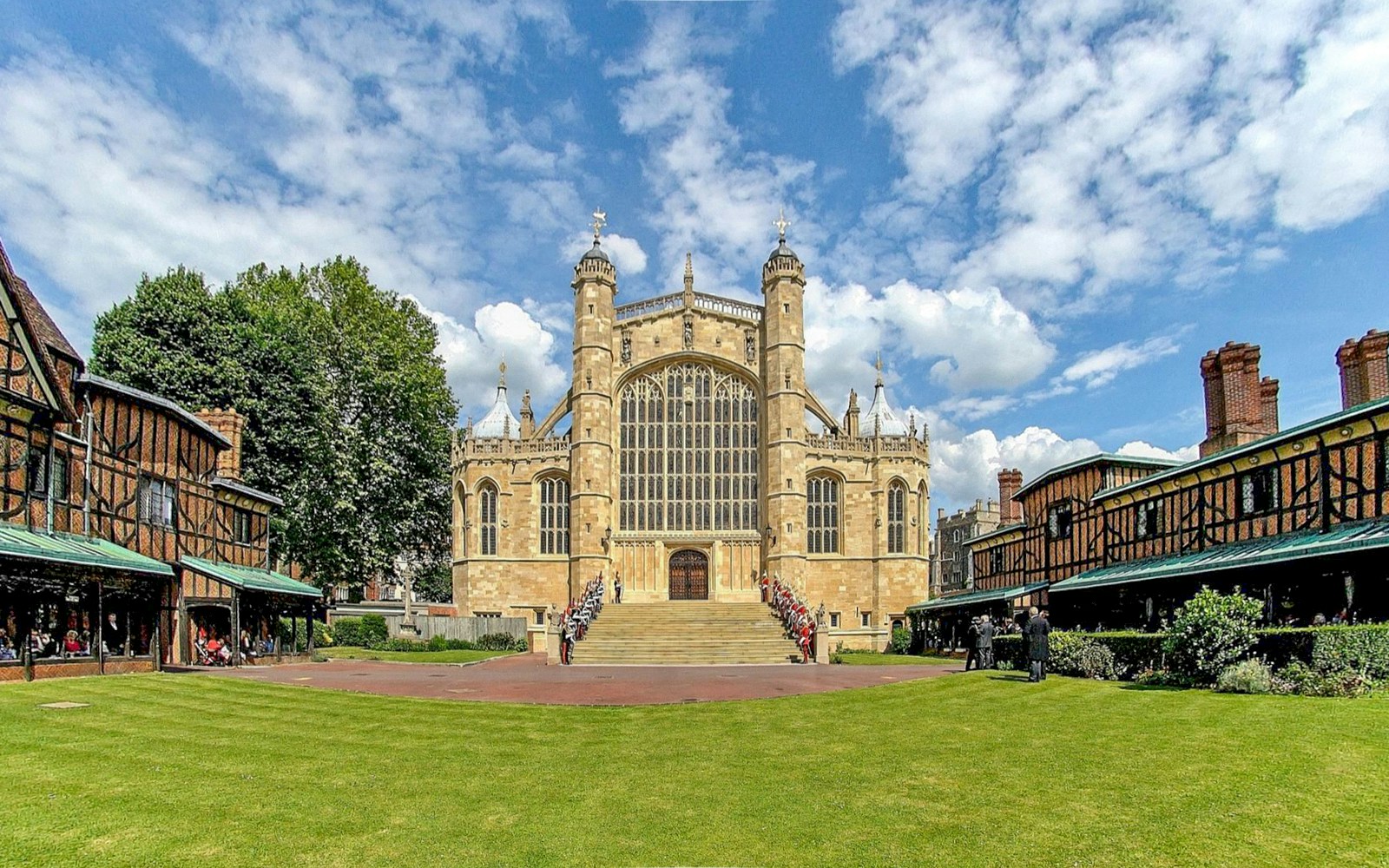
St George's Chapel at Windsor Castle with ceremonial guards on steps.
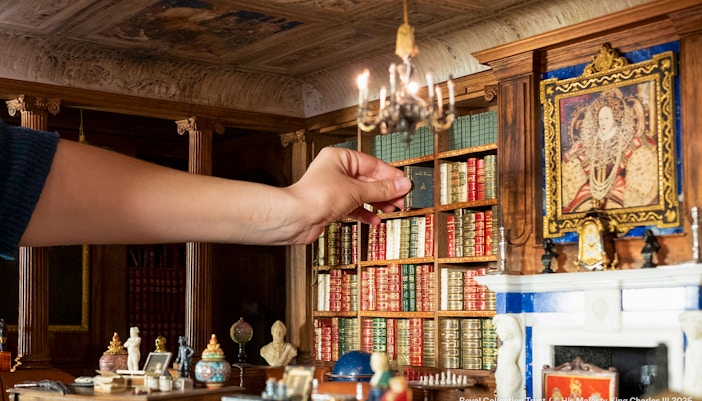
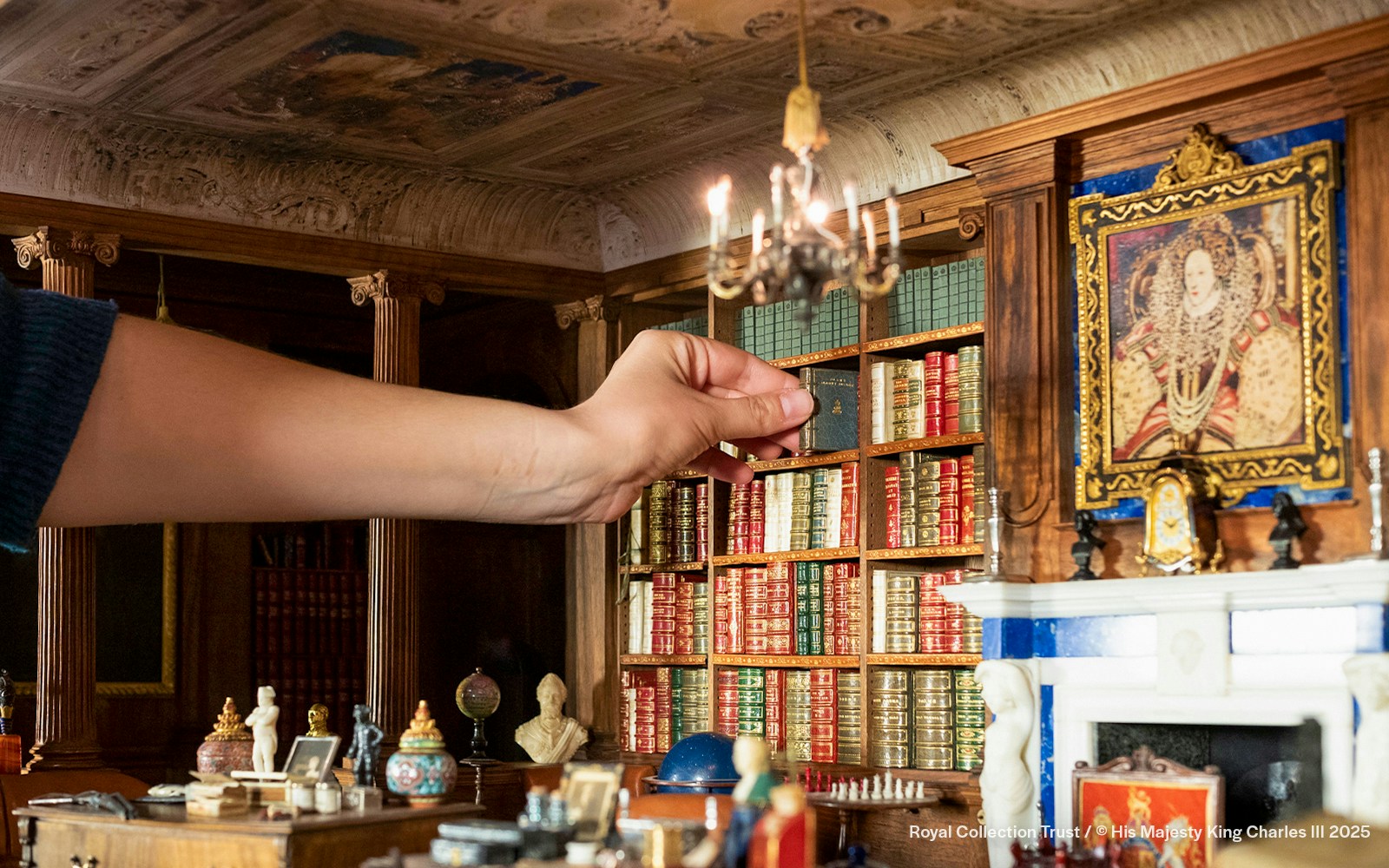
Hand arranging books in Queen Mary's Dollhouse library, featuring intricate miniature details.
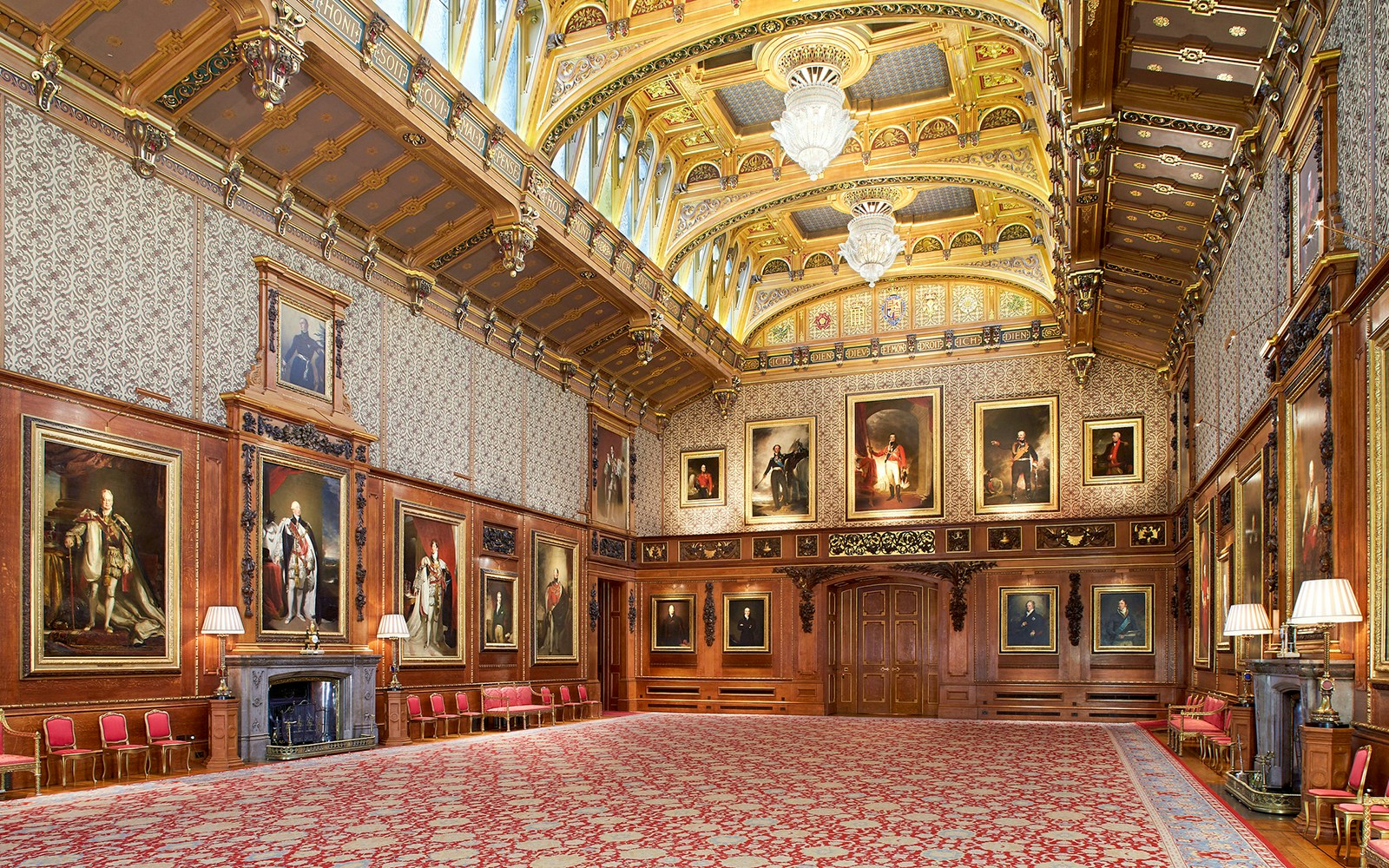
Waterloo Chamber in Windsor Castle with portraits and ornate ceiling.
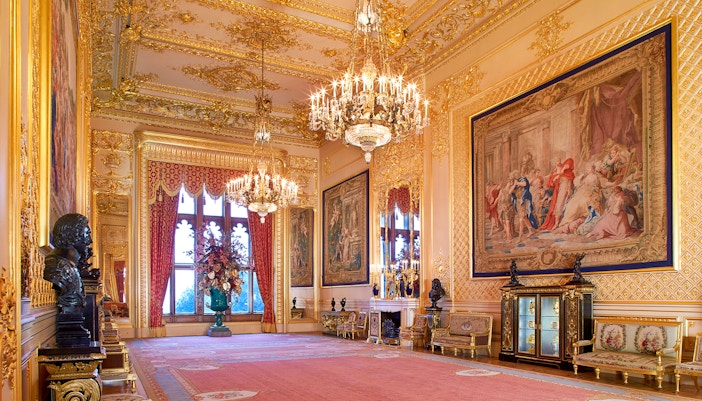
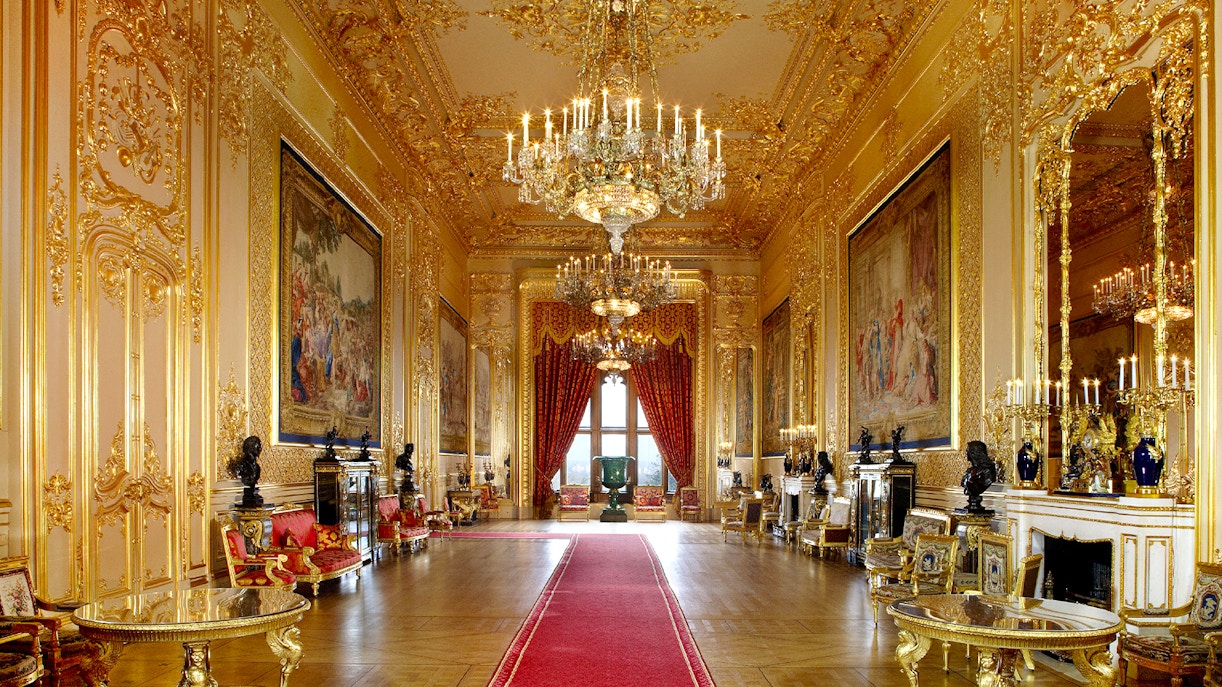
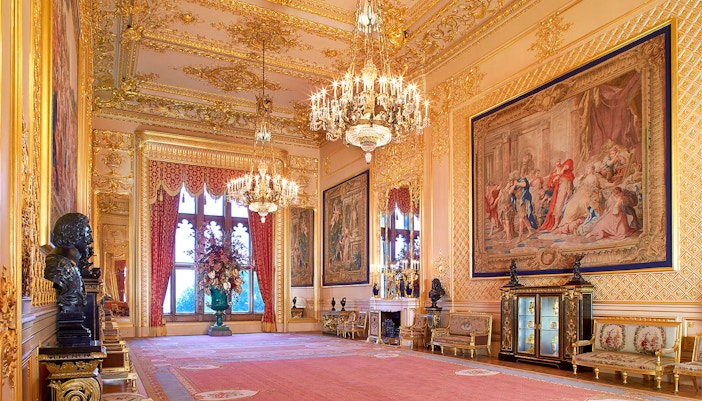
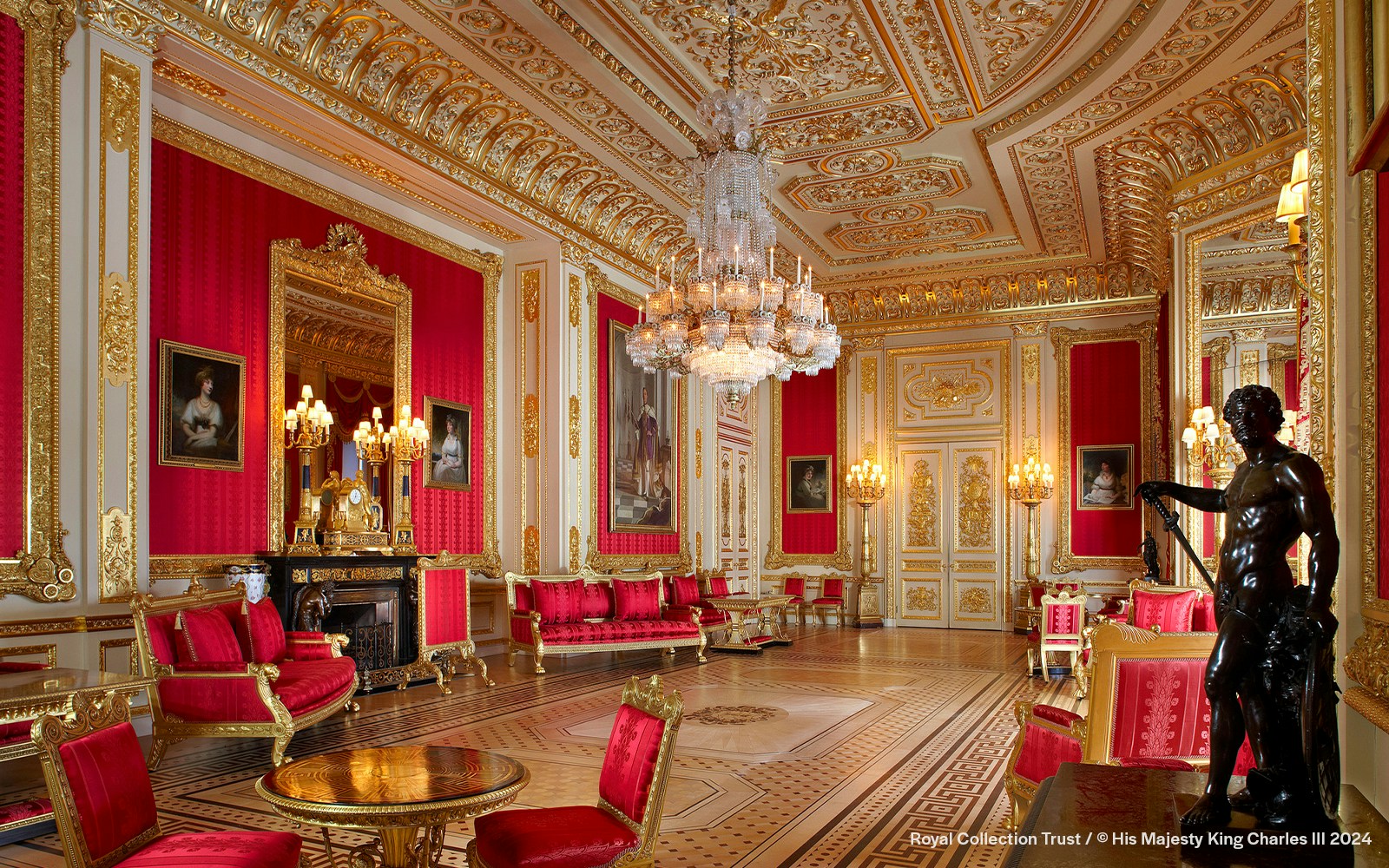
Crimson Drawing Room with ornate gold decor and chandeliers, Windsor Castle.
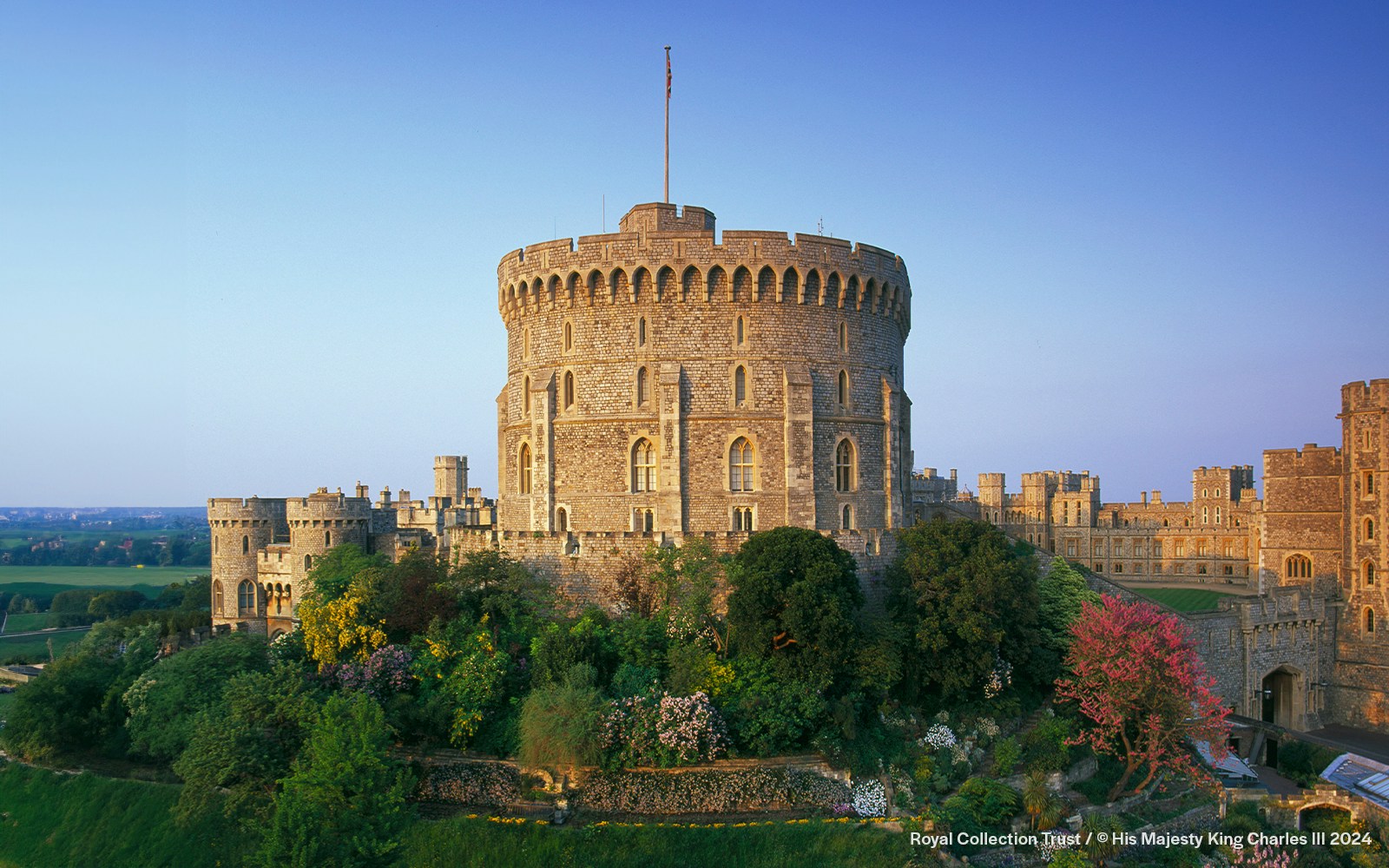
Round Tower at Windsor Castle surrounded by gardens, Windsor, England.
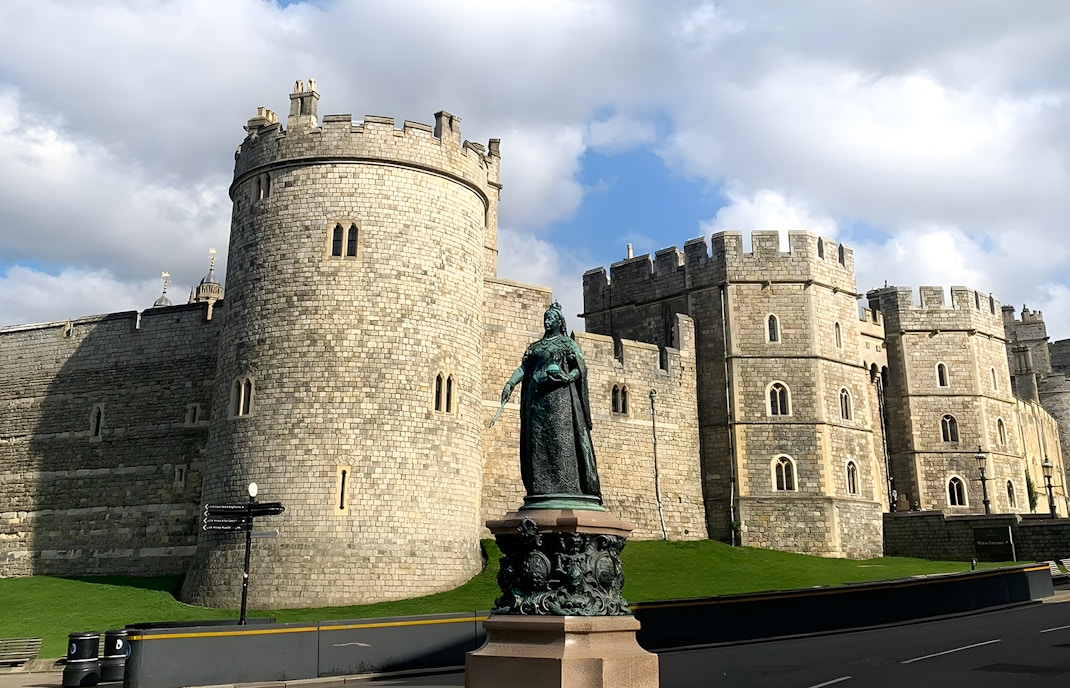
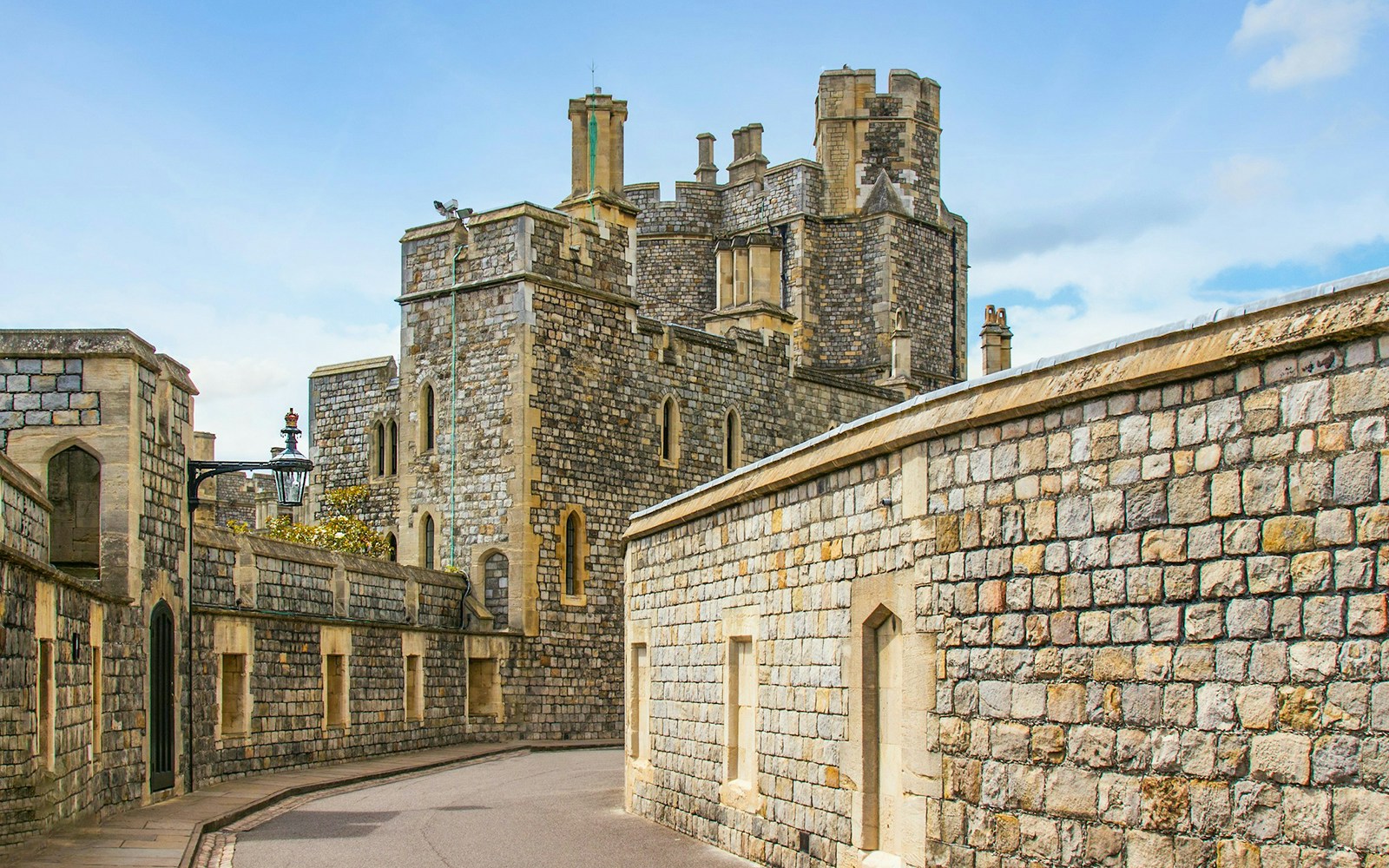
Windsor Castle stone walls and towers under a blue sky.
1/7

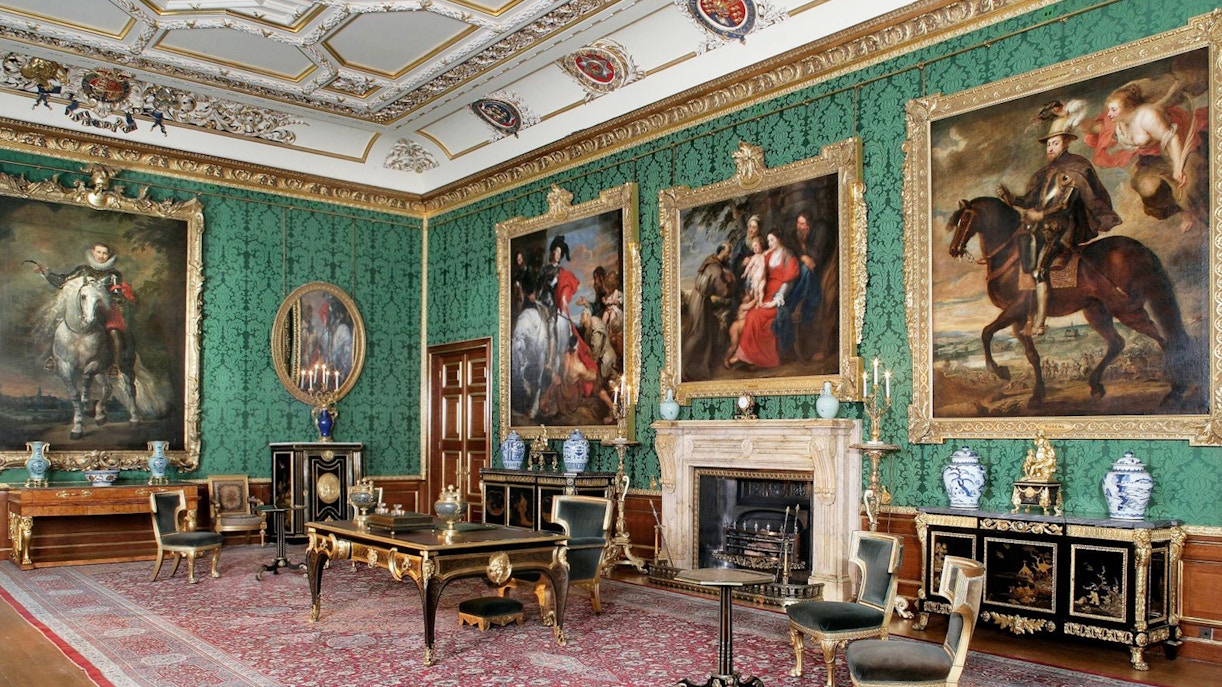
Windsor's royal highlight: State Apartments

They showcase centuries of regal life, from gilded ceilings and chandeliers to masterpieces by Van Dyck and Rubens.

  • Why it matters: These rooms were the backdrop for historic royal events and entertainments, giving a direct look at ceremonial life.
  • Pro-tip: Notice the Sèvres porcelain and period furniture, they reveal the personal tastes of generations of monarchs.

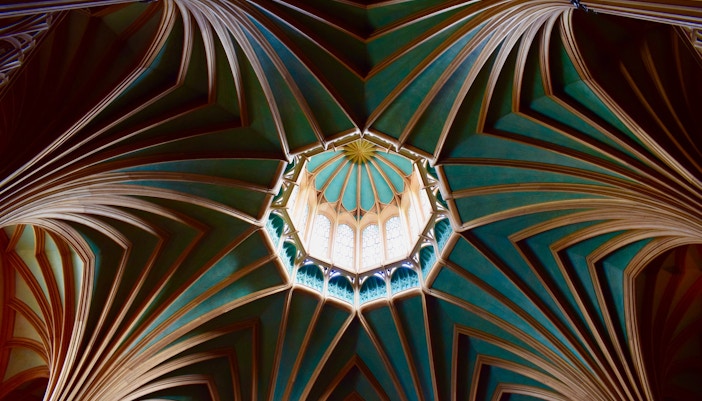
Windsor's Gothic masterpiece: St George's Chapel

St George’s Chapel is the final resting place of monarchs including Henry VIII and Queen Elizabeth II.

  • Why it matters: It is both a spiritual and historical centerpiece of Windsor Castle, hosting royal ceremonies and the Order of the Garter.
  • Pro-tip: Look closely at the tombs and monuments on the walls and floors as you walk through, they reveal fascinating insights into the lives of monarchs.

Windsor's artistic excellence: Queen Mary’s Dolls’ House

This 1:12 scale masterpiece features working lights, running water, miniature furniture, and a tiny library. It was built in the 1920s for Queen Mary.

  • Why it matters: This extraordinary creation reflects the craftsmanship and luxury of royal life in miniature form.
  • Pro-tip: Examine the tiny paintings, personal touches, and the electricity bulbs!

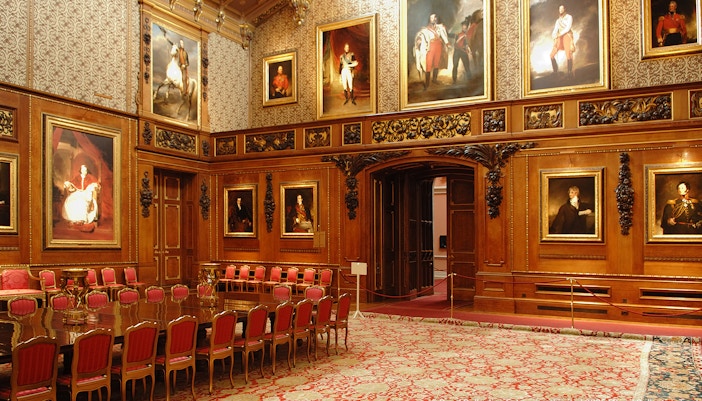
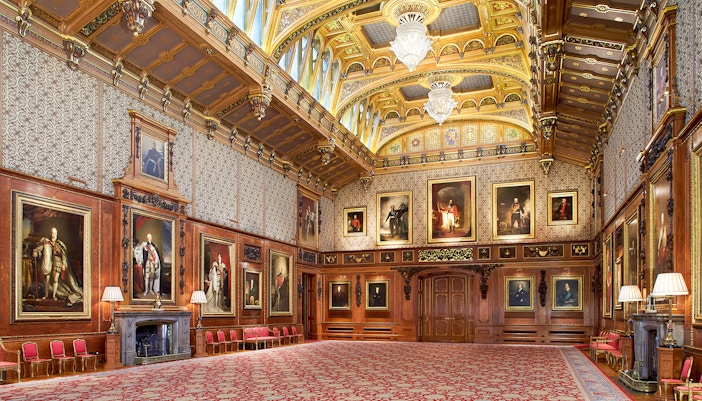
Windsor's room of triumph: Waterloo Chamber

This chamber features portraits of key military figures and the largest single-piece handmade carpet in the world.

  • Why it matters: It preserves the memory of one of Europe’s pivotal battles and celebrates national achievement.
  • Pro-tip: Study the portraits closely, they honour each individual’s historical role

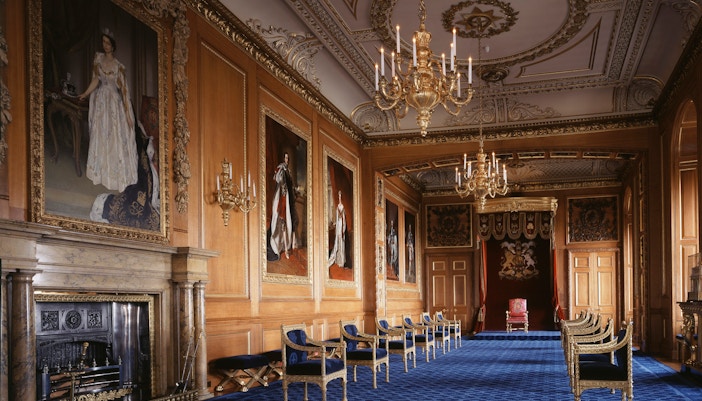
Windsor's ceremonial elegance: Crimson Drawing Room

The Crimson Drawing Room features deep red decor and state portraits of King George VI and Queen Elizabeth.

  • Why it matters: This room reflects ceremonial and domestic royal life, blending grandeur with intimate spaces.
  • Pro-tip: Pay attention to the intricate designs and furniture for insight into royal aesthetics.

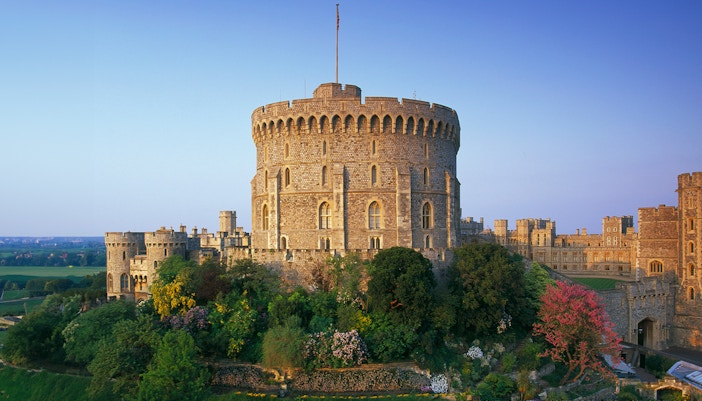
Windsor's defensive point: Round Tower

The Round Tower was originally a defensive stronghold. It now offers panoramic views of Windsor and houses the Royal Archives.

  • Why it matters: It provides context for the castle’s strategic importance and preserves centuries of royal documents.
  • Pro-tip: Enjoy the views and imagine how the tower guarded the monarchy.

Windsor's architecture base: Moat Room

The Moat Room presents Windsor Castle’s 950-year history with large-scale models showing its evolution over centuries.

  • Why it matters: It helps visitors understand how the castle’s architecture and role have changed throughout history.
  • Pro-tip: Compare the models to the real castle to appreciate the transformation over time.

How to get inside Windsor Castle

The only entrance for visitors to Windsor Castle is at the corner at the top of Castle Hill. The Castle is open five days a week, from Thursday to Monday, and closed on Tuesdays and Wednesdays. It’s best to arrive at least 15 minutes before your entry time to avoid long lines. To skip the crowds, plan your visit on a weekday, either right after opening or in the late afternoon, as large tour groups often arrive later in the morning and on school days.

Plan your visit to Windsor Castle

Size and design of Windsor Castle

How to explore Windsor Castle?

Visitor tips

  • Choose a guided experience: Grab an audio guide or join a guided tour to get deeper insights into the castle’s history and significance. Instead of listening from start to finish, scan the rooms first and use the guide only for areas that interest you to avoid audio fatigue.
  • Ask staff for stories: Room attendants and guides are often ex-military or longtime castle employees. Ask them about their favourite areas or hidden details—they usually share fascinating tidbits not in the guide.
  • See the State Apartments first: Head straight to the State Apartments when you enter. These rooms are the main highlight and can get crowded. The Grand Reception Room and St George’s Hall are especially stunning, so give yourself space and time to enjoy them.
  • St George’s Chapel highlights: Look up at the ceiling bosses, emblems, and badges representing hundreds of royals and Order of the Garter knights. Don’t miss the Albert Memorial Chapel and the Cloisters, which are intricate and often quiet.
  • Changing of the Guard: If you are visiting on a day with a guard change (Tuesdays, Thursdays, or Saturdays), stand near the Henry VIII Gate or inside the lower ward for better views than the street entrance.
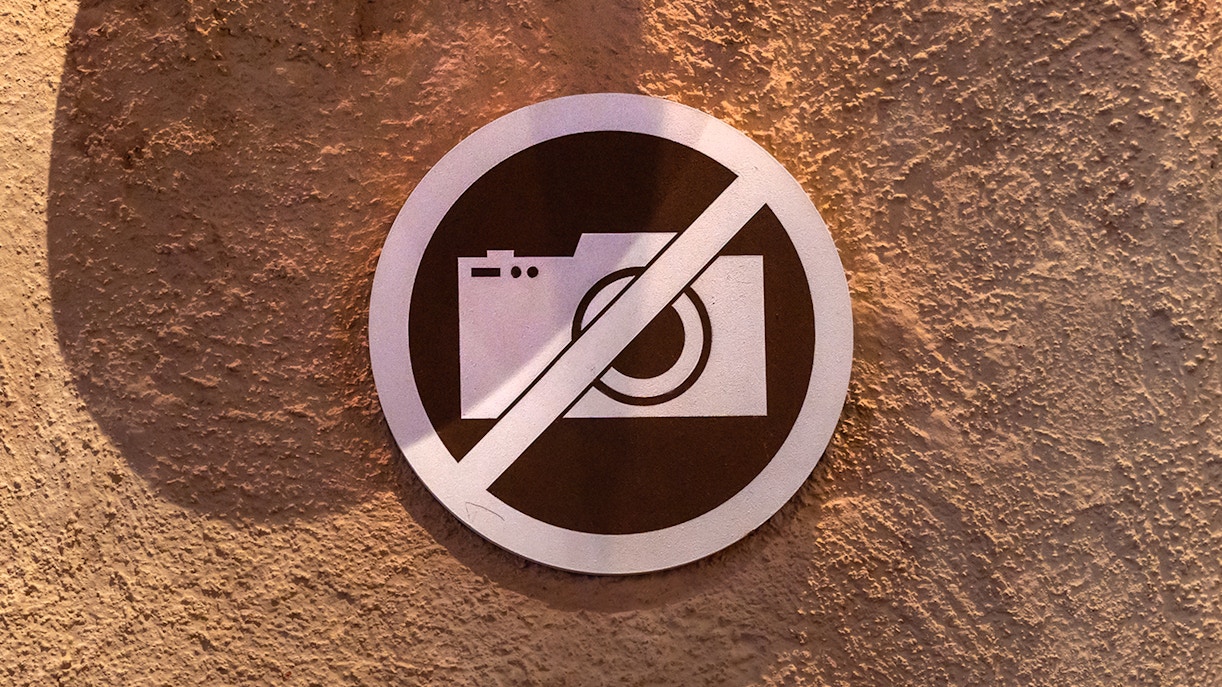
  • Photography restrictions: Photography is allowed in most areas, but State Apartments, St George’s Chapel, and temporary exhibitions are off-limits. Avoid using flash to protect artworks and artifacts.

Frequently asked questions about what's inside Windsor Castle

Currently, no royal lives at Windsor Castle, and it is only occupied by staff. After Queen Elizabeth II's passing, King Charles inherited the castle. It is likely that Prince William and Kate Middleton may move into Windsor Castle.

More Reads