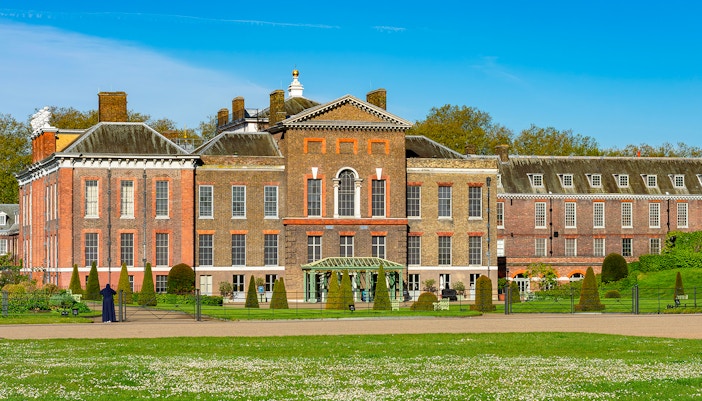
Before royalty moved in, Kensington Palace was Nottingham House, a relatively modest Jacobean mansion. William III and Mary II bought it in 1689, then asked Sir Christopher Wren to enlarge it into a proper royal residence. The palace visitors know today still rests on that earlier country-house foundation. That transformation shifted its status forever.
Ten interesting facts about Kensington Palace in London
Kensington Palace blends a 17th-century royal home, Queen Victoria’s childhood rooms, and one of London’s most reflective garden settings. If you’re weighing Kensington vs Buckingham Palace, the stories here feel more intimate — and the facts below show why.
Interesting facts about Kensington Palace
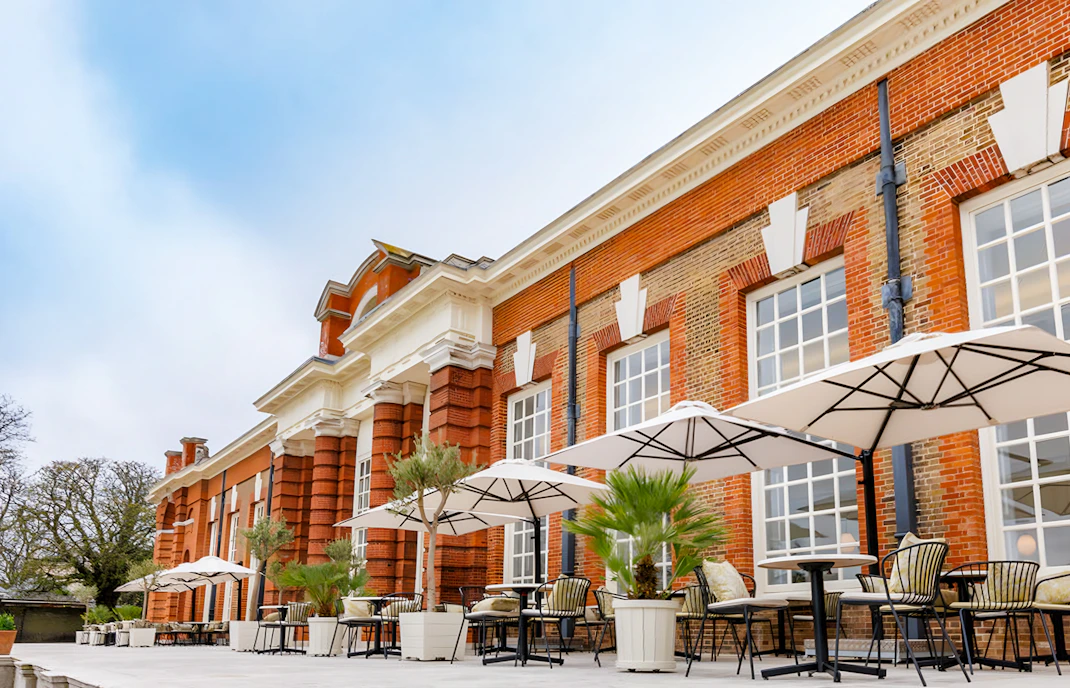
Began as Nottingham House
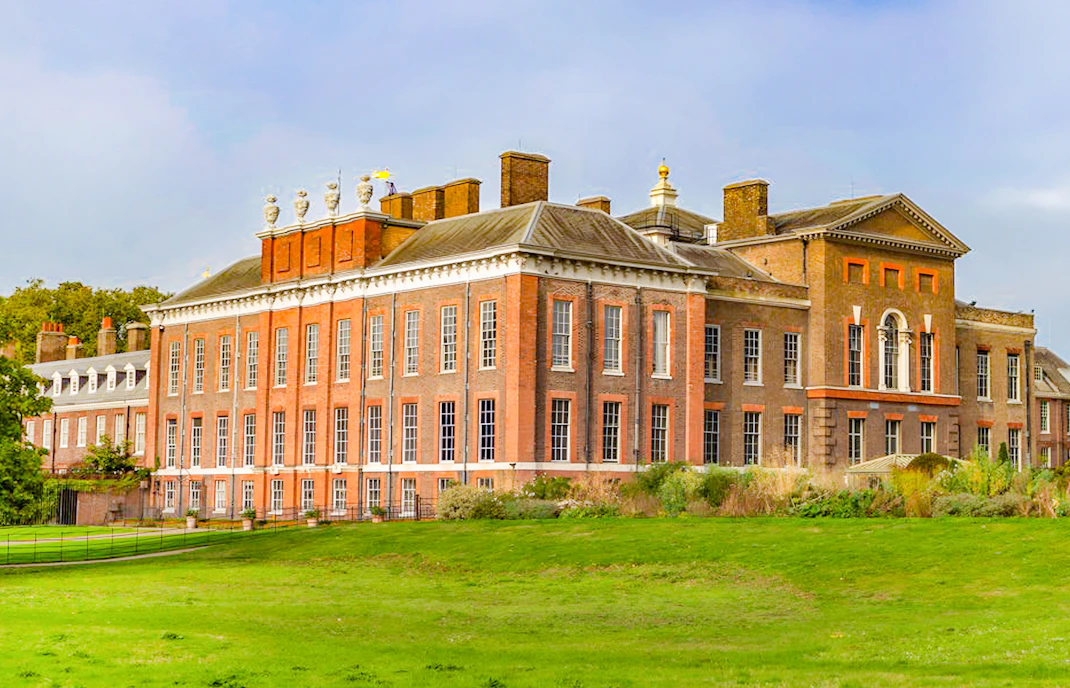
Chosen for Cleaner Air
William III did not choose Kensington for pageantry alone. Because he suffered from asthma, he wanted somewhere with cleaner air than the smoke and damp around Whitehall, so the royal court moved west. A health decision, rather than a ceremonial one, helped create one of London’s best-known palaces for the monarchy.
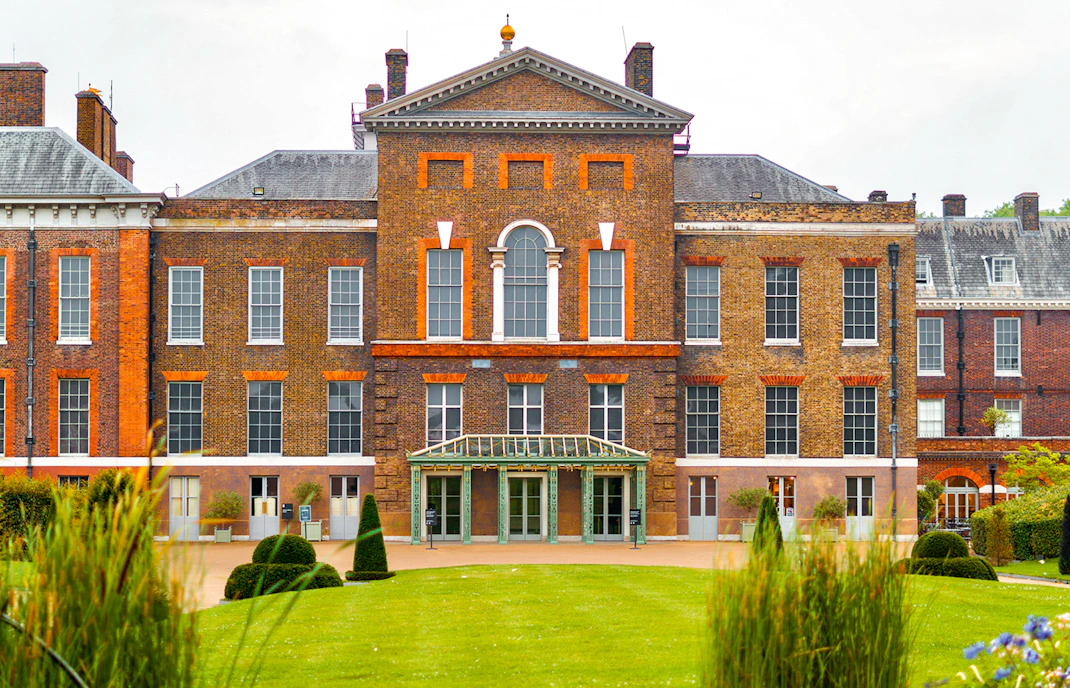
Queen Victoria’s Childhood Home
Queen Victoria was born at Kensington Palace in 1819 and spent her childhood there under the restrictive ‘Kensington System’ designed by her mother and advisers. In June 1837, she also learned at the palace that she had become queen. Few royal buildings are tied so closely to one monarch’s formative years.
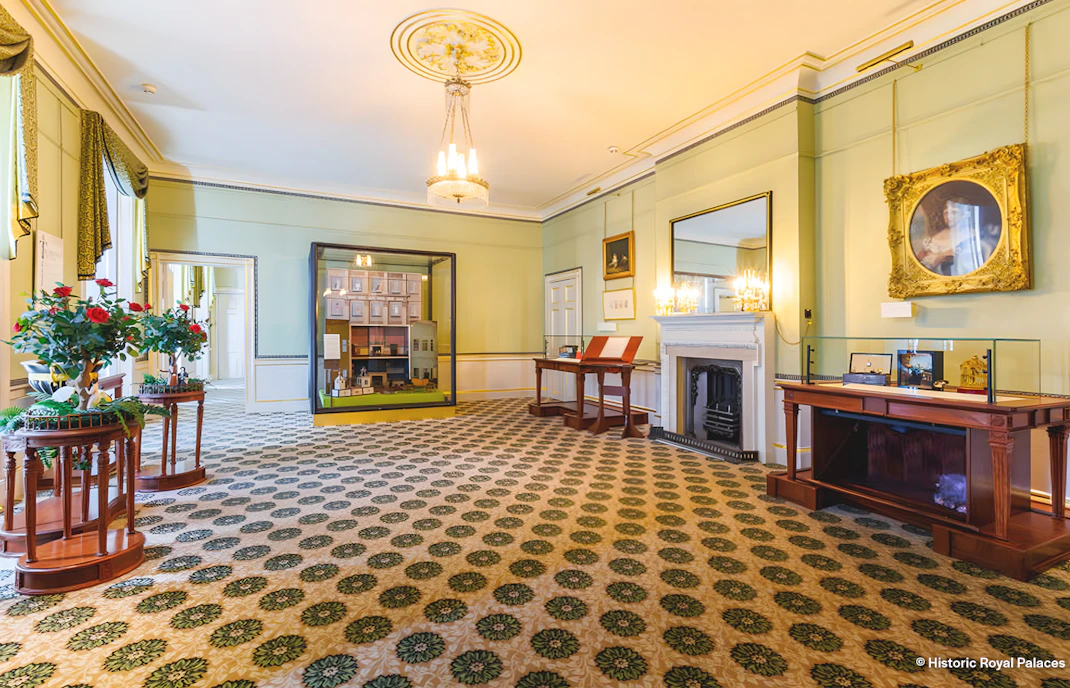
Still a Working Residence
Kensington is not just a museum piece; it remains a working royal residence with private apartments used by members of the royal family. That is why only selected state rooms and exhibition spaces are open to the public. The result is a visit that feels more lived-in than fully ceremonial palaces.
A Self-Portrait on the Staircase
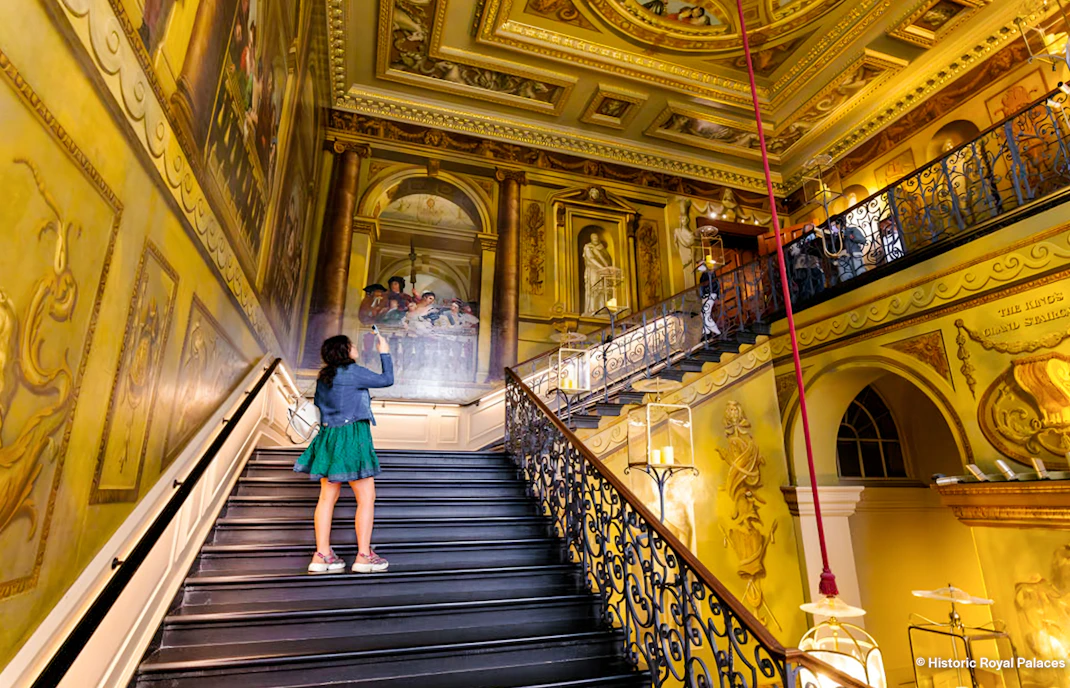
One of the palace’s most theatrical spaces is the King’s Staircase, covered in a large mural by artist William Kent. Rather than painting a tidy allegory, Kent filled it with courtiers, servants, and hangers-on from George I’s world. He even included a self-portrait, quietly placing himself inside palace society on the wall.
Victoria Was Christened Here
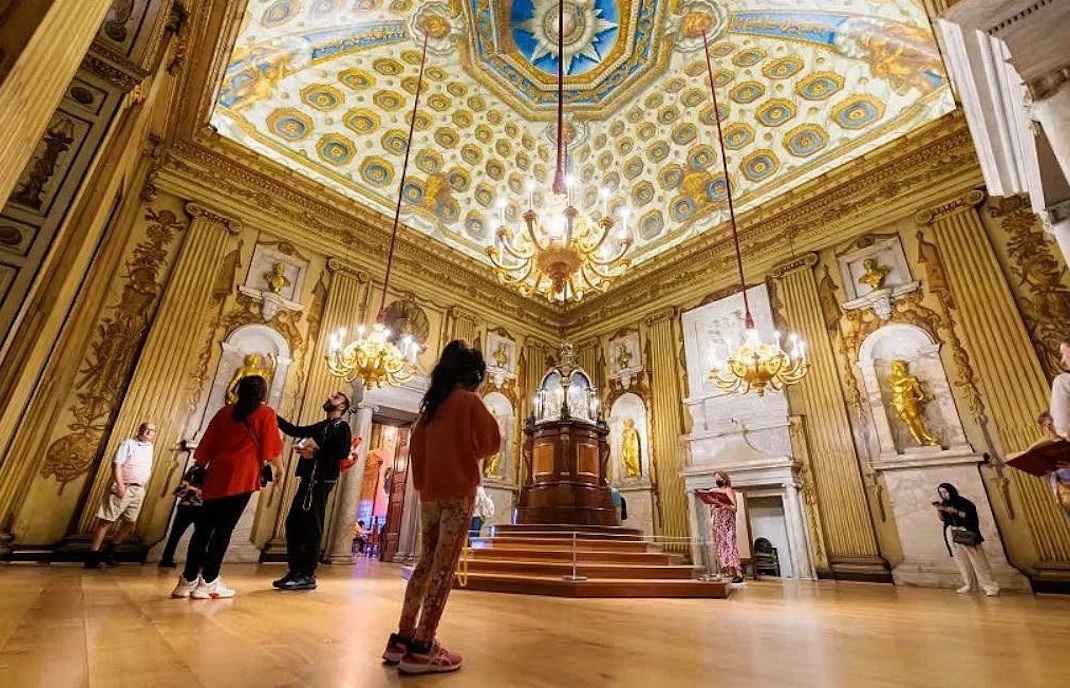
The richly decorated Cupola Room is more than an architectural showpiece. Queen Victoria was christened there in 1819, which gives the room a direct connection to one of Britain’s defining monarchs from the very start of her life. Its ornate ceiling and carving were meant for ceremony, and it still carries that feeling.
Queen Mary II Died Here
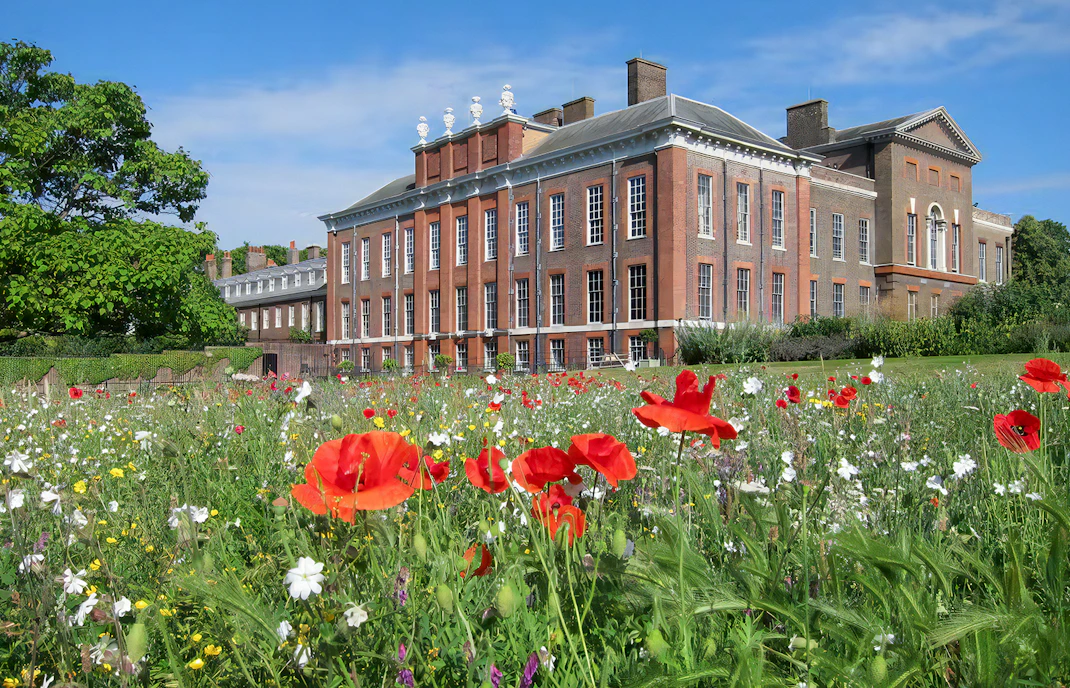
Behind the grandeur, Kensington Palace also witnessed private sorrow. Queen Mary II died there in 1694 after contracting smallpox, linking the quieter Queen’s State Apartments to one of the court’s most tragic episodes. It is a reminder that these rooms were not stage sets; they were lived-in spaces shaped by illness, grief, and family life.
Diana’s Memorial Garden
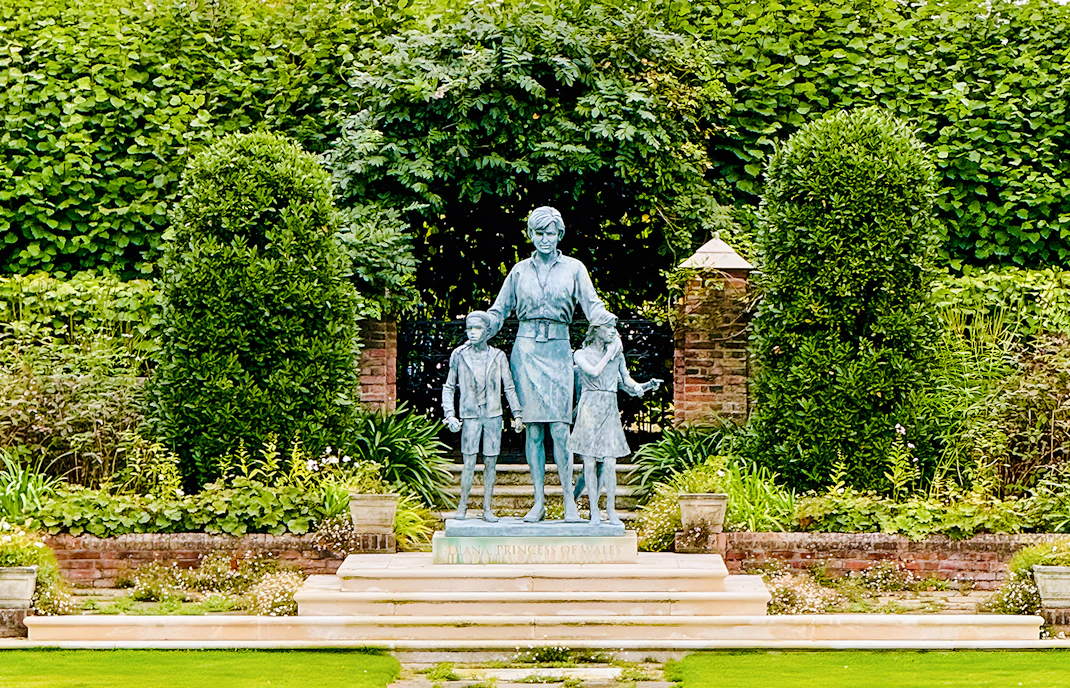
The Sunken Garden was laid out in the early 20th century, but its modern resonance is bound up with Princess Diana. In 2021, Princes William and Harry unveiled a statue of their mother there on what would have been her 60th birthday. That addition turned the garden into both a horticultural landmark and a memorial site.
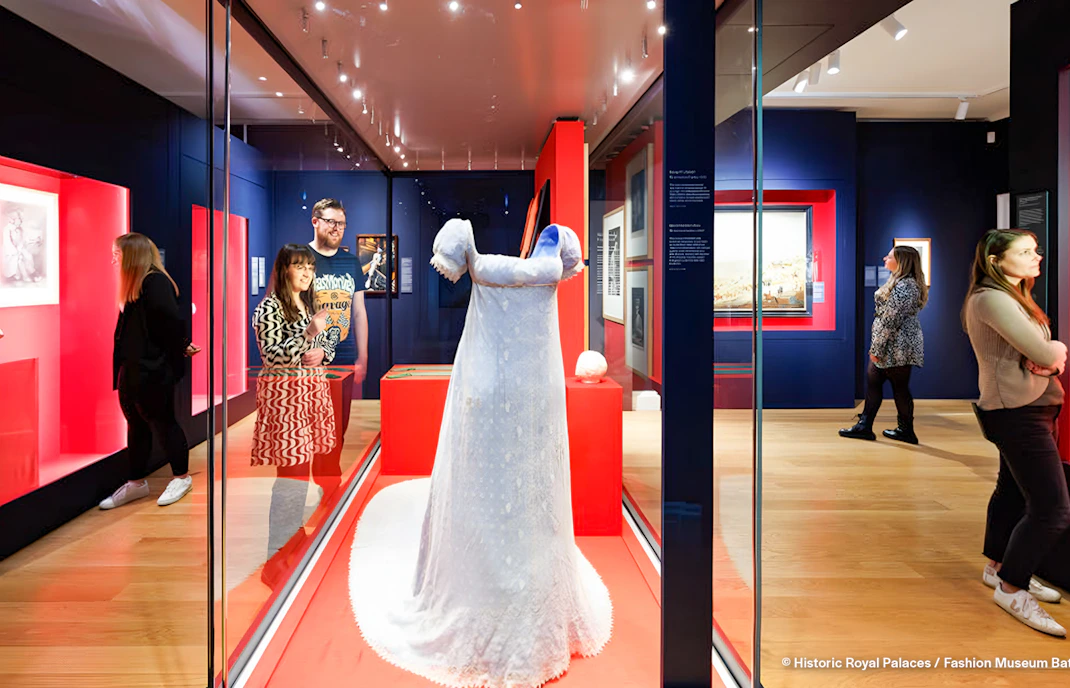
Royal Fashion Found a Home
Over the years, Kensington Palace has become closely associated with royal fashion exhibitions and displays from the Royal Ceremonial Dress Collection. That focus sets it apart from palaces centered mainly on furniture or military spectacle. Clothing, jewelry, and personal accessories reveal rank, taste, and personality in a way portraits alone rarely can.
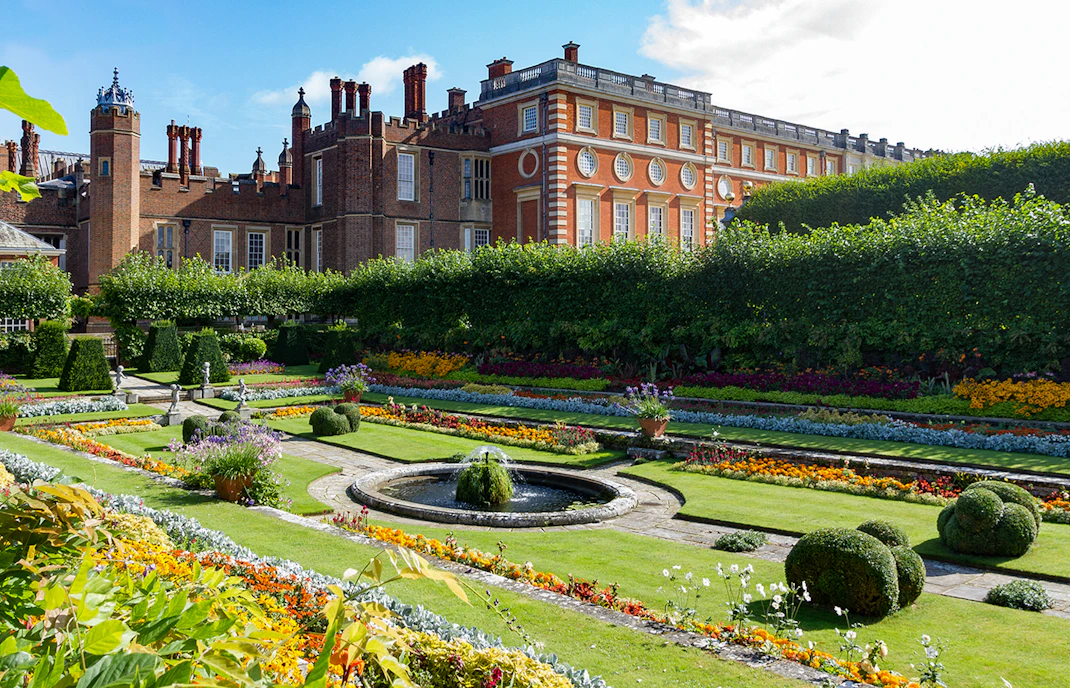
From Private Grounds to Public Park
Kensington Palace once stood within grounds used as private royal gardens, yet Kensington Gardens are now a public park woven into daily London life. That shift changes the whole atmosphere of a visit. You can move from state apartments and royal history to broad paths, ponds, and flower beds without ever feeling cut off from the city.
More Reads
More Reads
Not applicable


