2-min walk (≈150 m) - Royal park paths, flower beds, and palace views - Cost: Free
London
Kensington Palace sits within Kensington Gardens in the Royal Borough of Kensington and Chelsea, on the western edge of central London. From the palace, you’re within a 20-min walk of major museums, royal landmarks, park viewpoints, and easy food stops. If you want to explore near Kensington Palace, around Hyde Park, and close to South Kensington, this guide helps you plan the area without zigzagging across the city.
Top things to do near Kensington Palace

Kensington Gardens

Sunken Garden
3-min walk (≈200 m) - Formal garden with the Princess Diana statue - Cost: Free

Round Pond
5-min walk (≈400 m) - Open water, skyline views, and classic park atmosphere - Cost: Free

Diana Memorial Playground
6-min walk (≈450 m) - Pirate-ship playground loved by families with younger kids - Cost: Free
[Map embed]
Landmarks near `Kensington Palace`

Kensington Gardens
These formal royal gardens wrap around the palace with broad avenues, ornamental plantings, and long sightlines toward the Round Pond. They’re the natural extension of a palace visit and make the whole area feel calmer than busier central London landmarks.
- Distance: 2-min walk (≈150 m)
- Cost: Free
- Tip: Enter the gardens early from Palace Green for the quietest palace façade photos before school groups arrive.
- [Visit guide →]

Sunken Garden
This neatly designed ornamental garden is one of the most meaningful outdoor spaces near the palace, thanks to its seasonal flower displays and the statue of Princess Diana at its center. It’s compact, peaceful, and easy to add before or after touring inside.
- Distance: 3-min walk (≈200 m)
- Cost: Free
- Tip: The perimeter path gives you the cleanest angle on the Diana statue without blocking the garden’s central sightline.
- [Visit guide →]
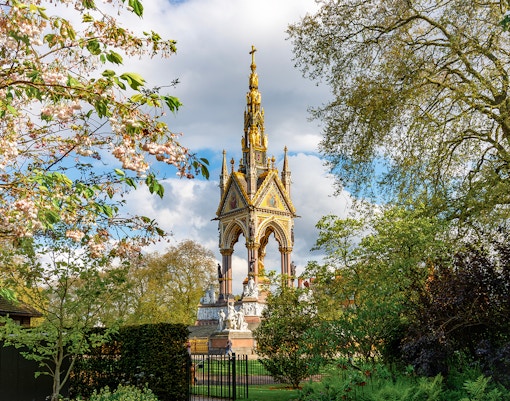
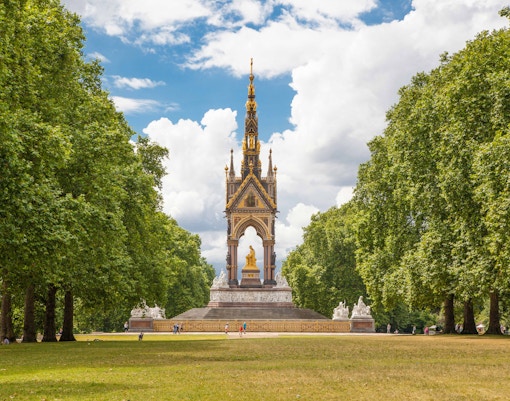
Albert Memorial
Facing Royal Albert Hall across Kensington Gore, this richly decorated Gothic memorial honors Prince Albert with gilded detail, sculptural groups, and strong sightlines back toward the park. It’s one of the area’s most photogenic monuments and rewards a closer look.
- Distance: 12-min walk (≈950 m)
- Cost: Free
- Tip: Walk around to the south side late afternoon, when the gold canopy catches the light better than it does at noon.
- [Visit guide →]

Royal Albert Hall
London’s best-known circular concert venue sits just beyond the gardens and anchors this royal district with its terracotta exterior, grand steps, and packed performance calendar. Even without a concert, it’s worth visiting for the architecture and the setting opposite the memorial.
- Distance: 14-min walk (≈1.1 km)
- Cost: From £18
- Tip: If you’re joining a hall tour, book a morning slot so you can pair it smoothly with South Kensington museums afterward.
- [See options →]
Museums near `Kensington Palace`

Serpentine South Gallery
A contemporary art gallery in a former tea pavilion, Serpentine South is an easy cultural stop from Kensington Palace if you want something current after royal history. Exhibitions rotate regularly, and the building itself feels airy, elegant, and approachable.
- Distance: 10-min walk (≈800 m)
- Cost: Free
- Tip: Check whether the seasonal Serpentine Pavilion is open before you go, as it often adds a second design-focused stop nearby.
- [Visit the exhibits →]

Natural History Museum
This South Kensington classic combines dramatic Romanesque architecture with family-friendly galleries on dinosaurs, Earth science, and wildlife. It’s one of London’s best free museums and a strong rainy-day pairing with Kensington Palace if you want to stay in the same neighborhood.
- Distance: 18-min walk (≈1.4 km)
- Cost: Free
- Tip: Use the Exhibition Road entrance when possible, which can feel less congested than the main front steps at busy midday times.
- [Visit the exhibits →]

Victoria and Albert Museum
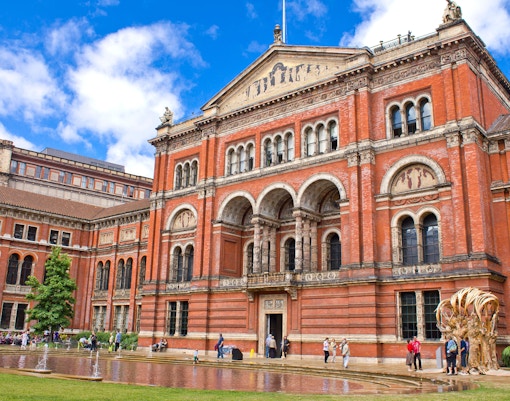
Known for decorative arts, fashion, sculpture, and design, the V&A complements Kensington Palace particularly well because it extends the story from royal interiors into craftsmanship, textiles, and objects. The galleries are broad, varied, and easy to browse in short or long visits.
- Distance: 19-min walk (≈1.5 km)
- Cost: Free
- Tip: Head first to the Fashion Gallery if the palace costumes sparked your interest and you want the strongest thematic follow-on.
- [Discover masterpieces →]
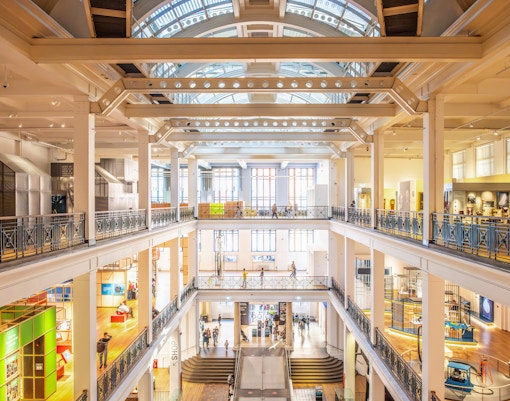
Science Museum
Interactive galleries, transport history, space displays, and hands-on zones make this one of the area’s easiest museum picks for mixed-age groups. It works especially well after Kensington Palace because the visit style is lighter, louder, and more tactile.
- Distance: 20-min walk (≈1.6 km)
- Cost: Free
- Tip: If you’re visiting with children, check timed entry for interactive galleries before lunch, when queues tend to build fastest.
- [Visit the exhibits →]
Where to eat & drink near Kensington Palace

The Orangery
Elegant tearoom dining within the Kensington Palace grounds, with bright interiors and classic table service that fits naturally into a royal visit. It’s the most atmospheric nearby choice if you want a proper pause without leaving the palace setting.
- Distance: 3-min walk (≈200 m)
- Cost: From £20 per person
- Highlight: Afternoon tea is the signature order here; go for the scones with clotted cream if you want the classic experience.
- [Book a table →]

Dishoom Kensington
Bombay-inspired restaurant with vintage interiors, warm booth seating, and a lively all-day menu that works for brunch, lunch, or dinner after the palace. It’s popular, polished, and one of the strongest nearby options if you want something more substantial.
- Distance: 14-min walk (≈1.1 km)
- Cost: £18–30 per person
- Highlight: The house black daal and bacon naan roll are the dishes regulars come back for most.
- [Book a table →]

The Ivy Kensington Brasserie
Stylish British-European brasserie with plush banquettes, polished service, and a broad menu that suits mixed groups. It’s a comfortable fallback when palace sightseeing turns into a longer Kensington afternoon and you want something reliable rather than experimental.
- Distance: 15-min walk (≈1.2 km)
- Cost: £20–35 per person
- Highlight: Their shepherd’s pie is a dependable signature if you want something recognizably British and filling.
- [Book a table →]

Da Mario Kensington
Long-running Italian restaurant with family-style seating and local fame for its royal connection, since Princess Diana reportedly brought Princes William and Harry here. It’s casual enough for families, but still feels like a neighborhood institution rather than a chain.
- Distance: 16-min walk (≈1.3 km)
- Cost: £18–32 per person
- Highlight: Order a simple pizza or pasta here; the appeal is the long-standing neighborhood character as much as the food.
- [Book a table →]
Budget-friendly things to do around Kensington Palace
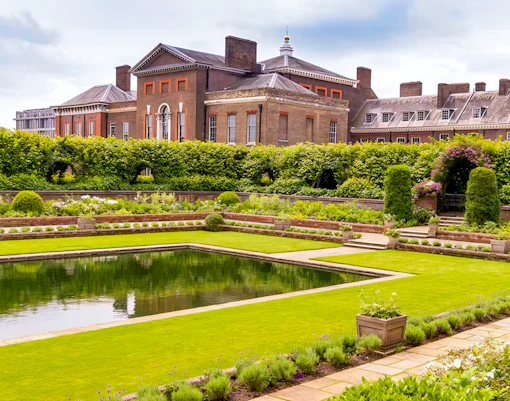
Sunken Garden
This formal garden offers one of the most rewarding free stops near the palace, especially if you want color, symmetry, and a meaningful Princess Diana connection without booking anything. It’s compact enough to fit into even the shortest Kensington itinerary.
- Distance: 3-min walk (≈200 m)
- Cost: Free
- Budget tip: Go before 10am for quieter paths and cleaner photos, especially on weekends when the garden edge gets busier.
- [Visit guide →]

Round Pond
A wide, open basin ringed by paths and benches, the Round Pond gives you breathing room after indoor palace rooms and museum crowds. It’s especially good for families, sketchers, and anyone who wants a relaxed park stop without spending anything.
- Distance: 5-min walk (≈400 m)
- Cost: Free
- Budget tip: Bring a coffee from Kensington High Street and sit on the south side for broad palace-garden views without paying park café prices.
- [Visit guide →]

Diana Memorial Playground
Families staying near Kensington get a genuinely worthwhile free stop here, thanks to the large wooden pirate ship, sand play areas, and enclosed layout. It feels thoughtful rather than token and works well before lunch or after museum time.
- Distance: 6-min walk (≈450 m)
- Cost: Free
- Budget tip: Arrive early in the day during school holidays; the play space is more enjoyable before the mid-afternoon rush.
- [Visit guide →]

Serpentine Galleries
Free contemporary art in the middle of the park gives you a cultural change of pace from royal interiors without adding to the day’s budget. The exhibitions rotate often, so this stop can feel fresh even if you’ve visited Kensington before.
- Distance: 10-min walk (≈800 m)
- Cost: Free
- Budget tip: Pair both Serpentine sites in one walk so you get two gallery visits for the price of a single park detour.
- [Visit guide →]
Gardens and parks near Kensington Palace
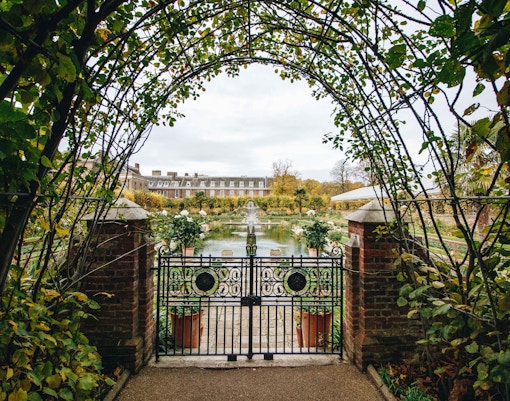
Kensington Gardens
These royal gardens are the palace’s front yard in practical terms, with broad avenues, mature trees, and long lawns that soften the transition between historic rooms and open-air London. They’re ideal when you want calm space without leaving central London.
- Distance: 2-min walk (≈150 m)
- Cost: Free
- Highlight: Walk the Broad Walk north-south axis for the clearest sequence of palace, lawns, and tree-lined royal landscaping.
- [Visit guide →]
Sunken Garden
Formal planting beds, clipped edges, and the Diana statue make this the most purposeful garden stop immediately beside the palace. It feels designed for pause rather than movement, so it’s better for a shorter, reflective visit than a long walk.
- Distance: 3-min walk (≈200 m)
- Cost: Free
- Highlight: Visit in late spring or summer, when the flower displays are fullest and the formal layout reads most clearly.
- [Visit guide →]
Hyde Park
Hyde Park begins to blur into Kensington Gardens, but the feel shifts toward broader open spaces, water views, and city-scale movement. It’s the best nearby choice if you want to extend your day with boating, cycling, or a longer walk beyond the palace zone.
- Distance: 8-min walk (≈600 m)
- Cost: Free
- Highlight: Head toward the Serpentine for a wider, breezier park experience after the more structured palace gardens.
- [Visit guide →]
Diana Memorial Playground
Although designed primarily for children, this landscaped play area doubles as a practical green stop for families who need benches, shade, and enclosed space after touring. It’s one of the few nearby spots that genuinely improves a family itinerary.
- Distance: 6-min walk (≈450 m)
- Cost: Free
- Highlight: The seating edges let adults rest while keeping a full view of the main pirate-ship play structure.
- [Visit guide →]
Public squares, streets, and more near Kensington Palace
Broad Walk
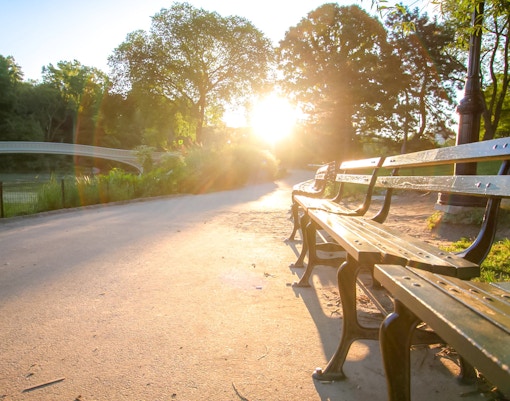
This long, straight avenue through Kensington Gardens gives the palace area some of its ceremonial feel, with mature trees, wide pedestrian space, and a clear royal-park rhythm. It’s more than a path between stops; it helps define the whole setting.
- Distance: 3-min walk (≈250 m)
- Cost: Free
- Highlight: The southern stretch frames the palace particularly well, especially when the tree canopy narrows the view toward the red-brick façade.
- [Visit guide →]

Palace Green
This quiet street edge beside the palace has embassy buildings, large townhouses, and a more residential royal-London atmosphere than the busier nearby shopping streets. It’s useful when you want a calmer approach to the palace than the main garden paths.
- Distance: 4-min walk (≈300 m)
- Cost: Free
- Highlight: The street-side angle gives you a more architectural view of the palace walls than the garden-facing approaches do.
- [Visit guide →]

Kensington High Street
Busy, practical, and lined with shops, cafés, and period-fronted buildings, this is the street you’ll likely use between the palace and the Tube. It’s less picturesque than the gardens, but essential for understanding how the royal site fits real London life.
- Distance: 10-min walk (≈800 m)
- Cost: Free
- Highlight: Detour into the side streets south of the high street for quieter Victorian terraces and a less commercial neighborhood feel.
- [Visit guide →]

Serpentine Bridge
This cast-iron crossing feels open and cinematic, linking the palace side of the park with the busier Hyde Park side over the water. It’s one of the best nearby public spaces for skyline views, reflections, and a sense of scale.
- Distance: 15-min walk (≈1.2 km)
- Cost: Free
- Highlight: Face east from the bridge in softer evening light for layered water, tree, and city views without heavy glare.
- [Visit guide →]
Adventure activities/Outdoor activities near Kensington Palace
Not applicable.
Nightlife/Evening Activities
Not applicable.
Family-friendly experiences

Kensington Palace
The palace itself works well for families because it’s compact, stroller-accessible, and easy to visit without the long march some larger London attractions demand. The royal backstory, Victoria rooms, and gardens give children enough variety to stay engaged.
- Distance: 1-min walk (≈50 m)
- Cost: From £21
- Tip: Pick up the audio guide early; distribution closes at 3pm, and later arrivals miss one of the best family-friendly planning tools.
- [Book tickets →]
Diana Memorial Playground
This large, enclosed play area is the best kid-focused stop near the palace, with a wooden pirate ship, sand, and imaginative play zones that feel substantial rather than decorative. It’s an easy energy break between sightseeing stops.
- Distance: 6-min walk (≈450 m)
- Cost: Free
- Tip: Go before lunch if you want the ship area before local families and school-holiday crowds fill it up.
- [Visit guide →]

Science Museum
Hands-on galleries, transport displays, and family-focused exhibits make the Science Museum one of the safest nearby bets when you need something interactive after a more traditional palace visit. It’s especially useful for rainy weather or mixed-age groups.
- Distance: 20-min walk (≈1.6 km)
- Cost: Free
- Tip: If your children prefer pressing buttons to reading labels, prioritize interactive zones first and save quieter galleries for later.
- [See interactive exhibits →]

Natural History Museum
From giant skeletons to geology and wildlife displays, this museum gives families a dramatic change of pace from royal rooms and gardens. It’s one of the strongest rainy-day pairings with Kensington Palace and keeps younger visitors engaged quickly.
- Distance: 18-min walk (≈1.4 km)
- Cost: Free
- Tip: The dinosaur galleries attract the biggest crowds, so start there if that’s your main draw and backtrack afterward.
- [Visit the museum →]
Seasonal events
Not applicable.
Shopping near the Kensington Palace

Kensington High Street
This is the palace area’s main shopping corridor, mixing familiar British brands, department-style retail, and practical stops for anything you forgot before or after sightseeing. It’s most useful for convenience, but the architecture and neighborhood feel still make it pleasant to browse.
- Distance: 10-min walk (≈800 m)
- Cost: Browse free; items £10–250 per piece
- Highlight: Most stores open from late morning into early evening; weekday mornings feel calmer than Saturday afternoons.
- [Visit guide →]

Kensington Church Street
Known for antiques, interiors, art, and specialist shops, this street offers a more characterful browsing experience than the high street chains. It’s a good detour if you want something that feels rooted in the neighborhood rather than purely practical.
- Distance: 12-min walk (≈950 m)
- Cost: Browse free; items £10–500+ per piece
- Highlight: Window-shop first, then dip into antique dealers selectively; stock varies widely, and prices rise quickly for standout pieces.
- [Visit guide →]
South Kensington museum shops
The museum quarter’s design-led gift shops are useful if you want books, prints, stationery, or well-made souvenirs after a palace-and-museum day. They feel more curated than generic tourist stores and are easy to add to an Exhibition Road route.
- Distance: 19-min walk (≈1.5 km)
- Cost: Browse free; items £5–80 per item
- Highlight: Save souvenir shopping for the end of the day so you’re not carrying books or prints through the palace gardens.
- [Visit guide →]
Portobello Road Market
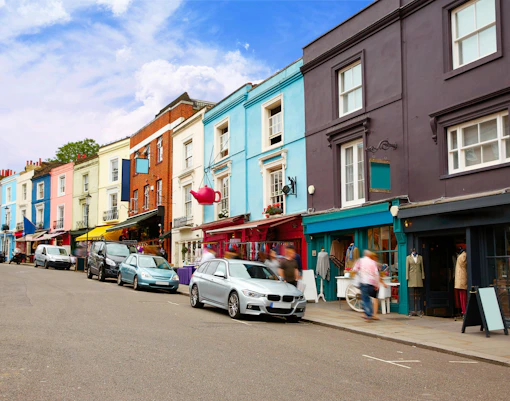
If you want a more atmospheric shopping detour from Kensington, Portobello Road brings antiques, fashion, bric-a-brac, and street-market energy. It’s a broader neighborhood outing rather than a quick palace add-on, but it pairs well with west London exploration.
- Distance: short metro ride
- Cost: Browse free; items £2–300+ per item
- Highlight: Go on market mornings for the fullest experience; weekdays feel lighter, but the broadest stall mix comes on busier trading days.
- [Visit guide →]
Get the audio guide early: Audioguide handout at Kensington Palace closes at 3pm, so late arrivals miss one of the easiest ways to understand the State Apartments and Victoria rooms without joining a formal tour.
Use the park strategically: Kensington Gardens looks compact on a map, but walks between the palace, Serpentine, and South Kensington museums add up. If you’re museum-hopping afterward, wear comfortable shoes and budget extra transfer time.
Pick one museum, not three: The Natural History Museum, V&A, and Science Museum sit close together, but trying to do all of them after Kensington Palace usually turns the day into a checklist rather than an enjoyable route.
Book tea or combos in advance: Afternoon tea and bundled tickets sell better than standard walk-up add-ons, especially on weekends. Pre-booking also helps you shape the day around a fixed meal or second attraction.
For families, break the day outdoors: The Diana Memorial Playground and Round Pond work well between indoor stops. That reset matters more than squeezing in one extra gallery when you’re traveling with younger children.
Use TfL Go or Citymapper before setting out: Live transit apps are especially helpful if rain changes your plan or you decide to swap a garden walk for a museum-heavy afternoon.
