Long before it was a palace, this was Nottingham House, a private Jacobean mansion on London’s healthier western edge. Its quiet location later made it especially appealing to William III, who wanted to escape the smoky city.
Kensington Palace history explained
Few London palaces feel this personal: inside these red-brick rooms, an 18-year-old Victoria learned she was queen. Today, you can follow more than 300 years of royal history through state apartments, gardens, and exhibitions that make big events feel surprisingly close.
Kensington Palace timeline
- c.1605: Nottingham House built — A Jacobean country mansion rises in what was then a village outside London.
- 1689: Royal purchase — William III and Mary II buy the house and turn it into a royal residence.
- 1690s: Wren expands the palace — Sir Christopher Wren enlarges the building for a more comfortable court.
- 1694: Mary II dies here — The queen dies at Kensington Palace after contracting smallpox.
- 1702: William III dies here — The palace remains central to royal life after his death.
- 1760: End of an era — George II dies here, the last reigning monarch to live at Kensington.
- 1819: Victoria is born — The future queen is born and raised inside the palace.
- 1837: Accession at Kensington — Victoria learns she has become queen in her rooms here.
- 1899: Public opening — State Apartments open to visitors, beginning the palace’s museum era.
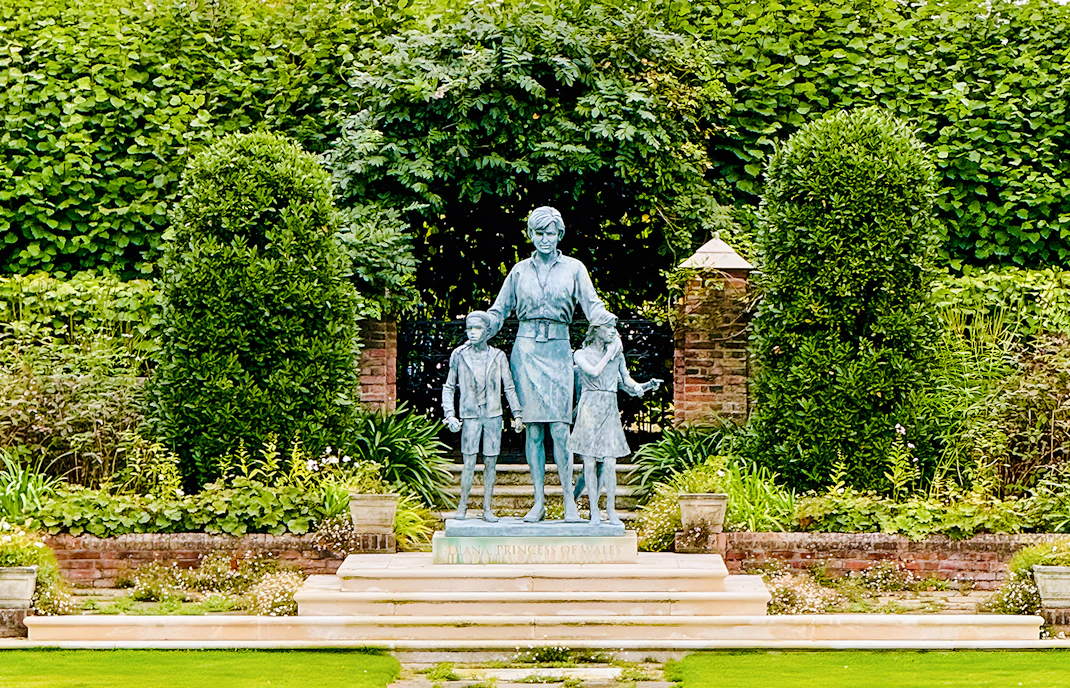
- 2021: Diana statue unveiled — A memorial to Diana, Princess of Wales, is installed in the Sunken Garden.
Kensington Palace's history explained
Country house origins (c.1605–1689)
A center of royal power (1689–1760)
Once William III and Mary II moved in, Kensington became a true court palace. Under the early Hanoverians, politics, ceremony, and dynastic drama played out here, which is why the State Apartments still feel designed for display as much as daily life.
Victoria’s formative world (1819–1837)
Kensington became famous again as the childhood home of Princess Victoria. Her strict upbringing under the ‘Kensington System’ gives the palace much of its emotional pull today, because the rooms you visit are tied to one of Britain’s defining monarchs.
From private residence to public memory (1899–today)
Public access transformed Kensington from a domestic royal home into a place of shared heritage. Later residents, especially Princess Margaret and Diana, Princess of Wales, gave it modern relevance that still shapes what many visitors come here to understand.
Construction and architecture of Kensington Palace
Built from the core of Jacobean Nottingham House and enlarged after 1689 by Sir Christopher Wren, Kensington Palace blends an older country-house structure with elegant royal additions. Its red-brick exterior feels restrained compared with grander palaces, but inside you’ll find ceremonial staircases, richly decorated State Apartments, and the remarkable Cupola Room. Later Georgian updates and modern conservation work help explain why the palace feels both stately and lived-in — something you notice throughout the interiors and gardens.
Key historic rooms and exhibitions you can see today
If you want the palace’s story to click while you visit, focus on these spaces first:
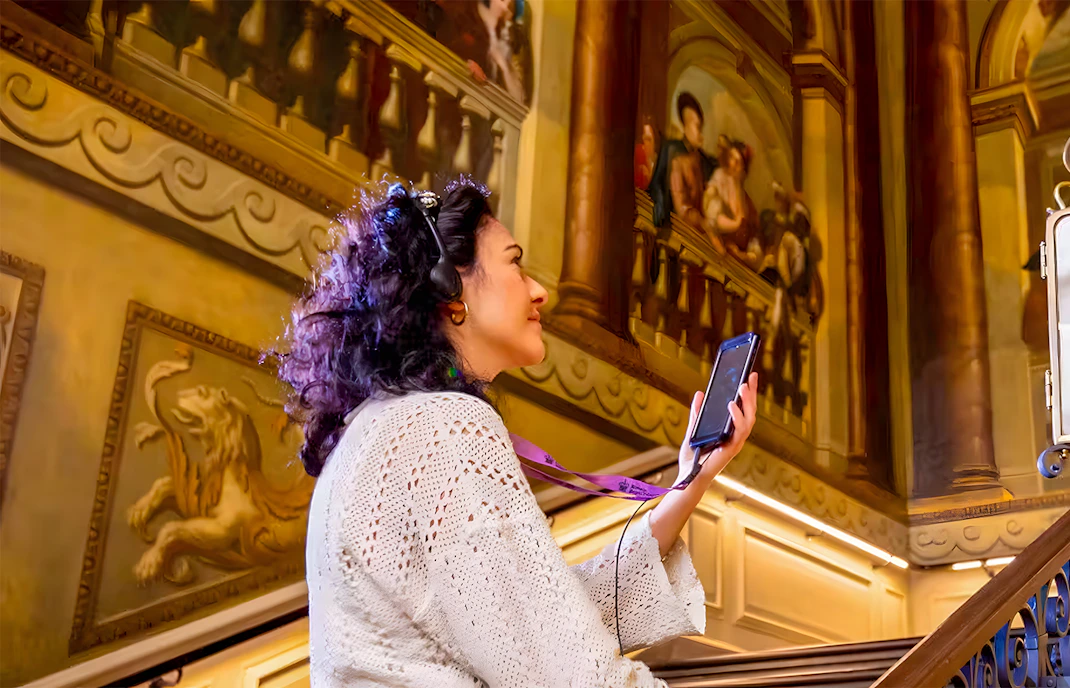
- King’s Staircase — Painted with a lively court scene, it sets the tone for Kensington’s role as a place of status and performance.
- King’s State Apartments — These rooms show how monarchs projected authority in the late 17th and early 18th centuries.
- Cupola Room — One of the palace’s most beautiful interiors, closely tied to royal ceremony and early Georgian design.
- Queen’s State Apartments — More intimate than the king’s rooms, these spaces reveal the private side of court life. Check current closures before your visit.
- Victoria: A Royal Childhood — The clearest link between the palace and Queen Victoria’s early life.
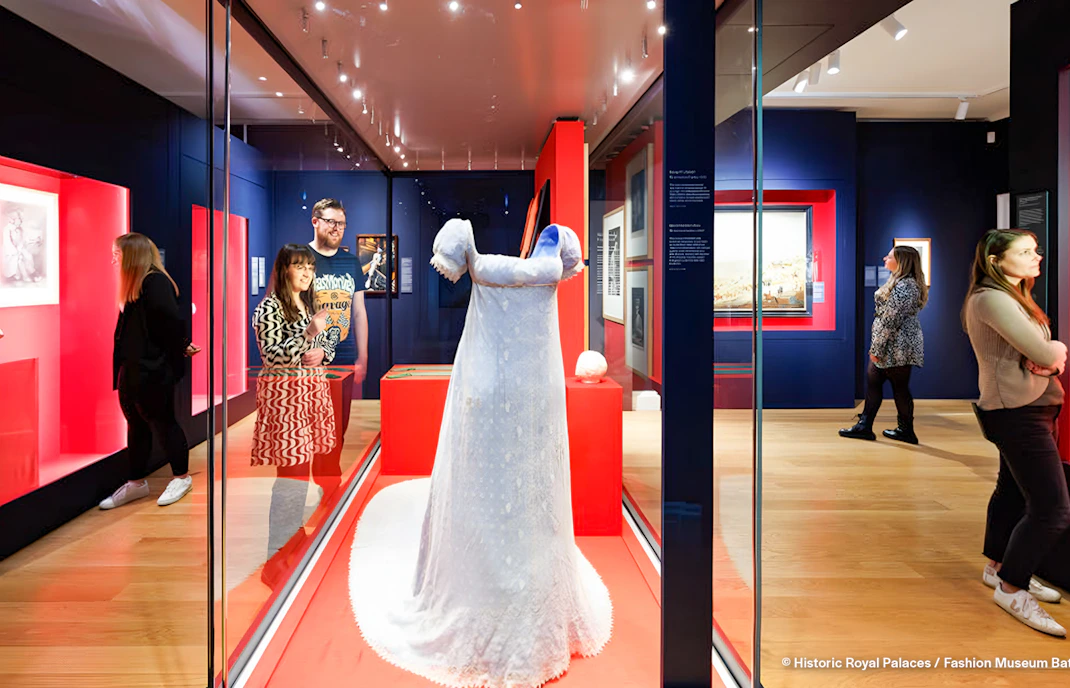
- Jewel Room and temporary exhibitions — These displays help connect palace history with royal dress, identity, and lesser-told lives at court.
- Sunken Garden and Diana statue — Best for understanding the palace’s modern emotional legacy.
Kensington Palace compared with other royal residences
Kensington’s story is easier to grasp when you place it beside London’s other royal sites.
| Residence | Main era and mood | Key figures | Historical role |
| --- | --- | --- | --- |
| Kensington Palace | Late Stuart, Georgian, and modern royal domestic life | William III, Mary II, Queen Victoria, Princess Diana | Intimate royal residence, childhood home, and living memorial site |
| Buckingham Palace | Mostly 19th century onward | Queen Victoria, later monarchs | Formal administrative and ceremonial London residence |
| Tower of London | Medieval to Tudor power | William the Conqueror, Henry VIII | Fortress, prison, treasury, and symbol of state authority |
| Hampton Court Palace | Tudor and Baroque spectacle | Henry VIII, William III | Grand dynastic palace with stronger court and garden scale |
The key difference is tone. Buckingham Palace is ceremonial, the Tower of London is political and martial, and Hampton Court is theatrical. Kensington feels more personal — the place where private lives shaped public history.
Myths, scandals, and lesser-known stories
Kensington Palace has its share of dramatic stories, but it helps to separate legend from fact.
- It was not always the monarch’s main London home. Kensington was central in the late 17th and 18th centuries, but Buckingham Palace later took over that role.
- Victoria’s childhood here was genuinely restrictive. The ‘Kensington System’ was a real regime of supervision, not just a dramatic modern label.
- The palace is tied to very human endings as well as grand beginnings. Mary II died here in 1694, and George II died here in 1760.
- Diana’s connection is not just symbolic. Kensington Palace was her London home, which is why the Sunken Garden memorial carries real weight for many visitors.
A 60–90 minute historical highlights route
If you have limited time, this route gives you the strongest sense of the palace’s past:
Start at the King’s Staircase and King’s State Apartments — 20–25 min
Best for the early royal court story.Pause in the Cupola Room — 5–10 min
One of the palace’s architectural high points.Head to Victoria: A Royal Childhood — 20 min
The emotional core of the visit for many first-time visitors.See the Queen’s side and current exhibitions — 15–20 min
Focus on the rooms or displays open on the day.Finish in the gardens — 15 min
Walk to the Sunken Garden and Diana statue for the palace’s modern chapter.
Tips for exploring Kensington Palace history
- Go early on a weekday if you want quieter rooms and more time with the displays.
- Use the Audioguide if available to you. With Kensington Palace Tickets, you can access a multilingual Audioguide, and on-site device handout typically closes at 3pm.
- Treat exhibitions as part of the history, not an extra. Fashion and identity displays often explain royal lives better than furniture alone.
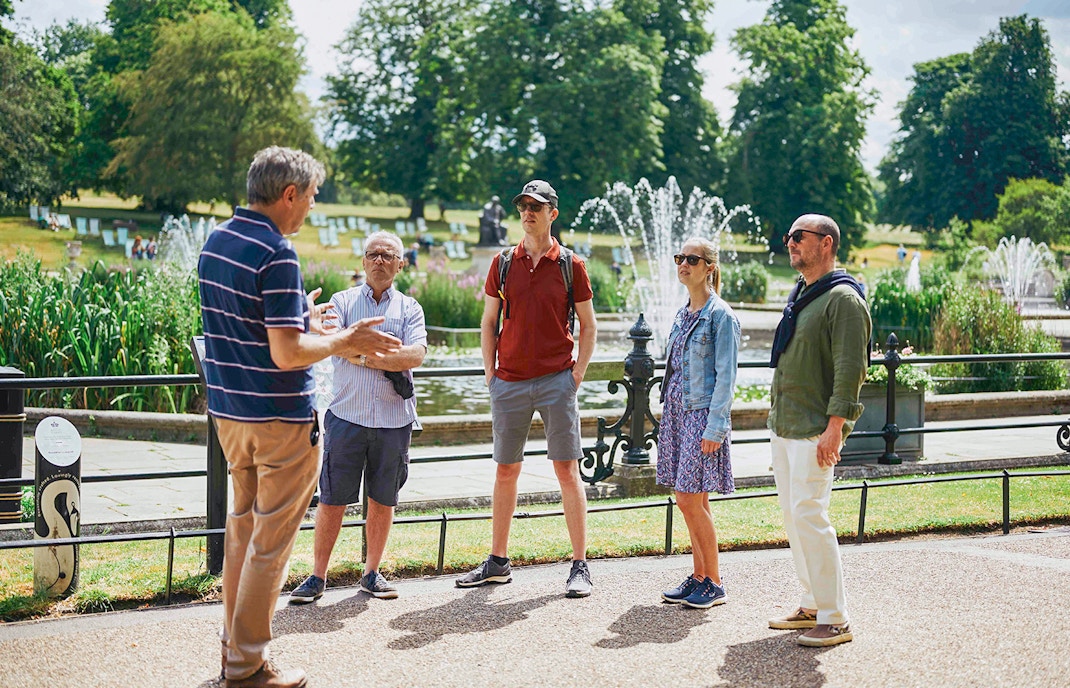
- Choose the right experience for your style. Kensington Palace Tickets are best for indoor history and self-paced exploration. Royal Afternoon Tea at Kensington Palace with Walking Tour of the Gardens suits you better if you want guided storytelling outdoors, but it does not include palace entry.
- Compare eras if royal history is your theme. Combo (Save 5%): Tower of London + Kensington Palace Tickets or 3 Palace Pass (Tower of London + Hampton Court Palace + Kensington Palace) helps you understand how fortress, court, and domestic palace histories differ in London.
- Pair the visit with Kensington Gardens. The landscape around the palace explains why this residence felt healthier, quieter, and more private than central London alternatives.
Kensington Palace today – Why it matters
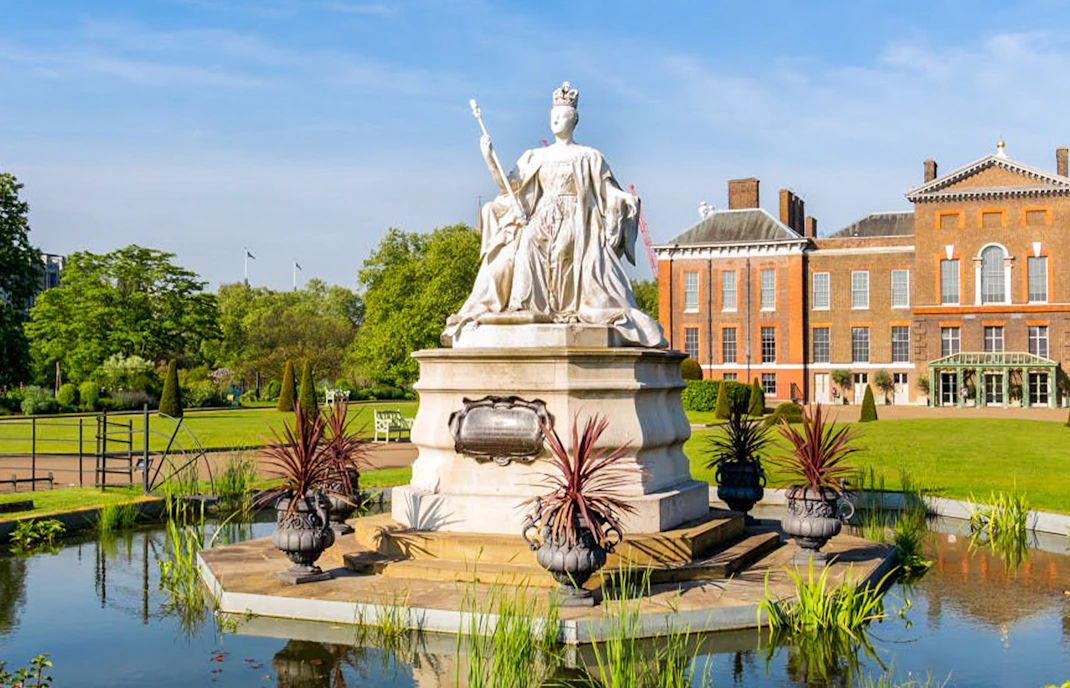
Today, Kensington Palace is both a historic visitor attraction and a working royal residence, managed by Historic Royal Palaces. You can explore the King’s State Apartments, selected Queen’s rooms, the Jewel Room, palace gardens, and exhibitions such as Victoria: A Royal Childhood, with seasonal displays adding fresh context. Its importance now lies in that rare mix of intimacy and continuity: this is not just a preserved shell, but a place where royal stories still feel personal. For broader context, continue to the About Kensington Palace or main visitor guide page.
Frequently asked questions about Kensington Palace's history
It began as Nottingham House around 1605 and became a royal palace in 1689.
He wanted a healthier residence away from smoky central London, and the house was expanded for royal use.
William III, Mary II, Queen Anne, George I, George II, and the young Queen Victoria are all closely tied to it.
Yes. She was born there in 1819 and learned of her accession there in 1837.
Yes. It was her London home for years, which is why the palace remains strongly associated with her legacy.
Yes. Its core dates to the early 17th century, while Buckingham Palace developed later from Buckingham House.
Victoria’s childhood rooms are the most emotionally direct, while the King’s State Apartments best explain royal power and display.
Usually, yes. Displays are strong, and Kensington Palace Tickets include access to a multilingual Audioguide that adds useful context.


