









Top things to do in London

Quick overview
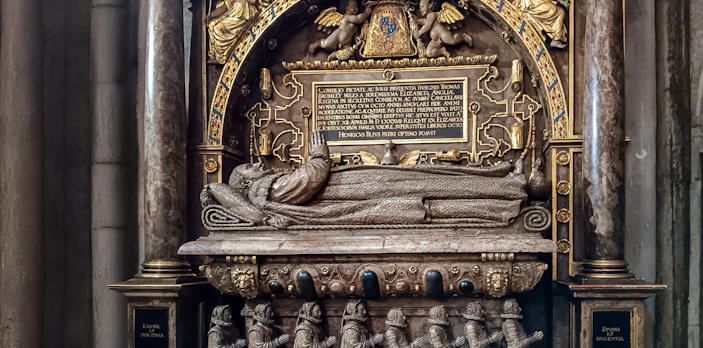
  • Access: Included in all Westminster Abbey tickets
  • Separate ticket: Not required
  • When you'll see it: Start of the Abbey route, just inside the Great West Door
  • Visit duration: 5–10 min self-guided / 10–15 min with guide
  • Best time: First weekday entry slot, when the nave is quieter and you can pause without blocking the main aisle
  • Restrictions: No photography inside the Abbey. Respectful behavior expected at the tomb.

The Tomb of the Unknown Warrior is included with all Westminster Abbey tickets. No separate ticket is needed. You’ll see it almost immediately after entering through the Great West Door, set into the nave floor, and every visitor passes it as part of the main route. Book a guided Abbey tour if you want the strongest historical context right at the start, or use the included multimedia guide to understand it before the rest of the Abbey unfolds around you.

How to best experience Tomb of the Unknown Warrior
Best time to visit
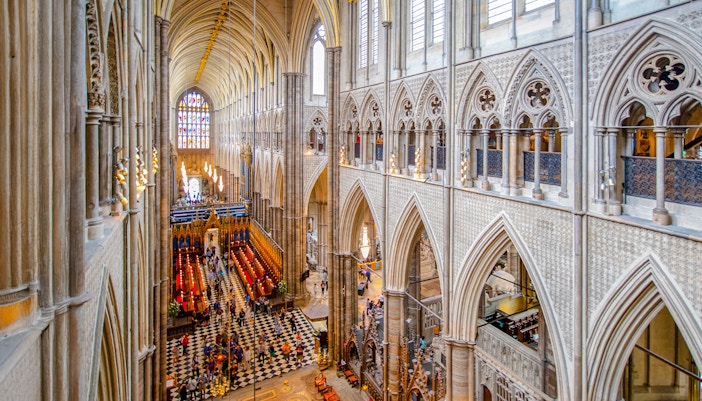
Aim for the first weekday entry slot. You’ll see the tomb before the nave fills, and you’ll have enough space to read the inscription without holding up the aisle. Avoid late morning if you want a quieter first impression.

How long to spend

Plan 5–10 minutes at the tomb itself, and 15–20 minutes if you also want the nearby memorials in the nave. Guided visits move faster but add context. If you rush past on entry, circle back before leaving.

Where it fits in your itinerary

You encounter it almost immediately after entering through the Great West Door, before Poets’ Corner and the eastern chapels. That makes it an anchor point, not an afterthought. Start slowly here instead of hurrying deeper into the Abbey.

Crowd patterns

This area stays busy because everyone passes it. Congestion builds from about 11am, when school groups and mid-morning timed entries overlap. Early slots let you stop without being ushered along, so don’t save your visit for the peak.

What to prioritize if time is short

Read the brass inscription around the stone, notice how visitors walk around rather than over it, and look for the poppy tributes nearby. If time is tight, skip lingering at the entrance bottleneck, not this memorial.

Common mistakes to avoid

Most visitors glance down once and move on without understanding why the stone is set apart. Pause long enough to read it fully. Also, don’t step onto the tomb or raise a camera inside the Abbey.

Best tickets to experience Tomb of the Unknown Warrior

Ticket typeWhy choose it

Standard timed entry

Best if you want to pause at the tomb on arrival and again on exit, using the Abbey multimedia guide for context.

Guided tour with skip-the-line entry

Best for understanding the tomb’s wartime symbolism before the rest of the Abbey’s memorials blur together.

Guided Abbey tour with Changing of the Guard

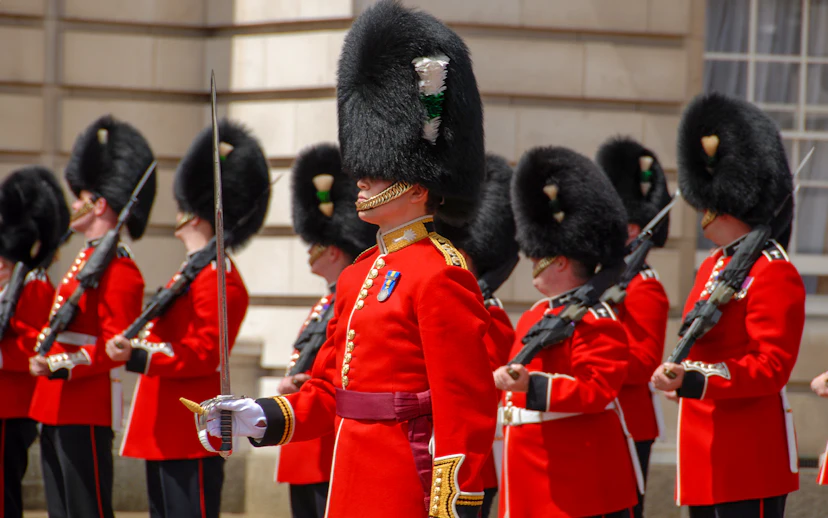
Best if you want the tomb framed within a wider royal and ceremonial Westminster day.

Why it’s worth seeing

The Tomb of the Unknown Warrior is unlike the royal graves around it because it commemorates someone whose name was deliberately left unknown, making the memorial stand for thousands rather than one life. Most visitors don’t realize it is the only stone in Westminster Abbey that people do not walk over. Before you move on, look for the details that make this small space one of the Abbey’s most emotionally direct memorials.

The stone itself: look down on entry

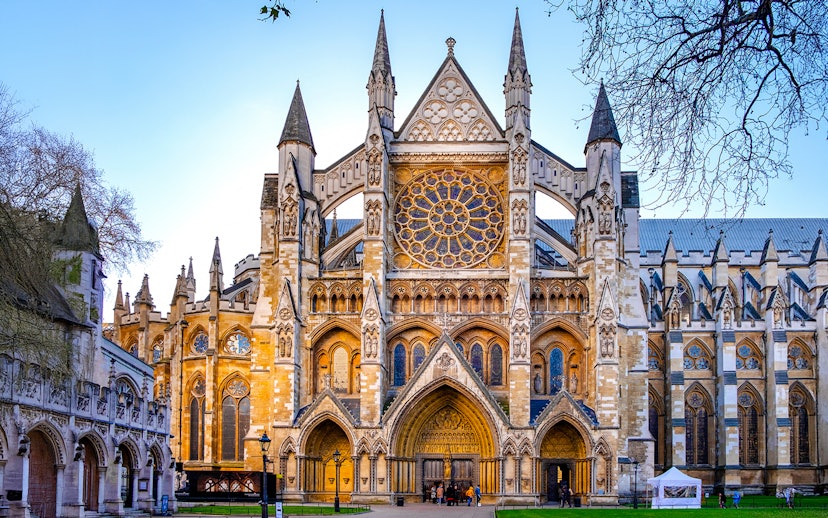
Just inside the Great West Door, the tomb sits directly in the nave floor, so it’s easy to miss if you’re looking ahead. Stop a few paces inside the entrance. Its dark stone and surrounding brass inscription immediately set it apart.

The inscription: read the brass border fully
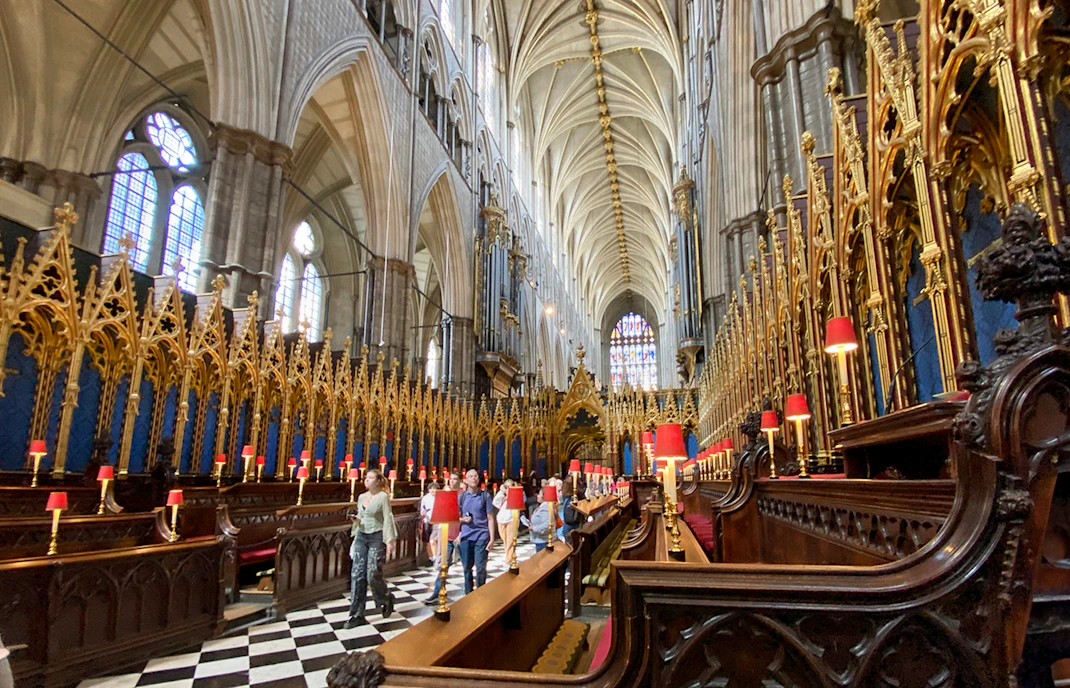
The meaning is in the words around the slab, not only the stone itself. Stand to one side of the tomb and read the brass text in a full circuit. It explains why an unidentified soldier was buried here among monarchs.

The empty space around it: notice how people move

One of the clearest signals of the tomb’s status is behavioral, not architectural. Watch how visitors and staff route movement around it rather than across it. That respectful gap changes how the whole west end of the Abbey feels.

Historical and cultural significance

Since 1920, the Tomb of the Unknown Warrior has honored an unidentified British soldier brought from the First World War battlefields in France and buried in Westminster Abbey among kings and queens. It transformed the Abbey’s nave into a national site of remembrance, not only a royal one. The tomb still plays an active role in commemorations, especially around Remembrance events and state observances.

👉 Explore the full history of Westminster Abbey

Notable figures

David Railton | Army chaplain

While serving on the Western Front, Railton discovered a grave marked by a simple wooden cross reading, "An Unknown British Soldier." This profoundly moving sight inspired his campaign for a national monument in London.

Herbert Ryle | Dean of Westminster

Ryle enthusiastically embraced Railton’s idea when the government initially hesitated. He astutely recognized that burying the soldier within the Abbey would offer immense, national spiritual comfort to grieving families.

#

George V | King of the United Kingdom

Though initially reluctant, King George V ultimately championed the tribute. He acted as chief mourner at the 1920 ceremony, famously dropping a handful of French soil onto the casket.

Know before you go

  • Sightseeing days: Monday to Saturday; the tomb is seen during Westminster Abbey sightseeing hours.
  • Entry windows: Weekdays typically use 9:30am–12pm and 12pm–3pm timed slots; Saturdays typically use 9am–12pm and 12pm–2:30pm.
  • Last entry: Usually 1 hour before closing, but access can change on service days.
  • Sunday: No tourist sightseeing; worship only.
  • Address: Westminster Abbey, 20 Deans Yd, London SW1P 3PA, United Kingdom.
  • Nearest subway: Westminster station, about a 2-minute walk from the Abbey entrance.
  • Entry point: Enter through the Abbey visitor entrance; the tomb lies just inside the Great West Door in the nave.
  • Time to reach it: Usually 5–10 minutes from the security line to the tomb, depending on crowds.
  • Direct access: No separate entrance exists for the tomb; you see it as part of the Abbey route.
  • Wheelchair access: Westminster Abbey is partially wheelchair accessible.
  • Tomb area: The tomb is set into the main nave floor, which is the most straightforward part of the route for visitors with limited mobility.
  • Accessible support: Braille and a hearing loop system are available at the Abbey.
  • Assistance animals: Guide dogs are welcome.
  • Additional help: Westminster Abbey provides free tickets for disabled visitors; check access arrangements before arrival.
  • Recommended: Modest, respectful clothing is best because Westminster Abbey is an active place of worship.
  • Not advised: Clothing with offensive slogans, beachwear, or overly revealing outfits can feel out of place inside the Abbey.
  • Services: If you are also attending worship, dress more conservatively than you would for a standard museum visit.
  • Enforcement: The Abbey does not publish a strictly enforced tourist dress code, but staff expect respectful presentation.
  • Practical tip: Bring an extra layer if you want to feel comfortable moving from sightseeing areas into quieter memorial spaces.
  • Photography: Photography is not allowed inside Westminster Abbey; flash photography is specifically prohibited.
  • Behavior: Keep voices low near the tomb and avoid treating the nave like a photo stop.
  • Tomb etiquette: Do not step onto the tombstone; visitors are expected to walk around it.
  • Bags and items: Large bags, suitcases, food, alcohol, drones, weapons, and noisy items are not permitted.
  • Conduct: Staff may intervene if rules are ignored, especially around photography or disruptive behavior.
  • Walking required: The tomb itself does not require stairs or climbing.
  • Standing time: Expect to stand while viewing it, especially when the entrance area is busy.
  • Route difficulty: Easy at the tomb itself; the wider Abbey visit involves more walking than this single stop.
  • Crowd effect: The main challenge is maneuvering through the entrance flow, not physical exertion.
  • Rest options: Benches and quieter pause points are easier to find later in the Abbey than at the tomb entrance.

Frequently asked questions about Tomb of the Unknown Soldier

Yes. Entry to the Tomb of the Unknown Warrior is included with every valid Westminster Abbey ticket. No separate ticket exists.

More reads