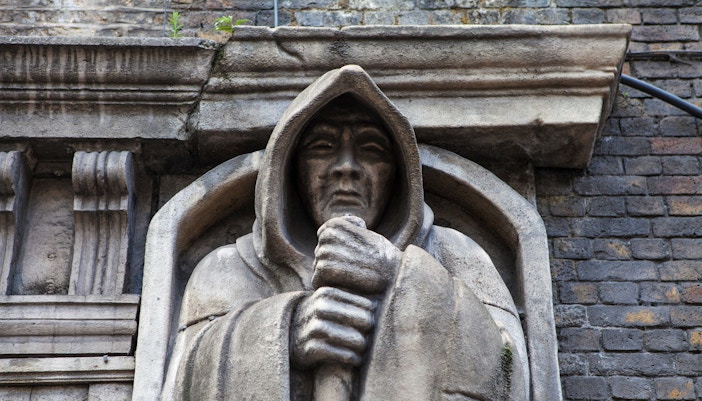
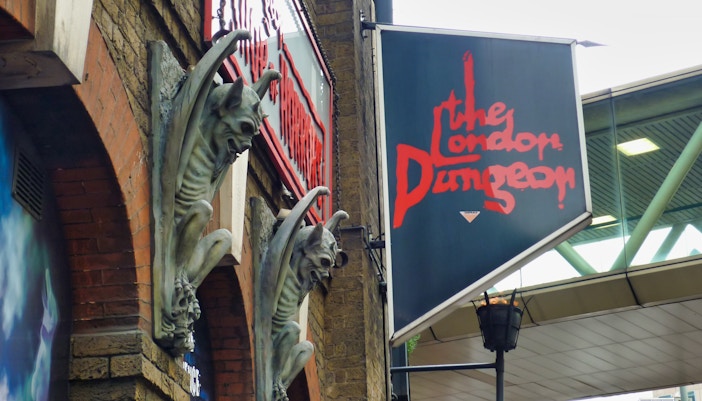
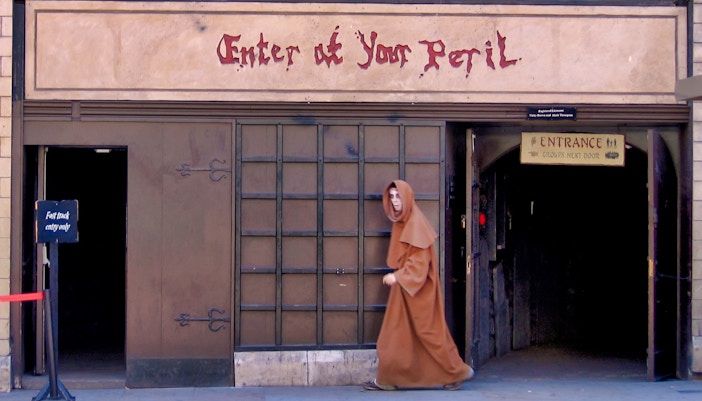
The London Dungeon is situated in the heart of London, near the South Bank of the River Thames. It's housed in the former County Hall building, which served as the seat of the London County Council until 1986.
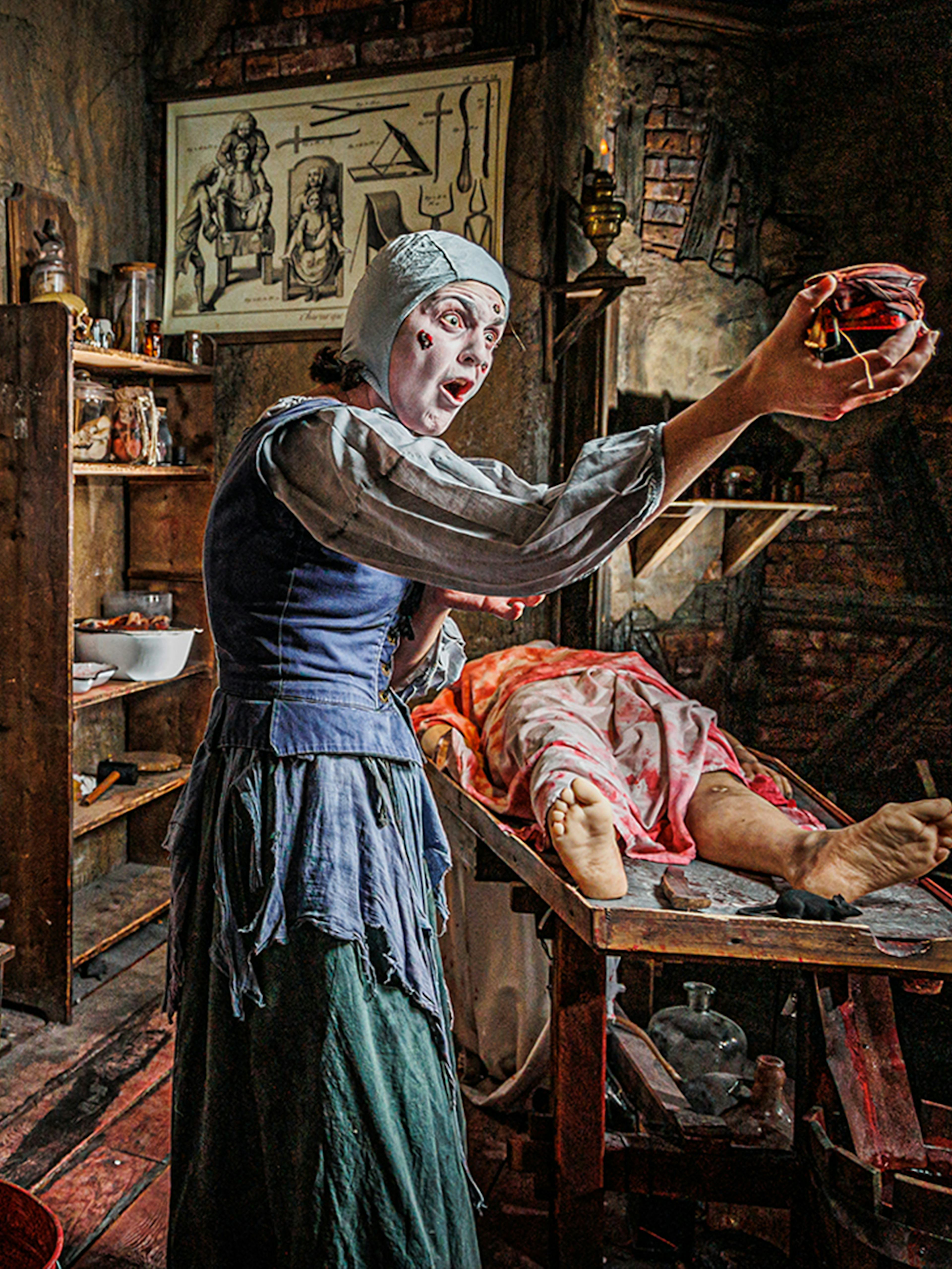
Unlike traditional museums, the London Dungeon delivers a theatrical, immersive journey through live shows, special effects, and interactive sets that bring London’s most gruesome and macabre history to life.
The attractions within the London Dungeon cover a wide range of historical themes, including the Great Plague, the Gunpowder Plot, Jack the Ripper, the Great Fire of London, and the torture methods used during the Middle Ages.
Is the London Dungeon worth visiting?
Stepping into The London Dungeon feels like crossing into a different version of the city—darker, louder, and unnervingly alive. The air shifts the moment you enter: low light, echoing footsteps, sudden screams, and actors appearing from nowhere as history turns into something you don’t just hear but physically feel. It was originally built to bring London’s grimmer past to life through immersive storytelling, turning real events into theatrical encounters that surround you rather than sit behind glass.
What stays with you isn’t a single scene but the constant tension between fear and humor—jump scares that break into laughter and stories that linger longer than expected. By the end, most visitors leave slightly shaken, oddly exhilarated, and very aware they’ve just “survived” London’s past in a way no museum could replicate.
Skip it if you don’t enjoy jump scares, dark enclosed spaces, or theatrical horror-style experiences.
What can you see at the London Dungeon?
1/9
The Descent
Your experience begins with a theatrical “descent” guided by a sinister jester into the dungeon’s world. Flickering lights, sudden sounds, and dark humor immediately unsettle you. This opening acts as a psychological reset—visitors often say it’s where reality starts to blur.
Gunpowder Plot & Conspirators Walk
Step into the tension of Guy Fawkes’ infamous conspiracy. Shadowy corridors and live storytelling place you inside a world of betrayal and secrecy. The staging builds steadily, and most groups slow down here, absorbing every detail of the plot.
The Torture Chamber
One of the most infamous rooms recreates medieval punishment devices with unsettling realism and dark comedy. The atmosphere is deliberately uncomfortable, making it a memorable contrast between shock and theatrical exaggeration.
Plague Streets & The Plague Doctor
Walk through 1665 London during the Black Death. Smells, dim lighting, and eerie figures bring the outbreak to life. The plague doctor encounter is a standout moment that many visitors pause for longer than expected due to its intensity.
Curse of the Witch
This section retells a real historical execution through superstition and fear. The staging is tight and immersive, drawing visitors into a tense buildup that feels almost ritualistic in its pacing.
Sweeney Todd & Mrs Lovett’s Pie Shop
A darkly comic retelling of the infamous barber of Fleet Street. The blend of humor and horror lands well here, with Mrs. Lovett’s pie shop often becoming a crowd favorite for its theatrical exaggeration.
Jack the Ripper & Whitechapel
Fog-filled Victorian streets recreate one of London’s most chilling mysteries. Narrow passages and layered storytelling build suspense as you move through shadowy alleyways that feel unnaturally still.
The Courtroom
You become part of a chaotic trial where the verdict rarely feels fair. Audience participation drives the unpredictability, making this one of the most reactive and energetic scenes in the entire experience.
Drop Dead: Drop Ride
The experience ends with a sudden vertical drop ride inspired by historic executions. It’s short, sharp, and deliberately disorienting—many visitors describe it as the final shock that seals the whole experience.
Turn your London Dungeon visit into a full-on experience!
Want flexibility without missing the thrills? Explore The London Dungeon your way with anytime entry tickets that let you arrive whenever it suits you. Or upgrade to VIP tickets for the ultimate experience—skip fixed time slots, enjoy all shows, capture unlimited digital photos, and relax with a premium cocktail or mocktail at the Tavern after the scares.
How to explore The London Dungeon?
Time needed: 90–150 minutes. Expect slightly longer during weekends and peak travel seasons due to slow queues and group pacing.
Suggested route: Begin with The Descent to set the atmosphere, then follow the intended narrative flow through Gunpowder Plot, Torture Chamber, Plague Streets, Curse of the Witch, Sweeney Todd, and Jack the Ripper, and finish with the Courtroom and Drop Dead ride.
Must-see: Plague Streets & Plague Doctor, Jack the Ripper section, Drop Dead ride finale. These are the most atmospheric and high-impact moments and define the overall experience for most visitors.
Optional: Torture Chamber details and extended character interactions. Additionally, you can also enhance your experience with anytime entry, add a premium cocktail or mocktail at The Tavern, or include digital photos to capture every spine-chilling moment.
Guided vs. self-paced: Fully guided experience with live actors—there is no self-paced option. The pacing is controlled, which keeps the storytelling tight and ensures every scene flows into the next for maximum immersion.
Brief history of the London Dungeon
The London Dungeon first opened in 1974 as a walkthrough attraction showcasing London’s darker historical events. It originally featured wax figures and staged scenes of torture, crime, and punishment, offering a museum-style experience focused on the city’s gruesome past. Over time, it evolved into a fully immersive attraction with live actors, storytelling, and special effects that bring history to life in a more theatrical way.
In the early 2000s, the experience shifted further toward interactive entertainment, combining historical narratives with dark humour and performance-led storytelling. In 2013, it relocated to County Hall on London’s South Bank, allowing for larger, more immersive sets and upgraded production design. Today, it remains one of London’s most popular themed attractions, blending education and entertainment through a uniquely theatrical format.
Who built the London Dungeon?
The London Dungeon was not created by a single architect, as it is not a traditional building project. Instead, it was developed as a themed entertainment attraction, originally conceived by leisure and tourism operators and later expanded under Merlin Entertainments. Its evolution has been driven by creative designers, writers, and set-build teams rather than architectural construction, focusing on immersive storytelling and theatrical experiences.
Architecture of the London Dungeon
The London Dungeon is located within County Hall, a landmark building on London’s South Bank designed by architect Ralph Knott. Construction began in 1911, and the building officially opened in 1922 as the headquarters of the London County Council. Designed in an imposing Edwardian Baroque style, it features Portland stone façades, grand arches, and a monumental civic presence along the River Thames.
While County Hall itself is historically significant, the London Dungeon operates within a fully reimagined interior space. The attraction has been extensively redesigned with purpose-built sets, theatrical lighting, and sound effects to create immersive historical environments. Rather than focusing on original architectural features, the interior is adapted to support storytelling, making it a dynamic blend of historic structure and modern experiential design.
Frequently asked questions about the London Dungeon
The London Dungeon is generally recommended for older children due to its dark themes, jump scares, and live actors. It’s best suited for visitors who enjoy spooky, immersive storytelling rather than traditional museum-style learning.
A typical visit takes around 1.5 to 2 hours, including the full walkthrough of shows and experiences. Allow extra time during peak seasons for queues, photos, and enjoying the drop ride finale.
Yes, booking in advance is strongly recommended, as the London Dungeon uses timed entry slots. This helps you secure your preferred time and avoid long waiting times, especially during weekends and holidays.
Yes, the experience is designed to be spooky with live actors, sound effects, and sudden scares. However, it also includes humour and storytelling, making it entertaining rather than purely frightening for most visitors.
The London Dungeon is located inside County Hall on the South Bank, near the River Thames. It’s just a short walk from major landmarks like the London Eye and is easily accessible via Waterloo Station.
Yes, many visitors pair it with nearby experiences like the London Eye or SEA LIFE London Aquarium. Combination tickets are often available, making it easy to plan a full day out on the South Bank.