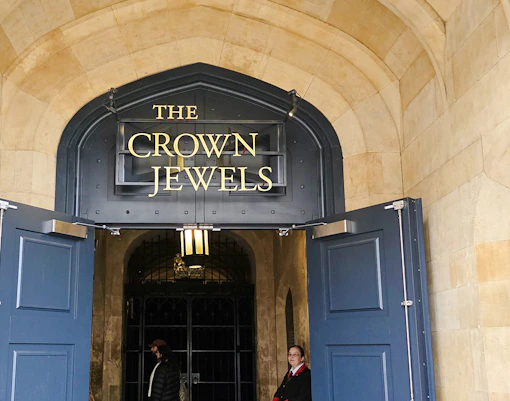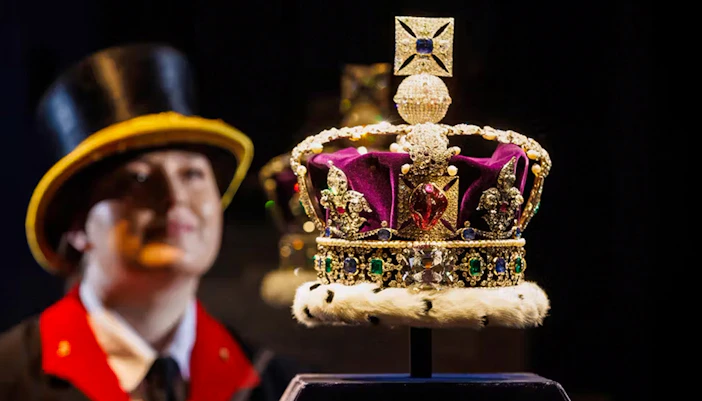
Home to more than 23,000 ceremonial objects, including St Edward's Crown and the Imperial State Crown. This remains the Tower's biggest draw, and queues become noticeably longer as the morning progresses.
Is the Tower of London worth visiting?
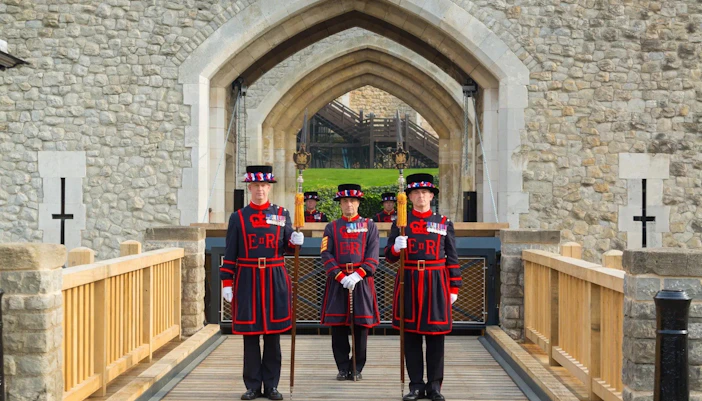
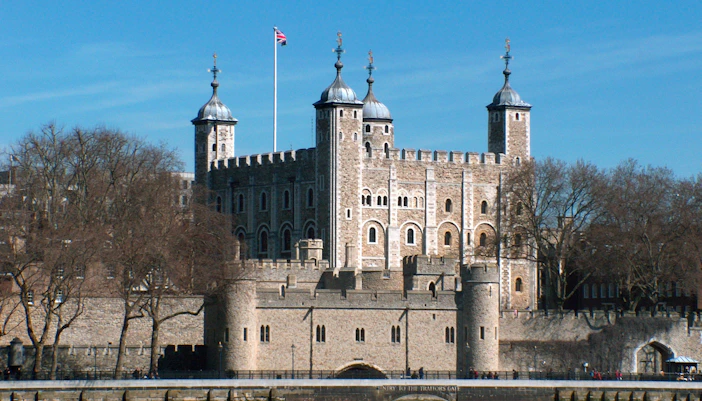
The Tower of London isn't simply another royal landmark. It feels like an entire chapter of British history contained within a single fortress. Behind its thick stone walls, you'll find glittering royal regalia, medieval towers, quiet courtyards, and stories that range from grand coronations to political intrigue and infamous executions. Ravens wander the grounds, Yeoman Warders recount centuries-old tales, and every building reveals a different side of England's monarchy.
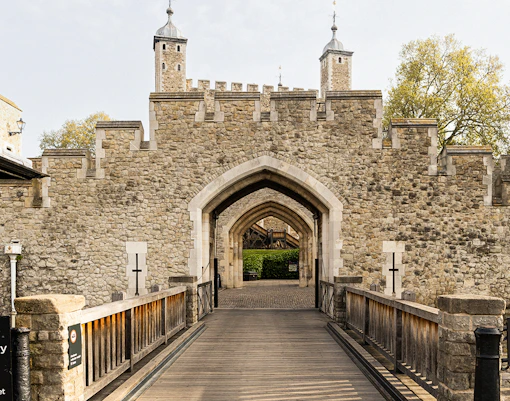
Originally built by William the Conqueror to secure Norman rule over London, the Tower evolved into a royal residence, prison, treasury, armoury, and fortress. Few places have played as many roles or witnessed so many defining moments in British history.
The lasting impression isn't just the Crown Jewels or the medieval architecture. It's the realization that nearly every stone has been part of real events that shaped a kingdom. Visitors often leave with a far richer understanding of Britain's monarchy than any museum alone could provide.
Skip it if: you're looking for a quick one-hour attraction or dislike walking through historic buildings with staircases, uneven surfaces, and multiple exhibitions spread across a large site.
What to see at the Tower of London
Get ready to step into centuries of jaw-dropping moments, from royal jewels to spine-chilling mysteries and history.
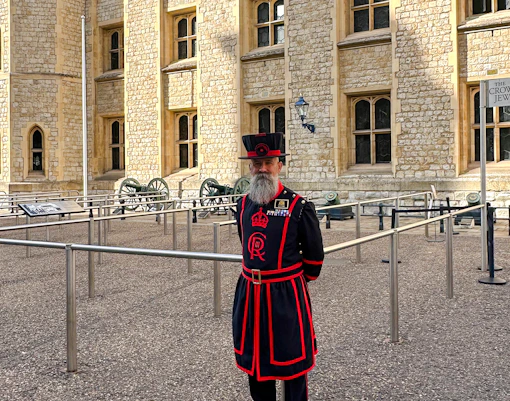
See the Tower through the people who know it best
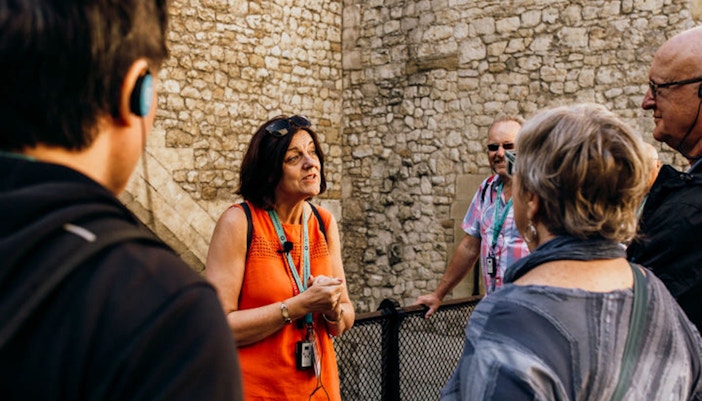
Walking independently lets you admire the fortress, but a guided tour reveals the stories hidden behind every tower, gateway, and prison cell. From royal conspiracies to famous executions and centuries-old traditions, expert guides transform medieval stone walls into one of London's most fascinating historical journeys.
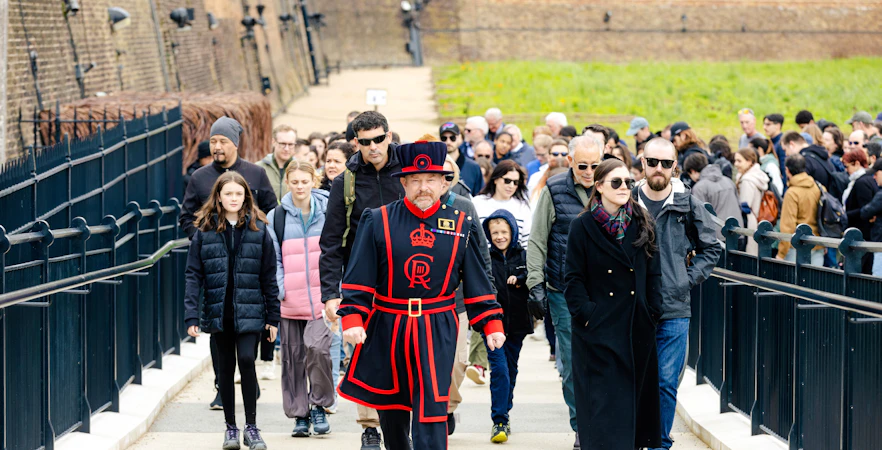
How to explore the Tower of London
Brief history of the Tower of London
The Tower of London has stood at the heart of British history for nearly 1,000 years, evolving from a Norman fortress into one of the country's most important royal landmarks.
- 1066: After conquering England, William the Conqueror orders a fortress to be built on the banks of the River Thames to establish Norman control over London.
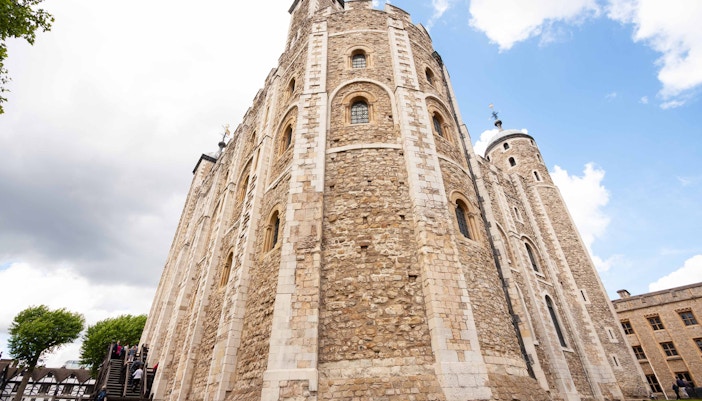
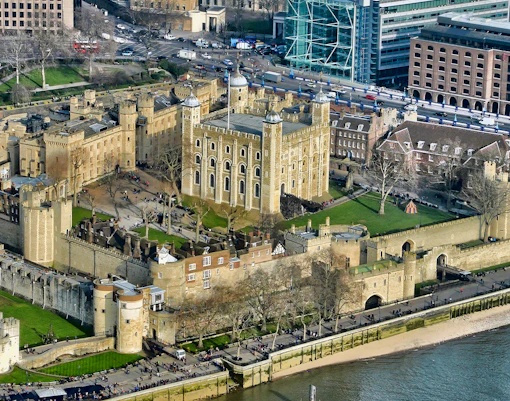
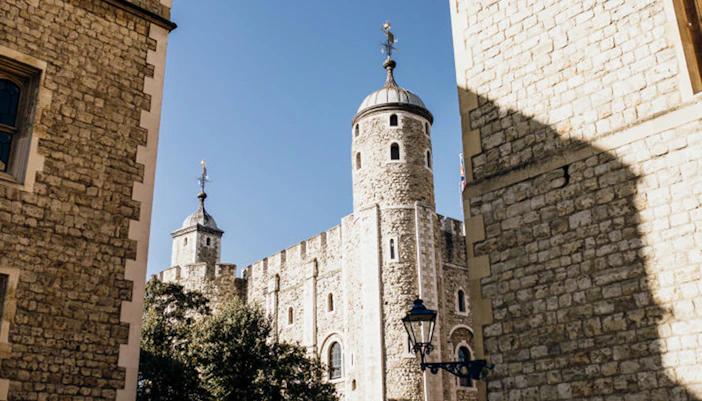
- 1078: Construction begins on the White Tower, a massive stone keep that becomes the centrepiece of the fortress and one of the finest surviving examples of Norman military architecture in Europe.
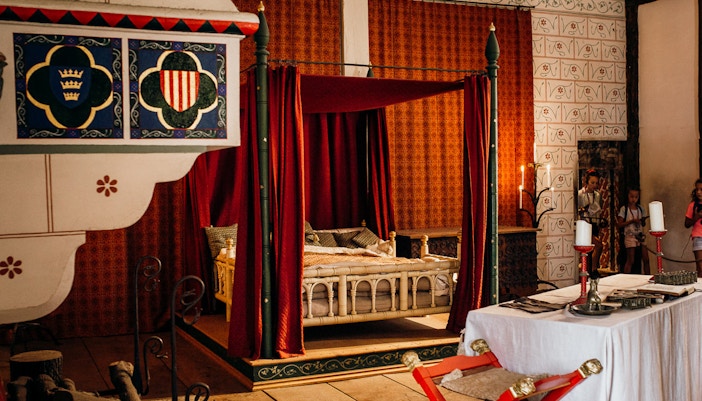
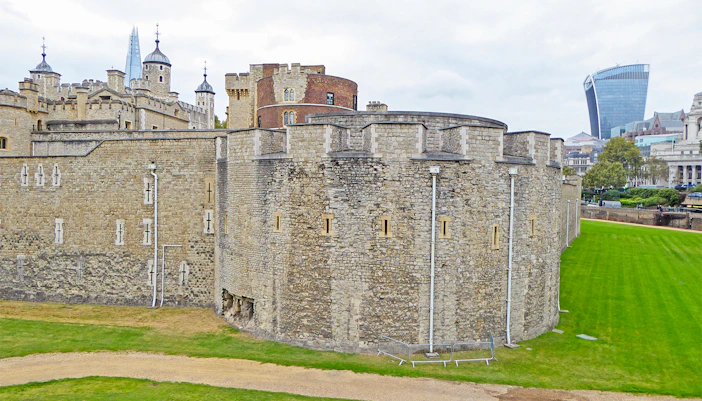
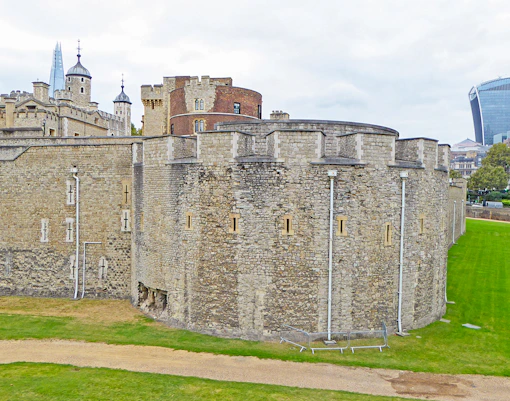
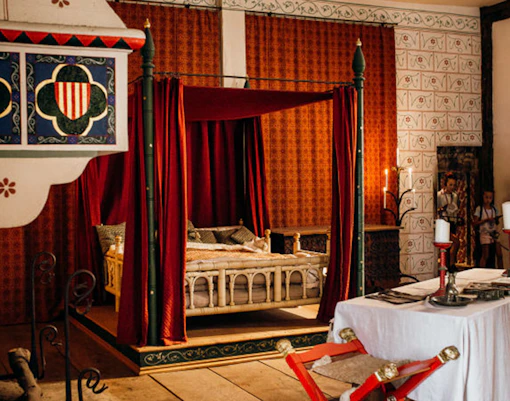
- 12th–13th centuries: Kings Richard I, Henry III, and Edward I expand the site with defensive walls, towers, a moat, and royal apartments, transforming it into a formidable castle and palace.
- 15th–17th centuries: The Tower gains notoriety as a state prison. High-profile prisoners, including Sir Thomas More, Anne Boleyn, and Guy Fawkes, are imprisoned or executed here.
- 17th century onwards: The fortress gradually shifts away from military and royal residential use while continuing to house the Crown Jewels, the Royal Mint, armouries, and official records.
- Today: Managed by Historic Royal Palaces, the Tower of London is a UNESCO World Heritage Site, welcoming millions of visitors each year while remaining home to the Crown Jewels, the Yeoman Warders, and the famous ravens.
Architecture of the Tower of London
Who built the Tower of London?
The Tower of London was commissioned by William the Conqueror, who began constructing the White Tower around 1078 following the Norman Conquest. The project was overseen by Gundulf, a renowned Norman architect and engineer whose expertise helped create one of medieval Europe's strongest fortresses. Later kings, particularly Richard I, Henry III, and Edward I, expanded the original keep into the vast castle complex seen today.
A UNESCO World Heritage Site that's still alive with tradition
Unlike many historic castles that function solely as museums, the Tower of London remains a working royal fortress and an active ceremonial site. Recognised as a UNESCO World Heritage Site in 1988 for its outstanding significance to British history and Norman military architecture, it continues to host centuries-old traditions that have never been interrupted. Yeoman Warders still live within the fortress, the famous ravens are cared for by the official Ravenmaster, and the Ceremony of the Keys has been performed almost every night for more than 700 years. Visiting the Tower isn't simply about seeing history preserved, it's about witnessing traditions that are still very much alive today.
Frequently asked questions about Tower of London
Yes. The Tower combines nearly 1,000 years of British history with world-famous attractions like the Crown Jewels, medieval towers, royal armouries, and Yeoman Warder tours, making it one of London's most rewarding historical landmarks.
The Tower is renowned for its role as a royal fortress, palace, prison, treasury, and execution site. It also safeguards the Crown Jewels and has witnessed some of the most significant events in British royal history.
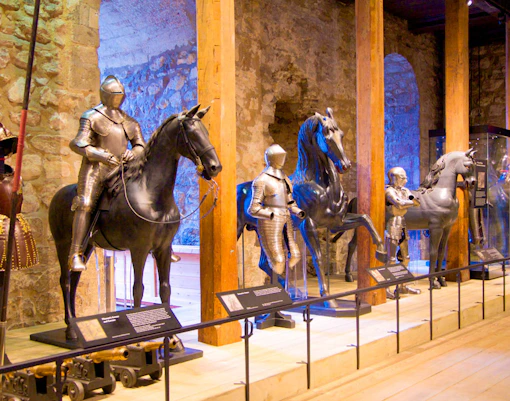
The Crown Jewels, White Tower, Medieval Palace, Bloody Tower, and a Yeoman Warder tour are considered the highlights. If time allows, explore the battlements and the quieter towers overlooking the River Thames.
Most visitors spend between three and four hours exploring the fortress. If you plan to visit every exhibition, attend a Yeoman Warder talk, and view the Crown Jewels, allow at least half a day.
Yes. Families enjoy the interactive exhibitions, armour displays, ravens, and dramatic stories of kings, queens, and prisoners. Older children are especially engaged by the fortress's medieval history and legends.
According to legend, if the ravens ever leave the Tower, both the fortress and the Kingdom will fall. Today, several ravens live on-site under the care of the official Ravenmaster.
Yes. The Crown Jewels remain on public display inside the Jewel House and continue to be used during important royal ceremonies, including the coronation of British monarchs.
Yes. The Tower was designated a UNESCO World Heritage Site in 1988 in recognition of its exceptional Norman architecture and its central role in shaping nearly a millennium of British history.
Yes. The Tower remains a living fortress where Yeoman Warders and their families reside. This unique community helps preserve centuries-old traditions while caring for one of Britain's most iconic landmarks.
Unlike many historic castles, the Tower has continuously served multiple roles throughout its history, including royal residence, fortress, prison, mint, armoury, treasury, and ceremonial site. Many of these traditions continue to this day, making it a remarkably living monument.